
Table of Content
What is the most effective signage mix for modern businesses? A strong visual strategy combines permanent outdoor fixtures like pylon signs for visibility with flexible interior solutions like digital screens for real-time engagement.
Choosing the right signage is a strategic decision that shapes how people perceive your brand from the moment they see your storefront. Whether you opt for the durability of a metal monument sign or the versatility of a cloud-based digital display, your materials must align with your goals, location, and audience. This guide outlines the most common business signs, the materials used to build them, and where each type performs best.

What Are the Most Common Types of Business Signs?
Business signs range from massive highway structures to small door tags. Each serves a specific role, such as attracting traffic, providing direction, or reinforcing brand identity. Understanding the differences helps business owners allocate their marketing budget effectively.
Signs function as a continuous communication channel. From a classic wooden blade sign in a historic district to the dynamic content on a digital screen, today’s options allow for significant customization. The goal is to balance permanent identification with flexible messaging.
Outdoor Signs
Outdoor signs are the primary touchpoint for physical locations. They must withstand weather conditions while presenting a professional image. Since they are often the first thing a potential customer sees, their design and placement are critical for curb appeal.
Outdoor signage includes everything from architectural fixtures to temporary banners. The main objective is visibility-ensuring people can locate the business from a distance. Effective outdoor signs also serve as landmarks, helping people orient themselves.
Monument Signs
Monument signs are ground-level structures, typically placed at the entrance of a parking lot or business campus. positioned at driver eye level, they are effective for locations on busy streets where height restrictions apply. They are often constructed from sturdy materials like stone, brick, or high-density urethane to suggest permanence.
When integrated with landscaping, monument signs act as a strong brand anchor. They are standard for shopping centers, medical campuses, and residential communities, providing a sense of stability and long-term presence.

Pylon Signs
Pylon signs are tall structures mounted on one or more poles, designed to be seen from a distance. They are essential for businesses near highways or main roads where drivers are moving at high speeds. These are common for gas stations, quick-service restaurants, and shopping malls.
Pylon signs can feature a single business or multiple tenants and often use internally lit cabinets. Due to their height and wind exposure, they require professional engineering. They provide the long-range visibility needed in crowded commercial areas.
Channel Letter Signs
Channel letter signs are a standard choice for retail storefronts. These are individual three-dimensional letters, typically made from aluminum with acrylic faces, mounted directly to the building. Each letter is usually illuminated internally with LEDs, creating a professional look that remains visible at night.
Styles include front-lit, back-lit (“halo-lit”), and open-face letters. Halo-lit options create a glow around the characters, while front-lit letters focus on brightness. This flexibility makes channel letters a strong fit for brands wanting a modern appearance that is easy to read from the street.

Wall Signs
Wall signs are flat panels or cabinets mounted to a building’s exterior. Unlike channel letters, which are separate pieces, wall signs often display graphics and text on a single surface. They are a practical choice for businesses needing a larger message area without the complexity of individual letters.
These signs can be illuminated or non-illuminated. They are frequently used on warehouse exteriors, service entrances, or as primary signage for smaller shops, offering ample space for logos and taglines.
Projecting and Blade Signs
Projecting or blade signs extend at a right angle from the building face, designed for pedestrians walking along sidewalks. These are essential in downtown districts where flat wall signs might be missed. Blade signs add character to storefronts and are common in historic shopping areas.
Because they hang over public walkways, they must meet specific clearance regulations. Their high visibility to foot traffic makes them ideal for cafes, boutiques, and local shops.
Indoor Signs
Once inside, signage shifts focus from attraction to guidance and information. Interior signs support the brand atmosphere and help visitors navigate the space.
Materials for indoor signs are often more refined, as they do not face harsh weather. Finishes like polished metal, etched glass, and high-quality prints contribute to a professional environment.
Lobby and Reception Signs
The lobby sign is the focal point of an office or professional suite. It sets the tone for visitors and typically uses premium materials like dimensional acrylic, metal, or wood. These signs often feature the company logo in a 3D style, sometimes with soft backlighting, to signal quality and professionalism.

Wayfinding and Directional Signs
Wayfinding signs serve the practical purpose of navigation. They help visitors move through hallways, stairwells, and departments without confusion. This is critical in hospitals, large corporate offices, and universities.
Effective wayfinding relies on clear fonts and high-contrast colors. These signs must often comply with ADA (Americans with Disabilities Act) standards, including Braille and raised lettering. When done well, wayfinding is intuitive; when missing, it leads to immediate frustration.
Office Name Plates
Office name plates provide structure to workspaces by labeling offices, conference rooms, and cubicles. Options range from slide-in holders for easy updates to permanent engraved plates.
Consistent name plates support a unified office aesthetic. Whether metal or acrylic, these small details help define the organization and professionalism of the company.
Window and Door Graphics
Window and door graphics utilize glass surfaces to display hours, contact info, and promotions. Made from vinyl, these can range from simple text to full-color prints that cover a window while allowing light to pass through.
Frosted vinyl is often used on interior glass for privacy in meeting rooms. Window graphics offer a cost-effective way to use glass for marketing and can be updated easily for seasonal campaigns.

Illuminated Signs
Illuminated signs ensure visibility after dark, which is vital for hospitality and retail businesses. Modern lighting technology offers energy-efficient and flexible options that improve safety and draw attention.
LED Signs
LED (Light Emitting Diode) technology has largely replaced older lighting methods. LEDs are energy-efficient, long-lasting, and require minimal maintenance. They are used in channel letters, cabinet signs, and digital displays, offering brightness that stands out even in well-lit city environments.
Neon Signs
Neon signs offer a classic aesthetic. Traditional neon uses glass tubes filled with gas, while modern "LED neon" uses flexible strips to mimic the look without the fragility. These are popular in bars, restaurants, and businesses seeking a vintage feel.
Digital Signage
Digital signage is the most adaptable solution for modern business communication. Unlike static signs that require reprinting for every change, digital screens allow you to update content in minutes. This makes them ideal for menus, internal dashboards, promotions, and announcements.
For businesses that need to manage screens across multiple locations, Look Digital Signage is a strong fit. It provides a cloud-based platform (Look CMS) that centralizes control, allowing teams to create content, build playlists, and publish updates remotely. Key capabilities that support business growth include:
- Smart Scheduling: Automate content to play at specific times or days, perfect for dayparting menus or limited-time offers.
- Ready-made Templates: Use professional layouts to launch announcements or promotions quickly without needing a designer.
- Playback Analytics: track performance and proof-of-play to understand what content is running and ensure compliance.

While the initial setup involves hardware, the ability to change messaging instantly without printing costs often results in a better long-term ROI. Look DS also offers a free player app for compatible screens, simplifying the transition from static to digital.
Vehicle Graphics and Wraps
Vehicle graphics turn fleet vehicles into mobile advertisements. Full wraps cover the vehicle entirely, while partial decals highlight specific areas. This provides constant brand exposure whenever the vehicle is on the road.
Service industries-such as HVAC and plumbing-rely on vehicle branding to build trust. A branded vehicle signals professional activity and promotes the business to the local neighborhood.

Temporary and Promotional Signs
Temporary signage is designed for short-term events, sales, and seasonal campaigns. These signs use lighter materials that are easy to install and remove.
Banners and Flags
Banners are flexible signs made from vinyl or mesh, suitable for hanging on fences or buildings. Feather flags capture attention with movement and are often used at events or trade shows. They are portable and cost-effective for recurring use.
Yard and Sidewalk Signs
Yard signs (corrugated plastic) and sidewalk signs (A-frames) target local foot and vehicle traffic. Restaurants and retail shops use A-frames to highlight daily specials, while real estate agents use yard signs to mark properties. They are simple to deploy and effective for capturing local attention.
What Materials Are Commonly Used for Business Signs?
Material selection determines a sign's longevity, appearance, and cost. The right material must withstand the specific environmental conditions of the installation site.
Metal Signs
Metal offers durability and a premium finish. It can be cut into complex shapes and treated with various finishes, from brushed to painted.
Aluminum
Aluminum is a top choice for outdoor signs because it resists rust and corrosion. It is lightweight yet strong, making it suitable for wall mounting. Aluminum is frequently used for traffic signs and channel letter returns.
Stainless Steel
Stainless steel provides a sleek, modern look and excellent durability. It is often used for high-end architectural lettering and plaques. It resists harsh environments, such as coastal areas, and communicates stability.
Plastic Signs
Plastics are versatile and cost-effective, used extensively in illuminated signage.
Acrylic
Acrylic (Plexiglass) mimics the look of glass but is lighter and more durable. It has a glossy finish and is commonly used for channel letter faces and lobby signs. It offers a clean, high-tech appearance.
Polycarbonate
Polycarbonate (Lexan) is impact-resistant and nearly unbreakable. It is ideal for outdoor cabinet signs that may face debris or vandalism. It is also highly heat-resistant, making it suitable for internally lit signs.
PVC
PVC is a lightweight plastic sheet with a matte finish, used primarily for indoor signs. It is easy to cut and print on but is less weather-resistant than other plastics, making it better suited for interior use.
Wood Signs
Wood signs offer a traditional, rustic look. High-Density Urethane (HDU) is often used as a durable alternative that mimics wood grain without rotting. Real wood like cedar requires maintenance but offers an authentic aesthetic.

Fabric Signs
Fabric is used for indoor displays and event signage. Tension fabric systems create smooth, large-scale visuals. They are lightweight and offer a soft, high-end feel for retail and corporate interiors.
Glass Signs
Glass is used for upscale interior signage, such as etched panels in professional offices. Tempered glass offers safety and scratch resistance but is generally limited to indoor applications due to weight and fragility.
Composite Materials
Composites like Dibond consist of aluminum sheets bonded to a solid core. They are rigid, flat, and weather-resistant, making them a standard choice for outdoor wall signs and construction site boards.
How Do Sign Materials Affect Durability and Appearance?
The environment directly impacts material performance. A sign designed for indoor use may fail quickly outdoors. Understanding these factors helps avoid premature replacement.
Weather Resistance for Outdoor Applications
Outdoor signs must resist UV rays, moisture, and wind. UV-resistant inks and laminates prevent fading. Materials like aluminum and acrylic are preferred for their resistance to rust and decay. Proper structural engineering is required for large signs to withstand wind loads.
Indoor Sign Material Considerations
Indoor signs are viewed up close, so finish quality is important. Matte finishes reduce glare from overhead lighting, improving readability. Materials should be chosen to resist fingerprints and wear in high-traffic areas.
Maintenance Requirements by Material
All signs require care. Metal may need cleaning, and illuminated signs require electrical checks. Digital screens need to be kept clean and their software updated. Wood signs may need resealing to prevent rot. Factoring in maintenance time is part of the selection process.
Longevity and Cost Factors
Higher upfront costs often yield better long-term value. A stainless steel sign lasts decades, while cheaper plastics may need replacing within a few years. For digital signage, the cost includes hardware and software subscriptions, but the ability to update content remotely can reduce ongoing operational costs compared to printing.
Applications and Scope: Where Are Different Sign Types Used?
Different industries have unique signage requirements, ranging from safety compliance to marketing.
Retail Locations
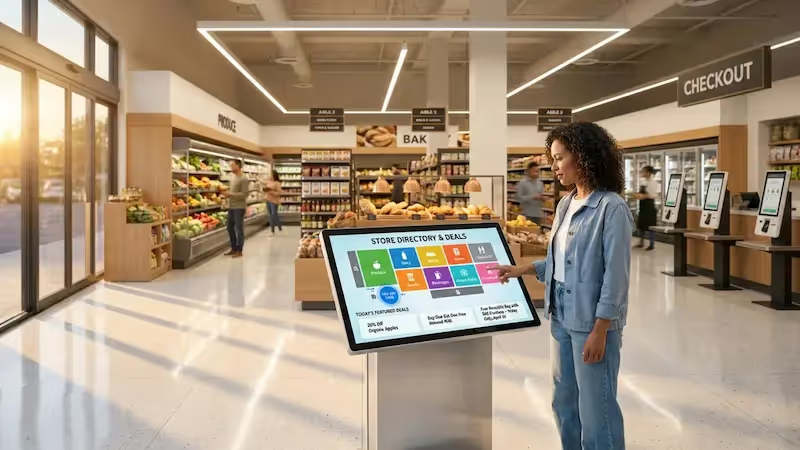
Retail signage focuses on driving sales. Exterior signs attract customers, while window graphics promote offers. Inside, Look Digital Signage can help manage promotional screens and aisle displays, allowing staff to update pricing and offers instantly without reprinting tags.
Restaurants, Cafes, and Food Service
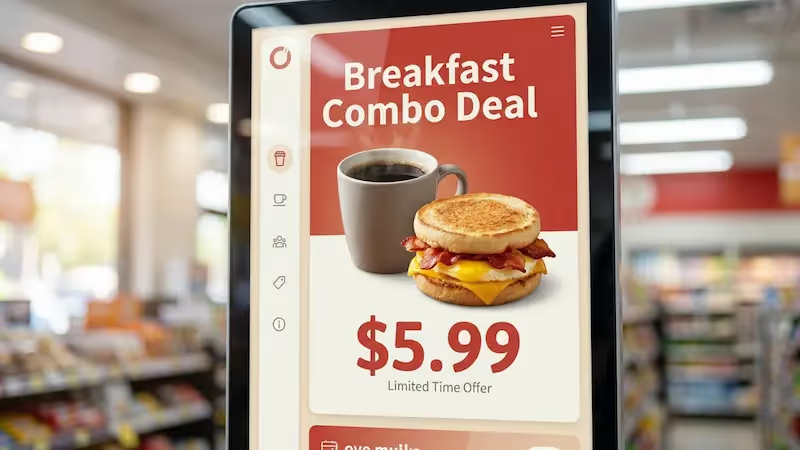
Menus are the core of food service signage. Digital menu boards are increasingly standard because they allow for instant updates to pricing and availability. Using Look DS, managers can schedule dayparting (switching breakfast to lunch menus automatically) and remove sold-out items in real-time.

Offices and Corporate Buildings
Corporate signage balances branding with functionality. Lobby signs present the brand, while wayfinding ensures smooth navigation. Digital screens in breakrooms can be used for internal communications, displaying KPIs and announcements via the Look CMS.
Events and Trade Shows
Portability is key for events. Retractable banners and fabric walls are standard. Digital kiosks are also popular for interactive engagement, allowing attendees to browse catalogs or schedules.
Property and Real Estate
Real estate relies on durable, temporary signs like "For Sale" yard signs. Large development projects use site banners to market future spaces. These must be weather-resistant but cost-effective enough for temporary use.
Healthcare and Educational Facilities
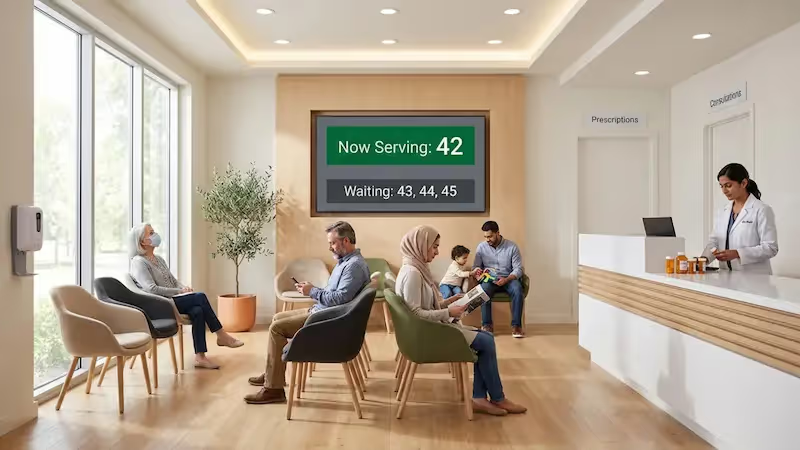
Hospitals and schools require complex wayfinding. Clear, high-contrast signs are essential for reducing confusion. Digital screens are often used in waiting rooms to share health tips or campus news, helping to reduce perceived wait times.
Construction and Temporary Sites
Construction signage focuses on safety and compliance. Signs like "Hard Hat Area" are mandatory. Mesh banners on fences serve a dual purpose of screening the site and marketing the project.
Key Factors When Choosing Types and Materials for Business Signs
Selecting the right sign involves balancing budget, design, and regulations. Planning ahead ensures the final product meets business needs.
Budget Considerations
View signage as a long-term investment. While a lighted or digital sign costs more initially, its visibility and flexibility often provide a higher return. Consider the total cost of ownership, including energy, maintenance, and potential replacement costs.
Branding and Customization Options
Signs should reflect brand identity through color and font. Custom shapes and materials help a business stand out. Digital signage offers the ultimate customization, allowing brands to change their visual identity seasonally or daily without new hardware.
Installation and Location Requirements
Installation methods depend on the building structure and local environment. Professional installation ensures safety and durability. For digital signs, access to power and internet connectivity are key planning factors.
Local Regulations and Compliance
Always check local zoning laws regarding sign size, height, and illumination. Historic districts may have strict material requirements. Permits are typically required for exterior signs to ensure compliance with safety and zoning codes.
Sustainability and Eco-Friendly Materials
Eco-friendly options include recyclable materials and energy-efficient LEDs. Digital signage can also support sustainability goals by reducing the waste associated with disposable printed posters and menus.
Technology continues to influence sign design. While traditional materials remain vital for permanence, businesses are increasingly adopting "smart" solutions. QR codes bridge the gap between physical and digital, and platforms like Look Digital Signage allow businesses to manage their visual communication from anywhere. As materials improve and software becomes more accessible, the most successful businesses will likely use a strategic mix of both.