Table of Content
In today's fast-moving business world, staying competitive means using modern technology. For sales teams, this often means dropping old, manual methods and using live, data-focused tools instead. This is where a digital signage sales board comes in. It has become the standard way for sales teams to share information. It is an interactive screen that brings together analytics, real-time data, and sales insights in one clear, visual dashboard. This helps salespeople improve their results, stay engaged, and build a more productive and profitable sales culture.
A digital sales board is more than just a screen; it is a central place for important information. It gives a clear overview of sales processes, individual and team performance, and key customer interactions. By pulling data from many different systems and showing it in a simple, visual way, these boards help sales teams manage client contacts more efficiently, track progress against targets, and speed up live sales workflows. The result is a real change in how teams share information, compete, and work together, with decisions based on real data and trends, not just gut feeling.
What Is a Digital Signage Sales Board?
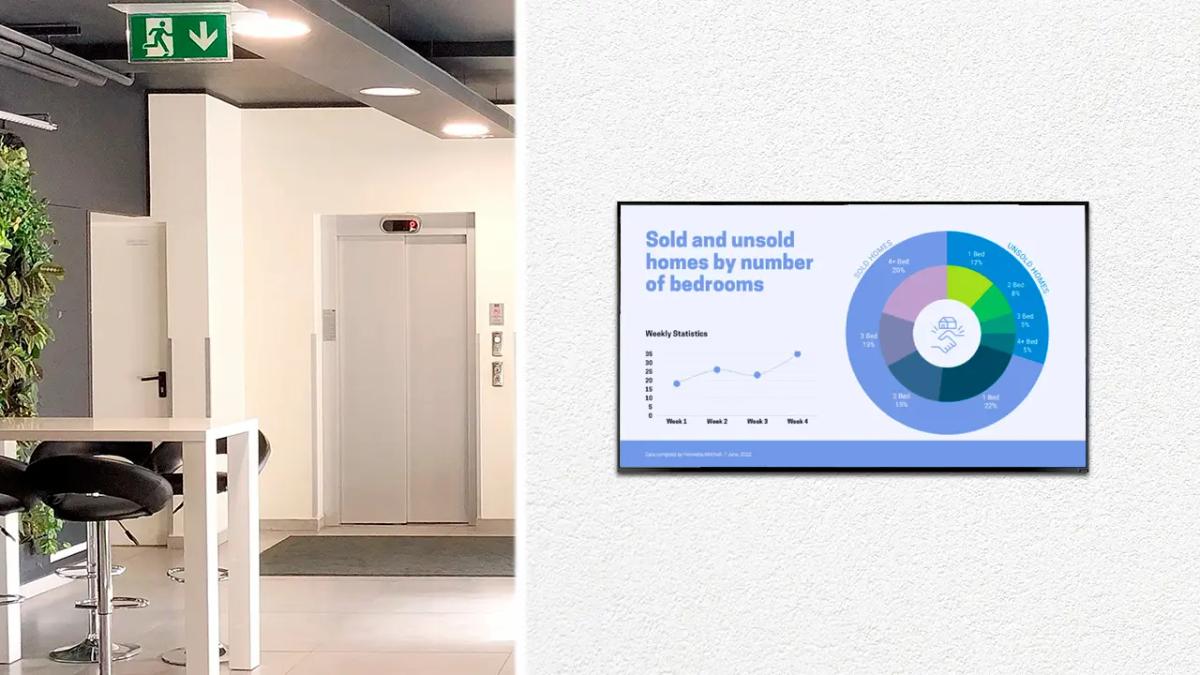
A digital signage sales board is an interactive display system that shows important sales information in a lively and visual way. You can think of it as a command center for your sales team, giving instant access to key numbers and insights. It goes beyond static reports and spreadsheets by bringing data to life on screens placed around the workplace, from sales floors to break rooms. This kind of setup supports the strong need for clear communication in sales teams, where 97% of workers say communication affects how well they do their daily tasks.
This tool changes how salespeople interact with their targets, performance data, and each other. It creates an open environment with quick feedback, which is very important for a high-performing sales team. The visual format makes sure that information is not just noticed but actually understood, turning complex data into simple, usable details for everyone.
How Does a Digital Sales Board Work?
A digital sales board works by collecting and analyzing data from different sources, then showing it on flexible dashboards. The system usually runs on software that connects to tools you already use. For example, a retail chain might use it to show live sales numbers, stock levels, and customer reviews so managers can make fast, informed choices. The strength of this system is its ability to track real-time data and show performance across days, weeks, months, or quarters.
The system can handle many of the repetitive tasks involved in gathering and analyzing data. This gives salespeople more time to sell and build relationships. With a clear visual view of the sales pipeline-from first contact to closing the deal-teams can quickly spot slow points, see new chances, and deal with possible problems before they grow. It turns raw data into clear, practical information shown in a way that is easy to read and act on.
Key Features of Digital Signage Sales Boards
The strength of digital signage sales boards comes from a strong feature set that supports almost every part of sales operations. Custom dashboards are a key element, giving teams control over layout, metrics, and visuals so the board matches their goals and priorities. These dashboards usually highlight key performance indicators (KPIs) in a clear, simple way.
Many boards also include a “sales predictor” feature. This follows each opportunity from first contact through to closing, giving a full, live view of the sales funnel. With analytics and predictive modeling, this helps leaders make smarter choices based on expected trends. Other common features include automatic alerts for stalled deals, AI-driven tips for the next best action, and detailed tracking of each sales rep’s performance. These tools help teams catch more opportunities and support every rep in reaching their best results.
Why Digital Signage Sales Boards Set the Standard for Sales Team Communication
Sales work is changing quickly, and clear communication is the base of any strong sales team. Digital signage sales boards now play a central role in how teams work with data, goals, and each other. Moving from old, isolated communication tools to a shared, visual platform helps solve many common sales problems, such as keeping reps engaged, keeping messages consistent, and building a strong team culture.
The digital sales board acts like the central nervous system of the sales department, sending important information across the organization right away. This instant access is especially useful in a time when quick decisions and flexible responses are key to staying ahead. By changing how information is shared and used, these boards help teams react faster, plan better, and improve their results.
Improves Transparency and Accountability
One of the biggest benefits of a digital signage sales board is how it increases openness and ownership inside the sales team. By showing KPIs, targets, and progress updates in real time, everyone can see how the team and each person is doing. Goals stop being vague ideas and become clear numbers that everyone can follow.
When progress bars show “78% to goal” or live leaderboards show who is leading, the whole team knows what is expected and how they contribute. This visibility builds a natural sense of responsibility and encourages people to own their results. It also helps managers quickly spot where help is needed or where strong behavior deserves more attention, leading to timely coaching and support. Sharing performance openly builds trust and keeps efforts aligned with the company’s main goals.
Enables Real-Time Updates
Sales moves quickly, so communication tools must keep up. Digital signage sales boards do this by offering instant updates. No more waiting for weekly reports or hoping people read a long email. With a digital sales board, important messages, new product scripts, price changes, or new campaigns can appear on screens the moment they are ready.
This kind of instant sharing speeds up communication. It keeps every rep up to date with the latest and most accurate information, so they can talk to customers clearly and confidently. For example, a notice like “New onboarding tool launched today” lets everyone know right away, so they can answer questions correctly. This speed helps maintain a strong competitive position and keeps the whole sales team working with the same, current facts.
Boosts Team Engagement Through Visual Performance Metrics
People process visuals far faster than text. Digital signage sales boards use this by turning flat numbers into visual performance metrics, which keeps teams more engaged. Instead of scanning lines of spreadsheet data, reps see their progress and challenges as colorful charts, graphs, and leaderboards. This visual storytelling makes the data easier to remember and act on.
Live leaderboards showing sales targets and results can make sales feel like a game, building healthy competition and team energy. Seeing your name under “Top Closer of the Week” or watching a team’s renewal rate jump by 18% gives strong public recognition and lifts morale. When these visuals show pipeline status, conversion rates, and achievements, they turn distant, yearly goals into daily motivation that everyone can rally around.

Streamlines Internal Messaging and Announcements
Internal messages often get buried in crowded inboxes or chat threads. Digital signage sales boards give these messages a clear, visible place, so important updates are not just sent but actually seen and understood. From company-wide news to sales-specific notes, the boards make key messages stand out.
Whether you are rolling out a new policy, updating service details, or promoting an internal event, digital screens help keep communication clear and consistent. This is especially helpful in large or hybrid organizations where employees might not always be at their desks. A shared visual space for key announcements reduces noise from email and chat and helps keep everyone aligned and informed.
Strengthens Sales Culture with Recognition and Motivation
A strong sales culture supports ongoing performance, teamwork, and shared purpose. Digital signage sales boards support this culture by putting recognition and motivation into the daily routine. Publicly highlighting wins-big or small-turns everyday results into moments that lift the mood and energy of the workplace. For example, a message like “Congratulations to Noah for completing Advanced Sales Training!” or a shout-out for a successful project launch can brighten the whole floor.
Open recognition helps people feel valued and part of the team. Beyond sales numbers, screens can show motivational quotes, customer compliments, birthdays, or work anniversaries, adding a human touch. When goals, results, and praise appear as attractive, real-time content, the boards inspire the team, support dedication, and create an environment where confidence and motivation lead to better customer experiences and higher profits.
Core Components and Integration Capabilities
A digital signage sales board is not just a TV on the wall; it is a full system made of several parts that work together to deliver live, useful insights. Its real strength is in how it connects with the technology you already use. These links keep the board filled with current, relevant data, turning it into an important tool for making smart decisions and running daily operations smoothly.
Knowing the main components and how they connect to your other tools is key to getting the most out of a digital sales board. The goal is a smooth workflow where information moves easily and supports the sales team in doing their main job with more clarity and help.
Data Integration and Automation
Data integration sits at the center of any effective digital sales board. This part of the system pulls information from many sources, such as CRM systems, ERP platforms, marketing tools, and customer databases. By collecting data from these different tools, the board shows a full picture of market activity and sales performance, cutting down on the problem of data being trapped in separate systems.
Automation supports this process in the background. It reduces the time spent entering data by hand and doing manual reports. For example, a financial sales dashboard can track leads and follow-ups automatically, making the sales process more efficient. Automated data flows keep the board’s information current and accurate, helping salespeople act on the latest numbers and trends.
Sales Performance Analytics and Dashboards
Sales performance analytics turn raw data into clear insights on the digital sales board. Custom dashboards are the main way people see this information. Teams can choose which KPIs to show, such as conversion rates, average deal size, customer acquisition cost, or results by rep.
Using tools like machine learning and big data analytics, these dashboards can provide rich, useful insights. Features may include interactive charts where users can click into a metric, live performance tracking, and models that predict upcoming trends. Widgets might show heat maps, bar charts, or trend lines to make complex information easier to grasp. Some advanced systems even use natural language processing to create written summaries in plain language, so even non-technical team members can understand what the data means and how to respond.
CRM and Pipeline Visualization
A digital sales board gives a simple, live view of the sales pipeline, showing each stage from first contact to closing the deal. This visual pipeline is a key tool for managing opportunities well. By connecting to CRM systems like Salesforce and others, the board offers a full view of customer interactions.
This view can use color-coded bars to show which deals are at risk, automatic alerts for stalled deals, and predictive analytics to highlight the most promising prospects. Teams can review contact history, note customer preferences, and pull in feedback directly on the board. A linked calendar can remind reps of follow-ups, while shared notes and spaces let team members add ideas and strategies. This clear pipeline view helps reps track their deals, work more actively on opportunities, and improve customer relationships.
Integration with Business Tools (Power BI, Zapier, More)
To truly act as a central hub, a digital sales board needs to plug into other business tools easily. Strong integration prevents new data silos and keeps work flowing smoothly.
Many companies build dashboards in Power BI, then show them on screens in meeting rooms or halls. Automation tools like Zapier are also useful. Zapier connects different apps and lets users set up “Zaps,” which are automatic actions that trigger one app to update when something happens in another. This makes it simple to link email, accounting tools, marketing software, and social media, without heavy coding or IT support. The result is that sales teams see all their key information in one place and can work more efficiently.

Security and Access Controls
Because sales data is sensitive, strong security and clear access controls are required for any digital sales board. Protecting company data, customer details, and performance metrics is a must. A well-built solution uses strict security measures to protect against unauthorized access and meet industry rules.
Typical features include encryption for data being sent and stored, multi-factor authentication for users, and regular security checks to spot weak points. Fine-grained access controls let admins decide who can see or edit specific dashboards or data sets. Only the right people can access sensitive data, while still allowing open visibility where it makes sense. Strong security builds trust and helps keep the board useful and safe over the long term.
Benefits of Adopting a Digital Sales Board for Your Sales Team
Adding a digital signage sales board is more than just adding a new gadget. It is a strategic move to raise efficiency, morale, and overall results. In a time when digital tools are now standard, these boards offer a real edge. They tackle core problems such as slow information sharing and low team motivation by using visual communication and up-to-date data.
The effects reach across the sales organization, creating a setting where every team member is better informed, more involved, and more effective. Below are some of the key benefits that make digital sales boards a strong asset for modern sales teams.
Faster Decision-Making with Real-Time Insights
In sales, timing can make or break a deal. Being able to make quick, informed choices often decides if you win or lose an opportunity. Digital sales boards help by giving instant access to real-time insights. Instead of waiting for end-of-day, weekly, or monthly reports, managers and reps can see live data on performance, pipeline status, and market changes.
This live view helps people react quickly. If a product is lagging or a campaign is underperforming, the board will show it right away. Managers can then adjust strategy, move resources, or coach specific reps. Salespeople can also use up-to-date information in conversations with customers, improving confidence and accuracy. Acting on fresh data makes the whole team more effective and responsive.
Increases Productivity and Motivation
Digital sales boards help raise both output and motivation. By automating data collection and reporting, they free salespeople from many admin tasks, so they can spend more time selling and building client relationships. This direct shift of time toward revenue-generating work raises productivity.
At the same time, visual, transparent performance displays motivate people. Leaderboards, progress bars, and public praise such as “Top Seller of the Week” encourage healthy competition and personal growth. Research shows that recognition can lift productivity, teamwork, and attendance. When employees feel seen and know how their work supports the company’s success, they tend to put in more effort and maintain higher energy.
Enhances Collaboration and Cross-Team Communication
Poor communication and weak collaboration can hold back a sales team. Digital sales boards help by giving everyone access to the same, current information. This cuts confusion and keeps people aligned.
Team members can share updates, reminders, and achievements through the content on the board. Features like shared notes, visible project milestones, and team success highlights support teamwork and shared focus. This common view helps spot issues early, share best practices, and make sure everyone is aware of what other departments, like marketing or product, are doing. When reps know about campaigns, price changes, or product launches, they can present a united message to customers and increase customer satisfaction.
Supports Remote and Hybrid Sales Teams
Many sales teams now work remotely or in a mix of office and home settings. Digital sales boards are a strong fit for these models. Leaderboards and dashboards can be accessed from any device with internet, so managers and reps stay connected regardless of location.
Whether someone is at headquarters, at home, or traveling, they can see team performance, goals, and key announcements. Managers can send instant alerts about new campaigns or policy changes so everyone gets the same message at the same time. By turning everyday updates into engaging visual content, digital sales boards help remote and hybrid teams stay united, informed, and motivated.
Implementing a Digital Signage Sales Board: Steps and Best Practices
Rolling out a digital signage sales board calls for careful planning and a clear approach. It is more than buying screens and software; it is about weaving a new communication tool into your sales operation. Success depends on thoughtful preparation, choosing the right platform, strong onboarding, and ongoing improvement. By following good practices, companies can get the best value from their digital sales boards and build a stronger sales culture.
The steps below cover the process from early review to long-term tuning, helping you build a durable setup that truly supports your sales team.
Assess Communication Needs and Team Goals
Before you pick a digital signage solution, you should review your sales team’s communication needs and goals. Look deeper than quick fixes and try to understand real problems and aims. What information is hard to share right now? Where do messages get stuck? Which metrics matter most for your team-higher conversion rates, shorter sales cycles, better customer ratings?
Talk with people across the sales team, from reps to managers. Ask about their daily tasks, pain points, and what helps them perform better. This feedback will guide what content to show, how to design the dashboards, and what systems you should connect. A solid review makes sure the board supports actual needs and matches larger company goals.
Selecting the Right Digital Signage Solution
Choosing a digital signage solution is a key decision that will shape how useful your sales board is over time. You should check how well each option fits your business, budget, and current systems. Look for strong data connections, especially with CRM, ERP, and other sales tools. Check that the system lets you build custom dashboards and display the KPIs that matter to you.
Also check how easy it is to create and manage content. Good software allows remote control of displays and offers simple editors or templates. Scalability matters too: can the system grow with your team? Review the vendor’s track record for support, security, and updates. Providers like Look DS offer different strengths.
Onboarding and Training for Sales Teams
Even the best system will fail if people do not know how to use it. Strong onboarding and regular training are needed so the sales team can use the board properly. Everyone-from new hires to senior reps-should know how to move around the dashboard, read the data, and apply it in their daily work.
Initial training should cover basic navigation, where to find what, and what each metric means. It is also a chance to explain why the board exists and how it helps them succeed. Ongoing support is just as important. Offer quick guides, help channels, and simple refreshers. You can even use the screens themselves to share “Tip of the Day” content, such as sales skills, negotiation hints, or platform tricks. Good training turns the board into a natural part of the sales workflow instead of just another screen.
Monitoring, Feedback, and Continuous Improvement
Setting up a digital sales board is only the start. You then need to watch how it is used, gather feedback, and make regular improvements. Once it is running, track which features get the most attention, which KPIs actually help, and which parts confuse people or don’t get used.
Set up simple ways to gather feedback-quick polls on the screens, short surveys, or regular team talks. Encourage reps to share ideas and issues. Use this input to adjust layouts, swap or add KPIs, refresh content, or test new integrations. By updating the board over time, you keep it useful, engaging, and aligned with your team’s changing needs and the changing sales environment.
Ensuring Compliance and Data Security
With growing data rules and cyber risks, keeping the digital sales board compliant and secure is a must. This covers both company data and customer information. The platform you choose should include strong protection against unauthorized access and data misuse.
Look for features like encryption, multi-factor login, and access controls that limit who can see or edit certain data. Make sure your setup follows relevant laws such as GDPR or CCPA, based on where you operate. Schedule regular security reviews and updates to keep defenses strong. Focusing on privacy and security protects your business and customers and supports long-term trust in the system.
Common Challenges and Solutions with Digital Sales Boards
Digital signage sales boards bring many advantages, but adopting them can also create challenges. Companies may face resistance from staff used to old methods, face technical issues connecting systems, or struggle to keep content useful and interesting. Handling these points early and clearly helps you get better results and avoid wasted investment.
Below are some common obstacles and practical ways to deal with them, so your digital sales board can become a key part of your sales communication.
Addressing Change Management and Team Buy-In
One major hurdle is getting the whole sales team to accept the new system. Some people may prefer familiar tools and see the new board as extra work or a control tool. If this is not handled well, the board might be ignored or used only lightly.
A strong change plan can help. Involve reps from the start-when you review needs and choose the solution. Explain clearly how the board simplifies work, gives better insights, and highlights their successes. Give simple, clear training and steady support. Share early wins and call out team members who use the system well. Also, be careful about how leaderboards and metrics are used: design rewards so they support teamwork, not just single-person wins. When people feel involved and supported, they are more likely to accept and use the new tool.
Minimizing Data Silos and Integration Issues
The value of a digital sales board depends heavily on good data flow. A common problem is data stuck in separate systems or weak connections between tools, which can lead to gaps or wrong numbers on the board.
To reduce this risk, choose solutions that offer strong and flexible integrations. Check that they can link with your CRM, ERP, marketing tools, and other key platforms through APIs, live dashboards, or data feeds. During selection, dig into integration details and consider tools like Zapier to connect apps without heavy coding. Run thorough tests of every data flow before full rollout. With strong data links and automation, your board can reflect the real state of your sales with high accuracy.
Maintaining Content Relevancy and Engagement
Once installed, another challenge is keeping the content fresh and meaningful. If screens show old, static, or boring information, people will stop paying attention and the board becomes background decoration.
A good approach includes:
- Setting a regular update schedule (for example, weekly) tied to real business changes.
- Mixing content types: KPIs, industry news, product updates, competitor moves, internal news.
- Adding human and fun elements: customer stories, shout-outs, quotes, light puzzles, or photos from company events.
- Using interactive options such as quick polls or a “Question of the Week” to spark thinking.
- Letting different people or teams suggest or create content to bring varied ideas.
By updating and mixing content regularly, you keep the board useful, interesting, and part of daily work.
Future Trends in Digital Signage Sales Boards
Digital signage sales boards continue to change quickly as new tech appears. As businesses move further into digital tools, these boards will become smarter, more flexible, and more personal. Salespeople will work with their data and team updates in ways that feel more natural and helpful than ever before.
The trends below are not just new add-ons; they change how teams use technology to boost performance, teamwork, and a proactive sales mindset. Knowing where things are heading can help you plan your investments and keep your solution current.
AI-Powered Analytics and Predictive Insights
Artificial Intelligence (AI) will play a bigger role in future digital sales boards. AI-powered analytics will scan large data sets to spot patterns, forecast outcomes, and suggest next steps.
Boards will do more than show current numbers. They will highlight likely high-value opportunities earlier, suggest actions for stuck deals, and rank leads by their chance to close. AI could also give reps personal coaching tips based on their own performance history. Predictive models that forecast results from past input data will become standard, helping teams plan ahead instead of just reacting. This shift supports more proactive, data-driven decisions across the sales organization.

Personalized Content and Targeted Messaging
As systems get smarter, they will be able to show content that is specific to each viewer. Today, boards mostly share general team or department information. In the future, they will adjust what appears based on role, performance, or individual needs.
For example, a screen might highlight only the KPIs that matter to a particular rep, suggest learning content based on skill gaps, or show relevant customer profiles before a planned call. Market-specific news might appear only for those who work in that segment. This level of targeting makes sure each person sees content that truly matters to them, cutting down on noise and boosting engagement. The board can act like a personal coach and information center for every salesperson.
Enhanced Interactivity and Gamification
Future digital sales boards will offer richer interaction and more advanced gamification, turning a passive display into an active workspace. While some boards already support touch and QR codes, upcoming versions will go further.
Reps may be able to update deal stages directly on the board, join live polls, or work through training modules on-screen. Gamification will move beyond basic leaderboards. You might see ongoing challenges, team contests with live scoring, and virtual rewards tied to reaching certain milestones. Progress bars can show how individuals and teams move through “levels” of target achievement. AI “coaches” might appear on screen to highlight trends in calls or emails and give quick, specific advice. This mix of play and performance can make meeting targets more enjoyable and keep engagement high.
Frequently Asked Questions About Digital Signage Sales Boards
What Data Can Be Displayed on a Digital Sales Board?
A digital sales board can show many different types of data, giving a full view of sales activity. Common items include:
- Real-time sales figures.
- Conversion rates and win rates.
- Average order or deal value.
- Customer acquisition costs.
- Pipeline stages and deal progress.
- Leaderboards for individuals and teams.
Boards can also pull CRM data like customer profiles, communication history, and notes. They may display marketing campaign results, stock levels in retail, customer reviews, internal news, and motivational content. Almost any sales-related or internal communication data point can be shown visually, making the board a single reference point for the whole team.
Is a Digital Sales Board Secure for Sensitive Information?
Yes, when set up correctly, a digital sales board can be safe for sensitive information. Because it often shows company sales data, customer details, and personal performance metrics, security is a major focus for good vendors. Typical protections include encryption of data in transit and at rest, multi-factor login, and detailed access control so only certain users can see or edit certain dashboards.
Serious providers also follow data privacy rules and industry standards and run regular security checks to find and fix weak areas. No system is perfect, but choosing a trusted vendor with clear security practices greatly reduces risk and lets you use the board with confidence.
How Does Digital Signage Integrate with Existing Sales Tools?
Digital signage sales boards are built to connect smoothly with existing sales and business tools. Most integrations use APIs, which let different applications share data. This allows the board to pull live information from CRMs like Salesforce, ERP systems, marketing platforms, and customer databases.
Many signage tools also work with data visualization software like Power BI, so you can design reports and dashboards there and then show them on your screens. Automation platforms such as Zapier help connect apps without coding, sending KPIs, CRM stats, or campaign updates straight to your digital sales board. These links turn the board into an extension of your current tech setup instead of a standalone tool.