
Table of Content
How can sales teams stay aligned, motivated, and focused on revenue targets in a fast-paced environment? Digital signage turns static data into real-time visual drivers, helping teams react faster and close more deals. By displaying live performance metrics for staff and engaging content for customers, digital signage can significantly improve sales outcomes and operational efficiency.
Screens do more than display numbers; they create a unified environment where information flows automatically. For a sales department, this means less time digging through spreadsheets or emails and more time focused on selling. Whether used for internal dashboards or customer-facing promotions, digital signage is a practical tool for driving results.
What Is Digital Signage and How Does It Impact Sales Departments?
What Defines Digital Signage in a Business Context?
Digital signage involves using screens-like TVs, monitors, or LED walls-to display dynamic content managed by software. Unlike printed signs that require manual replacement, digital signage software allows you to update messages instantly from a central location. You can publish announcements, promotional videos, and live data feeds to one screen or thousands in minutes.
For sales teams, this technology connects with existing business tools to visualize success. It transforms an office or retail floor into an active information hub. With Look Digital Signage, for example, you can manage this content remotely, reducing manual work and ensuring the right message appears at the right time without complex setup.
Why Is Digital Signage Gaining Popularity Among Sales Teams?
Adoption is growing because speed and accuracy are essential for sales performance. Teams rely on up-to-the-minute information, and digital signage delivers this efficiently. It has shifted from a luxury to a standard operational tool for businesses that need to stay competitive.
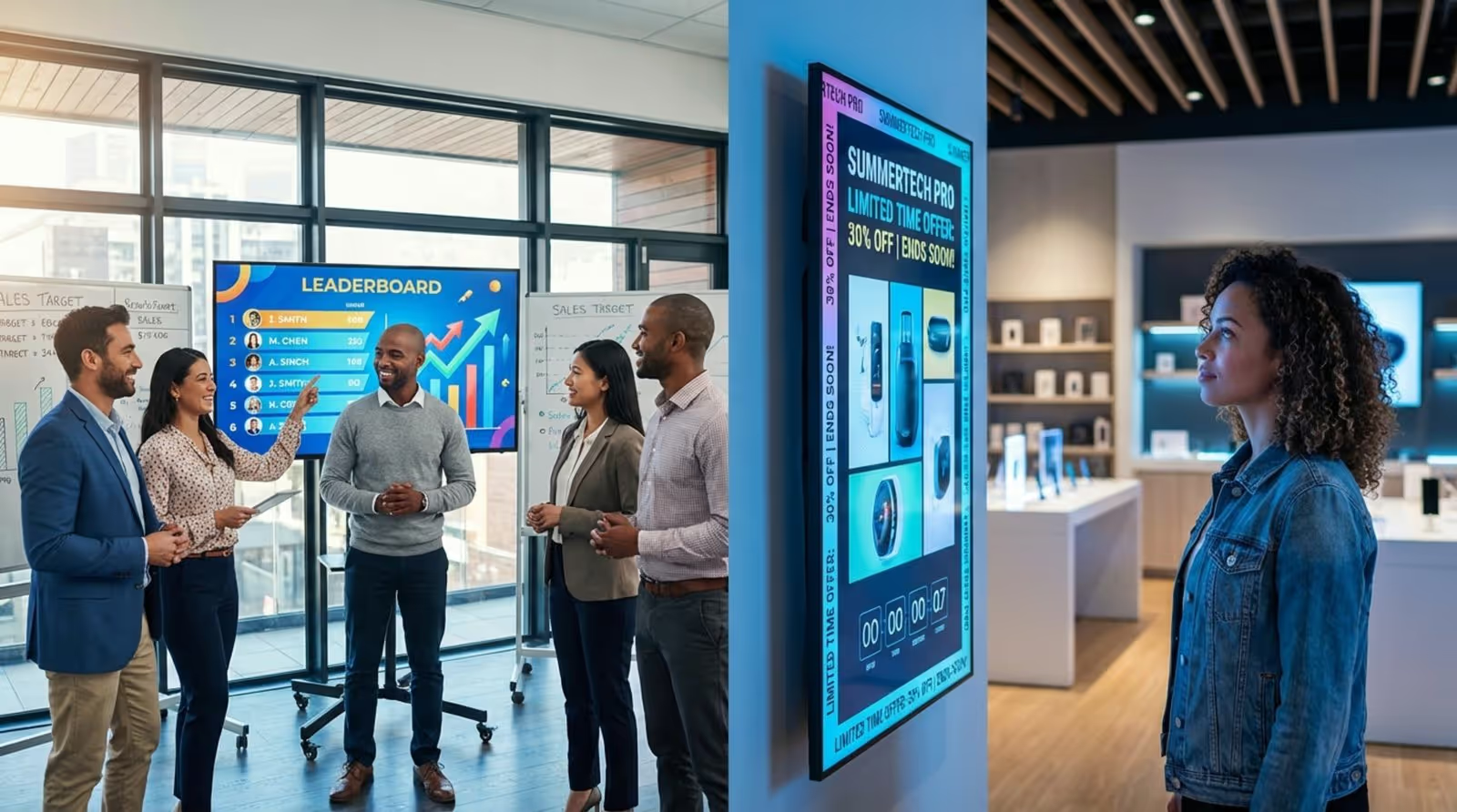
Psychology also drives this trend. Sales professionals often thrive on competition, and live leaderboards displayed on office screens foster a performance-driven culture. On the customer side, dynamic visuals capture attention far better than static print, often influencing purchase decisions on the spot. This dual impact-motivating the team and engaging the customer-makes digital signage a smart investment.
Key Benefits of Digital Signage for Sales Department Success
Improves Internal Communication and Team Collaboration
Internal communication often suffers when emails go unread or meetings run long. Digital signage solves this by placing essential updates in high-traffic areas like break rooms or sales floors. Staff can see policy changes, new incentives, or company news at a glance without interrupting their workflow.
Collaboration improves when everyone views the same goals. Broadcasting a "deal closed" alert or a team win builds unity. It turns individual achievements into shared momentum, keeping the entire department aligned on common targets.
Drives Productivity with Real-Time Visual Dashboards
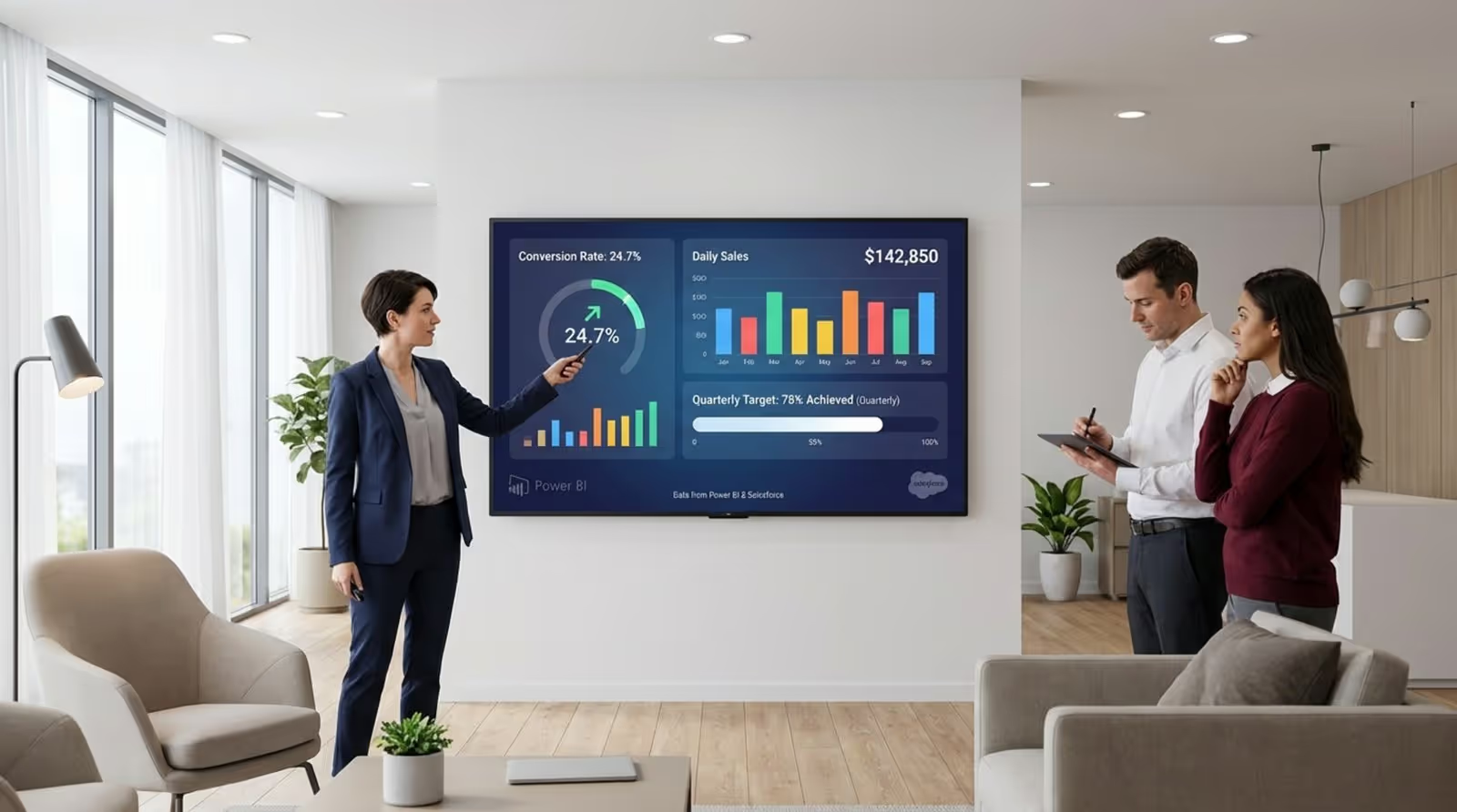
Sales productivity relies on reacting quickly to data. By connecting digital signage to tools like Power BI or Salesforce, you can display live KPIs, such as conversion rates and daily sales figures. Visualizing this data helps the team spot trends instantly rather than waiting for end-of-month reports.
Look CMS supports these integrations, allowing you to embed live dashboards directly into your screen layouts. If a specific product line lags, managers can see it immediately and adjust the strategy. This real-time visibility turns raw numbers into actionable insights.
Makes Sales Training and Onboarding More Efficient
Onboarding new hires consumes time and resources. Digital signage supports this process by displaying training videos, product demos, and best practices on screens in common areas. This creates a passive learning environment where new staff absorb product knowledge naturally.
When products or pricing change, keeping the team updated is critical. Digital signage allows you to push update videos or feature highlights to all locations instantly. This ensures every salesperson, regardless of tenure, has the most current information before speaking with clients.
Boosts Team Morale Through Performance Recognition
Recognition is a powerful motivator. Staff who feel valued are more likely to perform at a high level. Digital screens provide a perfect stage to celebrate top performers, work anniversaries, or record-breaking deals. A "Salesperson of the Month" spotlight can significantly boost morale.
Public recognition creates a positive loop. When team members see success celebrated openly, it reinforces that their efforts matter and encourages healthy competition. This shifts the atmosphere from high-stress to high-energy.
Shortens Sales Cycles and Raises Conversion Rates
In retail and showroom settings, digital signage supports the sales process by answering customer questions before staff even approach. Screens displaying product comparisons, reviews, or demonstration videos build trust and educate the buyer. Informed customers often make decisions faster.
Using Look Digital Signage, you can use smart scheduling to ensure the right content plays during peak traffic hours. When screens address common objections or highlight value, salespeople can spend less time explaining basics and more time closing the sale.
Keeps Messaging Consistent Across Locations
For businesses with multiple branches, maintaining brand consistency is a challenge. Digital signage eliminates the risk of outdated posters or conflicting offers. A sales director can manage all screens from one cloud-based dashboard, pushing a new campaign to every location simultaneously.
This remote management capability ensures that every customer receives the same message and every sales team works with the same promotions. It simplifies operations and protects brand integrity across the network.
How Digital Signage Influences Sales Performance and Customer Behavior
Increases Engagement at the Point of Sale
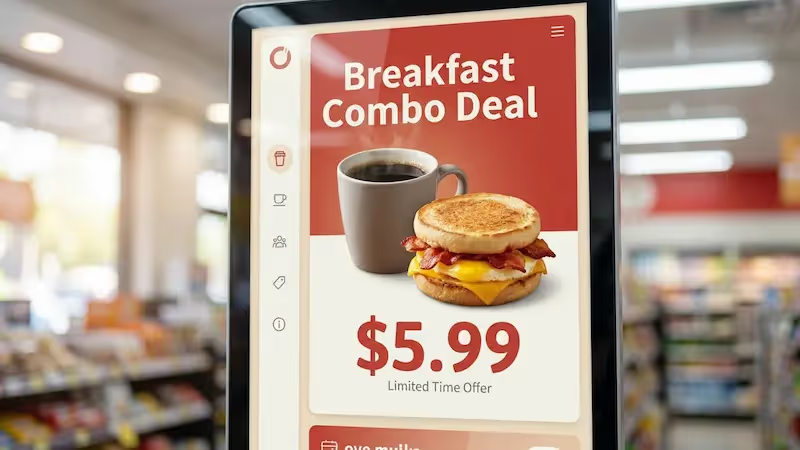
The point of sale (POS) is critical for revenue. Digital screens near checkout counters use motion and bright visuals to capture attention during the final moments of the shopping journey. This keeps the brand top-of-mind and can trigger last-minute additions to the basket.
Retailers can use these screens to reduce the perceived wait time while highlighting loyalty programs or limited-time offers. Keeping the customer engaged right up to the transaction improves the overall experience.
Supports Upselling and Cross-Selling
Digital signage acts as a silent selling partner. It can suggest complementary items-like pairing a wine with a specific cheese or a case with a new phone. Visual suggestions are often less intrusive than a sales pitch but highly effective at driving impulse buys.
In food service or retail, screen layouts can feature high-margin items alongside standard offerings. Because the suggestion is visual, customers process it quickly, often leading to a higher average order value.

Personalizes Experiences in Retail and Corporate Settings
Modern digital signage allows for context-aware content. You can schedule specific messages based on the time of day or day of the week. A store might promote umbrellas during a rainy week or lunch specials during midday foot traffic.
In corporate offices, welcome screens in the lobby can be customized for visiting clients. Displaying a personalized greeting demonstrates attention to detail and professionalism, setting a positive tone for sales meetings.
Makes Waiting Feel Shorter for Customers
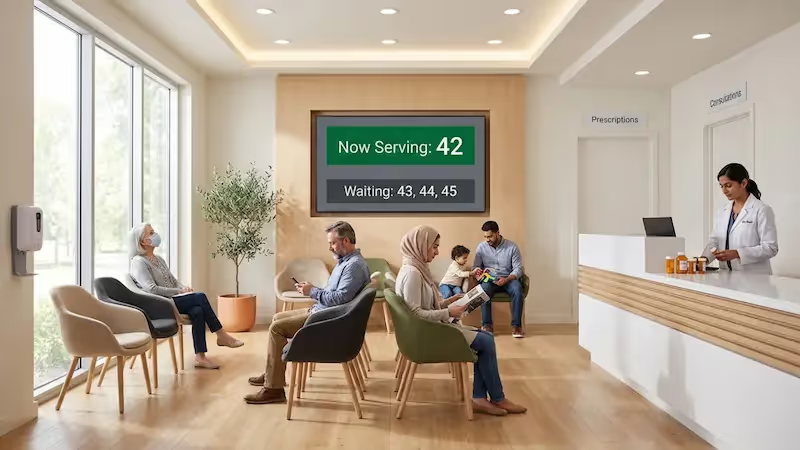
Waiting in line is a common friction point. Digital signage mitigates this by providing "infotainment"-content that entertains or informs. When customers watch a screen, their perceived wait time decreases.
By displaying engaging content, you improve customer satisfaction scores. A happier customer is more likely to complete a purchase and return in the future, supporting long-term sales growth.
Leveraging Data: Using Digital Signage to Drive Sales Decisions
Visualizing Key Sales Metrics in Real Time
Digital signage excels at simplifying complex data. Instead of burying metrics in reports, screens can display clear charts showing "Win Rates" or "Revenue vs. Target." This makes data accessible and urgent.
With Look CMS, you can use integrations to pull this data automatically. Seeing live metrics encourages accountability and helps the team focus their energy on the activities that move the needle.
Improving Forecast Accuracy and Target Tracking
Live data visibility helps teams track progress against quotas accurately. Sales leaders can see exactly where the team stands at any moment, preventing end-of-quarter surprises. If the numbers are off, the team can pivot immediately.
Visible progress bars toward shared goals foster a sense of collective responsibility. It reminds every team member that their daily actions contribute to the larger objective.
Integrating Sales Tools with Digital Signage Platforms
To maximize efficiency, your signage should talk to your software stack. Through tools like Zapier or direct API access, Look Digital Signage connects with CRMs and other platforms. When a deal is marked "Closed" in your system, the screen can automatically trigger a celebration animation.
This automation keeps content fresh without adding administrative tasks to the sales team's workload. The system runs in the background, supporting operations seamlessly.
Gaining Insights through Analytics and Performance Tracking
Effective digital signage is data-driven. Playback analytics and proof-of-play reports show you exactly what content played and how often. This helps managers verify that promotional campaigns ran as scheduled.
By analyzing this performance data alongside sales figures, you can refine your content strategy. Testing different messages and layouts allows you to optimize your screens for better ROI over time.
Digital Signage Content Strategies for Sales Teams
Content Ideas for Corporate Sales Departments
Corporate screens should focus on alignment and motivation. Consider these practical examples:
- Live Leaderboards: foster friendly competition.
- Goal Progress Bars: visualize quarterly targets.
- Client Success Stories: remind the team of the value they deliver.
- Internal Announcements: share policy updates or events efficiently.
Content Ideas for Retail Sales Departments
Retail content must drive action. Effective strategies include:
- Flash Sales: create urgency for time-sensitive deals.
- Product Demos: explain features visually to reduce questions.
- Social Proof: display reviews or user-generated content to build trust.
- Inventory Alerts: highlight low-stock items to encourage purchase.

Best Practices for Content Rotation and Scheduling
Static content becomes invisible over time. To keep screens effective, update visuals regularly. Look CMS offers smart scheduling features that let you automate these changes. You can set specific playlists for mornings, afternoons, or weekends to match customer demographics.
Adjust content length based on the location. Hallway screens need short, punchy messages (3-5 seconds), while break room or waiting area screens can support longer videos. Matching the content to the "dwell time" of the viewer is key.
Types of Content That Motivate and Inform Sales Teams
Beyond numbers, use screens to inspire. "Success Stories" detailing how a complex deal was won provide valuable learning opportunities. Motivational quotes or industry news tickers keep the energy up and the team informed.
Educational snippets, like a "Tip of the Week" or competitor analysis, help sharpen skills. Delivering bite-sized training content throughout the day keeps the team prepared without requiring formal meetings.
Implementing Digital Signage in Sales Departments: Step-by-Step
Choosing the Right Display Hardware for Your Needs
Hardware selection depends on your environment. For corporate sales floors, standard professional displays (40-55 inch) are usually sufficient for dashboards. They should be clear and positioned for maximum visibility.
In retail, brightness and durability matter more. Commercial-grade screens designed for 24/7 operation are recommended. Look Digital Signage is hardware-agnostic, meaning you can use the Look App on supported screens you already own, or use the Look Player to turn any TV into a smart signage display.
Setting Up a Digital Signage Content Management System
The CMS is the engine of your signage network. It should be intuitive enough for non-technical staff to use. Look CMS provides a cloud-based interface where you can drag and drop media, use ready-made templates, and organize playlists without complex training.
Cloud-based systems are ideal for sales teams because they allow for remote updates. A manager can adjust a pricing display or update a leaderboard from anywhere, ensuring the screens are always accurate.
Integrating Digital Signage with Existing Sales Software
Connect your screens to your data sources early in the process. Linking your CRM to your signage platform via APIs or integrations automates the flow of information. This ensures your dashboards reflect reality without manual data entry.
With automated updates, the screens become a reliable source of truth for the sales team, driving trust in the system and keeping performance visible.
Real-World Examples of Digital Signage Driving Sales Department Success
Sales Office Digital Dashboards: Increasing Visibility and Motivation
High-performing sales offices often replace whiteboards with digital dashboards to great effect. By making KPIs constantly visible, teams report better focus on revenue-generating activities. The transparency ensures everyone knows where they stand, stabilizing performance across the group.
Retail Environments: Boosting Engagement and Sales with Interactive Displays
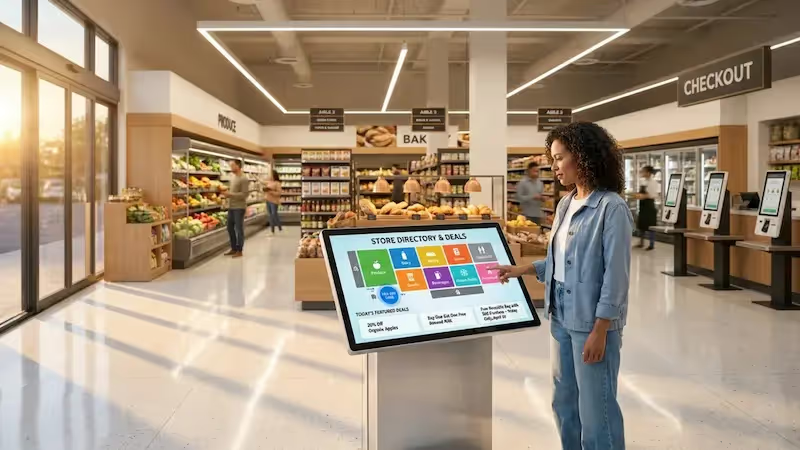
Retailers using "Lift and Learn" technology connect physical products to digital screens. When a customer picks up an item, the screen triggers specific content about features and benefits. This interactive approach educates the customer and provides the retailer with data on which products attract the most interest.
Success Stories in Action
Florin Partners, a real estate brokerage, utilized window screens to display live listings and infographics. This strategy attracted passersby and established the brand as modern and tech-forward. Internally, vertical screens displayed key stats to keep agents aligned.
Railway Furnishers transitioned from manual USB updates to a cloud-based system. This allowed their marketing team to deploy promotions to all stores instantly, ensuring that pricing and offers were always consistent and relevant to current stock levels.
Maximizing Sales Success with Digital Signage
Actionable Steps to Optimize ROI
To ensure a strong return on investment, define clear goals before deployment. whether you aim to increase up-sells or improve staff morale. Place screens in high-traffic zones where they cannot be ignored.
Use the analytics tools in Look CMS to track performance. If a specific layout or message isn't driving results, test a new variation. Continuous improvement based on data ensures your signage remains a revenue-generating asset.
Future Trends and Opportunities for Sales Departments
The future of sales signage lies in deeper integration and interactivity. Technologies like transparent screens and AI-driven content triggers are becoming more accessible. These tools allow for hyper-personalized experiences that adapt to the viewer.
As these features become standard, sales teams will have even more ways to create memorable customer journeys. The focus is shifting from simple display to creating an immersive brand experience that drives loyalty.
Frequently Asked Questions About Digital Signage in Sales
Is Digital Signage Effective for Small Sales Teams?
Yes. Small teams benefit significantly from the focus and professionalism digital signage provides. A simple setup with one screen running Look Digital Signage can display targets and celebrate wins just as effectively for a team of five as it does for a team of fifty.
What Kind of Content Works Best in Sales Contexts?
Content should be concise and relevant. For internal teams, live metrics and recognition are most effective. For customers, use high-quality visuals, promotions, and reviews. The content must deliver value quickly.
How Is ROI Measured for Digital Signage Initiatives?
ROI can be tracked through sales data and engagement. Monitor the sales performance of products featured on screens compared to those that are not. Internally, track employee engagement levels and goal attainment rates after implementation.
Maximizing Sales Success with Digital Signage
As the line between digital and physical commerce blurs, sales teams using digital signage gain a distinct advantage. They build a more responsive, transparent, and energetic culture. The ability to update messaging in minutes and visualize success in real-time provides an operational edge.
Digital signage also supports sustainability by reducing reliance on printed materials. By switching to a digital platform like Look Digital Signage, businesses save time, reduce waste, and create a dynamic environment that drives sales results.