Table of Content
How can food trucks maximize sales across different times of the day? By using digital signage to automate dayparting, shifting menus, prices, and specials to match the morning rush, lunch crowd, and late-night stops. Instead of rewriting chalkboards, you can schedule targeted content to keep your menu relevant at every stop, saving time and keeping your lines moving.
What Is Food Truck Dayparting With Digital Signage?
Dayparting simply means splitting the day into blocks-morning, lunch, afternoon, and late-night-and matching your menu items to what customers want during those hours. For food trucks changing locations and serving different crowds throughout the day, adjusting quickly is a major operational advantage.

For example, corporate workers grabbing a quick coffee have different needs and budgets than late-night concertgoers. Dayparting helps you serve both groups efficiently, ensuring your menu stays timely while reducing order friction.
How Does Dayparting Apply to Food Trucks?
A food truck might start with breakfast items near office buildings, move downtown for the lunch rush, and park at a brewery at night. Each location brings different cravings. Dayparting lets you display quick items early on, switch to value combos mid-day, and highlight premium options later. You can easily adjust:
- Drink specials
- Bundle deals
- Happy hour pricing
- Theme promos that match the location
Because your truck moves, dayparting helps you sell the right items in the right places during the hours you are open.
What Is Digital Signage Technology?
Digital signage replaces smudged chalkboards and printed signs with dynamic electronic screens. Behind these screens is a cloud-based digital signage software, like Look CMS, which lets you build, schedule, and update your content from a web dashboard. You can be en route to your next stop and update your entire menu with a few clicks, from anywhere, so your screens are ready the moment you open the service window.
Key Benefits of Digital Signage for Food Truck Dayparting
Combining digital signage with a dayparting strategy streamlines your daily operations. It reduces the time spent on manual updates and helps present a polished, professional menu to your customers.
In a crowded food truck scene, clear communication speeds up ordering. Digital signage provides a practical, reliable way to achieve that.
Instant Menu Updates and Real-Time Changes
If you sell out of a popular item or want to push a warm dish when the temperature drops, printed menus slow you down. Cloud-based systems let you swap items, adjust prices, or mark dishes as sold out in minutes. This keeps expectations clear and prevents ordering delays during surprise busy periods.
Boosted Visual Appeal in Varying Light Conditions
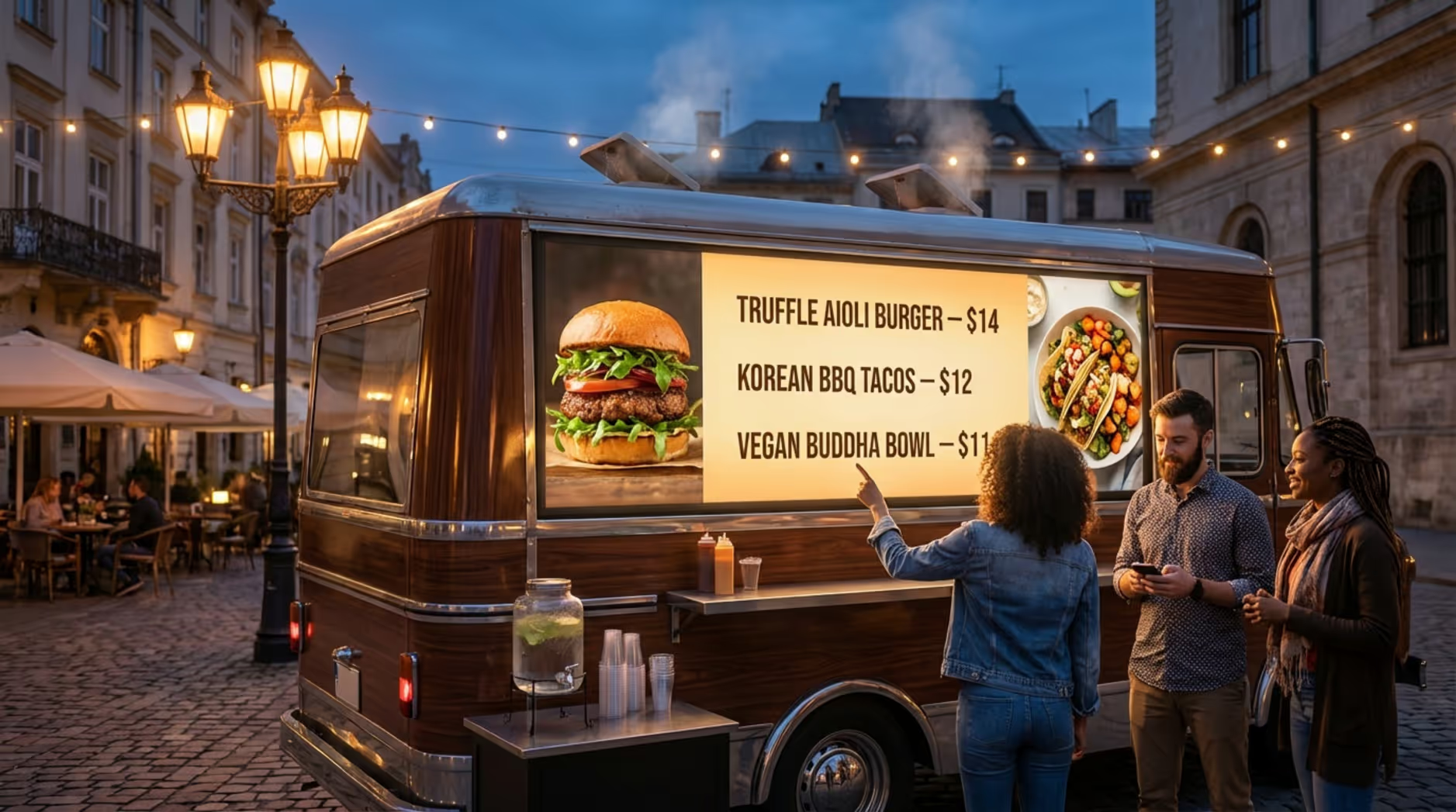
Food trucks operate in bright afternoon sun and dim evening parking lots. Commercial digital menu boards are designed with high brightness (measured in nits) and anti-glare surfaces so your menu stays readable in any lighting. This allows high-quality photos to catch attention from a distance, regardless of the weather.
Reduced Human Error and Increased Accuracy
Handwritten updates often lead to pricing mistakes or forgotten specials, which can frustrate customers and slow down the line. Setting your menu in a digital system ensures it displays exactly as intended. Using features like Smart Scheduling automates these transitions, keeping your menu accurate and letting your staff focus entirely on food prep and service.
Better Customer Attention and Branding
Bright screens naturally draw more eyes than static boards. Displaying sharp food photography, short cooking clips, or a consistent color scheme makes your truck look more professional. This visual consistency helps customers decide faster and builds strong brand recognition wherever you park.
How Dayparting With Digital Signage Improves Food Truck Operations
Using scheduled, time-based menus matches your offerings to customer demand automatically. This targeted approach can often help increase average order values and reduce food waste by focusing on what is most likely to sell at that moment.
It is not just about convenience; it is about running a data-driven service that adapts to the natural flow of your day.
Adapting Menus by Time of Day
Swapping the full menu to match the time block keeps your offerings focused and easy to read. For example:
- 7 AM - 10 AM
- Example menu focus: Coffee, breakfast sandwiches
- 11 AM - 2 PM
- Example menu focus: Burgers, fries, lunch combos
- Evening
- Example menu focus: Small plates, higher-end specials
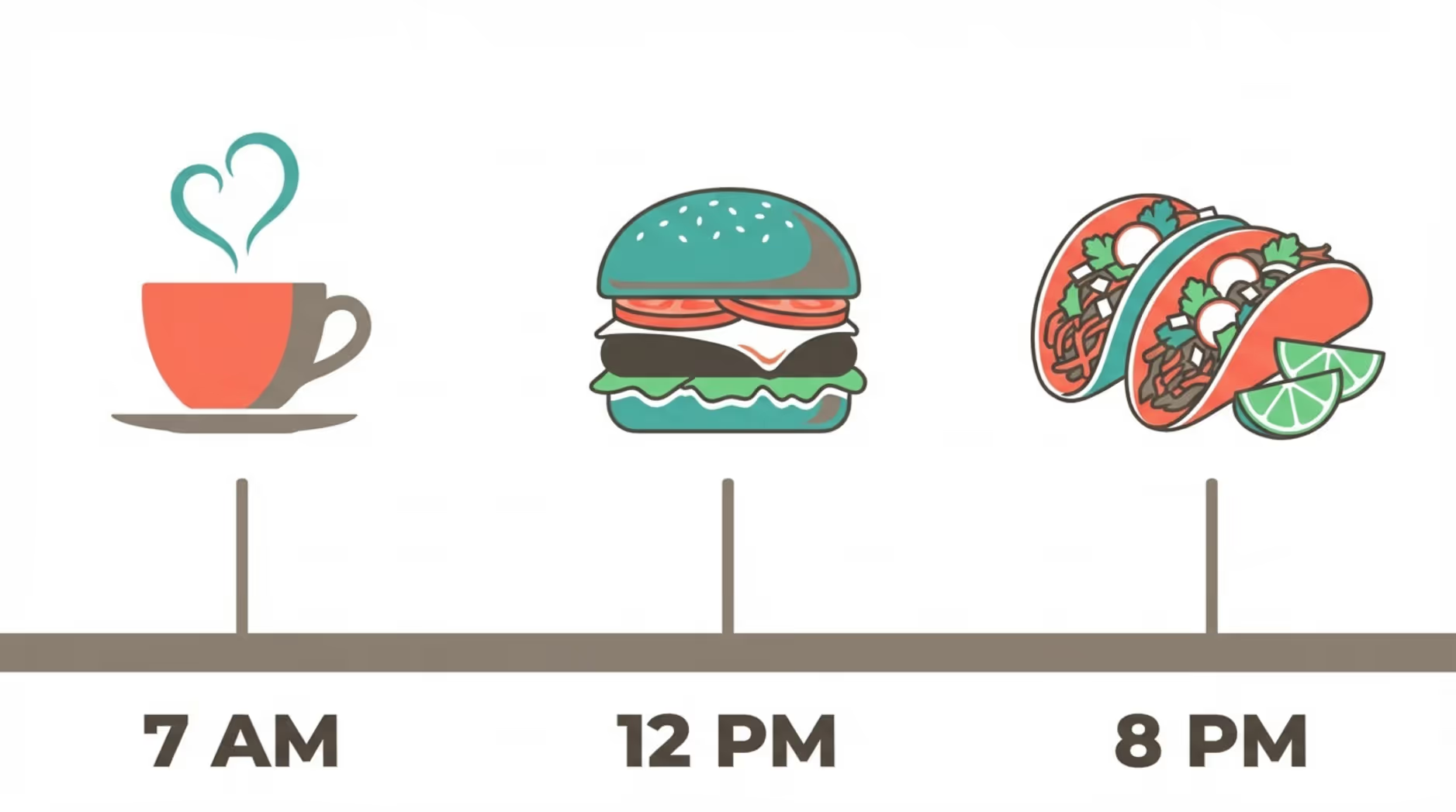
This automated transition helps you prepare inventory for what is coming next, making one truck feel perfectly tailored to every crowd it serves.
Dynamic Pricing and Limited-Time Offers
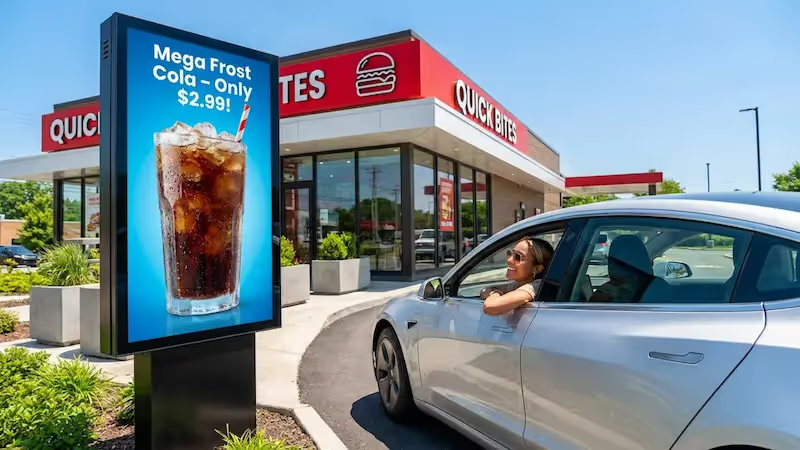
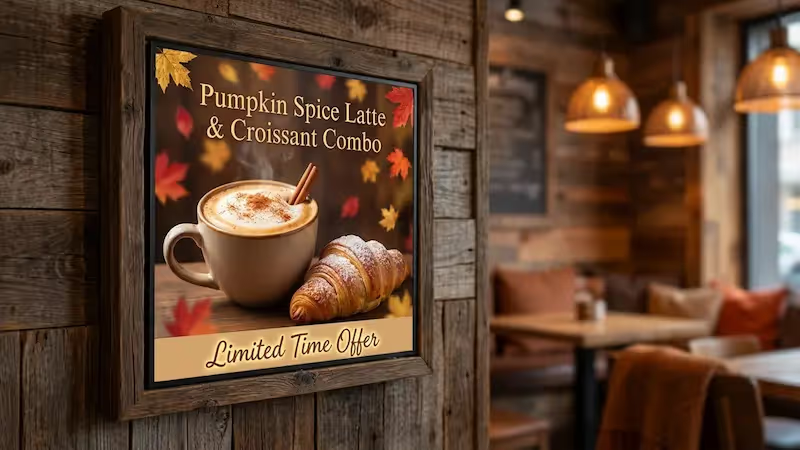
Digital screens make it simple to run quick deals when you need to drive traffic. If the afternoon is slow, you can schedule a limited-time offer. If it is a hot day, feature a cold drink combo.
- Short “2-for-1” item specials
- Happy hour prices during slow periods
- Discounts on items that will not last long
These options help smooth out slow periods and maximize revenue during peak hours.
Optimizing Upsells and Combos by Audience
Digital menus excel at contextual upselling. Instead of a generic prompt, you can schedule offers that fit the current time block:
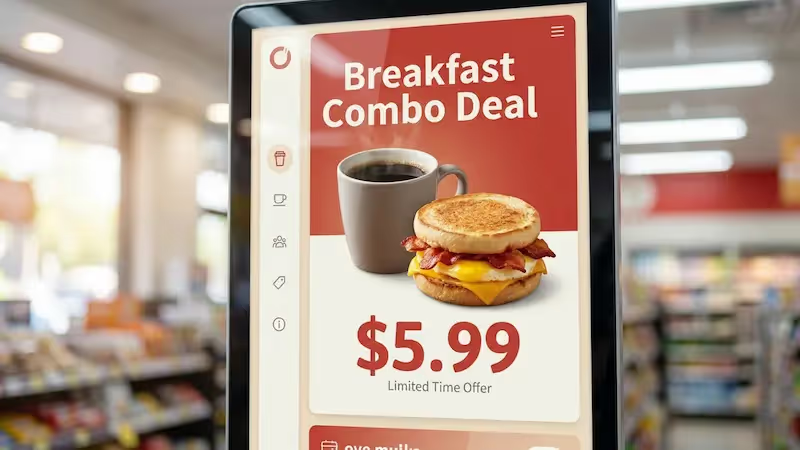
- Breakfast: “Add coffee for $2”
- Lunch: “Make it a meal: fries + drink for $3”
- Evening: “Add guacamole to your tacos”
Because the suggestion fits the moment naturally, it often helps boost the average ticket size without feeling pushy.
Digital Menu Board Content Strategies for Dayparting Success
To get the most out of dayparting, you need content that is easy to read and visually appealing. A strong content plan highlights the right items clearly and keeps your branding consistent across every location.
Without a clear layout, your screens are just bright lights; with the right strategy, they guide the customer smoothly to a purchase.
Creating Daypart-Specific Menus and Specials
Adjust the layout for each time block. Breakfast menus can look bright and fast-paced, while dinner menus might feature darker backgrounds with premium ingredients highlighted. Using Ready-made Templates designed for food service can help you launch these varied looks faster without needing a graphic designer.
Highlighting Social Media and Location-Based Promos
Your screens can also drive ongoing engagement. Consider adding elements like:
- Recent social media posts
- A hashtag for customers to use
- QR codes for location-specific discounts
- A quick prompt asking for reviews
This turns a simple price list into an active communication channel.
Using Visuals and Video to Drive Purchases
High-quality images sell food. Short, subtle videos, like a sizzling grill or steam rising from a bowl, often perform even better. Use gentle animations to draw the eye to your specials, but ensure the core menu text remains clean and easy to scan from the back of the line.
Real-Time Inventory and Sold-Out Alerts
Nothing slows down a line like a customer ordering a sold-out dish. Digital signage allows you to instantly update inventory levels, adding a clear “SOLD OUT” or “Limited Quantity” tag to items. This sets accurate expectations and keeps the line moving smoothly.
Choosing the Right Digital Signage Hardware for Food Trucks
Food trucks are demanding environments. Your hardware must withstand weather, temperature shifts, and constant movement on the road. Selecting the right setup ensures reliable playback when you need it most.
Think about what your screens face daily: sun, rain, dust, and vibration. Your equipment needs to handle all of it.
Display Brightness and Outdoor Readability
Indoor displays are too dim for outside use. For direct sunlight, outdoor commercial screens generally need around 2,500 nits of brightness. Anti-glare coating and wide viewing angles are also essential so the menu remains clear from any angle.
Power Efficiency and Mobile Compatibility
Since trucks rely on generators or batteries, power efficiency is critical. Choose energy-saving displays and compact media players. Equipment that integrates easily with mobile power systems prevents the need for bulky adapters.
Durability Against Weather, Heat, and Vibration
Check IP ratings for dust and water resistance. Commercial displays handle wider temperature ranges than consumer TVs. Since your truck is constantly on the move, sturdy, secure mounting brackets are necessary to withstand the vibrations of driving.
Space Constraints and Mounting Options
Space inside a food truck is tight. Thin screens and small media players simplify installation. Plan exactly where screens will be mounted:
- Outside-facing menus at the service window
- Inside screens for waiting customers
- Secure mounts specifically designed for mobile use
Managing Digital Signage Remotely on the Go
The true value of dayparting comes from software that allows you to manage menus from anywhere. Cloud-based platforms give you the flexibility to adapt without slowing down service.
With the right tools, you spend less time managing screens and more time serving food.
Mobile and Dashboard Controls
A reliable platform lets you manage screens from a single web dashboard. You can update prices, swap playlists, and check screen status from your phone or tablet, keeping you in complete control no matter where you are parked.
Offline Functionality for Low-Connectivity Environments
Food trucks often park in locations with weak cellular coverage. Offline playback is a crucial capability. Once your content syncs to the player, it will continue to play your scheduled menus perfectly even if the internet drops, automatically syncing any new updates when the connection returns.
Multi-Truck Menu Management
If you operate a fleet, managing multiple menus can get complicated. A unified CMS lets you control every truck from one dashboard, ensuring brand consistency while allowing local operators to trigger truck-specific specials.
Practical Tips to Maximize Food Truck Revenue With Digital Dayparting
Treat your screens as dynamic sales tools. Small adjustments to your scheduling, layout, and offers can lead to steady improvements in order volume and customer satisfaction.
Every glance at your screen is an opportunity to clarify choices and increase the ticket size.
Timing Menu Changes for Peak Traffic
Do not wait for the rush to hit before changing the menu. If the lunch crowd arrives at 11:30 AM, schedule your digital menu board to switch at 11:00 AM so early arrivals can decide quickly. Use your sales history to inform these automated shifts.
Testing Offers Based on Customer Response
Use your screens to test different promotions. Compare your sales data and keep the offers that drive the best results. Examples:
- “Coffee + pastry combo” vs. “pastry discount” in the morning
- Different lunch bundle prices
- Rotating “item of the day” during slow periods
Watch your data to see what works, and adjust your playlists accordingly.
Maintaining Brand Consistency Across Dayparts
Even as your menu items change, your overall design should remain recognizable. Keep your fonts, colors, and logos consistent across all daypart schedules to build a strong, reliable brand image that customers recognize instantly.
Addressing Common Questions About Food Truck Dayparting With Digital Signage
Upgrading to digital displays involves practical considerations. Here are the common questions food truck owners ask when planning a switch.
Understanding these elements helps ensure your setup matches how you actually operate.
Can I Update Menus Without Internet Access?
Yes, provided you use software designed with local caching. Once playlists are downloaded to the media player, they will continue to run on schedule without an active connection, updating again once a signal is found.
Is Screen Brightness Sufficient for Direct Sunlight?
Only if you choose the right hardware, standard indoor TVs will wash out. You need commercial outdoor displays rated for high brightness, typically 2,500 nits or more, to ensure visibility on sunny days.
What Are the Costs Involved in Switching to Digital?
Costs include commercial screens, media players, and a software subscription. While the initial hardware investment is higher than printing chalkboards, eliminating ongoing print costs and pricing errors often offsets the expense quickly.
How Fast Can I Change My Menu for a New Daypart?
Instantly. With cloud-based software, you can trigger a new layout or playlist in seconds from your mobile device, allowing you to adapt to sudden changes in stock or weather immediately.
Is Food Truck Dayparting With Digital Signage Right for Your Business?
In a fast-moving environment, clarity and speed win customers. Automating your dayparting with digital signage is a practical step to ensure you are always displaying the right items at the right time, without manual busywork.
Look Digital Signage provides the tools you need to build playlists, automate screen updates, and rely on stable offline playback so your menus never go dark. Over time, reducing manual updates and improving visual appeal can help streamline your operations and clarify your ordering process. Start a free trial to see how quickly you can get your first dynamic menu running, or try it on a demo screen first.