Table of Content
How can bars keep their menus updated and drive more sales without constantly reprinting chalkboards or paper menus? Bar menu boards with digital signage allow you to display dynamic drinks, food, and specials, making it simple to update offerings in minutes, from anywhere. By replacing static signs with cloud-based digital signage software, your bar can run more smoothly, reduce printing costs, and clearly point guests toward high-margin items.
Bar Menu Boards with Digital Signage: Definition and Purpose
Digital signage refers to electronic screens that show information, promotional media, and other content. In a bar setting, this becomes a digital bar menu board-a screen that displays your drinks, food, and specials clearly and professionally. These are typically commercial-grade displays built for reliable playback over long hours in varying lighting conditions. Paired with digital signage software, they allow you to manage your screens remotely and leave printed menus in the past.
What are digital bar menu boards?
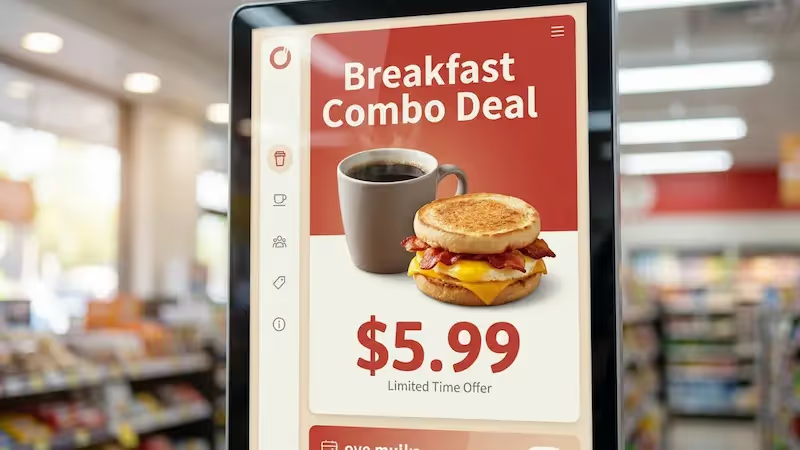
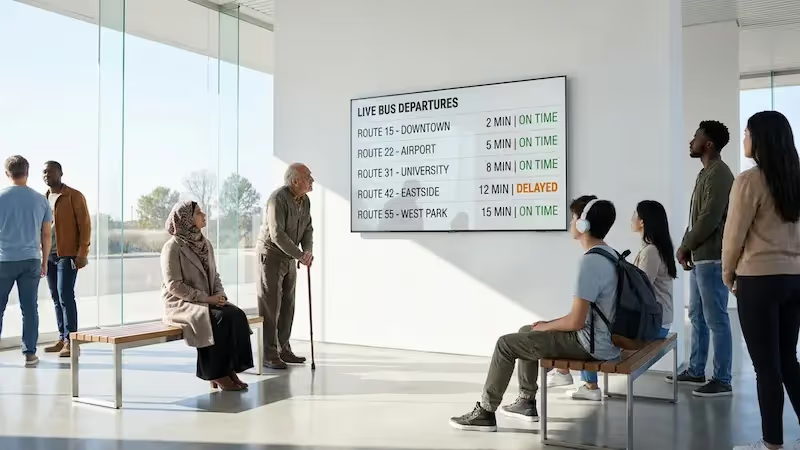
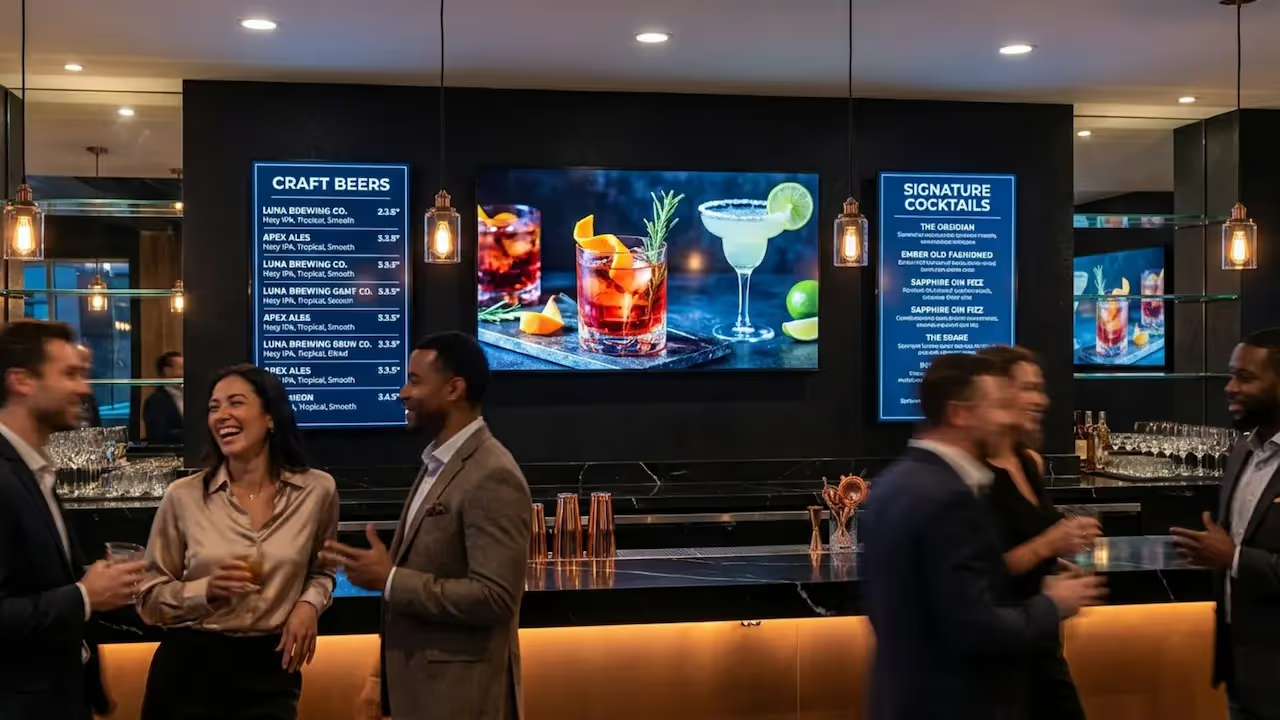
A digital bar menu board is an electronic display that lists your offerings. This can be a single screen or a multi-screen network placed behind the bar or in high-traffic areas. Because it is digital, you can present crisp text, appealing visuals, and real-time updates without the hassle or cost of reprinting.
How does digital signage enhance the bar experience?
Digital signage does more than just list prices; it improves the overall atmosphere. Instead of a static board, you can build a playlist of high-quality photos, subtle motion graphics, or short videos that capture attention. It also provides a dedicated space to promote:
- Daily specials
- Happy hour deals
- Events and themed nights
- Live music schedules
This keeps your messaging consistent and ensures your space feels current and engaging for your guests.
Does Digital Signage Make Sense for Your Bar?
Yes. Digital signage is a strong fit for almost any physical location, from small neighborhood pubs to busy nightclubs and breweries. Bars require speed, atmosphere, and the flexibility to adapt to changing inventory. Digital menu boards give you simple control over what guests see right at the point of decision, ensuring your menu is always accurate and easy to read.
Key Benefits of Digital Menu Boards for Bars
Digital menu boards can help optimize how your bar looks, how efficiently your staff operates, and how effectively you prove ROI through sales.
Improves visibility and visual appeal
Guests should never have to squint at a dark chalkboard. Digital boards remain bright and readable in the dim, mixed lighting typical of hospitality venues. With flexible screen layouts, you can dedicate specific zones on the screen to high-quality photos of signature cocktails or seasonal pours, turning your menu into a visual asset.
Speeds up menu updates and promotions
Digital signage is built for fast adjustments. If a keg kicks, you can remove the beer from the screen instantly. If you need to push a new seasonal cocktail, you can add it in minutes. With Smart Scheduling, you can automate your displays to match your operations, such as:
- Happy hour menu from 4 PM to 7 PM
- Late-night menu after 10 PM
- Weekend specials on Friday-Sunday
Increases upselling opportunities
Strategically placed screens can help raise the average check. You can position your highest-margin items where they are noticed first, or gently suggest add-ons without relying entirely on staff to upsell during a busy rush. Examples include:
- Upgrade to a premium spirit
- Add an extra shot
- Pair a drink with an appetizer
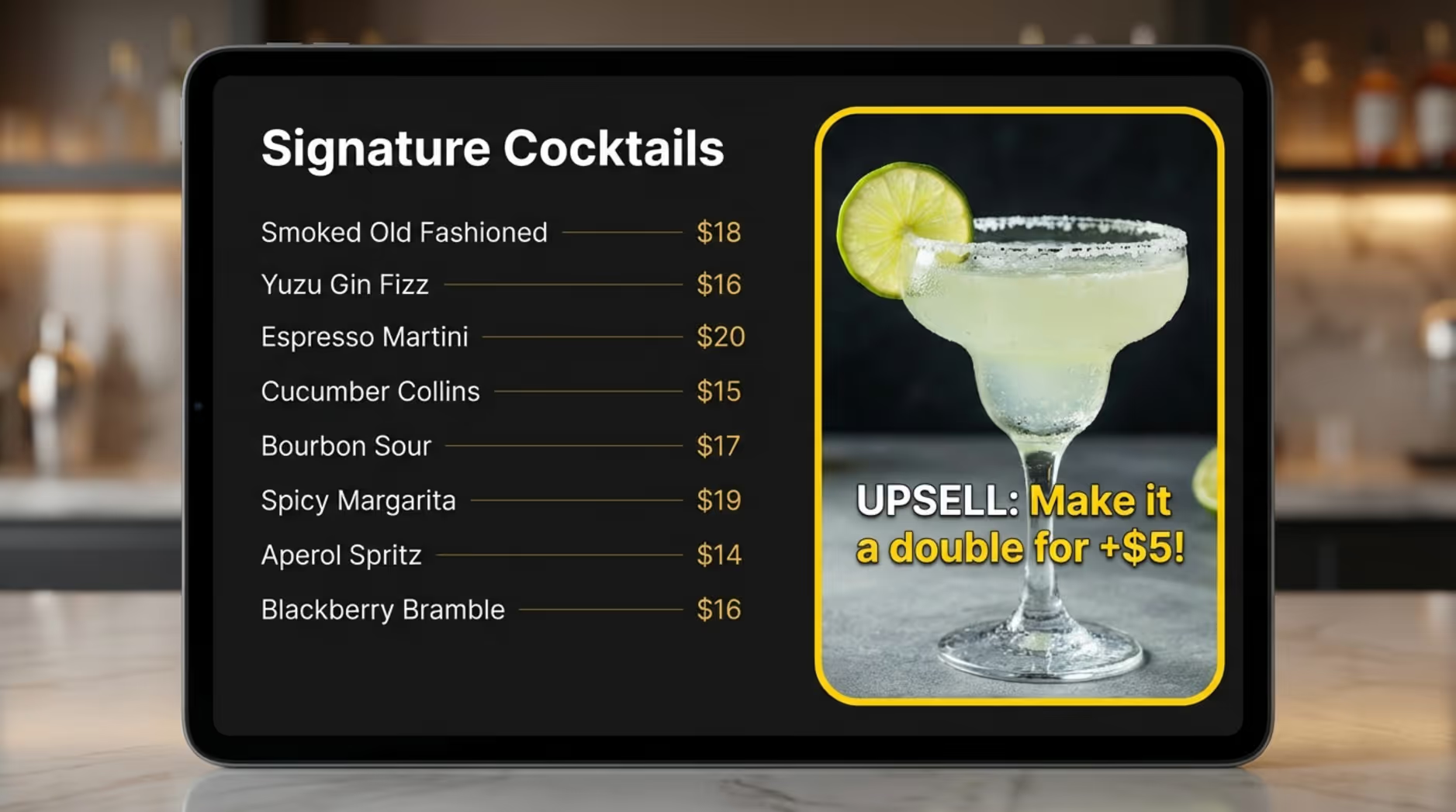
Because the platform is easy to adjust, you can test different promotions to see what resonates with your audience.
Reduces operational costs
While installing screens requires an initial investment, you often save money long-term by eliminating printing and shipping costs for physical menus. Remote updates also save your staff hours of manual work, allowing them to focus on serving guests rather than erasing and rewriting boards.
Supports compliance with pricing and regulations
Keeping prices and required information accurate can be difficult with printed materials. Digital boards simplify this. You can correct a price in seconds, and if local regulations require you to display specific details, like ABV or nutritional info, you can add it clearly without a complete redesign.
Types of Digital Bar Menu Boards and Signage Solutions
There are several hardware setups to choose from, allowing you to match your bar’s layout and budget.
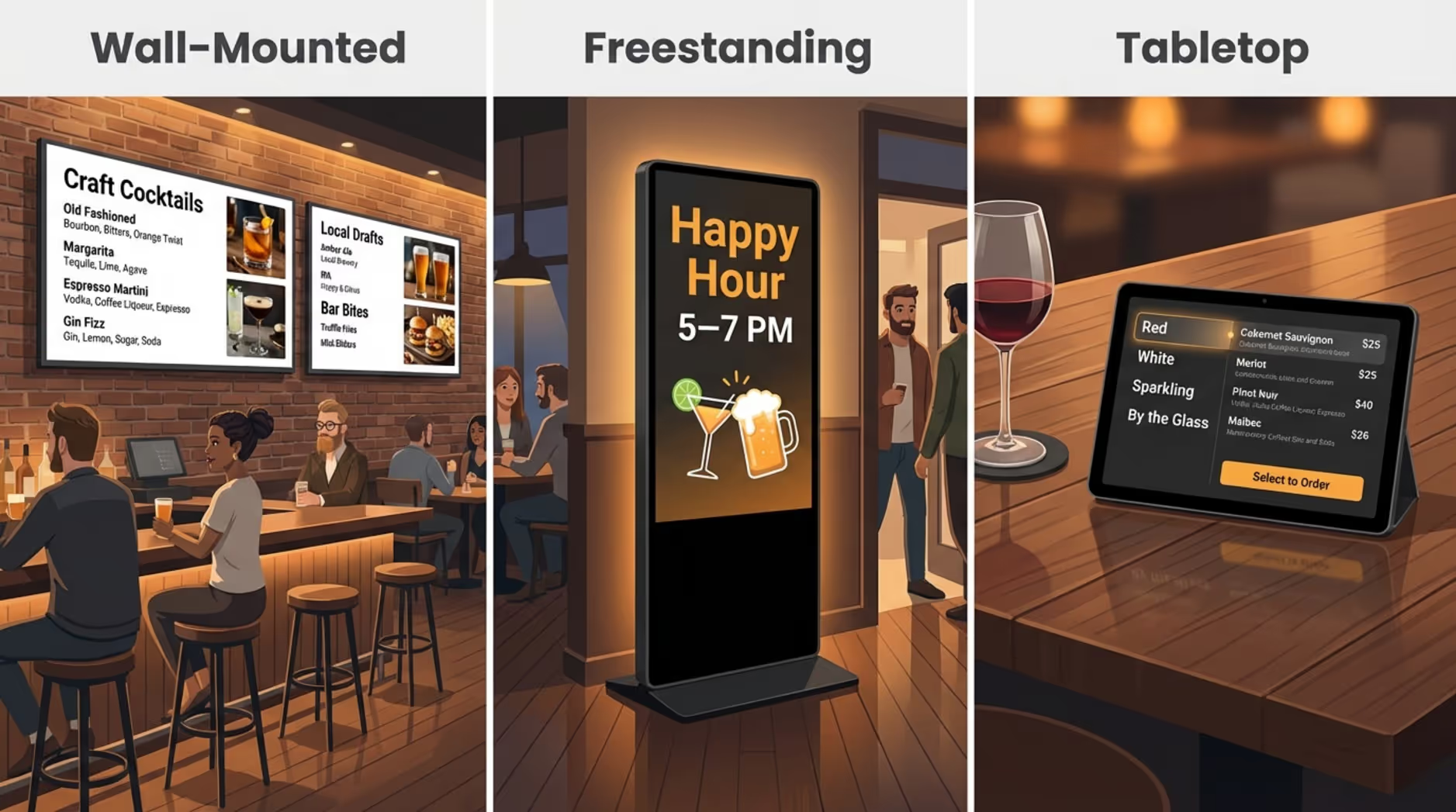
Wall-mounted digital menu screens
These are the most common setups: screens mounted securely behind the bar or above the ordering counter. They work perfectly for full menus, current specials, and branded visuals that need to be seen from across the room.
Freestanding and tabletop displays
You can also place screens closer to the guest:
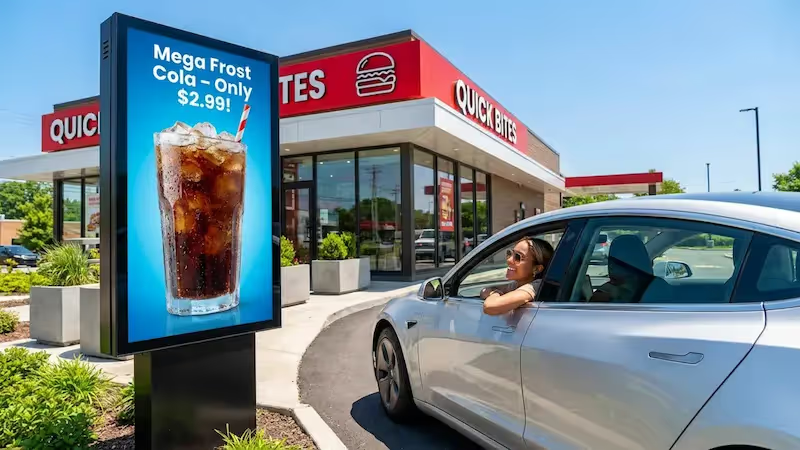
- Freestanding displays can be placed near entrances to share daily specials and draw foot traffic.
- Tabletop displays sit on the bar or tables for close-up viewing, ideal for extensive wine lists or interactive catalogs.
Interactive digital menu boards
Interactive scenarios give guests a way to engage directly. While full touchscreen menu boards behind a bar are rare, utilizing QR codes on your main screens is highly effective. Guests can scan a code to:
- View a detailed, mobile-friendly menu
- Order directly from their phone (if integrated with your POS)
- Join a loyalty program
Hybrid and illuminated menu boards
Hybrid setups combine digital screens with static printed panels. A central screen might cycle through dynamic promos, while side panels permanently list staple items. When paired with the right lighting, this provides a clean, professional look.
Essential Features to Look for in Bar Digital Menu Boards
When selecting a digital signage software, focus on stability and ease of use so your team can actually manage it without IT headaches.
Easy content management and scheduling
A reliable system relies on a cloud-based platform like the Look CMS. You need to be able to build playlists, upload media, and set schedules quickly. Key capabilities should include:
- Uploading photos and videos in minutes
- Building recurring playlists
- Scheduling content by specific dates, days, and times
POS system integration
Integrating your digital menu with a modern POS system saves massive amounts of time. When you change a price or mark an item out-of-stock in the POS, an API connection can update your screens automatically. This keeps your pricing consistent and prevents guests from ordering unavailable items.
High-definition commercial-grade screens
While consumer TVs might seem tempting, commercial screens are designed for the rigors of a business environment. They offer better brightness, handle long operational hours, and provide the reliable playback needed to keep your screens running seamlessly.
Ready-to-use digital signage templates
If you don't have an in-house designer, look for a platform that provides a head start. For example, Look Digital Signage offers a library of Ready-made Templates. You can simply select a menu layout that fits your bar, customize the text and colors to match your brand, and publish it without starting from scratch.
Remote updates and cloud accessibility
Cloud-based software means you can manage your screens from anywhere. If you are off-site and a manager tells you a popular beer just sold out, you can log in, update the menu, and push the changes to the screens instantly.
Multi-location and scalable capabilities
Your software should scale smoothly. Whether you operate one local taproom or a franchise with dozens of locations, you need a system that lets you group screens, manage regional menus, and monitor uptime from one central dashboard.
How Bar Digital Signage Works: From Setup to Daily Use
Rolling out digital signage doesn't have to mean a complex setup. The process generally follows a few clear steps.
Selecting the right hardware and software
You will need:
- Displays (commercial monitors or smart TVs)
- A media player (the device that connects to the screen and caches the content)
- A CMS platform to manage what plays on the screens
Look Digital Signage is designed to make this hardware choice simple. You can install the free Look App on compatible devices you already own, or use the plug-and-play Look HDMI Player for incredibly reliable, dedicated playback.
Designing menu layouts and visuals
Next, you arrange your content. Using Screen Layouts, you can divide your display into different zones-one for the text menu, one for a rotating image of your specials, and one for a QR code. Keep the design clean, use high-contrast colors suited for dim lighting, and ensure your fonts are legible from a distance.
Uploading, scheduling, and updating menu content
Once your design is ready, you upload your assets into the CMS. With Smart Scheduling, you can plan your content calendar in advance. Set your weekend promos to automatically go live on Friday afternoon, and revert to the standard menu on Monday morning.
Monitoring performance and customer engagement
Digital signage should support data-driven decisions. By tracking which highlighted items sell best, you can refine your playlists. Features like Playback Analytics help you verify operational consistency and prove the ROI of your screen network.
Integration with POS and Other Bar Management Systems
Connecting your screens to your operational tools turns your digital signage into an automated extension of your bar.
How does digital menu board POS integration work?
Integration creates a bridge between your inventory data and your displays. When a change occurs in the POS, the digital signage software pulls that data and updates the screen layout in real time. This ensures that what the guest sees perfectly matches what the bartender rings up.
Benefits of menu syncing and real-time price changes
Syncing your menus provides immediate operational value:
- Accurate pricing
- What it means for your bar: Guests see the right price every time, which reduces confusion and complaints.
- Less manual work
- What it means for your bar: Staff spend less time updating boards and more time serving customers.
- Fast reaction
- What it means for your bar: You can adjust for sold-out items or launch flash deals quickly.
- Easier compliance
- What it means for your bar: Displayed pricing and details stay current across all your screens simultaneously.
Popular Content Strategies for Bar Menu Boards
The right content strategy guides customer behavior, reinforces your brand, and keeps the atmosphere engaging.
Highlighting specials, happy hours, and events
Digital screens make promotions unmissable. You can dedicate a bright, high-visibility zone on your screen specifically for rotating events. This is ideal for:
- Happy hour promos
- Game-night deals
- Theme nights
- Live music or DJ schedules
Promoting signature cocktails and upsells
Use high-quality images to put your best, most profitable drinks front and center. A great photo of a signature cocktail does the selling for you. Pair these visuals with subtle upsell prompts like "Make it a double" or "Ask about our seasonal draft."
Showcasing rotating taps and seasonal offerings
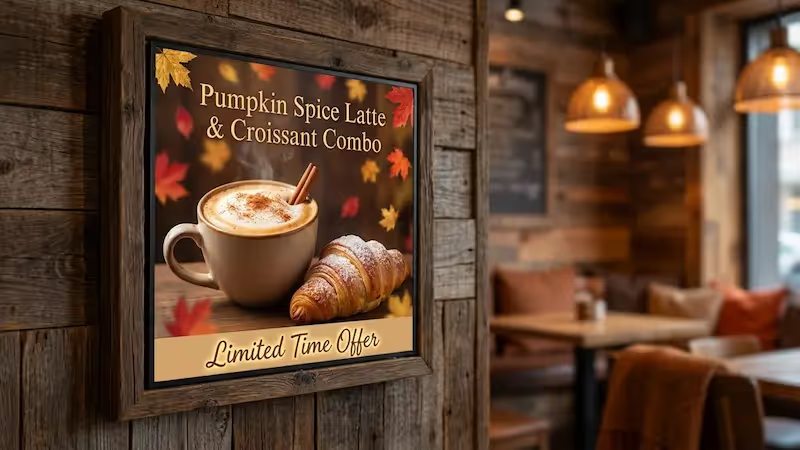
If your bar rotates craft beers frequently, digital boards are a necessity. You can update new kegs and tasting notes in seconds. Highlighting seasonal offerings keeps the menu fresh and gives regulars a reason to try something new.
Incorporating branding and high-quality imagery
Your screens should feel like a natural part of your venue. Use your logo, consistent brand colors, and professional photography of your actual drinks and space. Clean, branded visuals build trust and elevate the perceived value of your offerings.
Best Practices for Effective Digital Menu Board Design in Bars
Even the most advanced software requires a sensible design to be effective. Clarity is your primary goal.
Optimizing menu layout for readability
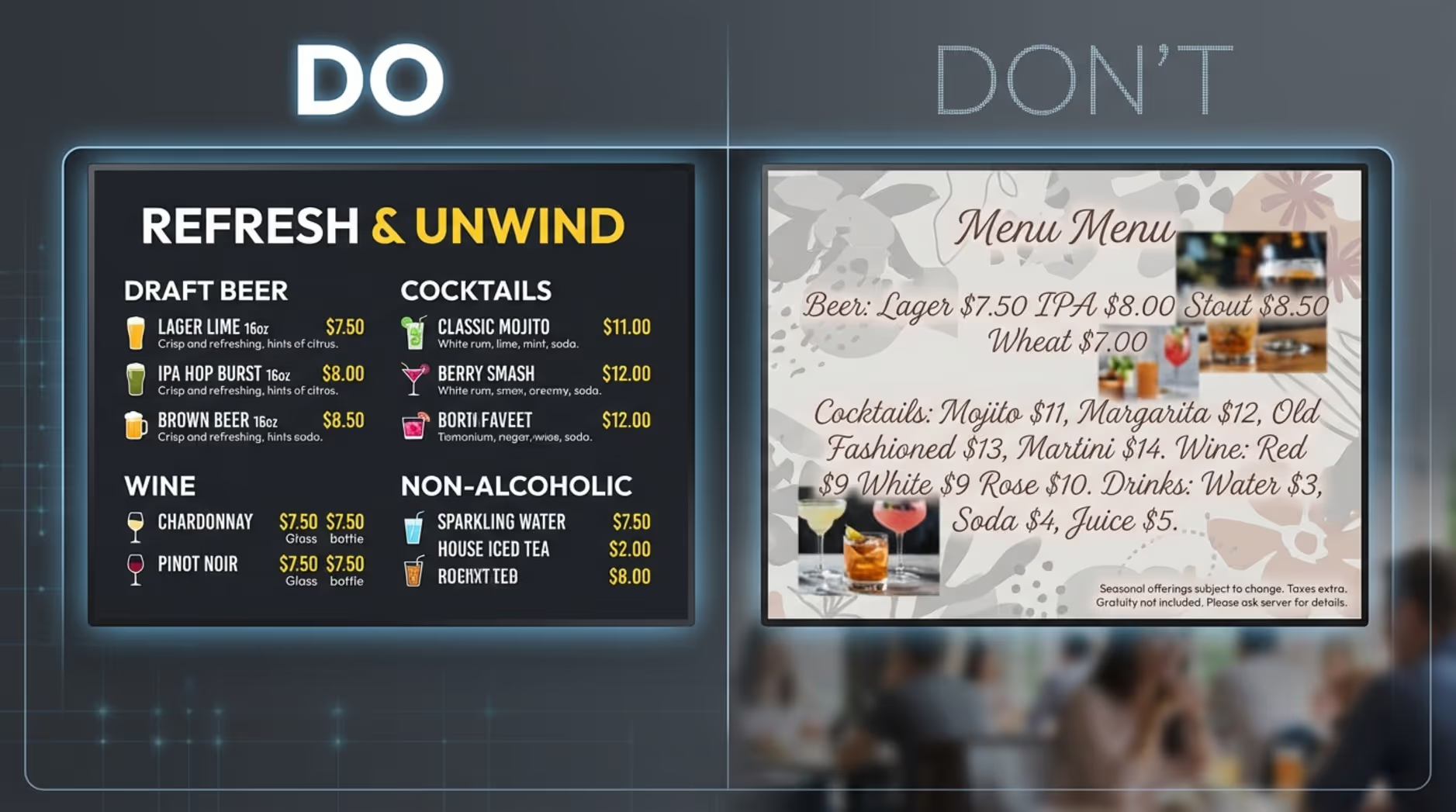
Keep your layouts structured. Group items logically into sections: Draft Beer, Wine, Signature Cocktails, and Snacks. Use concise descriptions. If your menu is large, don't cram it onto one screen-use a multi-screen setup or rotate the menu on a steady schedule so the font size remains large enough to read.
Selecting color schemes and fonts for nightlife environments
High contrast is vital. Dark backgrounds with bright, white, or yellow text often work best in dimly lit bars. Stick to clean, sans-serif fonts. Avoid overly thin or complicated script fonts that become illegible from ten feet away.
Animation and eye-catching transitions: when and how much?
Motion draws the eye, but too much motion is distracting. Use light animations simply to draw attention to a new item or to transition between promo slides. The core menu text should remain static and easy to read so it doesn't frustrate a guest trying to order.
How to Choose the Right Digital Menu Board Solution for Your Bar
Selecting a digital signage platform should come down to stability, ease of use, and whether the provider understands real-world business needs.
Questions to ask digital signage providers
Before committing, ask providers:
- Hardware: Are there options for commercial-grade, plug-and-play players?
- Software: Is the CMS intuitive enough for non-technical staff to use?
- Scheduling: Does the platform support advanced, automated scheduling?
- Templates: Are there built-in layouts to help us launch faster?
- Offline Playback: Will the screens keep playing if the venue's internet drops?
- Growth: Is the pricing clear as we scale from one screen to many?
Considerations for installation, support, and scalability
Look Digital Signage is an ideal solution for hospitality teams because it removes the technical friction. You can easily create content using free templates, set schedules, and publish to your displays in minutes. With reliable features like offline playback, you can trust that your menus will stay visible even if your bar's Wi-Fi fluctuates. Plus, as your business grows, Look’s straightforward dashboard allows you to manage everything from a single location.
Real-World Examples and Success Stories
Digital menus consistently prove their value across the hospitality sector by solving fundamental operational bottlenecks.
Bar digital menu board case studies
Bars, breweries, and fast-casual dining spots that adopt cloud-based digital signage regularly report improved guest engagement. By showcasing rotating images of high-margin items alongside clear pricing, managers can optimize sales on the fly. Furthermore, multi-location operators leverage remote management to ensure every venue is running the correct, brand-approved promotional campaigns simultaneously.
Customer testimonials and bar owner insights
Operators who move away from static menus frequently highlight:
- Faster, stress-free menu updates
- Easier promotion of time-sensitive happy hours
- A sharper, more modern aesthetic
- Increased attention on featured items
- Higher average order values
- Eliminated printing costs and wasted staff time
Common Questions about Bar Menu Boards with Digital Signage
If you are considering the switch, here are straightforward answers to common concerns.
Do digital menu boards increase bar sales?
While no tool can guarantee a specific financial outcome, data-informed operators often see an increase in sales for items promoted on screen. Better visibility, automated upsell prompts, and the ability to instantly highlight high-profit inventory make it much easier to guide customer purchasing decisions.
How much does a digital menu board system cost?
Costs depend on three main factors:
- The displays (commercial screens have a higher upfront cost but last longer)
- The media players
- The digital signage software subscription
Many platforms offer straightforward per-screen pricing, allowing you to start small and scale smoothly. The initial investment is frequently offset by the long-term savings from eliminating printed menus.
How often can you update digital bar menus?
As often as you need to. With a cloud-based CMS, updates happen in real time. You can adjust a price from your laptop or phone and see it reflected on your bar's screens in minutes. You can also automate changes so that daily specials update themselves.
Are digital menu boards worth it for small bars?
Absolutely. Small bars benefit greatly from operational efficiency. If you run a lean team, the ability to update a rotating tap list remotely or automate your happy hour display saves valuable time, keeping your staff focused on the guests rather than the chalkboard.
Conclusion
Bar menu boards with digital signage are far more than digital posters; they are an active tool for communication and sales. By moving to a reliable, cloud-based platform, you equip your team with the ability to update messaging in minutes, ensure pricing is always accurate, and create an engaging environment for your guests. As hospitality continues to evolve, taking control of your screens is a simple, effective way to keep your operations running smoothly and clearly prove ROI.