Table of Content
How can theme parks keep guests entertained and informed during long waits? Digital signage turns frustrating queues into an extension of the ride story by delivering real-time updates, interactive games, and clear directions right to the waiting line. By replacing static signs with dynamic screens, you can reduce perceived wait times, improve guest satisfaction, and keep your operations running smoothly before riders even board.
Theme Park Queues: Challenges and Guest Expectations
What Factors Make Theme Park Queues Frustrating?
Queues often feel frustrating because of missing information. If guests do not know the real wait time, the line feels much longer than it actually is. That unknown makes people anxious, leaving them unable to plan their next steps or manage their expectations.
Boredom compounds the issue. Standing still in a crowded line drains energy quickly. When guests feel like they are wasting valuable park time and have nothing to watch or do, every minute feels slower.
How Do Guest Expectations Influence Queue Management?
Today’s guests expect highly organized, connected experiences. They are used to mobile apps, quick updates, and smooth service in their everyday lives. At a theme park, they want that seamless experience to include the time spent in line.
Modern visitors expect the ride’s story and atmosphere to start long before they board. They look for live updates and simple interactive elements. Falling short of these expectations can lower overall satisfaction, impacting repeat visits and online reviews.
Benefits of Digital Signage for Theme Park Queue Management
Improves Guest Experience and Satisfaction
Digital signage provides guests with engaging content right when they need a distraction. Screens can run “pre-show” clips, introduce characters, or share interactive moments. This shifts the focus from the wait itself to the broader park experience.
Screens also maintain the attraction’s theme. When digital content matches the ride’s story, the queue becomes part of the attraction, leaving guests in a much better mood by the time they reach the front.
Reduces Perceived Wait Times
Time moves faster when people are entertained. When guests are busy watching videos, reading fun facts, or engaging with on-screen content, they stop counting the minutes.
Providing clear, accurate wait times also helps. Knowing the wait is exactly 45 minutes allows guests to accept it and plan around it, removing the stress of uncertainty.
Facilitates Real-Time Communication
Conditions in a theme park change rapidly. Digital screens allow you to share real-time updates regarding ride delays, closures, or operating hours instantly. You can push one update to hundreds of screens from anywhere, keeping everyone on the same page.
Screens also work well for park-wide announcements, such as event reminders, weather alerts, or limited-time dining deals.
Enhances Safety and Efficiency
Digital signage supports a safe environment by displaying ride rules, height limits, and boarding instructions in multiple languages. During an emergency, screens can immediately switch to urgent alerts and evacuation routes.
They also streamline operations by directing guests to specific lanes or explaining group boarding steps, reducing bottlenecks at the loading area.
Boosts Revenue through Upselling and Advertising
A captive audience in a queue is a strong opportunity to promote upgrades. Screens can highlight merchandise, dining options, photo packages, and VIP access. Strong visuals often prompt impulse purchases after the ride.
You can also advertisements from external brand partners. When aligned with the park's audience, these ads feel natural while generating extra income and helping prove ROI for your digital signage investment.
Key Features of Digital Signage for Theme Park Queues
Live Queue Updates and Ride Information
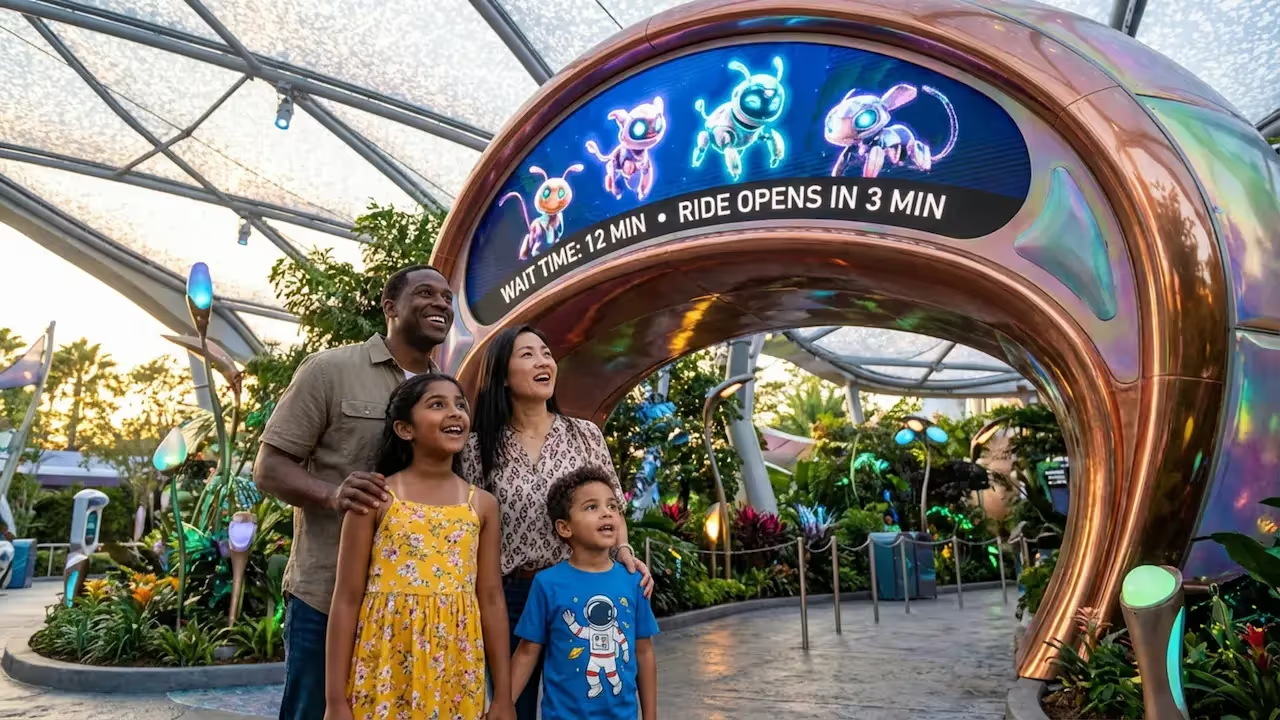
Accurate wait times are arguably the most helpful queue feature. Digital displays can show estimated times in real time, making the wait feel more manageable.
Screens can also clarify important ride details before guests reach the front:
- Height and health restrictions
- Accessibility details
- Ride intensity level (mild, moderate, extreme)
- A quick overview of what to expect
This avoids surprises and keeps the boarding process moving quickly.
Interactive Wayfinding and Directions
Navigating large parks can be difficult. Screens placed in and around queues can display maps, nearest restrooms, and dining areas.
Adding QR codes allows guests to scan the screen and take the map with them on their phones. Connecting your screens to mobile devices saves guests time and helps them navigate the park easily.
Emergency Alerts and Safety Messages
A reliable signage network handles critical safety communication effortlessly. Weather warnings or lost-child notices can override standard playlists instantly so guests see the most important information first.
Between urgent alerts, screens can display gentle reminders:
- Drink water regularly
- Use sunscreen
- Keep personal items secure
These simple nudges contribute to a safer, more comfortable park environment.
Customizable Content for Different Attractions
Digital signage adapts to any attraction. Content can easily be customized to match specific storylines. For example:
- Pirates
- Queue screen content ideas: Animated treasure maps, crew “wanted” posters, story clips
- Sci-fi
- Queue screen content ideas: Mission briefings, futuristic “system” displays, alien profiles
- Jungle adventure
- Queue screen content ideas: Wildlife facts, explorer notes, “field report” videos
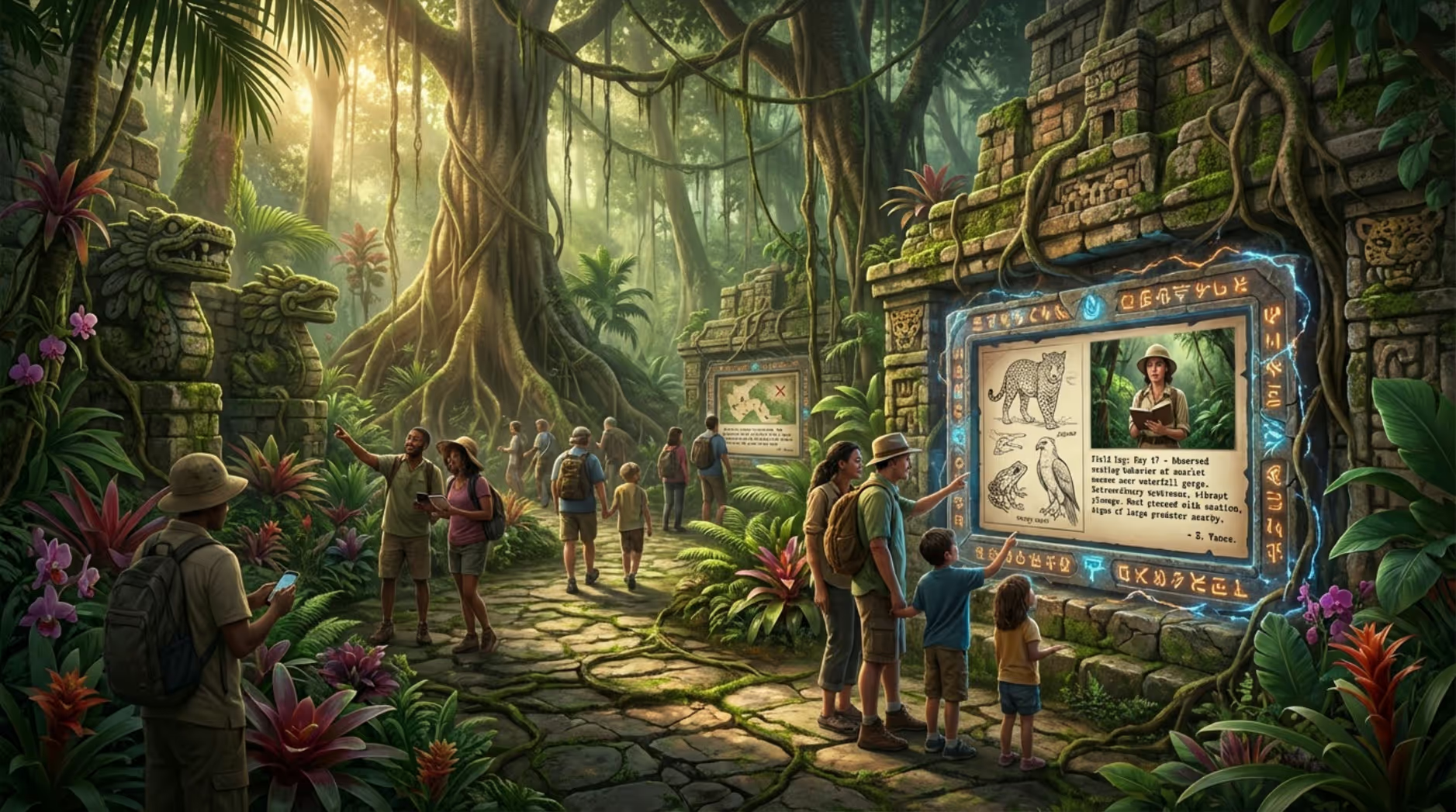
Because software updates take just minutes, you can quickly deploy seasonal versions or new character graphics without a complicated setup.
Integration with Mobile Apps and Wearables
Many parks rely on apps and wearables. Digital screens can complement these tools by displaying virtual queue return times or instructions for wristband scanning.
This setup invites interaction. Guests can use their phones to answer on-screen polls or join games, creating a highly active waiting experience.
Creative Queue Ideas Using Digital Signage
Gamification and Entertainment in Waiting Areas
Turning a queue into a play area is a highly effective distraction. Large screens can host group games, theme-based puzzles, or trivia challenges. Leaderboards showing high scores encourage friendly competition.
Rotating the games throughout the day ensures that repeat visitors always have something fresh to experience.
Social Media Feeds and User-Generated Content
You can use screens to display live social media posts from your visitors. When guests share photos using a specific park hashtag, displaying them on queue screens builds a sense of community.
Live polls-like asking guests to vote on their favorite ride character-add entertainment and generate immediate feedback.
Educational Displays about Park Themes and Rides
Behind-the-scenes content gives fans the deeper details they crave. Screens can show interviews with ride designers or time-lapse videos of the attraction's construction.
Parks can also share broader thematic content, such as local history or wildlife facts, turning idle waiting into light, enjoyable learning.
Live Polls, Trivia, and Interactive Games
Trivia is a proven way to make lines feel active. Screens can ask pop culture or park-specific questions, allowing guests to submit answers via their phones.
This format appeals to all ages, as operators can easily switch question categories to match the specific demographic of a ride.
Virtual Queuing Systems and Fast Pass Integration
Digital signage keeps virtual queue systems organized. Screens clearly display which boarding groups are currently being called and if virtual spots are still open.
For premium fast-pass lanes, screens can outline:
- Where to enter
- Next available return times
- Step-by-step instructions for scanning in
This cuts down on guest confusion and frees up staff from answering repetitive questions.
Operational Strategies for Implementing Digital Signage
Optimizing Screen Placement and Visibility
Placement dictates performance. Screens must be visible from the queue entrance to the final loading area. Consider viewing angles, sunlight glare, and potential crowd bottlenecks.
Outdoor queue screens require weatherproof enclosures and high brightness, while indoor screens should be integrated smoothly into the attraction's physical set design.

Content Scheduling and Personalization
Managing multiple screens requires a solid digital signage platform. Using a feature like Smart Scheduling, your team can automate what plays based on the time of day, day of the week, or current promotions. Set it up once, and the content automatically adjusts when peak hours hit.
Connecting the signage to broader park data allows for smarter messaging, like pushing dining promos right as the lunch rush begins.
Staff Training and Operational Support
Modern software is built for non-technical teams, but staff still need basic guidelines. Employees should understand how to trigger emergency overrides or update simple text announcements.
Choosing a reliable platform minimizes troubleshooting, allowing your staff to focus on guest service rather than fixing broken screens.
Data Analytics for Queue and Guest Flow Optimization
Digital signage can provide valuable insights into park operations. Using tools like Playback Analytics, you can verify that your content is running smoothly across all locations and measure network uptime.
By understanding what content displays consistently, operators can refine playlists to ensure the most engaging material runs exactly when wait times are longest.
Real-World Examples of Digital Signage in Theme Park Queues
Universal Studios Hollywood
Universal Studios Hollywood utilizes digital signage to deepen the narrative in major attractions. Screens in their queues do more than count down wait times-they introduce characters and plotlines. High-quality displays make the queue function as the ride's official pre-show.
Because this content is exclusive to the queue, the wait feels like a necessary and valuable part of the overall experience.
Disney Magic Kingdom
Disney excels at keeping guests immersed. Many of their queues incorporate interactive digital features, such as touch-based games, which are especially helpful for families with young children.
Disney also links its physical screens with its mobile app ecosystem, allowing guests to manage their itineraries and FastPass times while staying engaged with their surroundings.
King’s Island and Other Notable Parks
Regional parks like King’s Island deploy digital signage primarily for practical crowd management and targeted entertainment. Screens at queue entrances communicate wait times, highlight upcoming park events, and display ride photos.
Across the industry, operators are standardizing digital signage as a core operational tool to manage guest flow efficiently and handle long lines.
Considerations and Recommendations for Theme Park Operators
Choosing the Right Digital Signage Technology
We recommend Look Digital Signage as a highly suitable solution for theme park environments. Look CMS allows you to manage content across one screen or thousands from anywhere in minutes. Designed to be simple and reliable, it includes features like Offline Playback, which ensures your queue screens keep running and entertaining guests even if the park's internet connection drops.
Look DS works with the hardware you already have via the free Look App, or you can deploy the plug-and-play Look HDMI Player for incredibly fast setup. With tools like Smart Scheduling and Interactive Scenarios, it is a strong fit for teams that want professional results without relying heavily on IT.
Accessibility and Inclusive Design
Queue screens should be readable for everyone. Utilize high-contrast colors, clear fonts, and closed captions on all video content. Offering QR codes that link to multi-language translations is also a simple way to accommodate international visitors.
Interactive displays should be positioned at accessible heights, ensuring guests of all abilities can participate in the experience.
Maintaining Guest Privacy and Data Security
When implementing smart screens, focus on privacy-first data collection. If using sensors to gauge queue length, ensure they track anonymous crowd density rather than identifying individuals. Follow local regulations strictly and communicate transparently if mobile apps sync with queue displays.
A secure, cloud-based digital signage software keeps your network safe from unauthorized access, protecting both your brand reputation and your guests.
Balancing Investment and Return on Experience
Digital signage is an investment that requires clear ROI. Direct returns come through advertising and food/beverage upsells displayed in the queue. Indirect returns appear as improved guest satisfaction and reduced staff workload.
Evaluate your total cost of ownership-hardware, software subscriptions, and content creation. By choosing an intuitive platform, you save hours on updates and keep your screens running reliably, maximizing your return on experience.
Future Trends in Theme Park Queue Management and Digital Signage
Personalized Messaging with AI and IoT Integration
Theme parks are increasingly using anonymous IoT sensors to measure crowd sizes and queue speeds in real time. Digital signage platforms can adapt to this data automatically. If a line slows down, screens can automatically switch to longer, more engaging video content or deploy interactive games to hold attention.
This automated responsiveness takes the pressure off your staff while keeping waiting guests comfortably entertained.
Seamless Integration Across Park Touchpoints
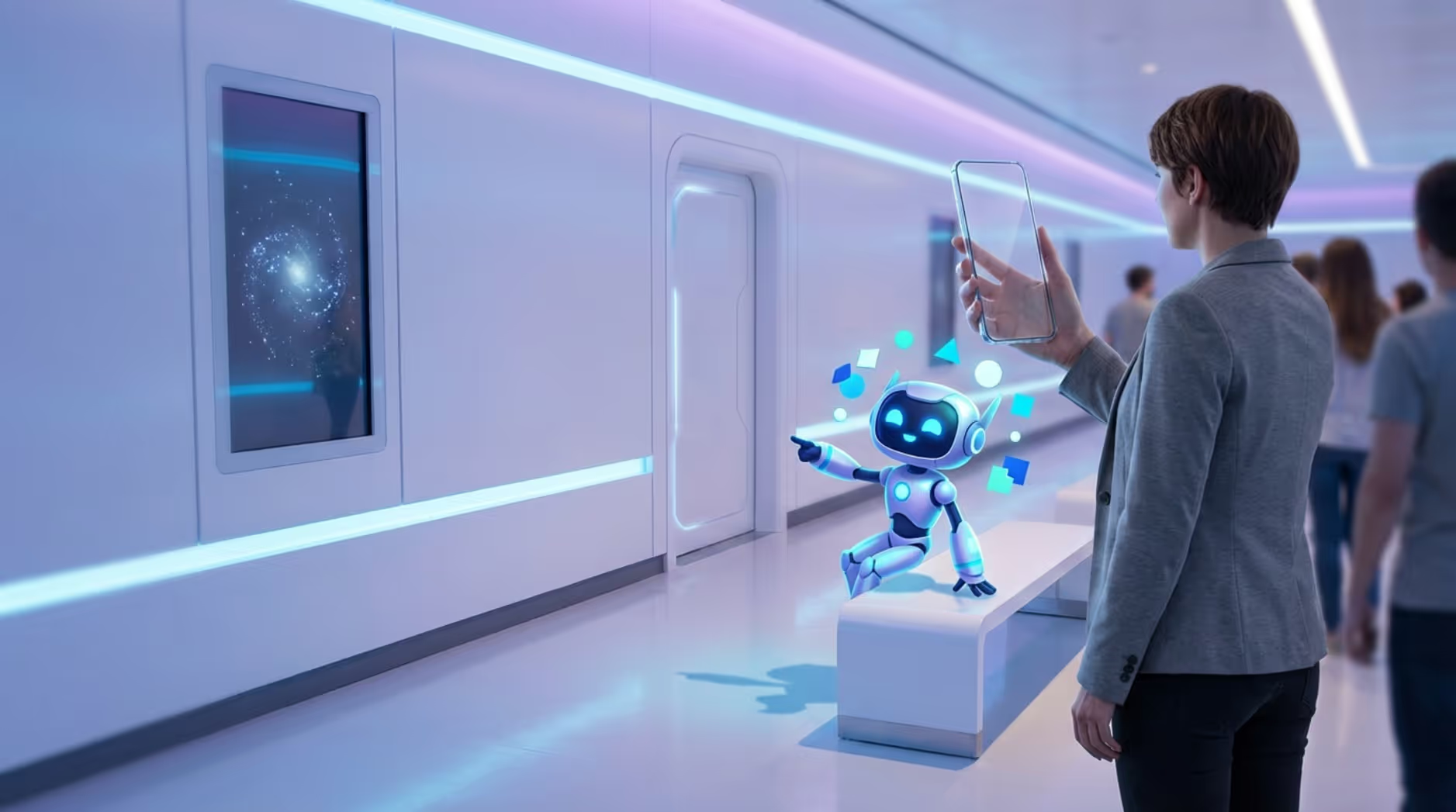
The gap between mobile devices and public screens is closing. Queue signage is becoming part of a unified digital ecosystem. We will likely see more integration with augmented reality (AR), where guests scan a screen in line to unlock interactive 3D elements on their phones.
Ultimately, the attraction's story will flow seamlessly: starting in the park app, continuing on digital queue screens, and culminating on the ride itself. With a strong digital signage foundation, your park can easily adapt to these future guest expectations.