Table of Content
Implementing digital signage in theme parks is much more than putting up a few screens. It is a strategic change that greatly improves the visitor experience and boosts efficiency and revenue. By placing digital displays throughout the park, operators can change how guests interact with their surroundings, offering real-time information, relevant content, and on-the-spot entertainment. This modern setup goes far beyond printed posters, creating a smooth, intuitive, and memorable visit for every guest and encouraging them to return.
What Is Digital Signage in Theme Parks?
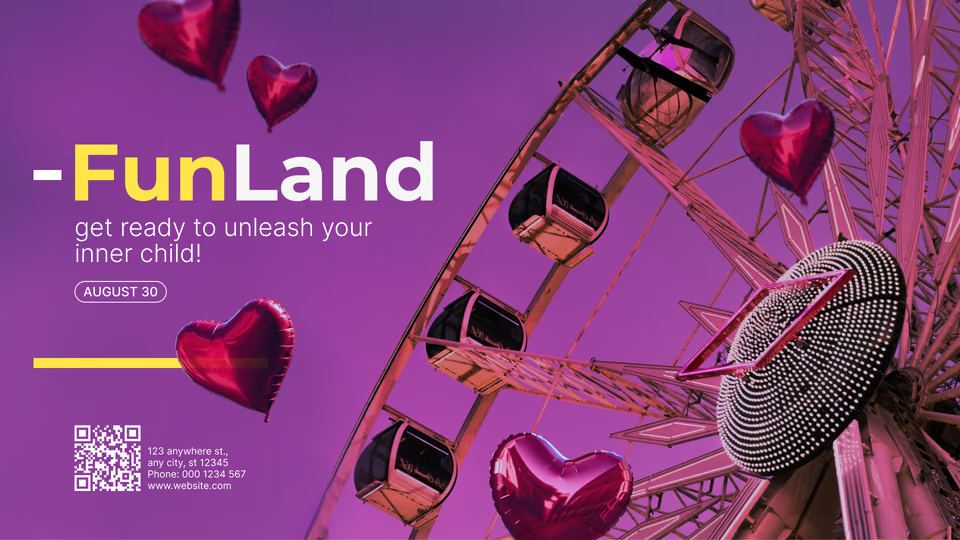
Digital signage in theme parks means using electronic screens to share information with guests. It is not limited to fixed images; it focuses on moving, updatable content that can change instantly and match specific locations and audiences. From large LED walls to interactive touchscreens, these tools help catch attention and support visitors all around the park.
The strength of digital signage is its flexibility. It can guide guests through large park layouts, keep them entertained in lines, or promote special offers and events. The main aim is to improve the guest experience while also helping park staff manage operations more smoothly and efficiently.
Key Features of Digital Signage
Digital signage systems come with many features that make them powerful tools for theme parks. One of the most important is the ability to share real-time updates. Ride wait times, show schedules, and emergency alerts can be displayed instantly across the park. This ability to adjust content quickly is extremely useful in a busy theme park setting.
Other key features include interactive options, such as touchscreens that let guests use maps, look up information, or place orders. High-quality videos, animations, and bright images help keep visitors interested while they learn what they need to know. Central control systems let park staff manage all screens from one place so messages stay accurate and consistent everywhere.
Differences from Traditional Signage
The difference between digital and traditional signage is clear, and it shows why digital options are becoming so popular. Traditional materials like printed posters and paper maps cannot change easily. Any update needs reprinting and reinstallation, which is slow and expensive. Updating hundreds of printed signs for every schedule change would be a major headache.
Digital signage is flexible and can be changed right away. This removes printing costs and delays, allowing the park to react quickly to new conditions or marketing ideas. Digital displays can also show moving images, animations, and interactive content, creating far more interest than a paper sign ever could. It is like comparing a flat billboard to a living, interactive story screen.
How Digital Signage Improves Theme Park Experiences
Digital signage is more than an equipment upgrade; it changes how parks communicate with guests and how guests experience their day. It helps make visits smoother, more enjoyable, and more memorable. With the right content, parks can solve common problems before they arise and add more magic to the overall experience.
These displays touch almost every part of a guest’s day, from arrival to departure. They simplify communication, reduce confusion, and open new ways to entertain and involve visitors, turning a standard theme park visit into a more connected and responsive experience.
Improves Wayfinding and Visitor Navigation
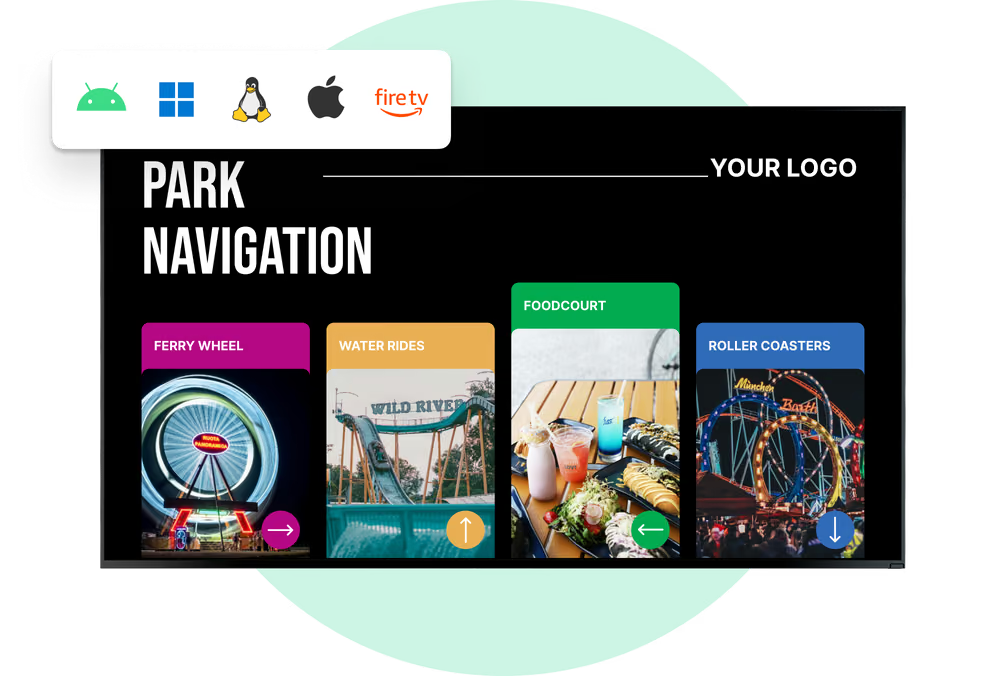
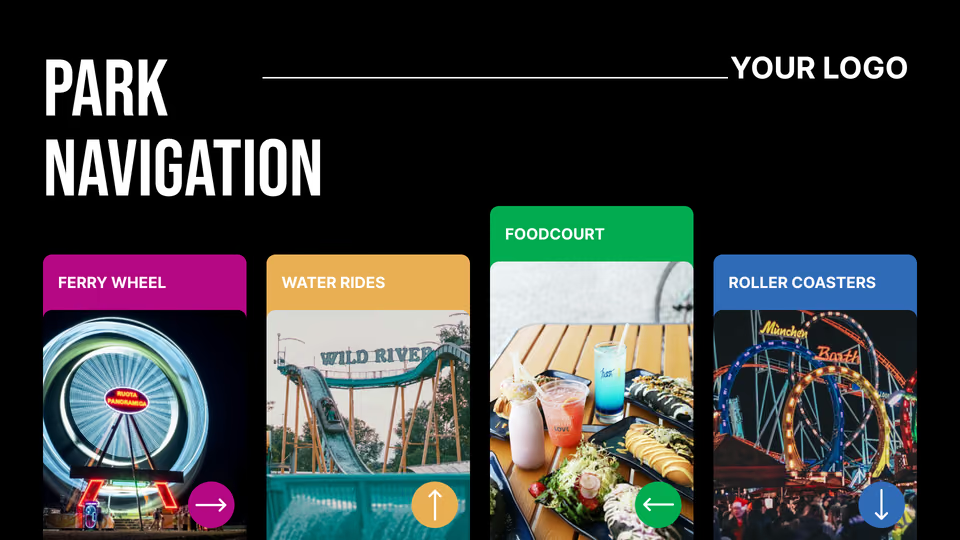
Finding your way around a large, crowded theme park can be hard, especially for new visitors or families with children. Digital signage makes this much easier. Interactive screens and clear digital maps provide step-by-step directions to rides, restaurants, bathrooms, and event areas. This reduces confusion and helps keep crowds moving smoothly instead of blocking pathways.

Interactive wayfinding kiosks let guests search for attractions, see walking times, and map out the best routes. This level of guidance not only makes the visit more convenient but also more enjoyable and personal. It also frees staff from answering simple direction questions so they can focus on more complex guest needs.
Reduces Perceived Wait Times at Attractions
Long lines are a common part of theme park visits, but digital signage can make them feel shorter. By showing real-time wait times, guests can plan better and choose when and where to queue, which reduces frustration. Screens in line areas can also keep people busy with trivia, games, park facts, and themed videos linked to the ride.
Research shows that entertaining content in queues can reduce how long the wait feels by up to 35%. This turns boring waiting time into another part of the story and fun. Guests who feel entertained and less stressed are more likely to stay longer and spend more money in the park.
Creates More Engagement and Entertainment
Digital signage can do much more than show directions and rules. It can help build immersive, interactive experiences. Screens can show ride previews, behind-the-scenes footage, or guest stories, adding to the park’s atmosphere and excitement.
Interactive elements such as games, quizzes, or scavenger hunts played on the screens push guests to take part actively instead of just watching. This encourages them to move around the park, discover new areas, and create unique memories. It turns screens into activity points, not just information boards.
Supports Real-Time Communication and Safety
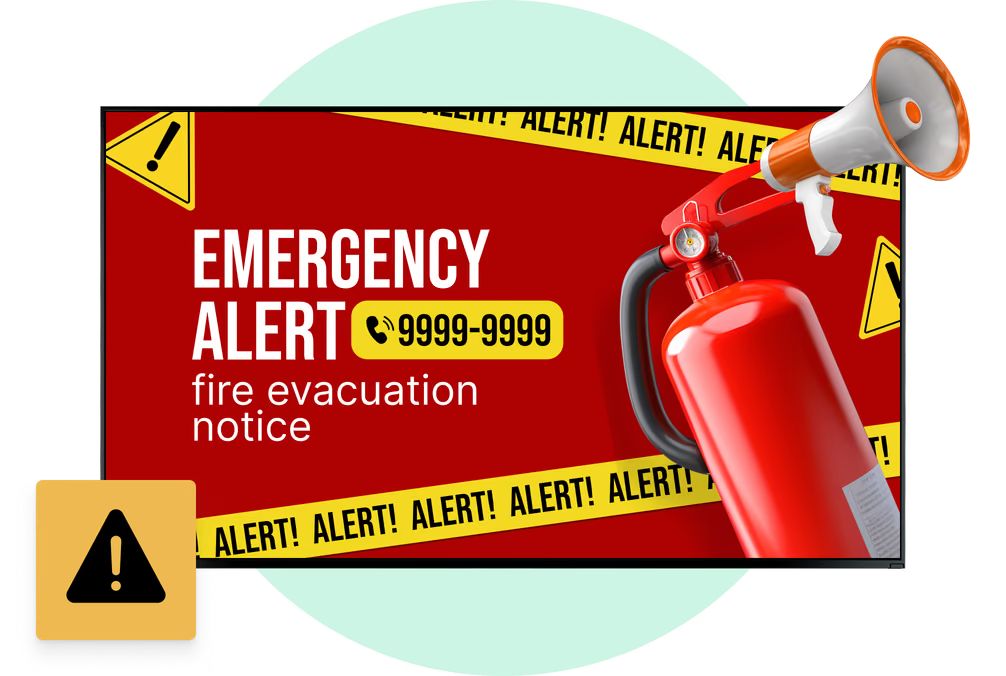
In large public spaces like theme parks, fast and clear communication is key, especially for safety. Digital signage is very effective here because it allows instant sharing of urgent information. Emergency alerts, weather warnings, and important notices can appear on all screens at once so everyone sees them right away.
Digital displays can also show safety rules, height requirements, and reminders like “Days Without Accident.” During emergencies, screens can give clear directions and show the safest routes, helping staff guide people and manage crowds. This makes the park safer and gives both guests and staff more confidence.
Key Areas for Digital Signage Placement in Theme Parks
Good results from digital signage depend heavily on where you put the screens. Different parts of a theme park offer different chances to inform visitors, make operations smoother, and increase sales. Careful planning of screen placement helps messages reach guests at the best time and place.
From parking and entry to gift shops at exit, digital signage can support the guest journey at every step. When displays are built into the environment in smart ways, they feel helpful and natural instead of distracting or out of place.
Entrance and Ticketing Zones
Entrance and ticketing areas are where first impressions form, so they are ideal for digital signage. Screens here can show ticket prices, opening hours, and current promotions, helping guests plan their day early. They can also highlight new rides, upcoming shows, and seasonal events to build excitement.
Bright welcoming screens can set the mood and show off the park’s theme through videos and images. Interactive kiosks can handle tasks like ticket buying and upgrades, cutting down lines and easing the workload on staff, especially during busy times.
Rides, Attractions, and Queue Lines
Digital signage near rides and in queue lines is especially useful. These screens can show wait times, safety details, and ride descriptions, keeping guests informed and reducing confusion and repeated questions.
Queue screens can show themed videos, story content, trivia, or simple games connected to the attraction. This helps keep guests entertained while they wait and builds on the theme and story of the ride long before they board.
Food and Beverage Locations
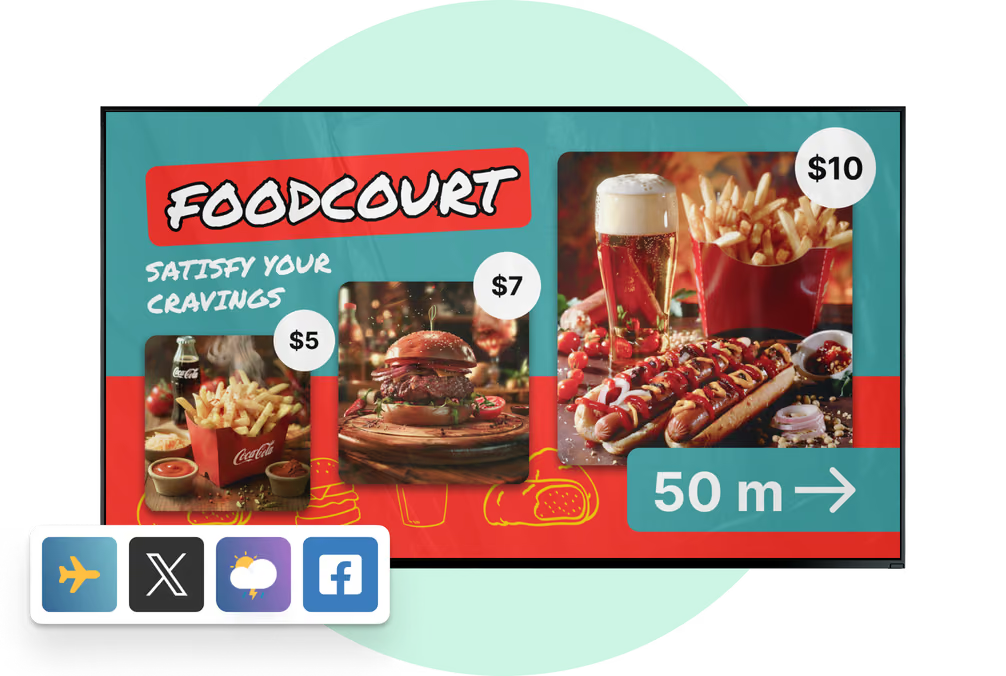
Digital menu boards in restaurants and snack stands are a big step up from printed menus. They let guests see options clearly, often with appetizing images or short clips that can increase interest and impulse buying. Managers can easily change menus to reflect sold-out items, specials, or seasonal offers.



These screens can also promote meal deals, dining passes, and combo offers, or show nutritional details for health-conscious guests. Self-order kiosks allow guests to place orders themselves, cutting lines and speeding up service, which improves both guest satisfaction and sales.
Retail Stores and Gift Shops
In shops and merchandise areas, digital signage is a strong sales aid. It can highlight new products, limited-time items, and flash sales, encouraging guests to buy on the spot. Engaging visuals help draw attention to certain displays or collections.
Screens can also support cross-selling, such as showing ride-related items next to the attraction exit. Self-checkout stations can help reduce lines and give guests a faster, more flexible buying experience with different payment options.
Event and Show Venues
Digital signage at show and event venues plays a big role in communication and crowd control. Screens can list showtimes, event updates, and other key details. They can guide people to entry doors, exits, and seating zones and help prevent confusion and delays.
Because the content can change quickly, last-minute schedule changes or special announcements can be shared right away. Promotional content for upcoming shows and guest performers can also help fill seats and keep guests informed about what they might want to see.
Wayfinding Kiosks and Interactive Maps
Dedicated wayfinding kiosks with interactive maps are especially helpful in large parks. They provide clear directions and allow guests to search for rides, services, and other key points of interest. Guests can plan their own route, check walking times, and explore the park more confidently.
These kiosks cut down the number of simple direction questions staff must answer, allowing employees to focus on other tasks. During emergencies, screens can switch to show urgent instructions and safe paths, helping with crowd control and safety.
Parking Lots and Transportation Hubs
Digital signage in parking lots and transportation areas improves the experience even before guests reach the gates. Screens can guide traffic, show which lots have open spaces, and list shuttle or tram schedules. This reduces congestion and makes arrival and departure smoother.
These displays are also good places to share park rules, safety messages, and tips for the day before guests enter. By improving both the start and end of the visit, digital signage helps create a more positive overall impression.
Best Content Strategies for Digital Signage in Theme Parks
The impact of digital signage depends heavily on the content it shows. In theme parks, where guests expect fun and immersion, content planning is key. Messages should be clear, useful, and entertaining, turning screens into part of the park’s storytelling and service, not just static notice boards.
Good content planning helps make displays a natural part of the themed environment. It uses motion, sound, and interactivity to reach visitors on practical, emotional, and playful levels.
Personalized Messages for Different Audiences
One of the strongest advantages of digital signage is the ability to show different messages to different groups. By matching content to age group, interests, or location, parks can speak more directly to each type of guest. For example, areas with many families might show child-friendly ride ideas, while teen hangouts can promote thrill rides and challenges.
Personalization also includes language support. By offering multiple language options, parks help international guests feel welcome and well-informed. Systems like MagicBands or RFID wristbands, used at Disney Parks, can interact with displays to show customized tips and greetings, based on a visitor’s past choices and profile.
Dynamic Scheduling and Real-Time Updates
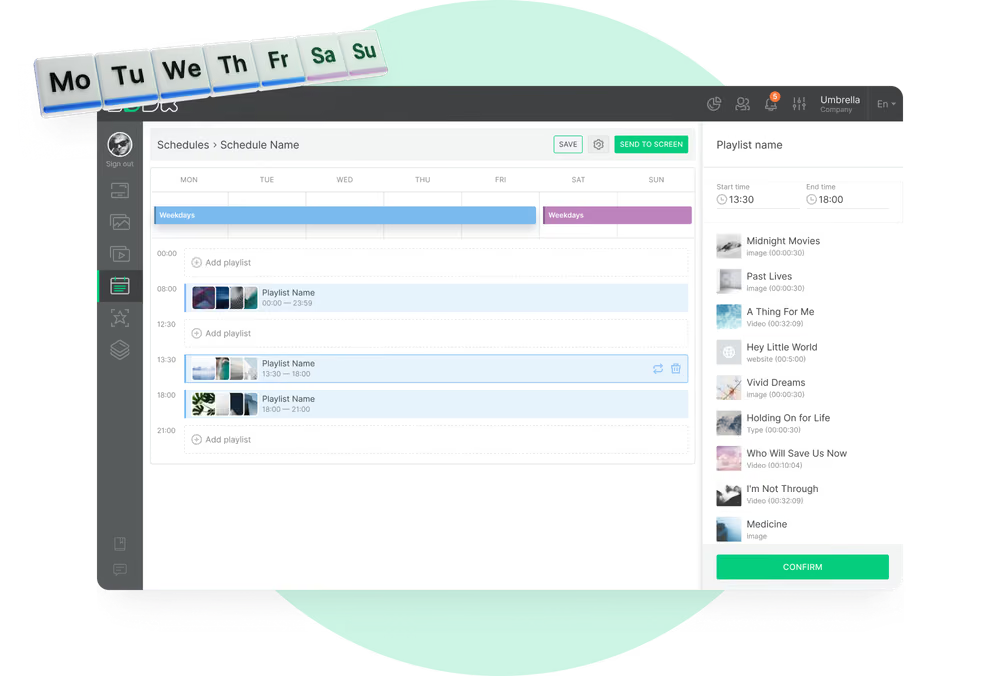
Scheduling content and updating it in real-time is a main strength of digital signage. Messages can change by time of day, showing morning greetings, midday reminders for shows, and evening offers or closing information.
Live updates are also important for showing current ride wait times, weather alerts, or sudden changes in operations. This helps staff direct crowds more effectively, spread visitors across the park, and give guests current information so they can plan their day with less stress.
Interactive and Gamified Content
Interactive and game-like content is one of the best ways to grab and keep attention. Instead of only watching, guests can touch screens, play games, and take part in quizzes or digital scavenger hunts. This is especially useful in queues, where it makes the wait feel shorter.
Touchscreens can also offer detailed attraction info, 3D maps, or simple polls like voting for favorite characters. This turns screens into two-way tools that both inform and entertain, and it encourages guests to engage more deeply with the park.
Seasonal and Special Event Content
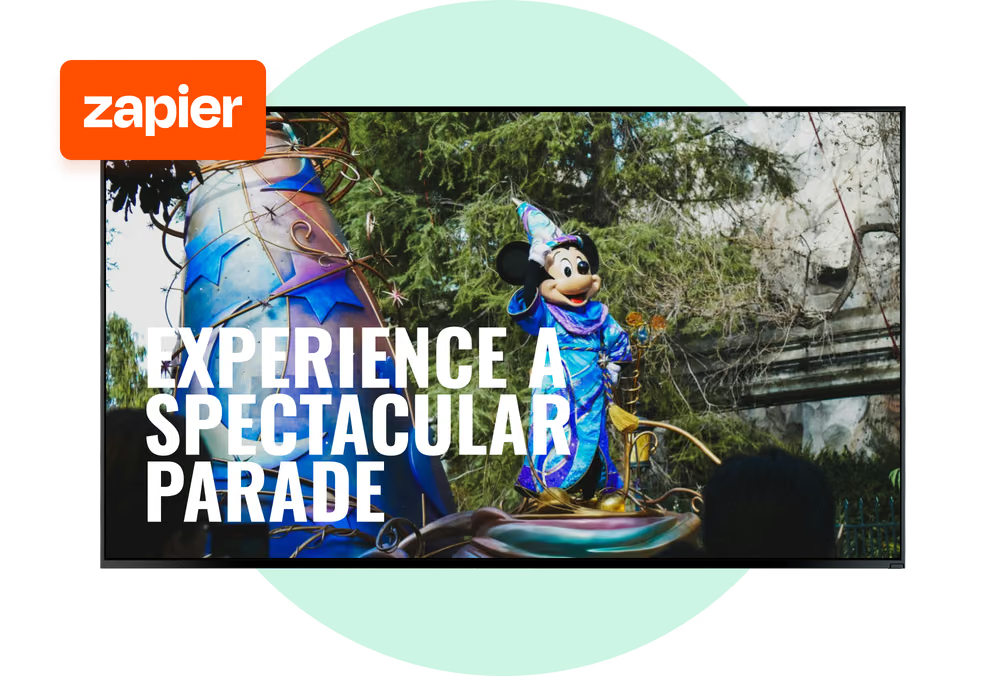
Theme parks depend heavily on seasons and special events, and digital signage is perfect for matching the mood. Content can switch for holidays or themed events, changing the look and feel of the park at the touch of a button. Screens might show animated snow and lights for winter holidays or spooky countdowns and characters for Halloween.
These changes help promote holiday attractions, limited-time offers, and special event merchandise. Because content can update so quickly and cheaply, parks can react fast to seasonal trends and get the most out of each event period.
Promotions and Revenue-Generating Opportunities
Digital signage is also a powerful sales driver. It can promote new rides, ticket upgrades, VIP packages, and add-ons like photo bundles or fast-track passes. Strong visuals and clear calls to action on screens near points of sale can increase conversions.
Parks can also sell ad space on their screens to outside brands or local businesses. This creates an extra income stream and gives advertisers access to a large audience. When planned carefully, these promotions feel helpful to guests while raising total spending per visit.
Hardware and Display Considerations
Choosing the right hardware is a key part of a successful digital signage project in theme parks. Outdoor spaces, heavy foot traffic, and long operating hours all put pressure on screens and equipment. Displays need to be strong, reliable, and able to work well in different weather and lighting conditions. Careful planning at this stage helps avoid costly repairs and replacements later.
Spending wisely on proper hardware at the start protects the investment and keeps the visual quality and uptime high for many years.
Weatherproof and Durable Display Technology
Since many theme park areas are outdoors, display technology must handle rain, heat, cold, dust, and physical impact. Weatherproof, durable enclosures and commercial-grade screens are non-negotiable here. Products like The Display Shield or The TV Shield PRO can protect equipment from water, debris, and damage.
Using sturdy hardware helps keep screens working day and night, even in rough conditions. This reduces downtime and keeps key information and entertainment available in all kinds of weather.
High-Brightness and Sunlight-Readable Screens
Standard indoor displays are usually not bright enough for outdoor use. Sunlight-readable, high-brightness screens are needed so guests can easily see maps, times, and ads even in direct sun. These displays often include anti-glare coatings and higher brightness levels to fight reflections and washout.
When guests can clearly read outdoor screens at any time of day, they are less likely to feel confused or annoyed, and important messages are less likely to be missed.
Interactive Touchscreen Displays
Interactive touchscreens add a personal, hands-on layer to digital signage. They let guests choose what they want to see, such as maps, ride details, or food menus, and they can support functions like self-ordering or ticket upgrades.
For these displays, durability and ease of use are very important, especially outdoors. Screens should resist impact, be simple to clean, and handle heavy use. Accessibility should also be considered, with touchpoints and screen heights suited for wheelchair users and people with limited mobility.
Network Connectivity and Scalability
Strong network connectivity is the backbone of a digital signage system. It allows remote updates, real-time data feeds, and status monitoring for every screen. A reliable network keeps content fresh and consistent across the entire park.
Scalability also matters. As the park grows or adds new screens, the system should be able to handle more devices without needing a full rebuild. Choosing network and software solutions that can expand easily makes future growth simpler and cheaper.
Integration with Park Systems and Data Sources
Digital signage becomes much more powerful when it connects with other park systems and data sources. Instead of acting as isolated screens, displays can tap into ride operations data, ticketing, point-of-sale systems, and mobile apps. This creates a single, smart communication network where information stays accurate and up to date.
When data moves freely between systems, guests see consistent messages, and managers gain a clearer picture of what is happening across the park.
Centralized Content Management Solutions
A centralized content management system (CMS) acts as the control center for all digital signage. From one interface, staff can create, schedule, and update content across many displays. This saves time and cuts the risk of outdated or conflicting messages.
A strong CMS offers tools for managing routine messages, promotions, special events, and emergency alerts. With simple controls and templates, even staff without technical backgrounds can handle day-to-day updates.
Integration with Mobile Apps and Park Management Tools
Connecting digital signage with the park’s mobile app and management software creates a smoother and more personal visitor journey. When screens and apps share data, guests can see the same ride times, maps, and promotions on both platforms.
Behind the scenes, linking signage with operations tools lets real-time data-like ride downtime, show capacity, or food inventory-appear on screens automatically. This supports better decision-making and helps staff react faster to changing situations.
Collecting Data Analytics and Visitor Insights
Digital signage systems can collect data on how guests interact with content. This includes which screens get the most use, which messages draw attention, and how long people spend at certain displays. This information can help refine both content and operations.
By studying these patterns, parks can adjust layouts, update offers, and improve messages to fit guest behavior. Over time, this data-driven approach leads to better guest engagement, smarter staffing, and more effective marketing.
Accessibility and Inclusivity in Theme Park Digital Signage
To truly welcome everyone, theme parks must design their digital signage with accessibility and inclusion in mind. That means thinking about different languages, abilities, and backgrounds from the start, not as an afterthought. Accessible signage helps all guests feel comfortable, informed, and respected.
Planning for these needs can raise the overall quality of the experience and show guests that the park values everyone equally.
Multilingual Support for Diverse Audiences
Theme parks bring in visitors from many countries, so digital signage should support multiple languages. This helps all guests understand key details like safety rules, schedules, and offers. It also reduces confusion and mistakes that come from language barriers.
Interactive screens can offer language selection so each guest can choose their preferred option. This simple feature can make international visitors feel far more at ease and capable of exploring on their own.
Accessible Design Features for All Visitors
Digital signage should also work well for people with different physical and sensory abilities. Features like text-to-speech output help guests with visual impairments. High-contrast color schemes, large fonts, and clear icons support those with low vision or color blindness.
For interactive screens, height and angle matter so wheelchair users can easily reach and use them. Interface designs should also be simple, with large touch areas suited to people with limited dexterity. By building these elements into the design, parks make their digital tools truly useful to everyone.
Operational Best Practices for Implementing Digital Signage
Rolling out digital signage across a theme park is a major project. Success depends on good planning, careful placement, regular maintenance, and strong security practices. These steps help make sure that digital signage delivers real benefits for both operations and guests.
A well-planned system considers everything from first installation to long-term upkeep, upgrades, and security controls.
Placement Planning Based on Visitor Flow
Good digital signage starts with an accurate understanding of how guests move through the park. This means carefully studying paths, entry points, popular spots, and common bottlenecks. With this information, managers can place screens where they will be seen and used the most.
This kind of planning helps make sure each screen has a clear purpose-whether it is wayfinding, queue entertainment, or promotion-and fits naturally into the guest journey.
Routine Maintenance and Technical Support
Digital signage systems, especially outdoors, need regular checks to keep them running well. Staff should inspect hardware for damage, clean screens, and confirm that all parts are working. Software should be updated on a regular schedule to fix bugs and improve security.
Having a support team, either inside the park or through a service provider, is important for quick fixes when issues come up. A clear maintenance plan reduces downtime and keeps displays from showing blank screens or error messages.
Data Security and Privacy
As digital signage links with other systems and may use visitor data, strong security and privacy controls are needed. Parks should protect networks, servers, and CMS tools against hacking and unauthorized access. Sensitive data should be encrypted and shared only when necessary.
If signage uses personal information from apps or wristbands, parks must follow data protection laws and share clear privacy policies with guests. Responsible data practices help build trust and reduce the risk of legal problems.
Common Challenges and Solutions for Theme Park Digital Signage
While digital signage offers many benefits, parks may face some obstacles along the way. Costs, technical issues, and content overload can all cause problems if they are not handled properly. By planning for these challenges, parks can avoid setbacks and get better results.
Facing these issues directly helps parks get the most value from their investment and keep digital signage working as a helpful tool, not a burden.
Managing Upfront and Recurring Costs
The cost of hardware, software, and installation can be high at the start, especially for smaller parks. Ongoing expenses like maintenance, network fees, and updates also add up. It helps to see these costs as a long-term investment that can bring higher revenue and better guest experiences.

Possible approaches include phased rollouts, starting with priority areas and expanding over time, and choosing solutions that can grow later. Revenue from in-park promotions and third-party advertising can also help cover costs.
Addressing Hardware and Software Reliability
Digital signage must be dependable in a demanding park environment. Outdoor screens face weather, vandalism, and heavy use. Software can suffer from bugs or network problems that interrupt content delivery.
Parks should invest in commercial-grade outdoor equipment and strong enclosures. They should also choose trusted CMS providers with good support and service level agreements. Regular monitoring and quick-response procedures will help keep the system online and working properly.
Minimizing Visual Clutter and Overload
Because digital signage can show a lot of content, there is a risk of having too many screens or too much information on them. This can overwhelm guests and make messages less effective.
To avoid this, parks should focus on clear priorities in content and design. Messages should be short and easy to read. Screen layouts should be simple, and screens should blend into the themed environment. Scheduling can space out content so guests see key information without being bombarded.
Key Steps for a Successful Digital Signage Strategy in Your Theme Park
Starting a digital signage project in a theme park works best with a clear, step-by-step plan. It is not just about buying displays; it is about fitting technology into the park in a way that really supports guest needs and business goals.
A strong strategy keeps all decisions-hardware, content, placement, and updates-aligned with what the park wants to achieve.
Clarifying Park Goals and Visitor Needs
The first step is to identify what the park wants to achieve and what guests need most. Is the main goal to reduce wait times, help guests find their way, increase food sales, or improve safety communication? These goals will guide what kind of content and hardware to choose and where to place screens.
It is also useful to map the guest journey from arrival to exit. By understanding where visitors get confused, bored, or frustrated, parks can use digital signage to solve problems and create memorable moments at those key points.
Selecting Reliable Hardware and Software Partners
The success of the system relies on strong, reliable hardware and easy-to-use software. Parks should look for proven manufacturers of weatherproof, bright, and durable displays for outdoor areas. For the CMS, they should choose a solution that is scalable, user-friendly, and supports remote updates and scheduling.
Good partners offer more than just products; they provide installation help, training, support, and advice based on experience in similar environments. Long-term relationships with these vendors can make ongoing operations much easier.
Measuring Impact and Continuous Improvement
Digital signage should be measured and adjusted over time, not left unchanged after installation. Parks should set clear targets, such as higher sales at certain locations, better guest satisfaction scores, lower crowding in key areas, or more app usage.
Using analytics from the CMS and other systems, along with guest feedback and staff observations, parks can see which content and locations perform best. They can then refine messages, change layouts, or relocate screens to improve results and keep up with changing visitor expectations.
Notable Case Studies: Theme Parks Succeeding with Digital Signage
Seeing how leading parks use digital signage offers practical proof of its value. Some of the largest and most famous parks have built digital signage into their core operations, stories, and branding. Their success gives useful ideas for other parks planning similar projects.
These real-world examples show that digital signage can increase guest satisfaction, streamline operations, and grow revenue when used thoughtfully.
Innovations at Disney Parks
Disney Parks are known for using technology to support immersive experiences, and digital signage is a key part of that. MagicBands and RFID wristbands interact with screens to show customized suggestions and greetings, based on guest profiles and past activity. This makes each visit feel more personal.
At attractions like “Avatar Flight of Passage” in Disney’s Animal Kingdom, digital screens in queues show story-driven content that ties into the ride’s theme, turning waiting time into part of the adventure. LED signs also display live wait times, helping guests make better choices about where to go next.
Universal Studios Interactive Guest Experience
Universal Studios uses large-format digital signage across its parks to keep guests informed and engaged. Their system shows showtimes, attraction details, food options, and more on bright, weather-resistant screens designed for long hours of outdoor use. Custom-colored media housings help the screens fit into each themed area.
They also use custom enclosures, pedestals, and portable battery-powered kiosks with tall portrait displays. This network is built to be both reliable and visually integrated so guests get important information without breaking the illusion of the surrounding theme.
Future Developments in Theme Park Digital Signage
Digital signage in theme parks continues to change as new technologies emerge. Coming advances will allow even more personal, immersive, and intelligent experiences. Park visits will feel more connected, with digital and physical elements working together in new ways.
These developments will improve both the fun side of the visit and the behind-the-scenes operations, helping parks run more smoothly and respond faster to guest needs.
AI and Personalization Advancements
Artificial Intelligence (AI) and Machine Learning (ML) will soon take personalization to the next level. Screens could adjust content based on crowd makeup, past behavior, or even facial expressions. For example, a display might suggest attractions or meals based on where a guest has been and what similar guests enjoyed.
AI tools can also study crowd flows and predict busy areas, then show alerts about less crowded paths or alternative attractions. This kind of smart content will make visits feel more helpful and relevant for each guest.
Integration with Augmented and Virtual Reality
Future digital signage in theme parks will likely connect more closely with Augmented Reality (AR) and Virtual Reality (VR). AR experiences could allow guests to see characters or effects appear over real-world scenes through their phones or smart glasses, guided by park screens and markers.
VR tie-ins might offer short pre-ride experiences or previews that let guests step into the story before the main attraction, or give virtual tours of areas under construction. By linking signage with AR and VR, parks can turn screens into gateways to deeper storytelling and interaction.


.webp)