Table of Content
How do you keep teams connected and motivated in a hybrid, AI-driven 2026? The answer lies in moving beyond annual surveys to real-time, meaningful interactions that bridge the gap between frontline and desk-based staff. In an economy where automation handles the routine, human creativity and commitment are the true differentiators for growth.
Engagement has evolved from a simple productivity metric into a core operational asset. As markets shift, engaged teams adapt faster and innovate more effectively. It is no longer just a "nice-to-have" HR measure; it is a clear indicator of a company's ability to retain talent and sustain performance.
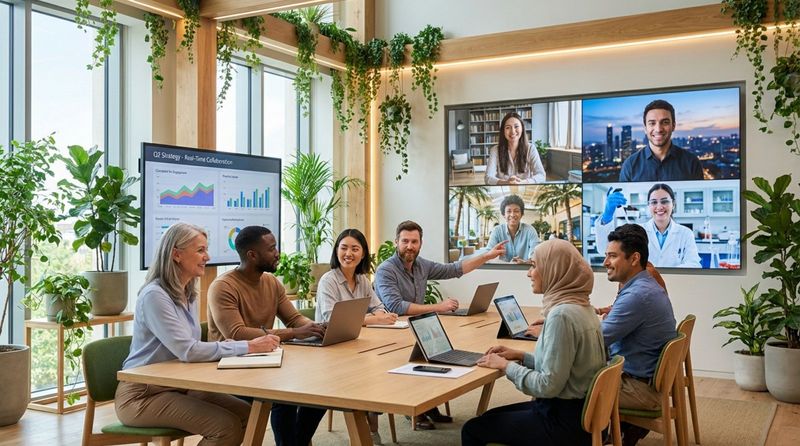
What is employee engagement and why does it matter in 2026?
How is employee engagement evolving?
Engagement has moved past the traditional annual satisfaction survey. Today, it is viewed as a dynamic relationship that changes daily. The focus has shifted from top-down management to supporting talent proactively. Employees expect their work to align with personal values and to see active support for their professional growth.
There is also a strong trend toward "micro-engagement." This focuses on the small, daily moments that build trust-a smooth login process, quick IT support, or a public shout-out on an office screen during a busy week. These consistent touchpoints often matter more than infrequent, large-scale events. The approach treats employees as individuals rather than just headcount.
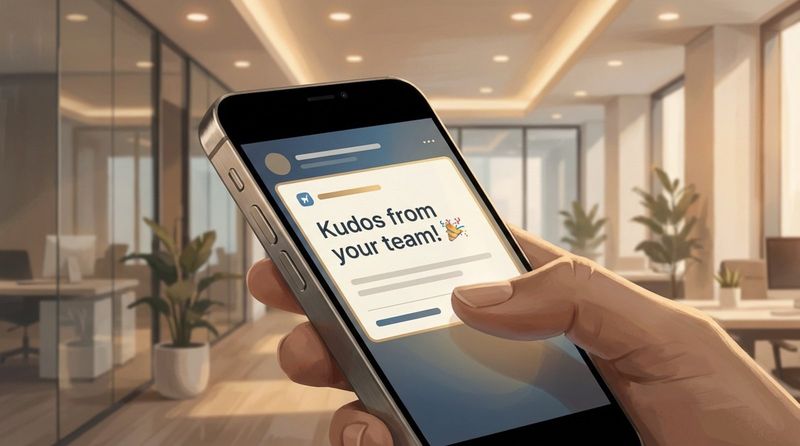
What are the latest definitions and expectations?
Modern engagement involves "Holistic Integration." Employees expect work and personal life to coexist without constant friction. They look for environments that support their development and offer meaningful contributions to society, rather than just a paycheck.
Transparency is now a baseline expectation. Teams want clear visibility into company performance, ethics, and goals. If internal reality does not match external branding, engagement suffers. Consistency and honesty are the foundations of the modern "Contract of Care" between employer and employee.
Key trends shaping employee engagement in 2026
1. AI-powered personalization and automation
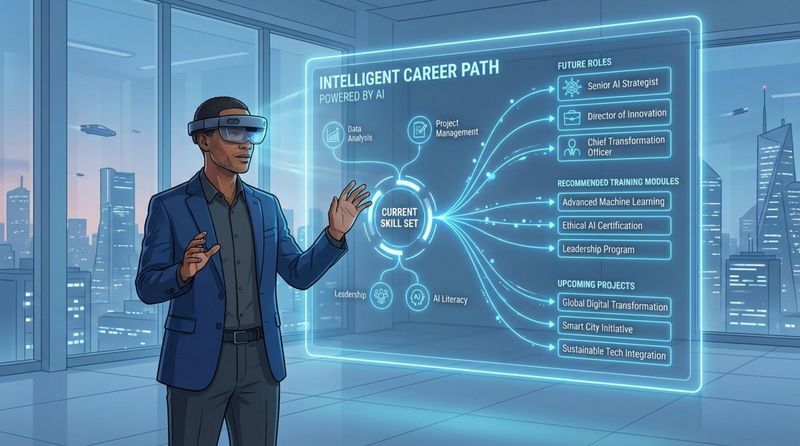
AI has evolved from an efficiency tool to a support system. Companies now use AI to personalize the employee experience at scale, offering "intelligent career pathing" that suggests roles or projects based on individual skills. This helps employees feel recognized and valued.
Automation also plays a key role by removing repetitive admin tasks. By handling the routine, automation allows staff to focus on the creative and strategic work they were hired to do. This shift reduces drudgery and increases job satisfaction.
2. New recognition strategies: Real-time and relational feedback
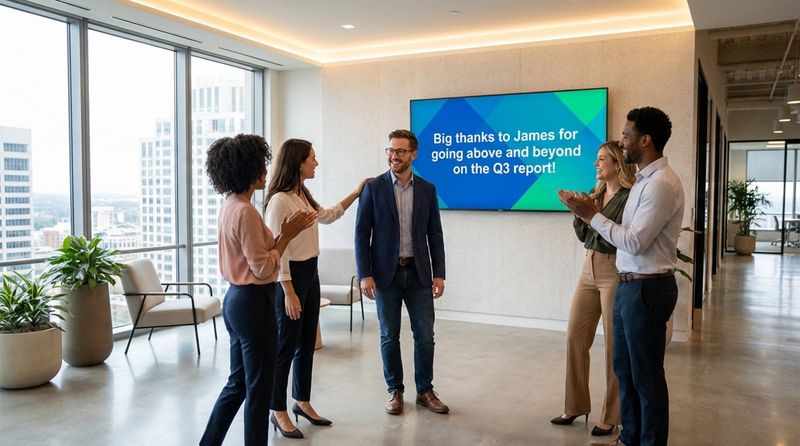
The "Employee of the Month" plaque is being replaced by real-time recognition. Peer-to-peer shout-outs and instant feedback loops create a culture of appreciation that feels genuine. Displaying these wins on digital signage in shared spaces ensures that recognition is visible and timely.
Feedback is also shifting from backward-looking reviews to "feedforward"-practical coaching focused on future improvement. This approach reduces anxiety and positions managers as coaches rather than critics.
3. Flexible work models and the hybrid workforce
Flexibility has grown into "Radical Autonomy." It is not just about location; it is about trusting employees to manage their schedules for the best outcomes. Asynchronous work models focus on results rather than hours logged, often leading to higher engagement.
However, hybrid work requires intentional connection. "Anchor days" in the office are becoming high-value collaboration events. To make these days effective, internal communication must be seamless, ensuring that people feel connected to the company culture the moment they walk through the door.
4. Advancements in wellbeing and holistic support
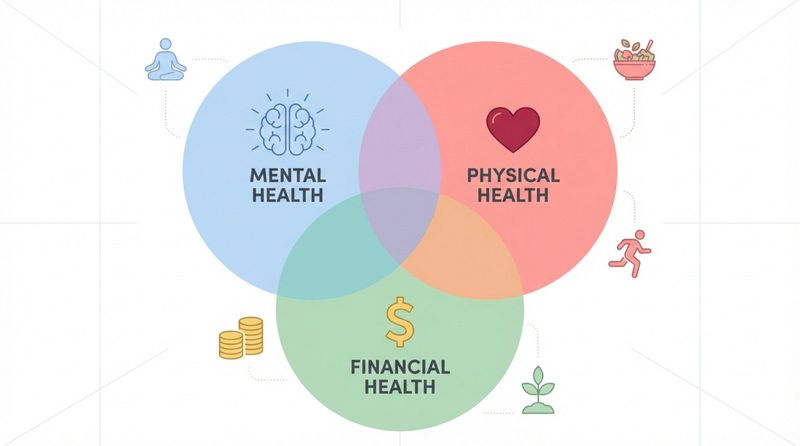
Wellbeing now encompasses mental, physical, and financial health. Employers are offering practical tools like financial planning apps and normalizing mental health days. This proactive approach reduces stigma and supports the whole person.
Companies are also respecting "circadian" rhythms, encouraging employees to tackle complex tasks during their peak energy times. Respecting how people work best builds loyalty and reduces long-term burnout risk.
5. Upskilling, reskilling, and continuous learning
With technology changing rapidly, employees value "Employability Insurance"-the knowledge that their job is helping them stay relevant. Access to short learning modules and time set aside for development are key drivers of engagement.
A culture of growth, where curiosity is encouraged, keeps teams motivated. Employees are more likely to stay with a company that invests in their future capabilities.
6. Employee voice and ongoing feedback loops
Annual surveys are being replaced by "Continuous Listening." Pulse surveys and sentiment analysis allow leaders to understand team morale in real time and adjust policies quickly. Seeing their feedback lead to actual changes increases employees' sense of ownership.
Involving employees in decision-making-whether through strategy sessions or internal innovation challenges-strengthens their connection to the company's success.
7. Diversity, equity, inclusion, and belonging embedded in daily operations
DEI&B is no longer a separate initiative; it is built into daily workflows. From hiring to product design, inclusion is a lens for decision-making. The goal is "belonging"-ensuring every employee feels safe and accepted.
Equity is supported by data checks on pay and promotions, while inclusive design ensures physical and digital workspaces accommodate everyone. When people feel they truly belong, their commitment deepens.
Data and insights: How employee engagement is changing
Engagement and retention statistics: 2025 vs. 2026
Data shows a shift from a "retention plateau" to a focus on quality. While overall turnover has leveled, the cost of losing top performers has risen. Engagement is now the primary defense against losing specialized talent.
Companies with high engagement report significantly better profitability. The gap between merely "satisfied" and truly "engaged" employees has widened; satisfied employees may leave for a small raise, while engaged employees stay for the culture and purpose.
Drivers and barriers to engagement in 2026
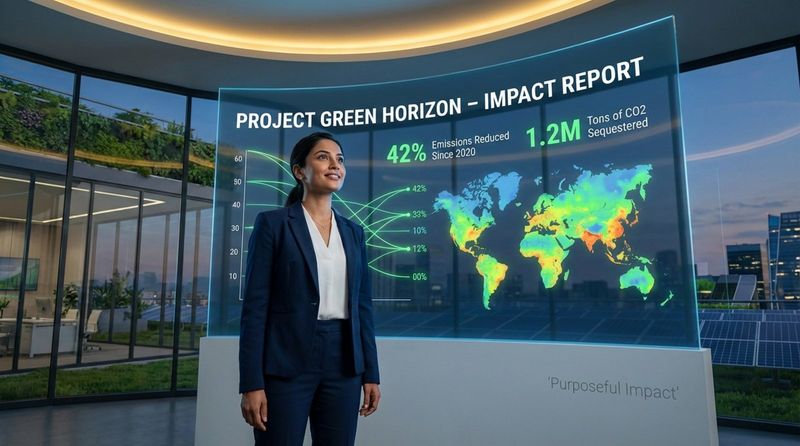
The main driver is now "Purposeful Impact." Employees want to see how their work contributes to larger goals. Conversely, "Digital Friction"-caused by confusing tools and alert fatigue-is a major barrier.
Managerial empathy remains a critical factor. The relationship with a direct manager often dictates an employee's experience. Inconsistency between leadership's words and actions is the fastest way to erode trust.
The persistent challenge of burnout and its impact
Burnout remains a serious issue, driven by cognitive overload rather than just hours worked. The pressure to be "always on" drains mental energy.
To combat this, organizations are creating "Restorative Cultures" that encourage deep work and disconnected downtime. Managing energy is becoming as important as managing time.
What fuels motivation and purpose for employees now?
Motivation often comes from mastery and community. Seeing tangible progress in skills and feeling part of a supportive team drives performance. Purpose is increasingly tied to social and environmental impact; employees are more energized when their company acts responsibly.
The impact of technology on employee engagement
AI’s double-edged sword: Productivity, communication, and trust
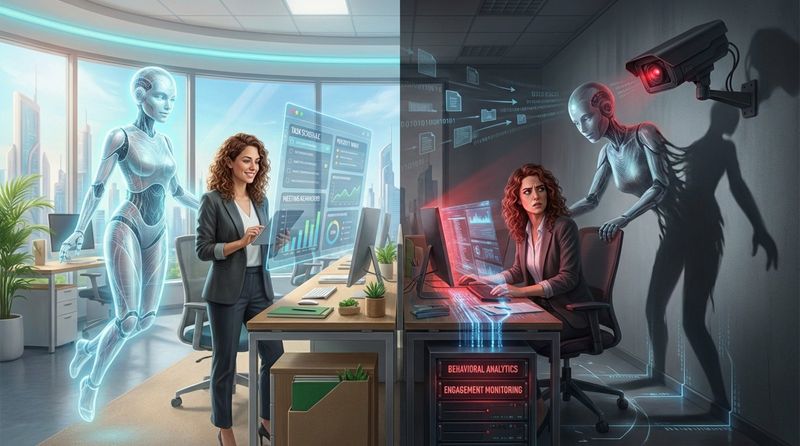
AI can boost engagement by handling routine tasks, but it carries a risk of "surveillance." If employees feel tracked, trust evaporates. Success depends on using AI transparently to support staff, not control them.
How AI tools are changing recognition and feedback
Technology can now highlight "invisible work," helping managers recognize contributions that might otherwise go unnoticed. Data-based feedback allows employees to self-correct and grow without waiting for formal reviews.
Personalization at scale: From learning to communication
Generic blasts are out. Internal communication is becoming personalized, delivering the right information to the right people via the right channels. Whether it is a quick video update or a visual dashboard, tailored content cuts through the noise and keeps teams aligned.
Common challenges and solutions facing organizations
Addressing burnout and change fatigue
Constant change can wear teams down. "Change Mindfulness"-pacing updates and explaining the "why"-helps reduce fatigue. To prevent burnout, some companies implement "Digital Sunsets," discouraging non-urgent communication after hours.
Closing the gap between frontline and remote employees
A major challenge is the divide between desk-based staff and frontline workers (retail, healthcare, manufacturing) who often lack access to email and digital tools. Bridging this gap is essential for a unified culture.
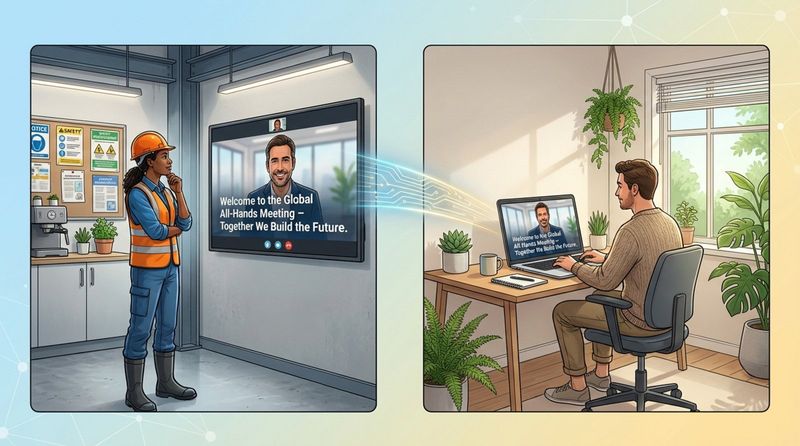
This is where Look Digital Signage can be a strong fit for your internal communication strategy. It allows you to broadcast announcements, KPIs, and recognition to every screen in your facility, ensuring deskless teams are just as informed as corporate staff.
Using Look CMS, you can centralize communication across multiple locations easily.
- Smart Scheduling: Ensure shift workers see relevant information by scheduling content to change based on the time of day.
- Ready-made Templates: Quickly create visually appealing announcements for birthdays, safety reminders, or company news without needing a designer.
- Look App: If you already have smart TVs or compatible hardware in your breakrooms, you can deploy the system immediately without buying new players.
Budget constraints and prioritizing engagement initiatives
With tighter budgets, HR teams must prioritize. Low-cost, high-impact actions-like better recognition programs or mentorships-often yield the best results. Investing in scalable tools that improve daily communication is often more effective than expensive, one-off events.
Successful strategies for boosting employee engagement in 2026
Leadership’s role in building culture and trust
Leaders are expected to be open and honest, sharing challenges as well as wins. Managers are shifting from controllers to "Empowerment Agents," removing barriers for their teams. This supportive leadership style sets the ceiling for engagement.
Actionable steps: Collecting, analyzing, and acting on feedback
Collecting feedback is only the first step. Closing the loop by acting on that data-and communicating those actions-is what builds trust. Even small, team-level changes based on feedback can significantly improve the daily work experience.
Internal communication strategies for a distributed workforce
Effective communication relies on variety. Short videos, digital signage, and chat tools replace long emails. Storytelling highlights real employee successes, fostering a sense of shared identity across different locations.
Future outlook: What to expect next in employee engagement
Predictions for organizational resilience and adaptability
Looking toward 2026, the focus will shift to "Empowerment." Employees will expect clear goals but "radical autonomy" in how they achieve them. Adaptability will rely on bringing diverse thinkers together to solve complex problems.
Evolving employee expectations for 2026 and beyond
Expectations for climate alignment and long-term life support will grow. Employees will look for employers who support their health and learning long-term. The future of engagement lies in helping people lead meaningful, connected lives both inside and outside of work.