Table of Content
Digital signage has become a powerful tool for modern churches, giving leaders a lively and flexible way to communicate with members and visitors. It goes far beyond old printed bulletin boards, offering real-time messages that can change quickly and even allow interaction. With digital displays, churches can improve directions, worship, announcements, and more. Used well, these screens help create a more welcoming, informed, and connected church family, while supporting spiritual growth.
Introduction to Church and Worship Digital Signage
Church communication has changed dramatically, moving from paper notices and printed bulletins to screens and digital messages. Today, digital signage is a key tool for churches that want to stay in touch with their communities in a clear and modern way.
What Is Digital Signage in Church Settings?
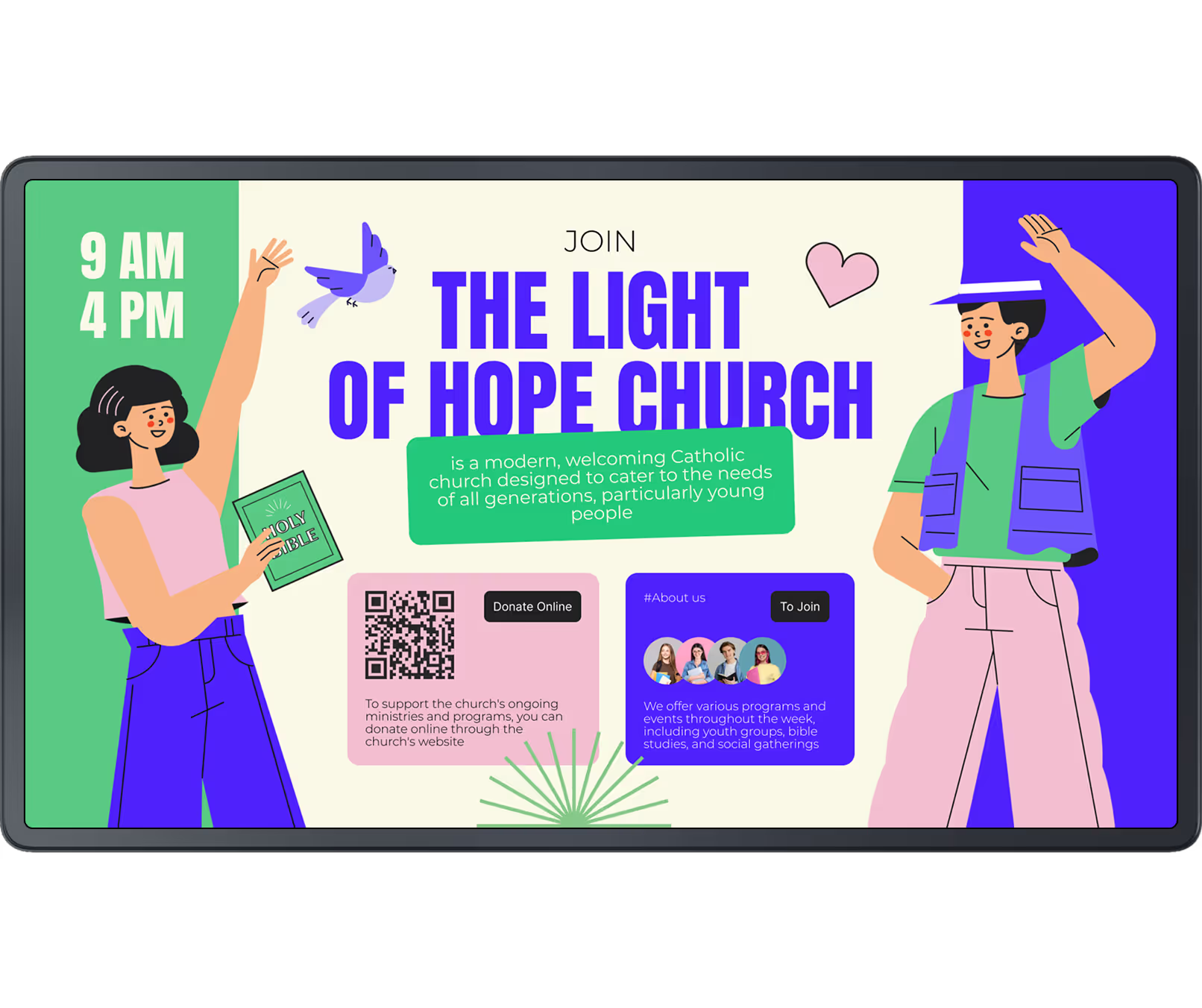
Digital signage means using electronic screens-such as TVs, tablets, or monitors-to show changing information. Unlike fixed printed signs, digital signs are easy to update at any time. Churches can use them to show welcome messages, service times, event calendars, Bible verses, safety alerts, and much more.
These displays are usually controlled by a content management system (CMS) and a media player, connected over a local network or the internet. This setup lets churches display several messages in rotation and quickly adjust what appears on each screen, making the system flexible and responsive to current needs.
Benefits of Digital Signage for Churches
Digital signage brings many benefits to churches, including:
- Stronger communication: Clear screens help spread important news, event reminders, service changes, and sermon themes quickly and accurately, which is especially helpful when plans change at short notice.
- More engaging worship and common areas: Moving, colorful content feels natural to people who live in a digital age. It appeals to younger members and also helps bridge the gap between generations.
- Lower printing costs over time: With fewer paper bulletins, flyers, and posters, churches can save money and reduce waste.
- More welcoming spaces: Well-planned digital signage helps visitors feel informed and included, and helps members feel more connected to church life.
All of this works together to give everyone who enters the building a clearer, more meaningful experience.

Types of Church Digital Signage Solutions
Because churches use many different spaces, digital signage can be set up in different ways to match each area’s needs. Each type of display serves a specific purpose and supports better communication and participation.
Indoor Displays: Lobbies, Sanctuaries, and Fellowship Halls
Indoor displays are usually placed where people pass by often, so more people will see them.
- Lobbies: Large screens in the entrance can greet visitors, show service times, promote upcoming events, and share welcome messages that change through the week.
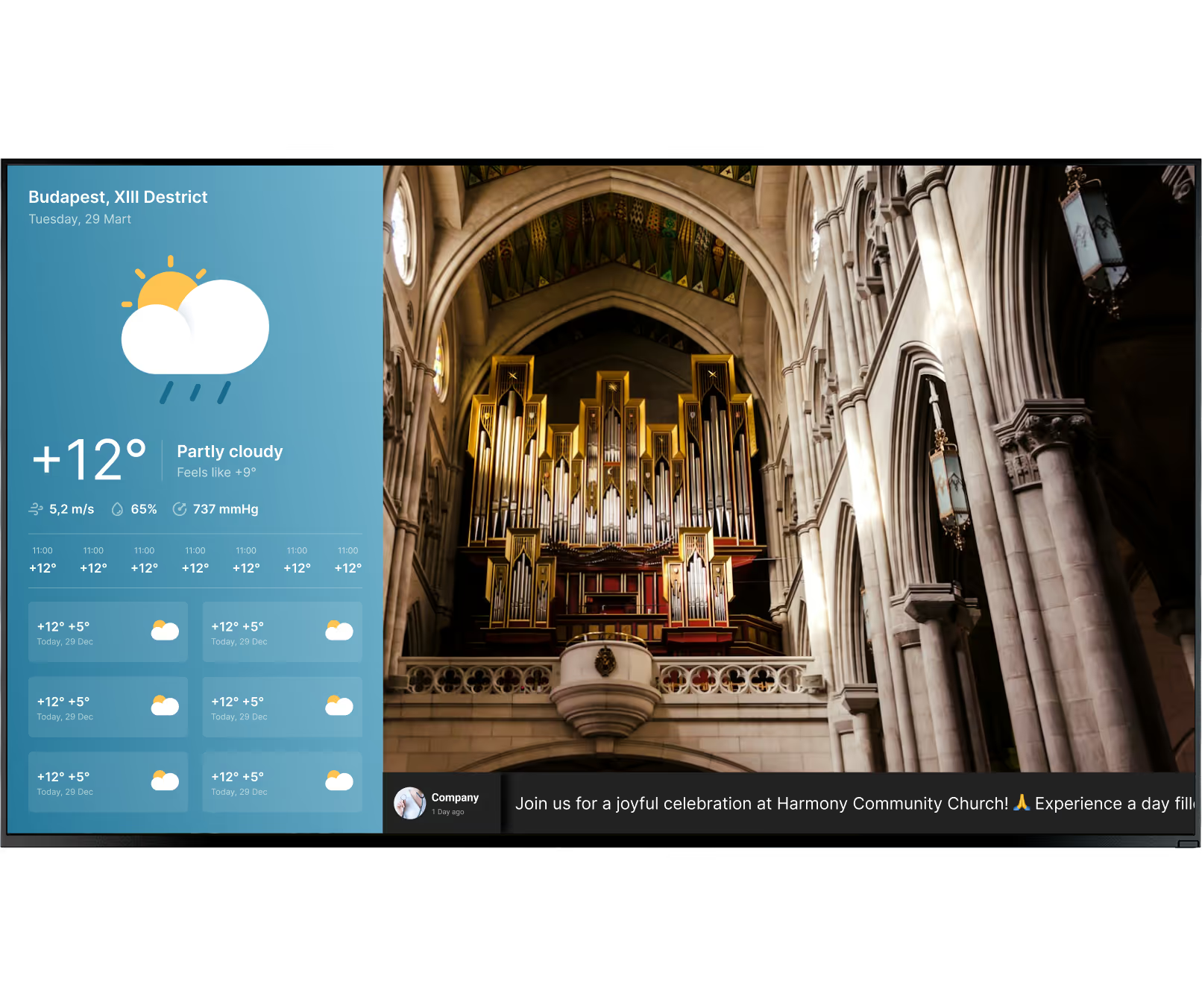
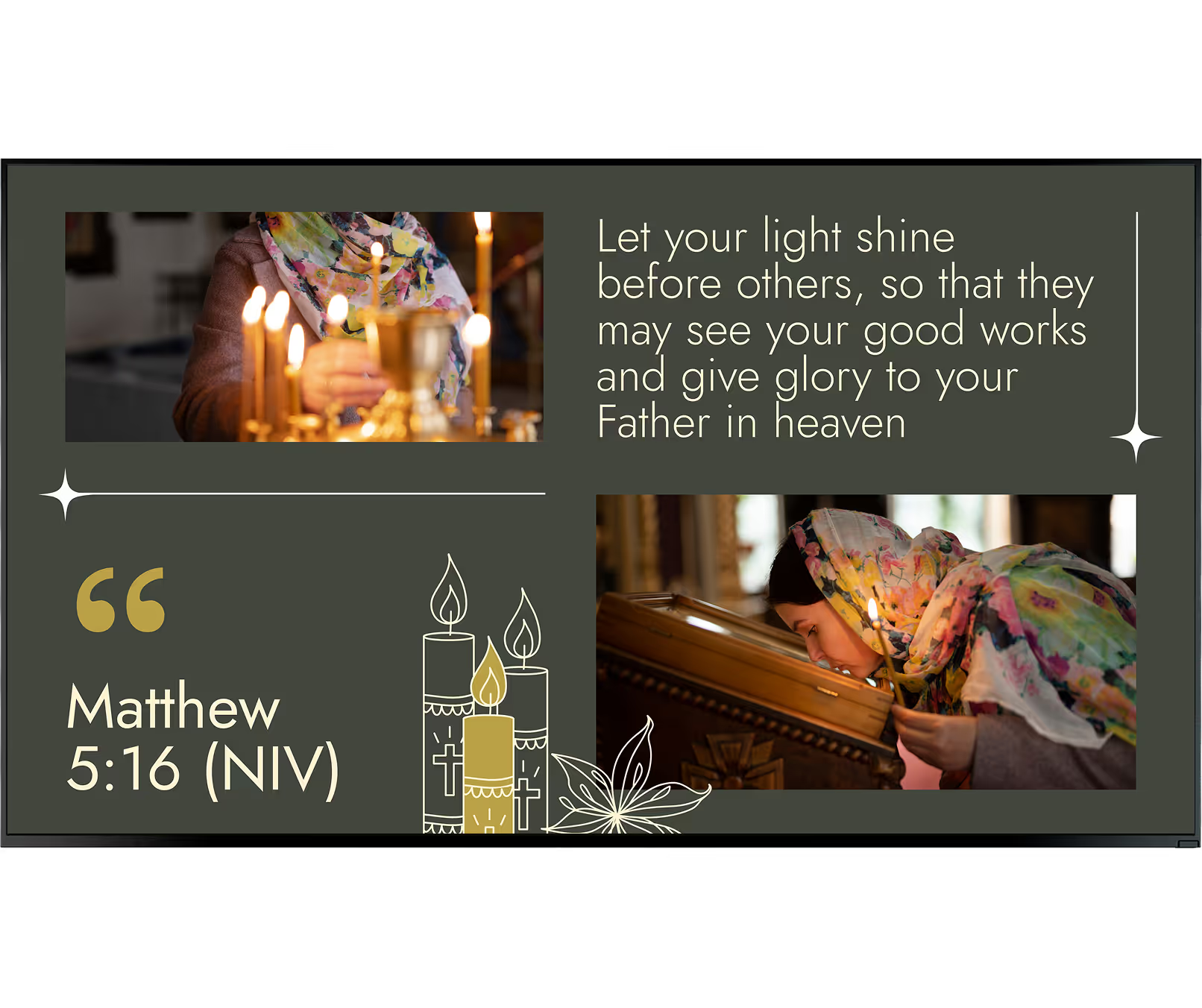
- Sanctuaries: Here, screens support worship by showing song lyrics, Bible passages, sermon points, and announcements. This helps everyone follow along, including new guests and people sitting farther away.
- Fellowship halls and common areas: Displays can highlight ministries, share photos from recent events, list volunteer needs, and show stories from members, giving people a better picture of church life.
Outdoor Signage: Entrances and Parking Lots
Outdoor digital signs help people find the church and stay informed before they even walk in.
- Placed at entrances or along the road, they can share service times and special events.
- Bright colors, graphics, and animations catch the eye, even from across a busy street.
- Outdoor screens usually need higher brightness (2,000-5,000+ nits) and sturdy, weather-resistant cases so they stay clear and safe in sun, rain, or snow.
Room-Specific and Event-Driven Displays
Some displays focus on a single room or type of event:
- Room-specific screens: Small monitors or tablets outside classrooms and meeting rooms can show who is using the room, when the next group arrives, and if the room is free. Some systems allow people to book rooms right from the screen.
- Event-focused screens: Displays near the children’s area, youth rooms, or fellowship halls can show only the events and messages that matter most there, such as kids’ check-in information or upcoming youth trips.
This focused approach helps the right people see the right information at the right time.
Applications of Digital Signage in Church and Worship Settings
Digital signage can touch almost every part of church life, from a visitor’s first step into the building to ongoing discipleship and outreach.
Welcoming Congregants and First-Time Visitors
First impressions shape how people feel about a church. Digital displays can help create a warm welcome.
- Lobby screens can show friendly greetings, simple “We’re glad you’re here” messages, and information for new visitors.
- Some churches even use systems that can show personalized greetings during events or conferences.
- Screens can briefly explain the church’s mission, core beliefs, and service style so guests quickly understand what the church is about.
Providing Wayfinding and Facility Information
Large buildings or multi-site campuses can be hard to navigate, especially for first-time visitors. Digital signs can make it easier to find the right place.
- Interactive maps can guide people to children’s check-in, restrooms, worship spaces, and classrooms.
- Directional arrows and simple labels can appear on screens at key junctions.
- Updated maps and listing boards help guests move around on their own, reducing confusion and making the visit more relaxed.

Displaying Real-Time Worship Content
During worship, digital signage plays a direct role in the service.
- Lyrics on screen help everyone sing, even if they do not know the songs.
- Scripture passages and sermon points on screen support the message and make it easier to follow.
- For multi-language congregations, verses or key points can appear in two or more languages at the same time.
This keeps attention focused and supports deeper understanding.
Promoting Announcements and Upcoming Events
Instead of crowded bulletin boards, churches can use digital signage for clear, eye-catching announcements.
- Rotate slides that list upcoming services, classes, youth events, retreats, and outreach projects.
- Update or remove events instantly without reprinting anything.
- Use photos and short videos to highlight key activities and invite people to join.
Encouraging Community Engagement and Social Media Participation
Digital signage can help build a sense of community both inside the building and online.
- Live social media feeds can show posts that use the church’s hashtag, such as photos from events or quotes from the sermon.
- Screens can list the church’s social media accounts and invite people to follow or share.
- Featuring member stories and photos helps people feel seen and included.
Highlighting Ministry Initiatives and Outreach Programs
Churches can use displays to present ongoing ministries and community outreach efforts.
- Show updates and photos from mission trips, food drives, youth programs, and support groups.
- Explain how people can volunteer or give to specific projects.
- Share progress reports so members can see the results of their time, gifts, and prayers.
Sharing Prayer Requests and Congregational Support
A digital prayer wall gives members a visible place to share needs and support each other.
- Screens in common areas can show prayer requests (with permission) for healing, guidance, or comfort.
- Testimonies of answered prayers or life change can encourage others.
- People can submit requests through a website, app, or kiosk, which then appear on the display.

Showcasing Donor Recognition and Digital Giving Options
Digital signage can support giving and financial transparency.
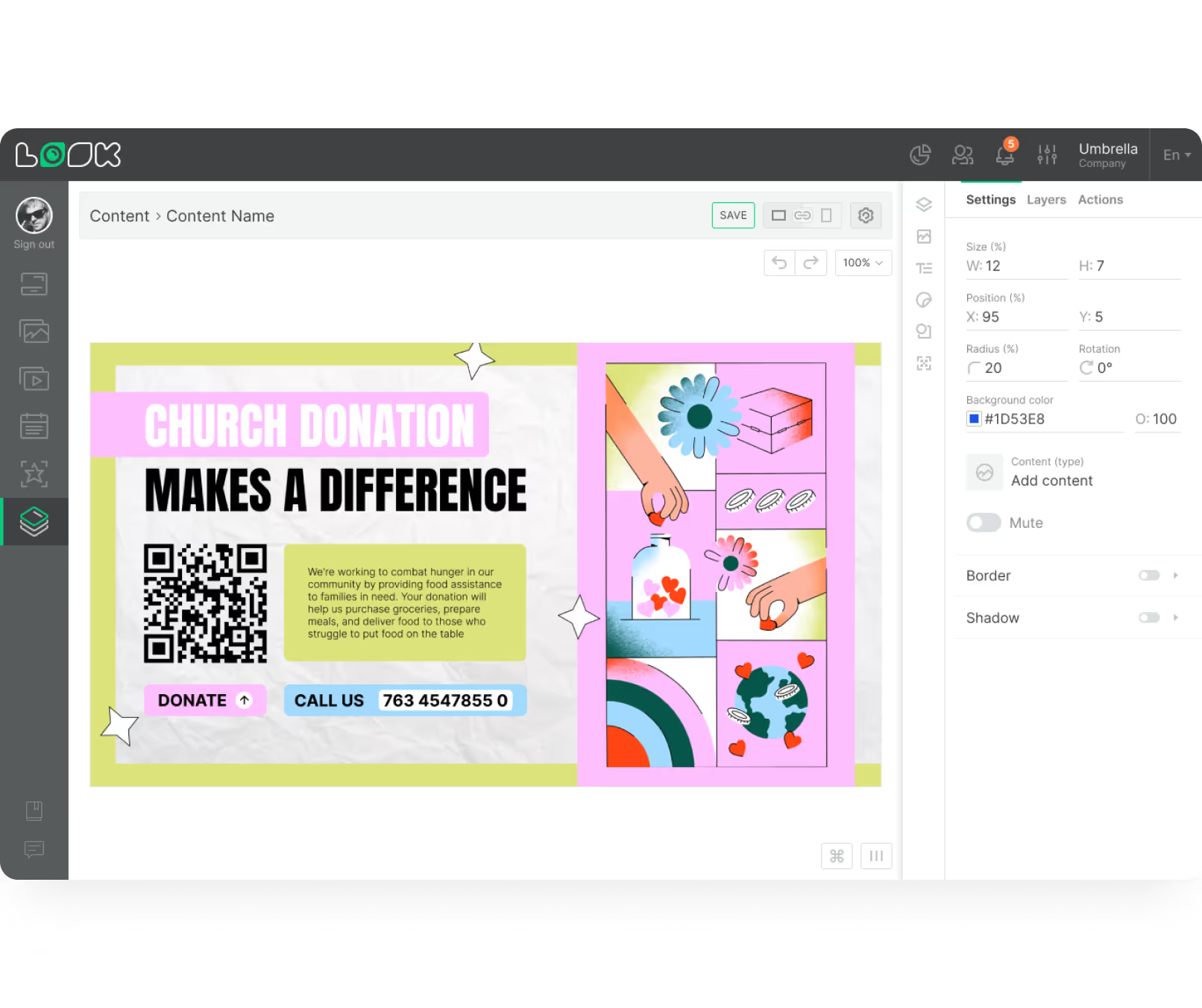
- Show QR codes that link directly to online giving pages for tithes, offerings, or special campaigns.
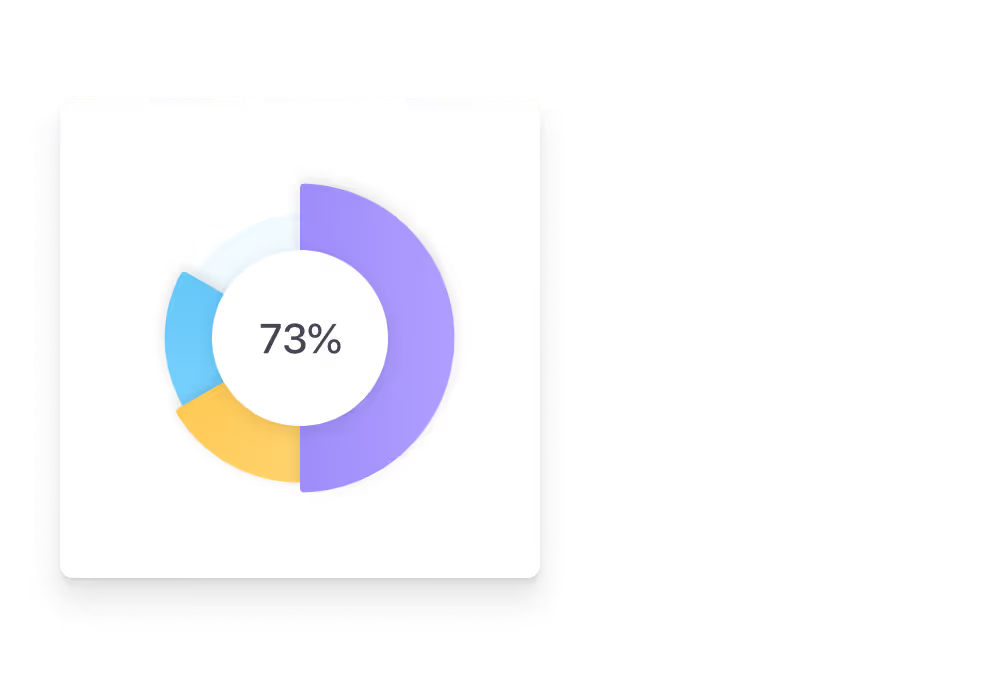
- Display simple “goal vs. progress” graphics, such as a fundraising thermometer that rises as gifts come in.
- Thank donors (with their consent) or highlight groups who contributed to a project, reinforcing gratitude and trust.
Featuring Safety Alerts and Emergency Notifications
Safety is a key concern for every church, and screens can help during urgent situations.
- In an emergency, displays can quickly switch to show clear instructions and exit routes.
- Weather alerts and security notices can appear across all screens at once.
- Combined with a written emergency plan, alerts on screens can guide people calmly and clearly.
Enhancing Study Groups and Interactive Learning
Digital signage can support teaching and discipleship for all ages.
- Group rooms can show current study topics, discussion questions, and upcoming sessions.
- Displays can share Bible trivia, short devotionals, children’s stories, and thought-provoking quotes.
- Interactive kiosks can offer ebooks, hymn collections, prayer guides, games, quizzes, and virtual tours of important religious sites.
This mix of content can make learning more engaging and accessible.
Best Practices for Implementing Church Digital Signage
Setting up digital signage involves more than hanging screens on walls. Churches need a clear plan so that technology truly supports ministry goals.
Content Scheduling and Management
Content planning is at the center of any good digital signage system.
- Use a user-friendly Content Management System (CMS) to upload, organize, and schedule messages.
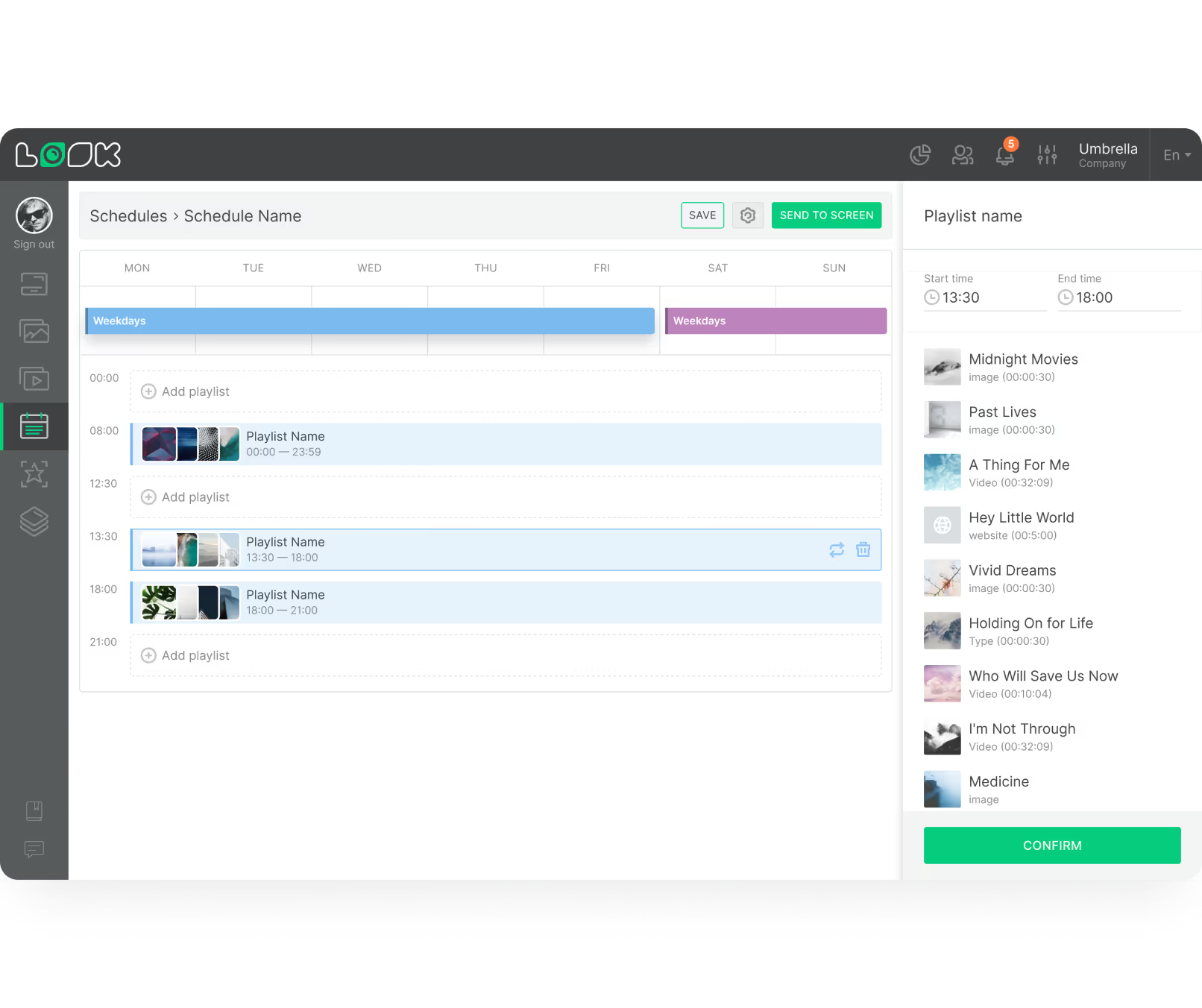
- Create a content calendar so the right messages appear at the right times and in the right places.
- Assign roles for who will create, review, and publish content to keep messages consistent and accurate.
- Refresh content often so screens do not become stale or ignored.
- Customize content per area (children’s wing, youth room, lobby) so messages match the audience.
Design Tips for Effective Communication
Good visual design helps people read and remember what they see on screens.
- Use large, clear fonts and strong color contrast so text is easy to read from a distance.
- Keep slides simple-avoid small text blocks and busy backgrounds.
- Focus on one main message per slide when possible.
- Use images and simple motion to support, not distract from, the core message.
- Use the church’s logo, colors, and style consistently so everything feels unified and familiar.

Ensuring Accessibility and Inclusivity
Digital signage should work well for everyone in the church community.
- Mount screens at heights and angles that are easy to see, including for people who use wheelchairs.
- Avoid tiny text, low-contrast colors, and rapid scrolling text that can be hard to read.
- Where needed, show key messages or Bible verses in more than one language.
- Use steady, calm motion and give people enough time to read each slide.
Thoughtful design choices help all members and guests feel included and informed.
Case Studies: Successful Church and Worship Digital Signage Applications
Many churches have already put digital signage to good use in creative ways.
One example is First Baptist Greenville, which uses digital signage to feature a “Ministry of the Month.” Screens show photos, testimonies, and practical information about how to get involved or support that ministry. Each month, a different ministry takes the spotlight, helping members learn more about the many ways they can serve.
Another example comes from churches that show live social media posts tagged with the church’s chosen hashtag. In a “church without walls” approach, photos and comments that members share appear on screens during events or between services. This gives people a sense of shared story and encourages them to post and connect.
Some churches also use interactive kiosks or large video walls to create self-service learning areas. These can offer:
- Digital libraries with ebooks and study materials
- Hymns, prayers, and worship resources
- Games and quizzes for children and youth
- Slide shows or digital photo albums from past events
- 360-degree virtual tours of important religious sites
These tools can be especially appealing to younger members and visitors who enjoy exploring content on their own.

Future Trends in Church Digital Signage
As technology keeps moving forward, new digital signage options will open up for churches.
- AI-powered content: Artificial intelligence tools may soon help generate scripture slides based on sermon topics, build schedules automatically, or create personalized welcome messages for returning guests based on previous visits.
- AR and VR experiences: Augmented reality and virtual reality could partner with digital displays to offer virtual Bible tours, interactive stories, or guided visits of historic faith sites.
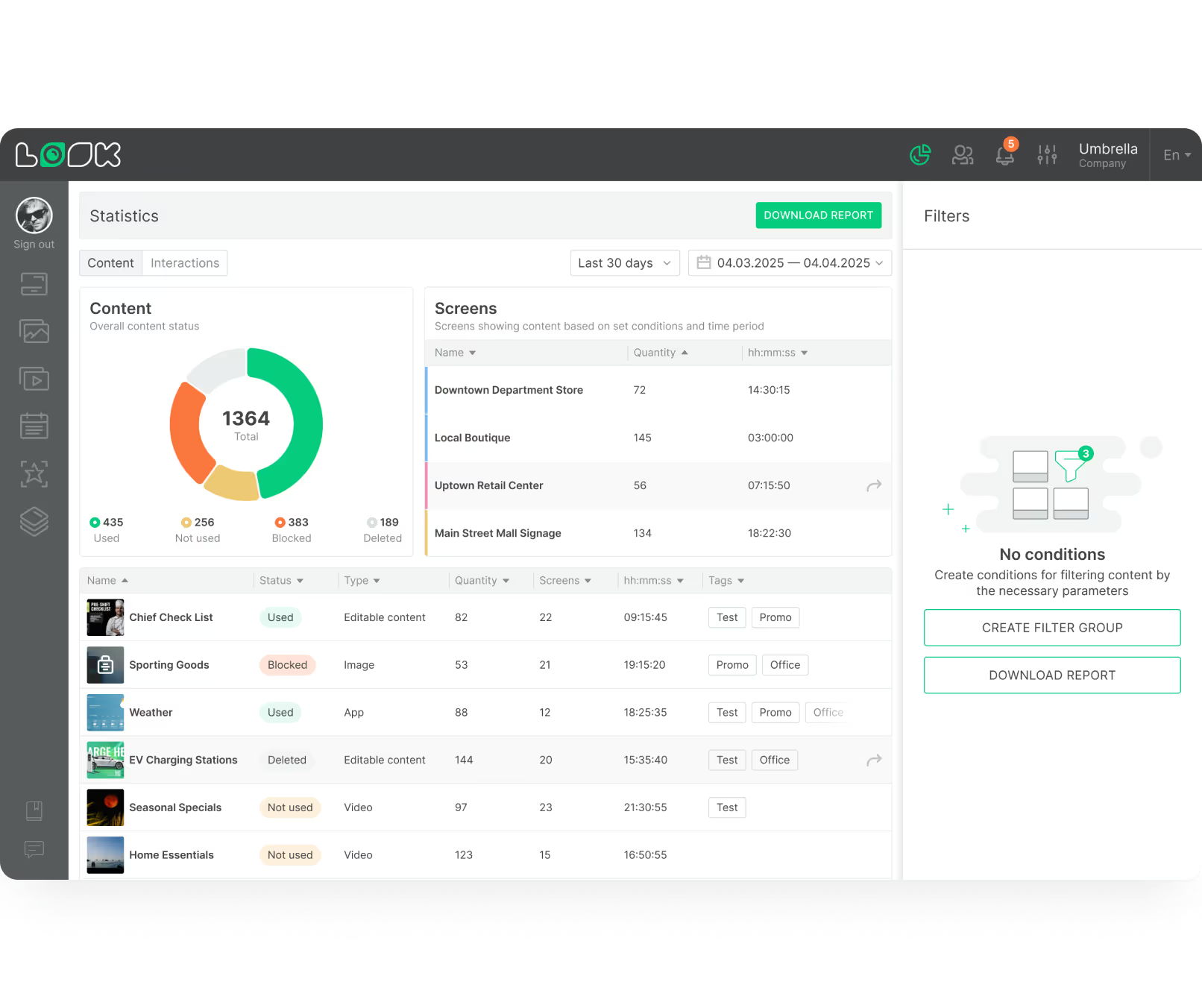
- Better data insights: Analytics tools may help churches see which messages people notice most, at what times screens are most effective, and which content best supports engagement and spiritual growth.
These developments point to more flexible, personal, and engaging digital tools in worship spaces over time.
Conclusion: Maximizing the Impact of Digital Signage in Worship Settings
The move from paper bulletin boards to digital screens marks a major change in how churches share information and support worship. Digital signage is more than a new gadget; it is a practical way to strengthen community, deepen spiritual focus, and keep long-held truths visible in a modern setting.
With wise planning, churches can use digital signage to simplify communication, welcome guests, support ministries, and create spaces where people of all ages feel connected and involved. Investing in these tools helps churches carry their mission forward in a digital world, keeping their message clear, current, and easy for people to see and respond to week after week.


.webp)