Table of Content
Who owns the biggest screens in the world? The global marketing landscape is shaped by a handful of major outdoor media companies that transform city streets and transit hubs into powerful communication channels. Industry leaders like JCDecaux, Clear Channel Outdoor, and Lamar Advertising manage vast networks that connect digital campaigns with real-world presence.
While the technology has shifted from paper posters to 3D digital displays, the goal remains the same: capturing attention where people live, work, and travel. This guide breaks down how outdoor advertising works, who the key players are, and how digital innovations are changing the way brands communicate in public spaces.
What Is Outdoor Advertising and How Does It Work Worldwide?
Definition and Common Formats
Outdoor advertising, or Out-of-Home (OOH) media, refers to any messaging consumers encounter outside their homes. From massive digital billboards in city centers to screens inside elevators, OOH offers a physical presence that cannot be skipped or blocked. This makes it one of the most reliable formats for brand visibility.
Most outdoor inventory fits into four categories:
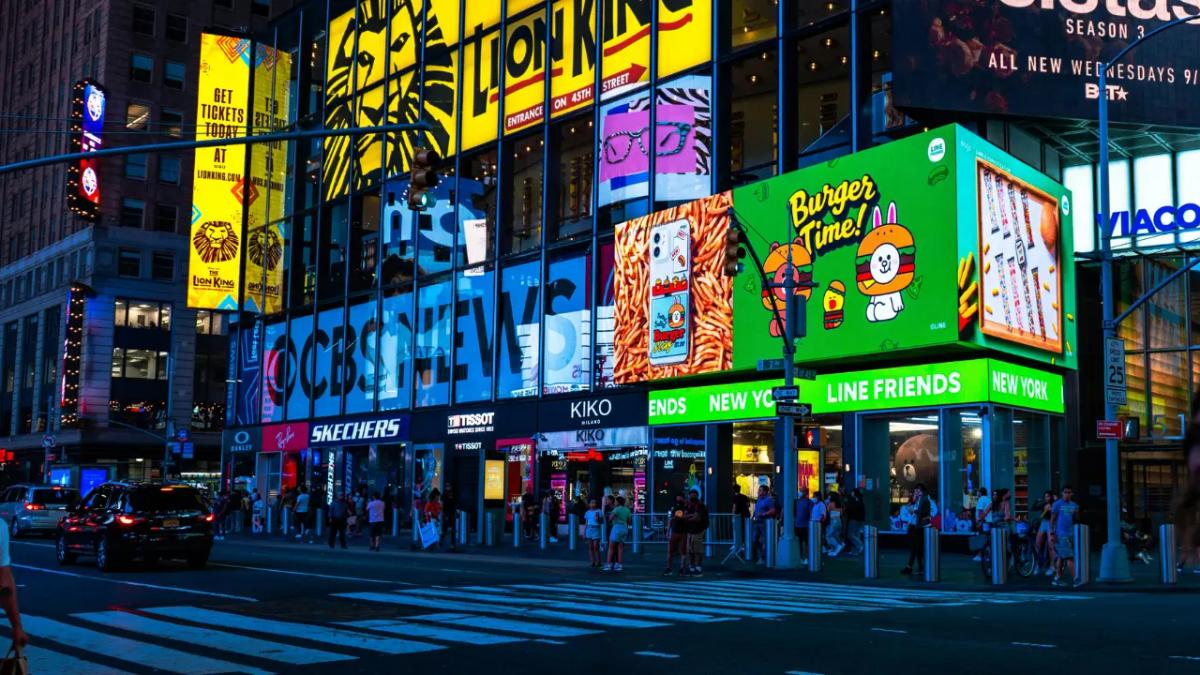
- Billboards: Large-format displays, both static and digital, typically found along roads and highways.
- Transit: Advertising on buses, trains, subways, and within airports or stations.
- Street furniture: Bus shelters, kiosks, benches, and urban information panels.
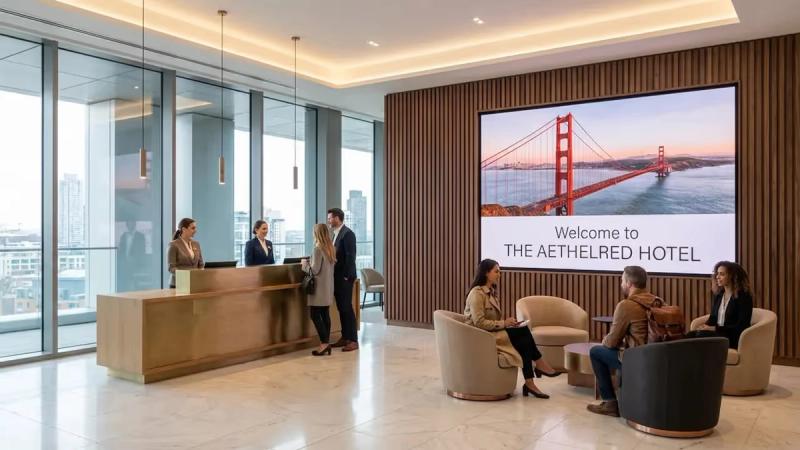
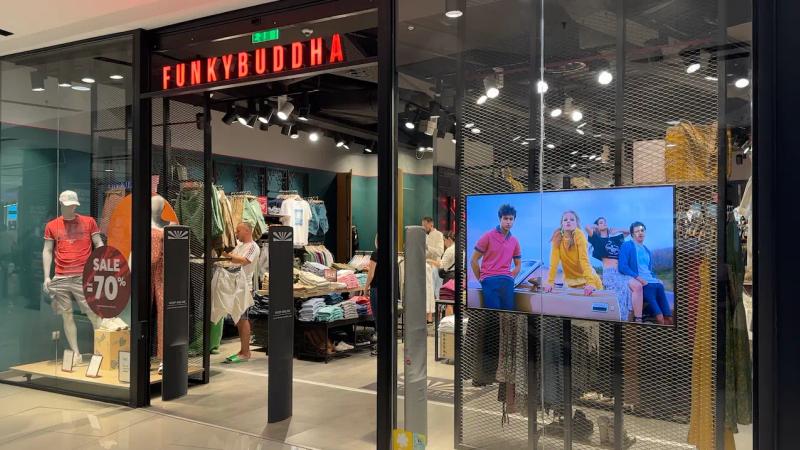
- Place-based media: Screens in specific venues like malls, gyms, office buildings, and cinemas.
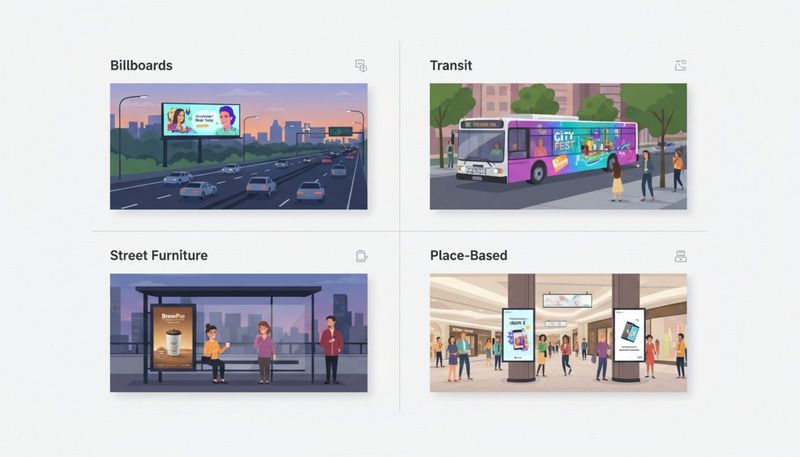
Digital Out-of-Home (DOOH) is the fastest-growing segment. It allows brands to display dynamic content that adapts to the time of day, weather conditions, or local audience data.
Global Reach and Role in Marketing
OOH integrates into daily routines-commuting, shopping, and socializing. As digital privacy regulations tighten and online ad fatigue grows, outdoor media provides a brand-safe environment with high impact. It often sits at the top of the marketing funnel, driving broad awareness that supports conversions in other channels.
Global players coordinate massive campaigns across borders. A brand can maintain consistent messaging across networks in New York, London, and Tokyo simultaneously, ensuring high visibility regardless of location.
Benefits of Using Outdoor Advertising Companies
Partnering with established OOH providers grants access to prime real estate that is otherwise difficult to secure. These companies handle permitting, hardware installation, and maintenance, allowing advertisers to focus purely on the message. Major providers also offer sophisticated data tools to estimate audience size and dwell time.
There is also the "fame factor." Large-scale physical ads signal authority. A prominent billboard creates a sense of trust and scale that digital banners rarely achieve, helping businesses build lasting credibility.
Types of Outdoor Advertising Used by Leading Companies
Billboards: Static and Digital
Billboards remain the most recognized OOH format. Static vinyl boards offer 24/7 visibility for long-term branding or directional messaging. They are simple, durable, and effective.
Digital billboards add flexibility. Multiple advertisers can share a single location, rotating messages in short loops. Modern networks utilize smart triggers-for instance, a beverage brand can automatically switch creative based on the local temperature. This relevance increases engagement and recall.
Transit and Airport Displays
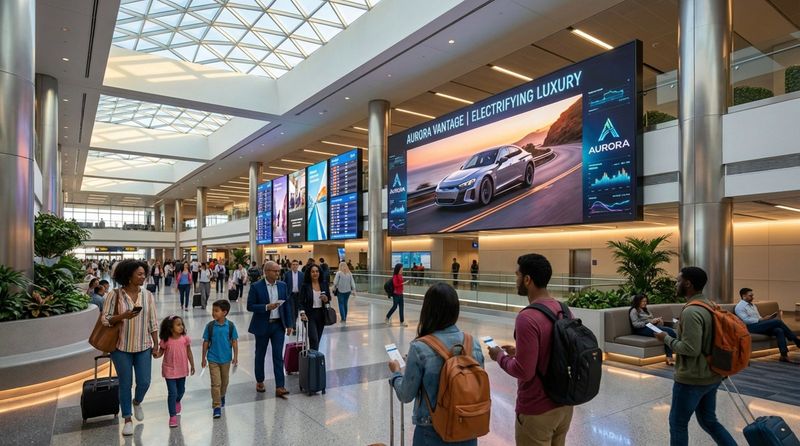
Transit ads reach consumers in motion. Whether wrapped around a bus or displayed on a subway platform screen, these ads benefit from high frequency as commuters travel the same routes daily.
Airports represent a premium tier of transit media. Companies like JCDecaux focus heavily here, targeting business travelers and international tourists. The longer dwell times in terminals allow for more detailed storytelling, ideal for luxury, finance, and tech brands.
Street Furniture and Urban Panels
Street furniture brings advertising to eye level. Bus shelters and information kiosks integrate into the cityscape, making them less intrusive and highly effective for pedestrian targeting.
Many OOH firms operate through public-private partnerships. They maintain city infrastructure-such as Wi-Fi kiosks or bike stations-funded by the ad revenue generated from the displays. This model improves city services while giving brands access to high-traffic urban areas.

Place-Based and Retail Media Networks
Place-based media targets audiences during specific activities. Screens in gyms, universities, or office lobbies reach people when they are focused on distinct goals.
Retail media networks are a critical part of this sector. Retailers are increasingly installing screens near products to influence decisions at the point of sale. To manage these networks effectively, businesses need reliable software to control content across locations.
If you are building your own retail media network or managing screens across multiple sites, Look Digital Signage is a strong fit. It is designed to scale from one screen to thousands without complex IT hurdles. Using Smart Scheduling, you can ensure promotions run exactly when traffic is highest. For advertising networks where accountability is key, Look DS offers Proof-of-Play reporting to verify that ads ran as promised. You can also use Screen Layouts to display multiple content zones simultaneously, maximizing the value of every display.
How Do Outdoor Advertising Companies Differ?
Inventory and Geographic Coverage
OOH providers vary significantly in scope. Some operate globally across dozens of countries, while others specialize in specific regions, such as North American highways. The right partner depends on your campaign goals: do you need deep saturation in one city or broad visibility across international markets?
Format specialization also matters. One vendor may dominate street furniture in urban centers, while another owns the majority of roadside billboards. A diversified mix often yields the best campaign results.
Data and Measurement
Measurement has evolved beyond simple traffic counts. Leading companies now use anonymized mobile data and GPS signals to understand audience demographics and movement patterns. This allows brands to target screens based on who is actually seeing them, rather than just where they are located.
Advanced attribution models connect OOH exposure to digital actions, such as website visits or app downloads. This data helps prove ROI and integrates outdoor advertising into broader performance marketing strategies.
Digital Innovation
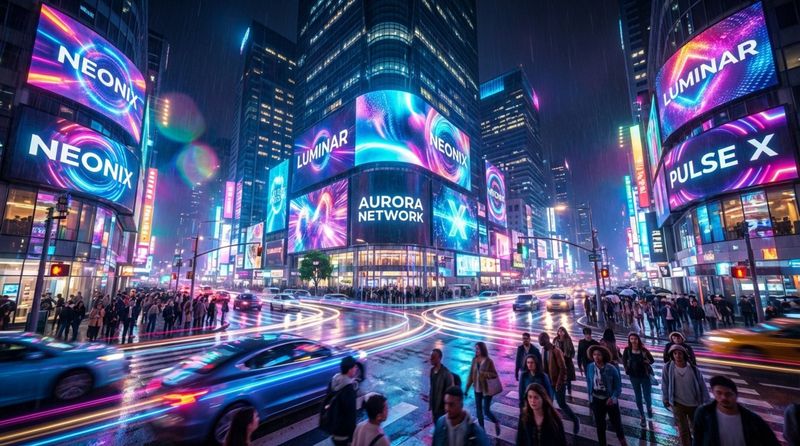
The shift to digital has turned OOH companies into tech platforms. Programmatic buying allows advertisers to purchase space automatically based on real-time triggers. Creative technologies, such as anamorphic 3D content, turn standard screens into viral experiences that extend reach well beyond the physical location.
Top Outdoor Advertising Companies Worldwide in 2026
JCDecaux
Based in France, JCDecaux is widely recognized as the largest outdoor advertising company globally. Pioneers of the street furniture concept, they hold major contracts with cities and airports worldwide. Their network is known for premium locations and high aesthetic standards.
Clear Channel Outdoor
A major force in the U.S. and Europe, Clear Channel Outdoor has aggressively expanded its digital footprint. Their RADAR data platform offers advertisers advanced audience insights, helping plan campaigns based on consumer behavior rather than just location.
Lamar Advertising
Lamar dominates the North American roadside market, managing over 350,000 displays. They are the go-to provider for highway and interstate coverage in the U.S. and Canada, serving brands that need to reach drivers outside of dense urban cores.
OUTFRONT Media
OUTFRONT focuses on high-impact assets in major U.S. cities like New York and Los Angeles. They have a strong presence in transit advertising and manage significant inventory for major transportation authorities.
Ströer
Headquartered in Germany, Ströer combines OOH operations with digital content publishing. They focus on a multi-channel approach, leveraging digital screens in train stations and city centers to complement online campaigns.
Focus Media
A leader in China, Focus Media specializes in indoor networks. Their screens in elevators, office buildings, and cinemas target the urban middle class, offering high-frequency exposure in daily living and working environments.
APG|SGA
Switzerland’s leading OOH provider, APG|SGA covers everything from city centers to mountain resorts. They are known for premium inventory quality and strict adherence to local planning and design regulations.
Asiaray Media Group
Operating across Greater China and Southeast Asia, Asiaray focuses on "space management" in airports and metro lines. They aim to create immersive visual environments rather than just selling isolated ad panels.
Pattison Outdoor Advertising
As Canada’s largest OOH company, Pattison offers a broad mix of transit, billboard, and digital inventory. Their local expertise helps brands navigate Canada’s diverse markets and geography.
Ocean Outdoor
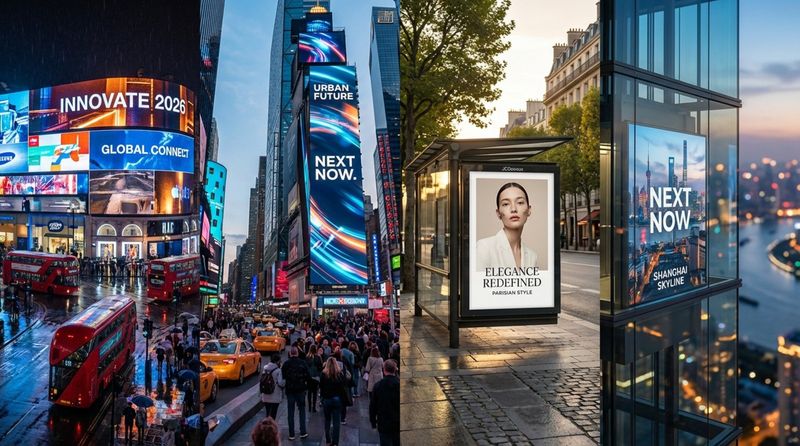
Ocean Outdoor specializes in iconic digital formats in the UK and Europe. They manage premium sites like London’s Piccadilly Lights and focus on high-tech, creative-led campaigns that often utilize 3D visuals and audience interaction.
Key Factors When Choosing an Outdoor Partner
Evaluating Inventory Quality
Volume matters less than placement. A thousand screens in low-traffic areas will not outperform ten screens in prime locations. Look for partners who offer a strategic mix of large formats for reach and street-level formats for frequency.
Understanding the Proposal
A solid proposal connects inventory to your specific goals. It should include clear metrics on expected reach, frequency, and share of voice for digital units. Demand transparency on how these figures are calculated.
Post-campaign reporting is equally important. Reliable providers supply proof of performance, including installation photos and playback logs, ensuring you got the exposure you paid for.
Budgeting and Costs
Costs vary wildly based on format and location. Digital screens often have higher media rates but save on production and installation costs. Static billboards require printing fees but may offer lower monthly rates. Balancing these options is key to maintaining an efficient CPM (cost per thousand impressions).
Trends and the Future of Outdoor Advertising
Technology and Real-Time Data
OOH networks are becoming smarter. Screens now react to live data feeds-traffic conditions, sports scores, or weather alerts-to display the most relevant content instantly. AI is also being used to optimize creative layouts and predict which messages will perform best in specific environments.
Programmatic Buying
Automation is streamlining how OOH is bought and sold. Programmatic platforms allow brands to bid on inventory in real-time, activating ads only when specific criteria are met. This reduces wasted spend and makes outdoor media as flexible as digital ads.

Sustainability and Smart Cities
The industry is moving toward greener operations. Companies are adopting energy-efficient LED technology and recyclable materials. Furthermore, digital kiosks are evolving into smart city hubs, providing public Wi-Fi, wayfinding, and emergency alerts alongside advertising. This utility ensures that outdoor advertising remains a valuable part of the urban infrastructure.
For businesses looking to launch their own networks, whether for internal communications or retail advertising, choosing the right management platform is the first step. Look Digital Signage provides the tools to build a professional network easily. With the Look Player, you can deploy screens quickly without technical headaches, while the cloud-based dashboard lets you manage content from anywhere. It is a practical solution for turning your physical spaces into active communication channels.