
Table of Content
How do you build a digital signage network that runs reliably 24/7 without constant maintenance? It starts with choosing the right commercial-grade equipment. While the software manages your content, the hardware-screens, media players, and mounts-ensures your message stays visible. This overview covers the industry leaders in display technology and the specialized providers that keep your screens running smoothly.
Modern hardware has evolved far beyond standard televisions. Top manufacturers now combine advanced display technologies like MicroLED and OLED with robust computing power. Whether you are upgrading a single lobby screen or rolling out a network across multiple locations, understanding the strengths of these manufacturers will help you make a practical, long-term investment.
What Defines a Leading Digital Signage Hardware Manufacturer?
Key Qualities of Top Manufacturers
The main difference between professional hardware and consumer electronics is endurance. A standard TV is designed for a few hours of daily viewing, whereas commercial digital signage often runs non-stop in demanding environments like transit hubs, kitchens, or bright storefronts. Leading manufacturers prioritize heat dissipation, dust protection, and commercial-grade panels that resist "burn-in," even when displaying static menus or announcements for long periods.
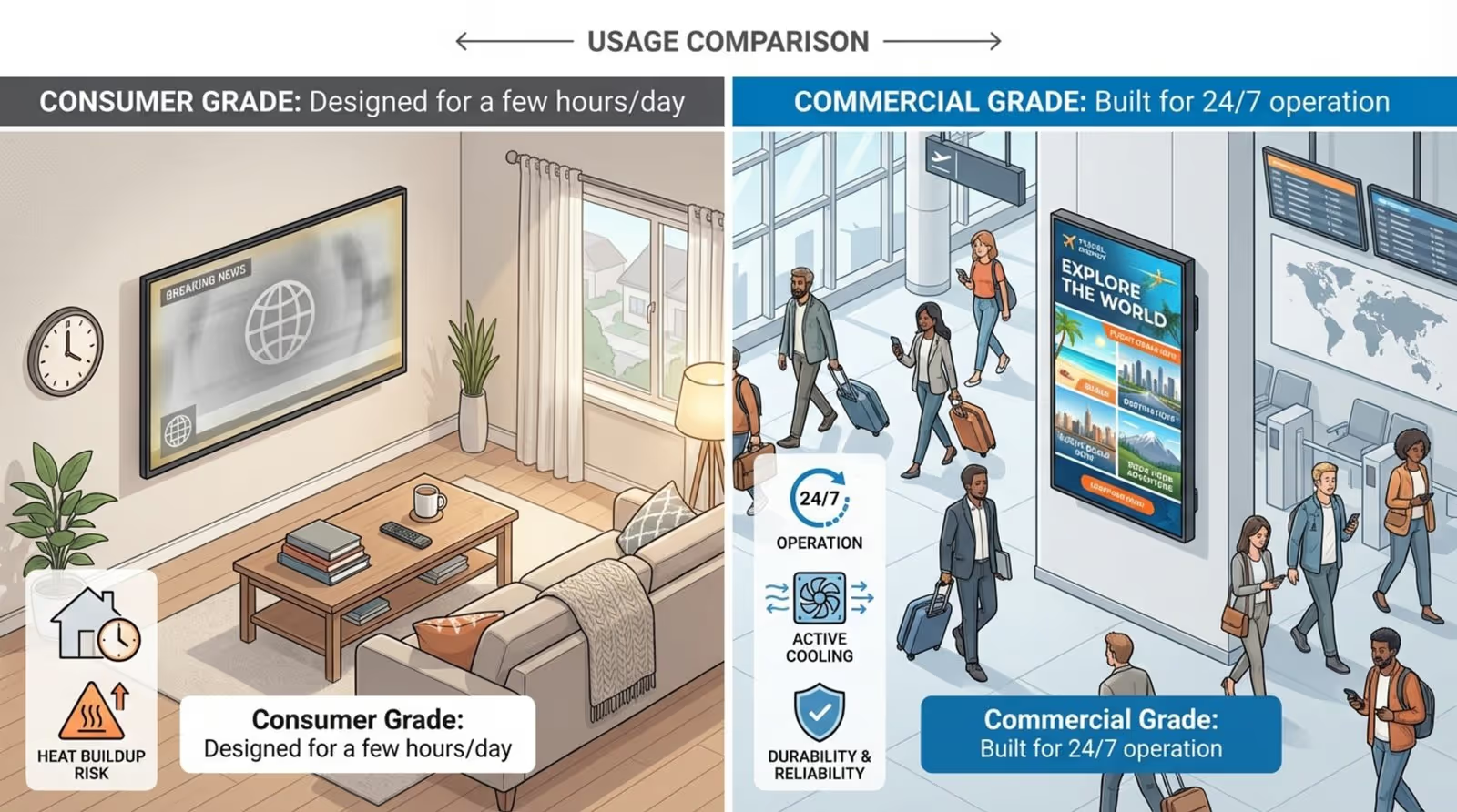
Beyond durability, performance is critical. Top brands ensure high brightness levels to combat sunlight and wide viewing angles so your content remains clear from any spot in the room. They also favor "human-centered" design, ensuring that hardware is easy for technicians to install, service, and update without dismantling the entire setup.
Certifications and Industry Standards
Reliability is often proven through strict adherence to standards. Energy efficiency certifications, such as Energy Star, are essential for businesses looking to reduce operating costs across a large network. For hardware installed in public spaces, safety certifications regarding fire resistance and electrical safety are non-negotiable.
Leading hardware partners also maintain compatibility with major software platforms. This ensures your screens can "speak" to your Content Management System (CMS), allowing for remote diagnostics, automatic updates, and real-time monitoring. These capabilities help IT teams and facility managers maintain uptime without constant site visits.
Factors Influencing Market Leadership
Innovation drives the market leaders. Companies with significant market share continue to grow by solving specific business problems, such as creating ultra-thin bezels for seamless video walls or integrating sensors for audience analytics. The goal is to stay ahead of technical demands while maintaining stability.
Support services are equally important. A manufacturer that offers solid warranties, global availability, and responsive technical support is often a better choice than a budget provider with limited service. In digital signage, hardware failure means a blank screen, so a reliable support network is vital for protecting your investment.
Major Digital Signage Display Manufacturers
Samsung
Samsung leverages its massive footprint in consumer electronics to dominate the professional display market. Their portfolio is extensive, ranging from the QLED Smart Signage series-known for 4K UHD clarity-to "The Wall," a modular MicroLED system for large-scale custom installations. Samsung screens often feature the Tizen OS, an internal operating system that supports various CMS applications directly on the display.
Samsung’s hardware serves a wide variety of industries. From sleek displays for corporate offices to rugged outdoor screens for drive-thrus, their products are built for high-impact visuals and continuous operation. Their focus on slim profiles and high brightness makes them a frequent choice for retail and high-traffic environments.
LG
LG Electronics is a major force in the industry, particularly recognized for its OLED technology. In the signage space, LG offers unique formats like Ultra Stretch displays (86-inch and 88-inch), which fit perfectly on pillars or narrow headers. The "One:Quick" series is also popular in education and corporate settings, combining displays with video conferencing tools.
LG excels at immersive visual setups. Their outdoor displays are engineered to withstand weather extremes while maintaining visibility. With a strong global distribution network, LG provides an end-to-end model that supports logistics and installation, making them a reliable partner for international rollouts.
Sony
Sony applies its deep experience in image processing to its BRAVIA Professional Displays. These screens are selected for their superior image quality, utilizing advanced HDR and OLED technology to deliver deep contrasts and rich colors. The Crystal LED system is their modular answer for massive, seamless video walls often found in broadcast studios and premium showrooms.
While Sony prioritizes visual fidelity, they also focus on usability. Their professional displays offer straightforward controls and integrate well with professional control systems. They are a strong contender for businesses where image quality is the highest priority.
Philips
Philips combines commercial-grade displays with integrated software features designed to simplify system integration. They have a strong presence in hospitality and healthcare, offering specialized screens for these sectors. Philips hardware is designed to play well with other technologies, helping businesses create connected signage networks with minimal friction.
ViewSonic
ViewSonic has established itself as a reliable option for small to mid-sized businesses and budget-conscious projects. Their commercial displays deliver solid picture performance and often run on Android OS, allowing for easy software installation. ViewSonic devices are flexible and practical, making them a good fit for offices, schools, and control rooms needing steady performance without complexity.
AOC/Neovo
Neovo focuses on durability, producing LCD monitors designed for tough environments like public kiosks and transportation centers. They emphasize commercial-grade build quality, often backing their screens with extended warranties. Their hardware is frequently used for wayfinding and video walls in hotels and airports where 4K resolution and physical robustness are required.
Leyard and Planar
Leyard and Planar operate at the high end of the visualization market, specializing in advanced LED technology and large-format displays. They are a standard choice for massive video walls and high-impact environments. If a project requires custom shapes or heavy-duty industrial displays, these manufacturers are often at the top of the list.
Media Player and Digital Signage Controller Providers
.webp)
BrightSign
BrightSign is known for its dedicated media players. These devices are purpose-built for signage, avoiding the complexities of PC-based systems. Their players range from simple models for basic loops to advanced units capable of rendering complex HTML5 content and 4K video. They are a common choice for networks requiring specific hardware stability.
AOPEN
AOPEN bridges the gap between industrial reliability and commercial accessibility. Their Chromebox Commercial devices are designed for 24/7 usage in public spaces. Offering various connectivity options like HDMI and USB-C, AOPEN hardware is often found in retail and enterprise environments where consistent uptime is required.
Elo Touch Solutions
Elo specializes in interactivity. Their architecture uses Android to ensure a consistent user experience across different touchscreen sizes. Because Elo focuses on a unified platform, retailers and businesses can deploy interactive catalogs and self-service kiosks that feel familiar to users, supporting omnichannel strategies.
Look DS

Look Digital Signage (Look DS) offers a streamlined approach to hardware, focusing on simplicity and ease of use. The Look HDMI Player is a plug-and-play device designed to turn any HDMI-equipped screen into a digital sign in minutes. It is a cost-effective, professional alternative to complex PC setups, offering reliable playback of 4K video and dynamic content. Because the hardware is built to work seamlessly with the Look CMS, it allows for instant remote management and eliminates difficult configuration steps.
Advantech
Advantech provides rugged controllers for industrial applications. Their hardware is often embedded into kiosks or outdoor infrastructure where environmental conditions are harsh. They focus on longevity and processing power, ensuring that data-rich content runs smoothly even in challenging physical settings.
Comparing Digital Signage Hardware Solutions
Display Resolution: HD, 4K, 8K Options
4K UHD has become the standard for most commercial digital signage, providing the crisp detail needed for menus and retail displays. While 8K is emerging for luxury video walls, 4K remains the practical choice for the majority of businesses. HD (1080p) is still functional for basic informational screens, but investing in higher resolution ensures your hardware won't look outdated as content quality improves.
Performance and Reliability Benchmarks
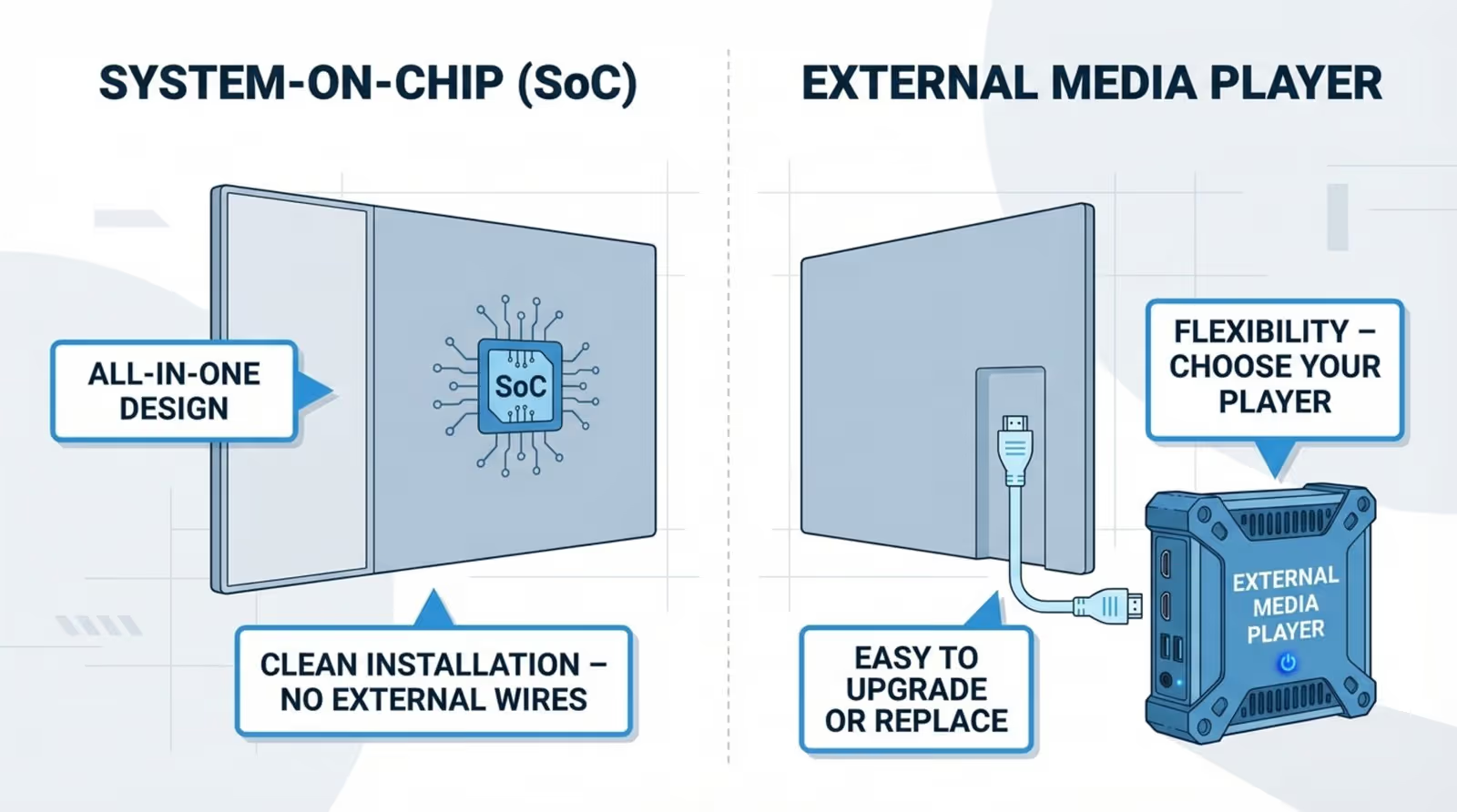
A key decision is choosing between System-on-Chip (SoC) screens and external media players. SoC displays (like many Samsung and LG models) have the player built-in, offering a cleaner setup with fewer cables. External players, such as the Look HDMI Player, often provide more flexibility and can be replaced easily without changing the screen.
Ease of Integration with Software
Hardware is only as good as the software it runs. Leading manufacturers design their devices to be "software agnostic" or compatible with top platforms. The easier it is to connect your player or screen to your CMS, the faster you can publish content. This integration is what allows for remote management, reducing the need for manual updates via USB sticks.
Scalability and Upgrade Paths
Smart hardware choices allow you to scale from 1 screen to thousands. Modular options let you upgrade processing power without replacing the display panel. This is crucial for businesses planning to expand their network or adopt new tools like AI-assisted content or IoT triggers in the future.
Choosing the Right Digital Signage Hardware Manufacturer
Business Needs and Goals
Start by defining your primary goal. A high-end fashion retailer may need the pristine color accuracy of a Sony or Samsung display, while a corporate office might prioritize the interactive capabilities of an LG screen or an Elo kiosk. The environment dictates the specs: outdoor screens need high brightness and weatherproofing, while indoor lobby screens focus on resolution and design.
Budget Considerations
Look at the Total Cost of Ownership (TCO), not just the sticker price. This includes energy usage, potential maintenance, and the cost of downtime. While some premium brands have higher upfront costs, they may save money over time through durability. Conversely, using a cost-effective media player like the Look HDMI Player on existing screens can be a smart way to launch a pilot or roll out a network without blowing the budget.
Support and Warranty Services
Post-purchase support is critical. Ensure your manufacturer offers clear warranty terms and accessible technical help. Minimizing downtime is essential, so having a responsive partner can save your team hours of frustration.
Regardless of the hardware brand you select, the software you use to control it makes the biggest difference in your daily operations. We recommend Look Digital Signage as a strong fit for managing your network, whether you use System-on-Chip screens or external players. Look DS allows you to manage content from anywhere, utilizing smart scheduling to automate your playlists and offline playback to keep screens running even if the internet drops. By pairing reliable hardware with the Look CMS, you can ensure your digital signage is an asset, not a technical burden.