
Table of Content
How do you choose between pulling customers in with helpful content or pushing your message out to a broad audience? Inbound marketing focuses on building trust through relevance, while outbound marketing aims for immediate reach through direct promotion. Understanding the difference-and how to blend them-is key to a strategy that saves time and actually drives results.
Think of it as a magnet versus a megaphone. An inbound approach builds a magnet so customers naturally discover your brand when they need a solution. An outbound approach uses a megaphone to broadcast a message, hoping the right person hears it. Both methods have value, but they differ significantly in cost, speed, and how they impact customer perception.

What is the Difference Between Inbound and Outbound Marketing?
Definition of Inbound Marketing
Inbound marketing brings potential customers to you rather than competing for their attention. It relies on the idea that if you provide value first, customers will trust you with their business later. By creating content that addresses specific problems or needs, you position your brand as a helpful expert. This method is permission-based; people choose to read your blog, download your guide, or view your digital signage content because it offers something they want.
This is a long-term play. It uses tools like Search Engine Optimization (SEO), educational content, and community engagement to create an environment where the customer feels in control. In a landscape where audiences are skeptical of traditional ads, inbound marketing acts as a bridge of transparency between a business and its market.
Definition of Outbound Marketing
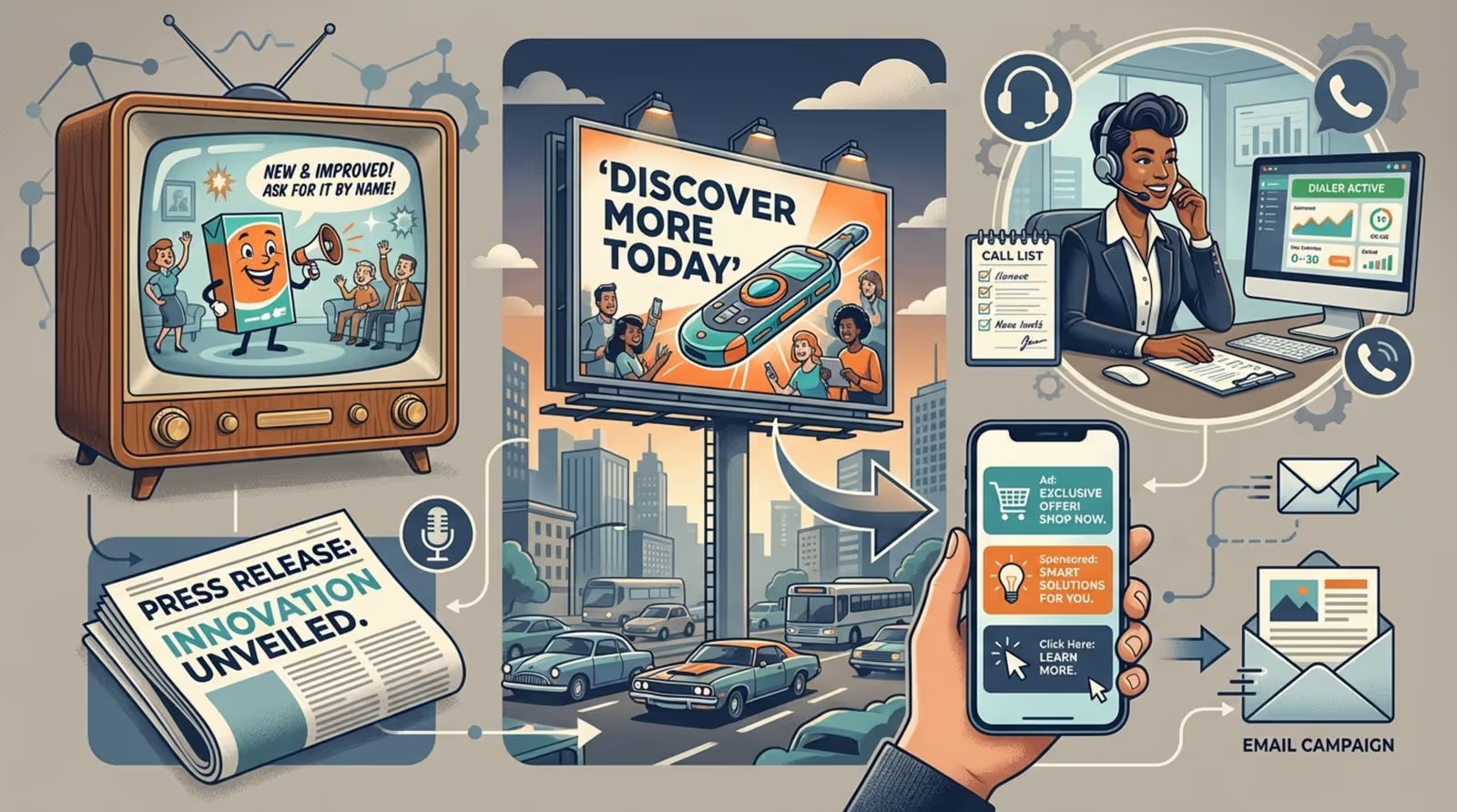
Outbound marketing follows a traditional "interruption" model. It involves actively reaching out to people to spark interest in a product or service. This includes TV and radio ads, digital display ads, billboards, cold calls, and mass emails. The focus is usually on volume-reaching a large audience and counting on a percentage to convert.
While some view it as old-fashioned, outbound marketing remains powerful for generating quick awareness. It puts the offer directly in front of the customer without waiting for them to search for it. Because it is proactive, you can control the timing and reach of your message, making it a strong fit for product launches and seasonal campaigns.
Why the Distinction Matters for Businesses
Understanding the difference affects your budget, your staffing, and your brand reputation. Relying solely on outbound marketing often leads to high operational costs; when you stop paying for ads, the leads stop coming. Conversely, relying only on inbound can result in slow initial growth, as it takes time to build visibility and a content library.
Modern customer journeys are rarely linear. A customer might see an outbound ad, then research your brand via reviews or blog posts before making a decision. Knowing how to leverage both methods helps you build a plan that meets customers at different stages, ensuring your brand is both visible and trusted.
How Does Inbound Marketing Work?
Key Channels and Methods Used in Inbound Marketing
Inbound marketing relies on relevant content delivered through the right channels. Content Marketing is central to this: blog posts, guides, and videos that solve problems. By answering questions people are asking, you establish authority. SEO ensures this content is findable when users search for solutions.
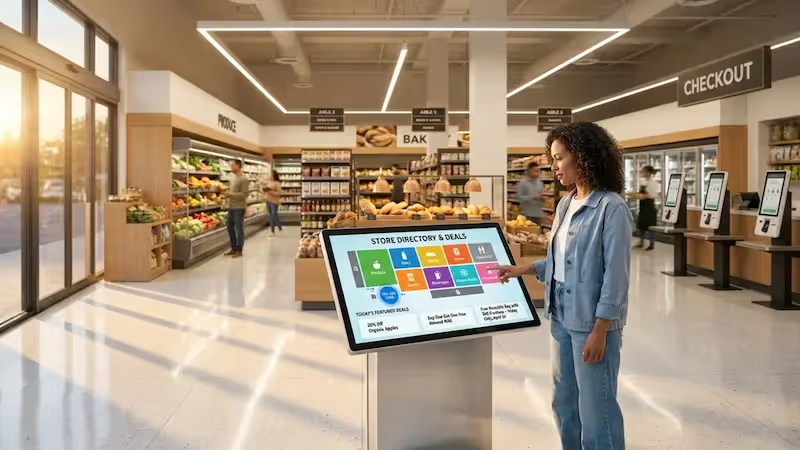
Social media and on-premise displays also play a role. Instead of just broadcasting ads, inbound social strategies focus on community building. Similarly, inside a physical location, screens can display helpful information-like wayfinding or safety tips-rather than just ads. These channels allow for deeper connection without the "hard sell" typical of outbound methods.
Stages of Inbound Marketing: Attract, Engage, Delight
Inbound marketing is often visualized as a flywheel. The Attract stage is about drawing in the right people with strong content and keyword-focused pages. You aren't forcing your way into their day; you appear when they are looking for help.
Once visitors arrive, the Engage stage begins. Here, you build a relationship by offering insights and solutions. This might include free trials, detailed guides, or helpful interactive scenarios on a kiosk. The Delight stage focuses on retention. Through excellent support and ongoing value, you turn customers into advocates who recommend your brand, keeping the flywheel moving.

Examples of Successful Inbound Marketing
Many successful brands use inbound strategies to build authority. HubSpot is a prime example, offering extensive free educational content that attracts millions of business owners. When those users eventually need software, the brand is already a trusted resource.
GoPro takes a different angle by leveraging user-generated content. By sharing videos filmed by customers, they build a community narrative. This content serves as proof of what the product can do, inspiring new users without a traditional sales pitch.
Inbound Marketing Case Study: Airbnb
Airbnb’s "City Guides" demonstrate effective inbound marketing. Instead of just listing rentals, they publish detailed guides for neighborhoods worldwide. When travelers search for local tips, they land on Airbnb pages. This positions the brand as a travel partner rather than just a booking engine, reaching customers during their planning phase.
Benefits of Inbound Marketing
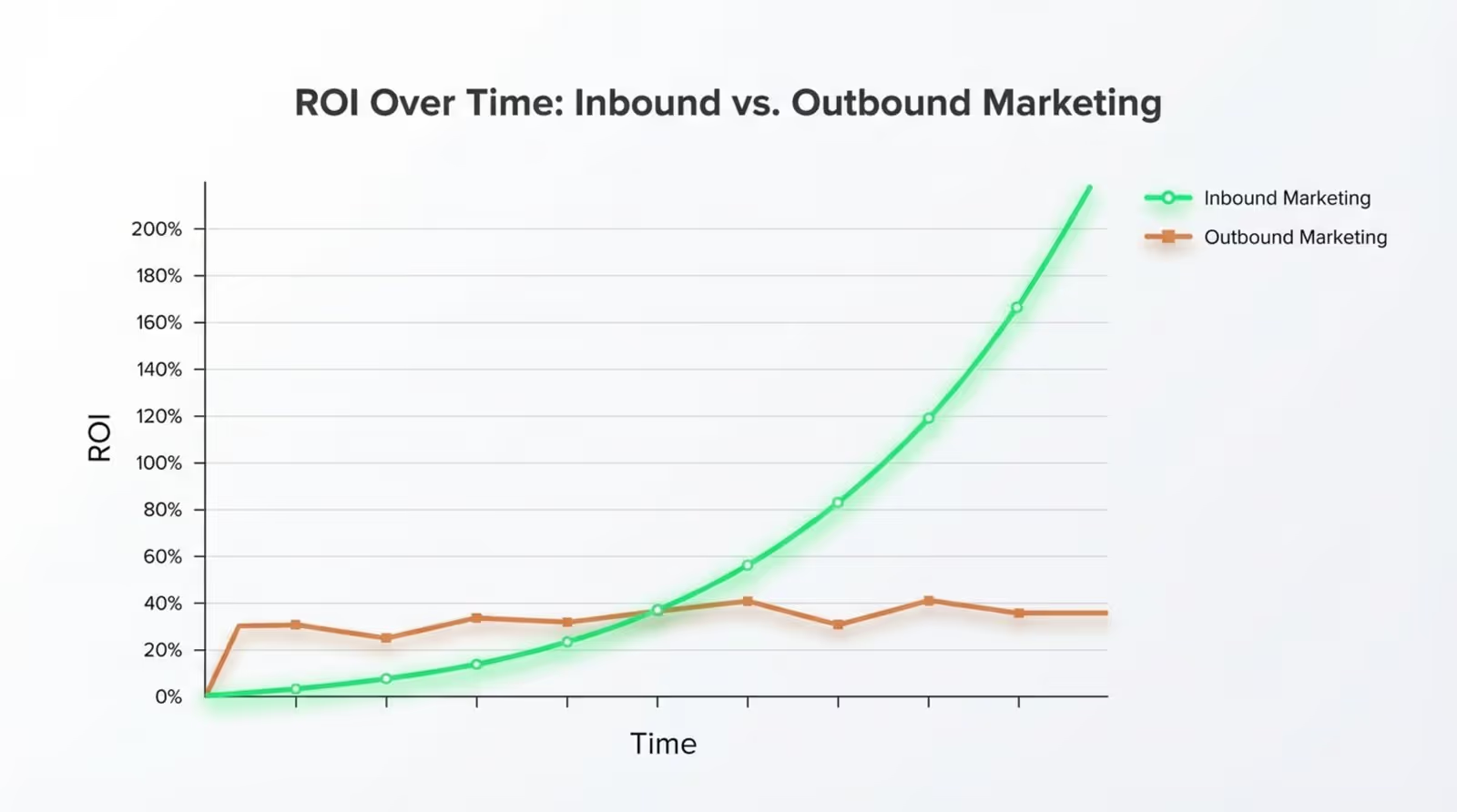
The primary benefit of inbound marketing is efficiency over time. While it requires upfront effort, high-quality content can generate leads for years. This creates a compounding Return on Investment (ROI) that is difficult to achieve with paid ads alone.
Inbound also builds trust. Because customers find you on their own terms, they often feel less pressured. Leads generated through inbound channels tend to be better informed and more ready to engage, often resulting in higher retention rates.
Challenges and Limitations of Inbound Marketing
The main challenge is speed. It can take months of consistent work before a blog or organic channel drives significant traffic. For businesses needing immediate sales, this ramp-up period can be difficult. Inbound requires patience and a data-driven approach to refinement.
Additionally, the space is crowded. To stand out, your content must be genuinely useful and clear. This requires specific skills in strategy and analytics, which can be a hurdle for small teams without dedicated resources.
How Does Outbound Marketing Work?
Common Outbound Marketing Strategies and Channels
Outbound marketing utilizes high-visibility channels to reach many people simultaneously. Television and Radio remain common for broad reach. Online, Display Ads and Pay-Per-Click (PPC) play a similar role, placing your brand in front of users who may not be actively searching for you.
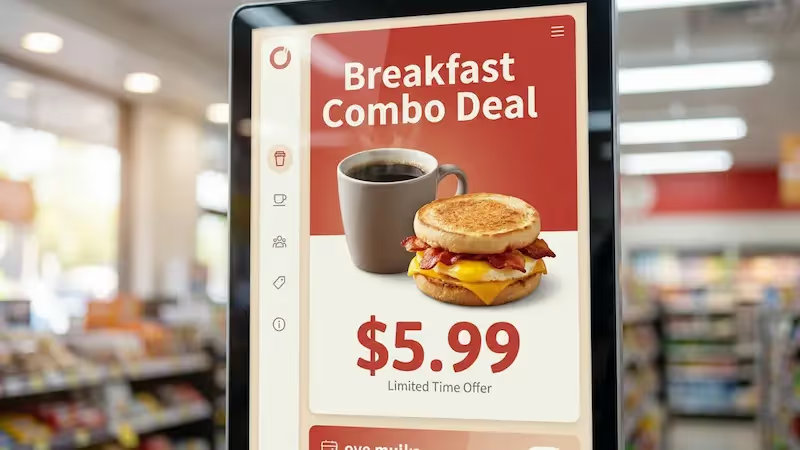
Other channels include Direct Mail and Trade Shows, where direct interaction drives interest. Cold Outreach via email or phone is another classic tactic. In physical spaces, digital signage in windows facing the street acts as a powerful outbound tool, catching the eye of passersby with dynamic motion and offers.

Outbound Marketing Examples in Action
Infomercials are a classic example of outbound marketing, interrupting viewing time to present a problem and solution. Similarly, roadside billboards ensure brand visibility to commuters. These tactics do not wait for the customer to initiate interest; they create it.
Online, pre-roll video ads function similarly. You intend to watch specific content, but first, you see a brief ad. While sometimes viewed as intrusive, these ads effectively spread a message quickly to a massive audience.
Outbound Marketing Case Study: Super Bowl Commercials
Super Bowl ads represent the peak of outbound marketing. Brands invest heavily to reach a massive, diverse audience instantly. These spots are less about targeting specific needs and more about cultural impact and broad awareness, proving that a strong "push" campaign can still be highly effective with enough reach.
Advantages of Outbound Marketing
The biggest advantage is speed. If you need to announce a new product or offer immediately, outbound is often the only way to generate traffic overnight. You also get quick feedback; metrics like impressions and clicks are available almost immediately, allowing for rapid testing of offers.
Modern outbound tools also allow for detailed targeting. Platforms enable you to focus on specific demographics-such as age, location, or interests-helping you reach people who are more likely to care about your message.
Challenges and Drawbacks of Outbound Marketing
The primary downside is cost. Outbound marketing is essentially renting attention. Once the budget stops, the visibility disappears. Furthermore, the cost per acquisition is often higher because you are paying to reach many people who may not be interested.
"Ad fatigue" is another concern. Audiences are increasingly skilled at ignoring ads, using blockers, or skipping videos. To cut through the noise, outbound campaigns must be creative and concise to justify the spend.
Inbound vs. Outbound Marketing: Key Differences Explained
Audience Targeting and Approach
Inbound is buyer-centric. It focuses on what people are searching for, meaning the audience discovers the content on their own. This usually results in lower initial volume but higher engagement.
Outbound is seller-centric. It starts with the business identifying potential buyers and trying to reach them. While targeting has improved, you often cannot know the user's intent at that specific moment. Inbound responds to a need; outbound attempts to create one.
Cost and ROI Considerations
Inbound often wins on cost efficiency, while outbound wins on speed. Inbound leads typically cost less over time because the assets (like blogs) belong to you. However, the ROI builds slowly.
Outbound requires continuous spending. The return is usually faster and easier to track in the short term-spend X to get Y revenue. Many businesses accept higher acquisition costs in exchange for these predictable, immediate results.

Effectiveness for B2B vs. B2C Marketing
For B2B, inbound marketing is often dominant. Complex purchase decisions involve research and multiple stakeholders, making educational content like whitepapers and webinars essential. Outbound in B2B is often reserved for targeted account-based marketing or events.
For B2C, outbound has historically been the primary driver for low-cost, impulse purchases. However, many B2C brands are now adopting inbound strategies to build loyalty and repeat business over time.
Impact on Buyer Journey and Lead Quality
Inbound marketing generally produces higher-quality leads. Since the prospect initiated the interaction, they are often further along in their decision process. Outbound leads are often "colder" and may require more nurturing to convert, resulting in lower conversion rates despite higher volume.
Is SEO Inbound Marketing?
Yes, SEO is a fundamental inbound tactic. It optimizes your presence so that search engines rank your solutions for relevant queries. When a user searches for an answer and finds your site, that is pure inbound marketing-attracting traffic without paying for each click.
Can Inbound and Outbound Marketing Work Together?
Integrating Both Strategies for Greater Results
The most effective businesses rarely rely on a single method. They blend both. For example, you might create a high-value guide (inbound) and promote it via targeted social ads (outbound). This uses the speed of outbound to amplify the trust-building power of inbound.
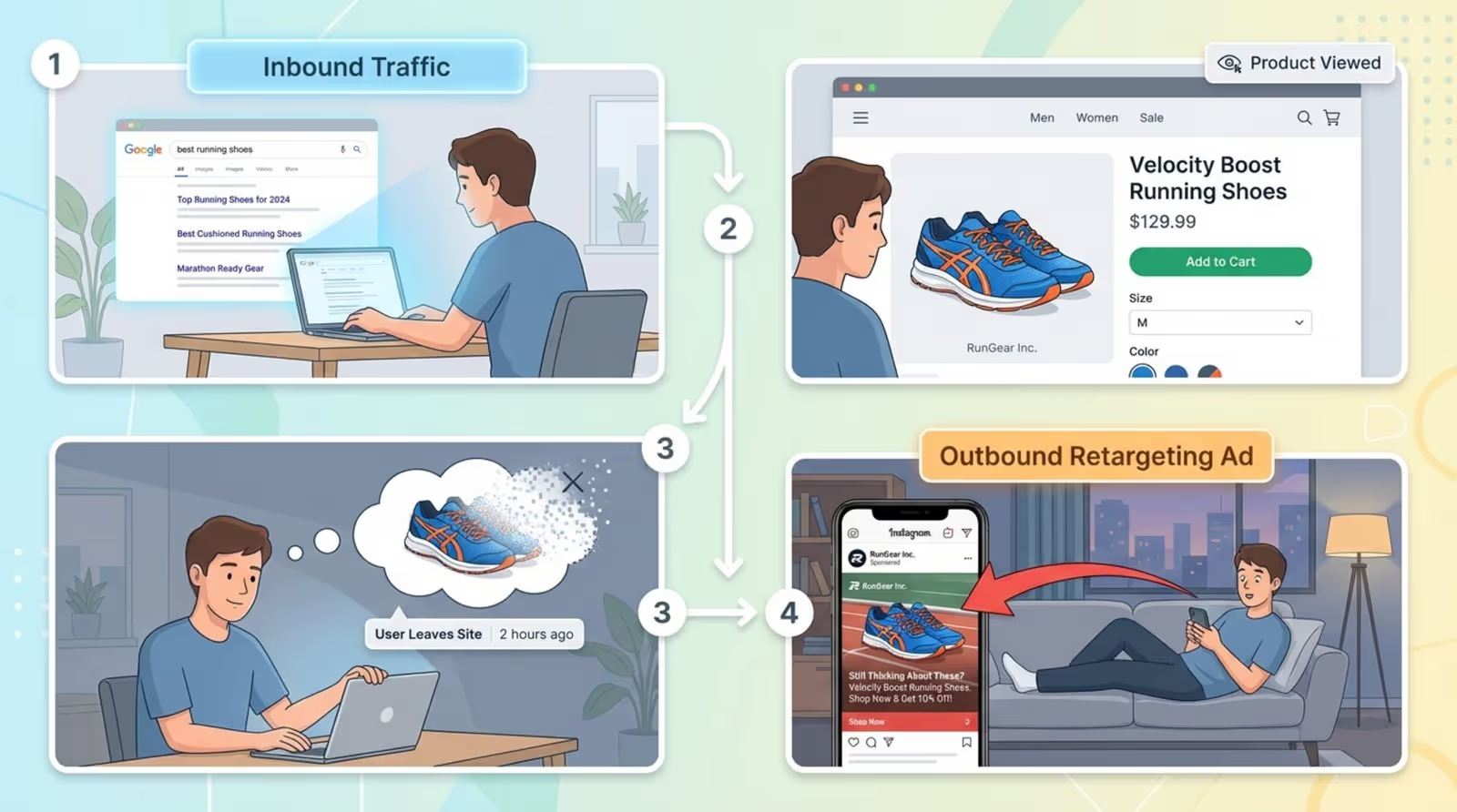
Retargeting is another effective hybrid. A user might visit your site via organic search (inbound) but leave without purchasing. You can then serve them display ads (outbound) to remind them of your solution, keeping your brand top-of-mind.
Combined Marketing Strategy Case Study: Nike
Nike effectively blends these approaches. They invest heavily in outbound campaigns-TV spots and endorsements-to build brand image and demand. Simultaneously, they use inbound tactics through apps like Nike Run Club. These tools offer free value and community, deepening the relationship with the customer long after the initial purchase.
Tips for Blending Inbound and Outbound Tactics
- Use Outbound to Test: Run small ad campaigns to test headlines or offers. Use the data to inform your long-form inbound content.
- Maintain Consistency: Ensure your ads match the tone of your website and emails. Inconsistent messaging erodes trust.
- Nurture with Outbound: After capturing a lead via inbound content, use outbound channels like email or retargeting to keep them engaged.
- Leverage Physical Spaces: If you have a physical location, use digital signage to bridge the gap. Screens facing outward can run outbound promotions, while screens inside can provide inbound value like directories or safety info.
How to Measure the Success of Inbound and Outbound Marketing
Essential Inbound Marketing KPIs
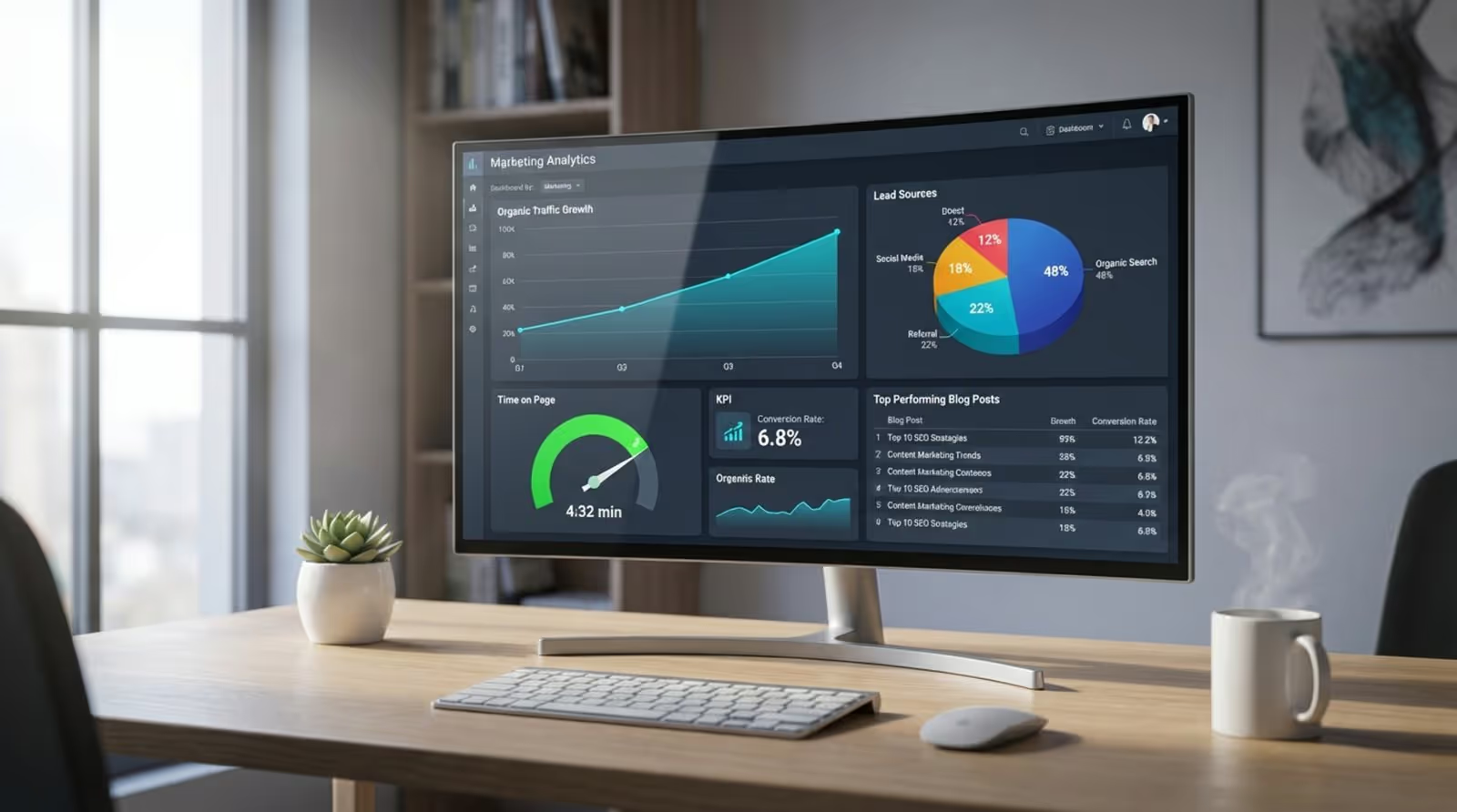
Tracking inbound success requires looking at long-term growth. Key metrics include Organic Traffic, Time on Page, and Lead Conversion Rate. These indicators tell you if your content is genuinely helpful and if it is attracting the right audience.
You should also monitor Customer Acquisition Cost (CAC). As your inbound strategy matures, CAC should decrease because your content assets continue to perform without additional ad spend.
Key Outbound Marketing Metrics
Outbound metrics focus on immediate performance. For digital ads, track Click-Through Rate (CTR) and Cost Per Click (CPC). For broader campaigns, look at Reach and Frequency.
Crucially, monitor Return on Ad Spend (ROAS). Since outbound involves direct cost, you need to verify that the revenue generated justifies the expense.
Interpreting Data to Refine Your Marketing Approach
Analyzing inbound and outbound data together provides the best insights. High ad clicks but low conversions may indicate that your landing page content (inbound) isn't persuasive enough. Strong organic traffic but low sales might suggest a need for outbound retargeting to close the deal.
Next Steps: Choosing the Right Strategy for Your Business
Evaluating Your Audience and Marketing Goals
Before committing to a plan, analyze your audience's behavior. Are they actively searching for solutions on Google, or do they discover products through social feeds? If they are searching, prioritize SEO and content. If they are unaware your solution exists, outbound may be necessary to spark initial interest.
Your goals dictate your mix. For rapid awareness, outbound is faster. For building authority and reducing long-term costs, inbound is superior. Clear goals prevent wasted spend on tactics that don't align with your objectives.
Building a Balanced Marketing Plan with the Right Tools
For businesses with physical locations, bridging the gap between inbound and outbound is often about how you communicate on-site. This is where Look Digital Signage can help you execute both strategies from a single platform.
You can use Look CMS to manage outbound content-like time, sensitive promotions scheduled with Smart Scheduling, to drive immediate sales. Simultaneously, you can support inbound goals by using ready-made digital signage templates to display helpful information, reviews, or social feeds that build trust with visitors already in your space. With features like Playback Analytics, you can see exactly what played and when, helping you prove ROI for both your promotional and educational content.
Ultimately, the goal isn't to choose strictly between inbound or outbound, but to create a seamless experience. By combining helpful content with targeted reach, you support your customer from the first touchpoint through to loyalty.