Table of Content
How can physical shopping malls compete with the speed and convenience of online retail? The answer often lies in bridging the gap between digital ease and real-world experiences. Digital signage transforms static corridors into lively, interactive environments that help shoppers find what they need, stay informed, and engage with brands. Beyond simple decoration, a robust digital signage network serves as a critical communication tool that can increase shopper engagement and drive retail sales by delivering the right message at the right time.
As consumer habits shift toward a "digital-first" lifestyle, malls must offer more than just a collection of stores. Digital signage acts as the connective tissue in this modern retail landscape. By replacing printed posters with dynamic screens, operators can provide a smoother visit-from parking to purchasing-while creating a modern atmosphere that encourages visitors to stay longer and return often.
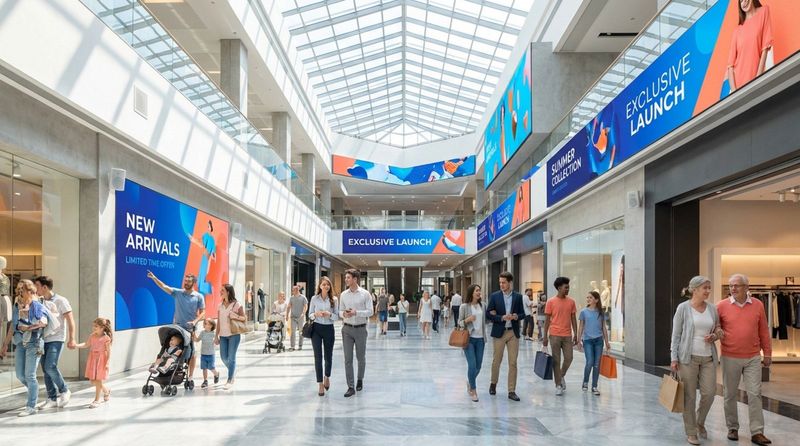
How Digital Signage Improves the Shopping Mall Environment
What Are the Key Benefits of Digital Signage in Malls?
The primary benefit of digital signage is the ability to create an engaging atmosphere that keeps visitors interested. Unlike static posters, digital screens use motion and bright visuals to grab attention in busy spaces. This helps malls sharpen their brand identity, making them feel less like simple buildings and more like curated experience centers. for digital-native brands opening physical locations, these screens provide a familiar bridge to their online presence.
Digital signage software also allows you to update content instantly. You can refresh messaging to match local events, weather, or trends without waiting for printers. From a business perspective, the impact is measurable: well-placed displays often lead to stronger sales performance, making them a practical investment for property owners looking to maximize the value of their floor space.
What Types of Digital Signage Are Used in Shopping Centers?
Shopping centers use a variety of screen types to guide the visitor journey. Large video walls create immersive zones that capture attention immediately. These setups allow major brands to showcase products in high definition, turning a standard walkway into a brand experience. Meanwhile, smaller eye-level screens and kiosks serve as practical touchpoints for information and targeted advertisements.
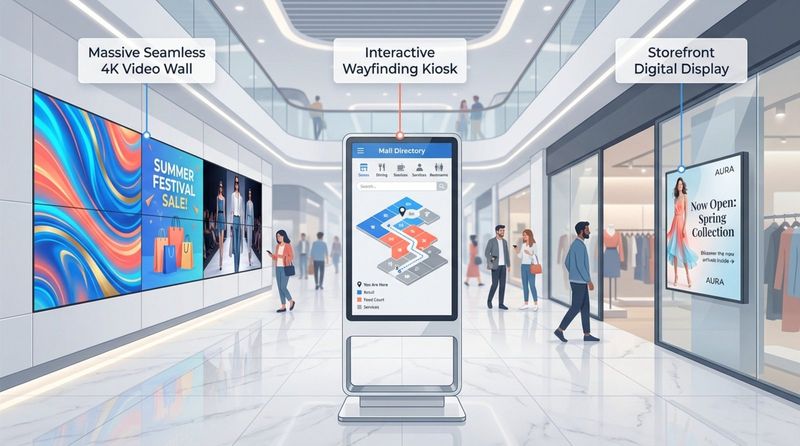
Other common formats include interactive wayfinding directories, overhead LED ribbons, and point-of-sale screens. Some centers even utilize mobile "pop-up" units with built-in displays. With this mix of hardware, you ensure that whether a shopper is rushing to a specific store or browsing casually, they encounter helpful digital touchpoints that improve their visit.
Guiding Shoppers with Enhanced Navigation and Wayfinding
Digital Directories and Interactive Maps for Efficient Navigation
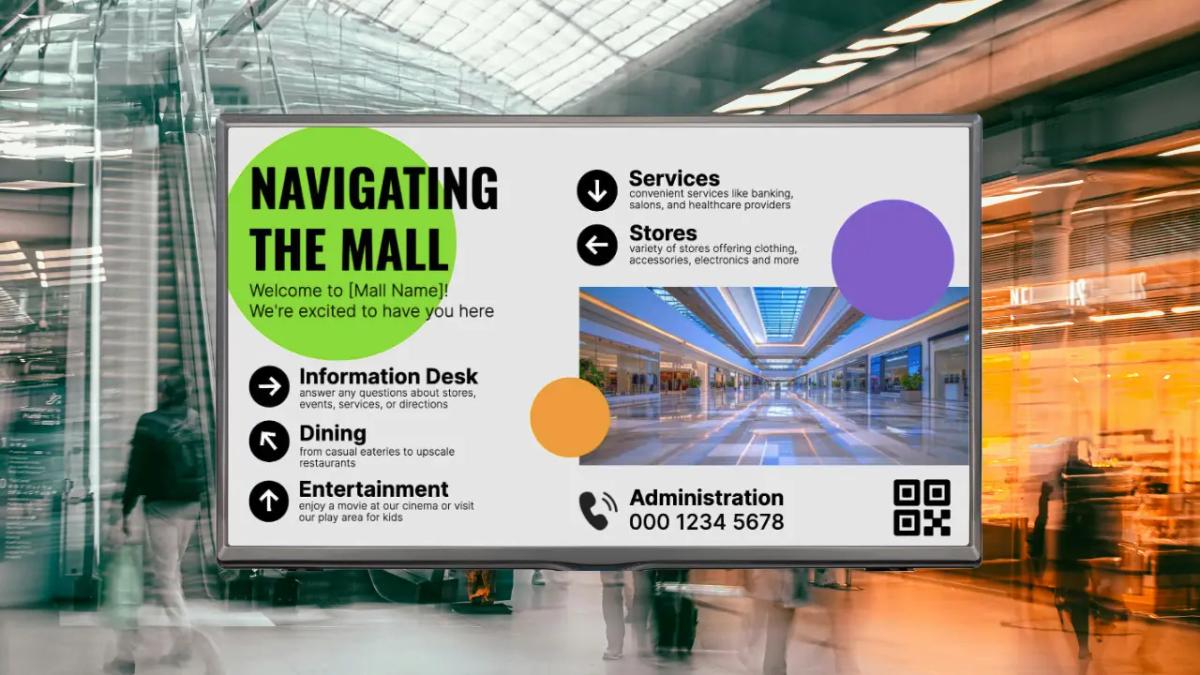
Navigating a large, multi-level mall can be frustrating for visitors. Digital directories solve this by replacing static maps with searchable, interactive screens. Users can type or tap to locate stores, restrooms, or services instantly. By providing a clear visual path, you reduce "shopper fatigue" and help people reach their destinations quickly, leaving them more time and energy to shop.
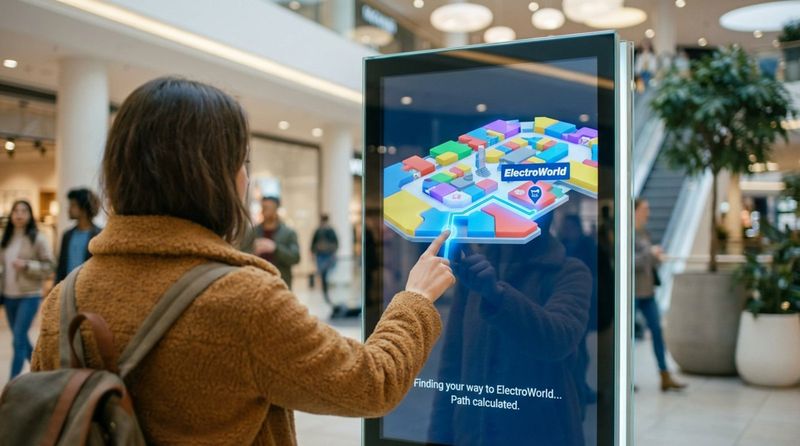
These directories do more than just point the way. They can also highlight nearby promotions or events. While a visitor searches for a specific shop, the screen can suggest a coffee shop on the way or a sale happening in the same wing, turning a simple navigation task into an opportunity for discovery.
Real-Time Directions and Adaptive Pathfinding
The real strength of digital wayfinding is flexibility. If an escalator is under maintenance or a new store opens, your team can update the map instantly from the cloud. Visitors always see accurate information, preventing the frustration of following outdated signs. Smart routing can even suggest alternate paths during peak times to manage crowd flow effectively.
Many systems now integrate QR codes into their maps. Shoppers can scan the screen to transfer the route to their mobile phones. This smooth hand-off allows visitors to walk freely without having to memorize turns, keeping the experience seamless and modern.
Boosting Retail Promotions and Advertising Opportunities
Promoting In-Store Sales and Special Offers
Digital signage is a powerful tool for influencing purchase decisions. By displaying bold promotions near entrances or high-traffic zones, you can drive foot traffic into specific stores. Screens allow you to react to the environment in real time-for example, promoting hot coffee on a cold morning or umbrellas when it starts to rain. Static signage simply cannot match this speed.
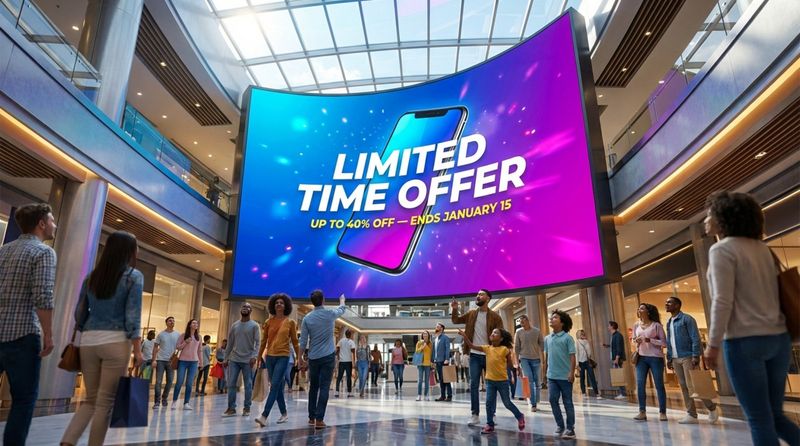
Retailers can also A/B test different messages. By running different visuals and tracking foot traffic, you can refine your advertising strategy to see what truly resonates with your local audience, ensuring every screen helps drive conversion.
Highlighting New Arrivals and Seasonal Campaigns
Retail moves fast, and your signage needs to keep up. Digital signage platforms allow you to launch seasonal campaigns across hundreds of screens in minutes. Instead of the logistical headache of printing and hanging banners, you can roll out a "Spring Collection" or "Holiday Sale" playlist instantly. This keeps the mall looking fresh and relevant.
Seasonal content can also be localized. A mall in a colder climate might highlight winter gear, while a location in a warmer area focuses on outdoor activities. This level of customization ensures the content feels personal and relevant to the specific community you serve.

Monetizing Digital Signage with Third-Party Advertising
Your screen network can generate revenue beyond your own tenants. Malls are high-value environments for third-party advertisers because visitors are already in a buying mindset. By selling screen time to automotive brands, banks, or streaming services, you can create a new income stream that helps offset the cost of the hardware and software.
These "Retail Media Networks" are becoming increasingly sophisticated. By using analytics to track impressions, you can provide advertisers with data on how many people saw their ad. This transforms your corridors into a high-value digital advertising channel, similar to a website but in the physical world.
Creating Engaging and Personalized Visitor Experiences
Interactive Touchscreens for Customer Engagement
Interaction keeps shoppers engaged longer. Touchscreens invite visitors to participate rather than just watch. Whether it is a product catalog, a style quiz, or a survey, these tools deepen the connection between the shopper and the mall. Increased dwell time often correlates with higher spending.
These interactions also provide valuable data. Every tap tells you what visitors are looking for, which stores are most popular, and what information is in demand. This feedback loop helps operations teams adjust their tenant mix and marketing strategies based on actual behavior.
Incorporating Social Media and User-Generated Content
To connect with younger audiences, many malls display live social media feeds. By showcasing user-generated content-like photos tagged with the mall's hashtag-you build a sense of community. Seeing their own post on a giant screen is exciting for visitors and encourages others to share their experiences online.
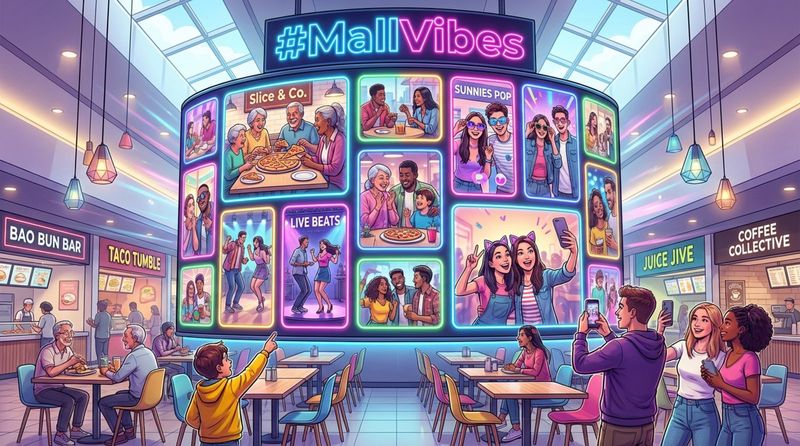
This flow of real-time content keeps your screens fresh without requiring constant design work from your team. It also adds a layer of social proof, making the mall feel lively and connected to the digital world.
Promoting Events, Entertainment, and Community Activities
Malls are evolving into community hubs. Digital signage is the most efficient way to promote events like live music, workshops, or seasonal activities. Using video and motion graphics brings these announcements to life in a way that paper flyers cannot, building excitement and driving attendance.
Look Digital Signage is a strong fit for managing these diverse content needs. With features like Smart Scheduling, you can ensure event promos run only when relevant, and the Content Creator allows staff to build professional-looking announcements quickly without needing a design team.
Personalization through Data and Analytics
The future of retail is personalization. By integrating data sources, malls can display more relevant content. For instance, screens can adapt based on the time of day or aggregate shopper data, ensuring messages align with the likely demographics of the current crowd.
When advertisements feel relevant rather than random, shoppers are less likely to tune them out. This makes the mall experience feel more curated and welcoming for every visitor.
Enhancing Safety, Security, and Communication
Delivering Real-Time Emergency Alerts and Safety Instructions
Digital signage is a vital component of mall safety. In the event of an emergency, such as a fire or severe weather, operators can instantly override all playlists to display clear, high-visibility safety instructions. These visual alerts complement audio alarms, ensuring that safety information reaches everyone, even in noisy environments.
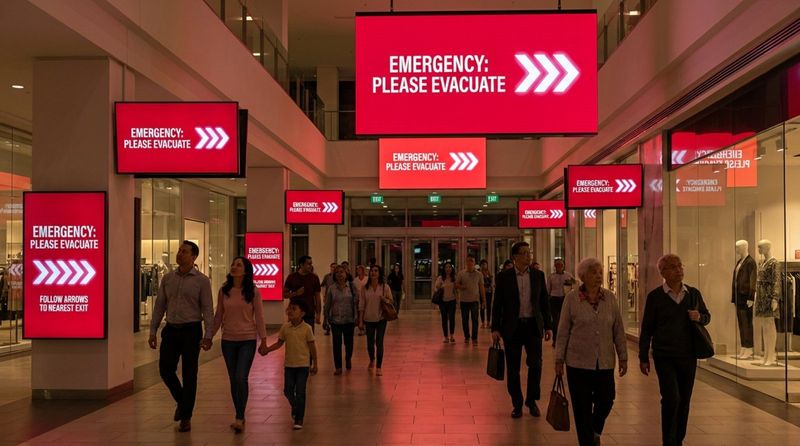
Because screens are placed in high-traffic areas, they can guide large crowds efficiently toward exits or safe zones. Once the situation is resolved, the system can be switched back to normal programming in seconds, helping to restore calm.
Supporting Lost and Found Notifications
For daily operations, digital screens help resolve issues quickly. Alerts about lost children or missing items can be broadcast across the entire network instantly. displaying a photo or description helps staff and visitors assist in the search, speeding up resolution.
Using technology to support visitor safety builds trust. It shows that the management team is proactive and prioritizes the well-being of families and guests.
Integrating with Mobile and Omnichannel Shopping Experiences
Connecting Online and Offline Retail Journeys
An effective strategy connects the physical store with digital convenience. Digital signage bridges this gap by promoting services like "Buy Online, Pick Up In-Store" (BOPIS). Reminding shoppers of these options helps brick-and-mortar locations compete with online-only retailers by offering the best of both worlds: speed and immediate gratification.
Modern malls use screens to educate shoppers about retailer apps and websites, creating a loop where the physical visit supports long-term digital loyalty.
Using QR Codes, NFC, and Mobile Interactivity
Digital signage often serves as a launchpad for mobile interactions. By displaying QR codes managed through Look CMS, you can direct shoppers to digital coupons, loyalty sign-ups, or interactive maps on their phones. This seamless hand-off from the big screen to the small screen deepens engagement.
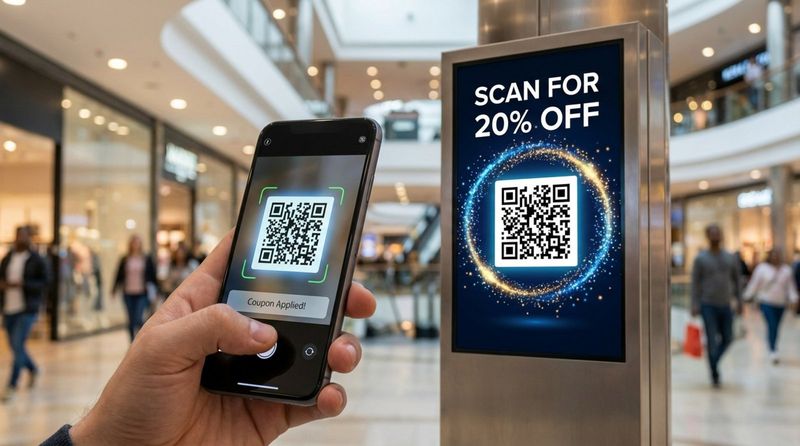
This approach is particularly effective for capturing the attention of smartphone-savvy shoppers. It makes marketing actionable, allowing visitors to save an offer now and use it later.
Sustainability and Space Flexibility in Mall Environments
Reducing Paper Waste and Supporting Green Initiatives
Sustainability is increasingly important to consumers. Digital signage supports eco-friendly initiatives by significantly reducing the need for paper, ink, and plastic signage materials. Over time, a digital-first approach eliminates thousands of pounds of waste associated with temporary printed campaigns.
Screens can also be used to highlight the mall's own green efforts, such as recycling programs or energy-saving measures, aligning your brand with the values of environmentally conscious shoppers.
Adapting Digital Content for Changing Layouts and Events
Mall layouts change frequently. Pop-up stores, renovations, and special events require flexible signage. Digital screens allow you to adapt instantly. If a retail space changes tenants, the digital branding can be updated in minutes from the dashboard. This flexibility supports short-term leases and pop-up concepts without the cost of permanent fixtures.
With tools like Screen Layouts in Look Digital Signage, you can easily partition screens to show store info on one side and promotional video on the other, maximizing the utility of every display.
Measuring the Impact and ROI of Digital Signage in Malls
Tracking Engagement and Content Effectiveness
Unlike traditional signs, digital signage offers measurable data. Playback Analytics within Look Digital Signage provide reports on what content played, how often, and on which screens. When combined with external sensors, you can track engagement levels to understand which messages capture attention.
This data allows teams to optimize content strategies. If a specific ad isn't performing, you can replace it immediately, ensuring your network is always working hard for your tenants.
Analyzing Sales Uplift and Advertiser Value
To prove ROI, malls can correlate playback schedules with sales data. Measuring the "sales uplift" of a product during the times it was advertised validates the effectiveness of the system. This data is crucial for securing advertising budgets from tenants and third-party brands.
Proof-of-Play reports are essential here, providing advertisers with verification that their campaigns ran as promised. This transparency builds trust and justifies premium pricing for ad slots.
Key Factors for Successful Implementation of Digital Signage in Shopping Malls
Strategic Placement for Maximum Visibility
Placement is critical. Screens should be located where people naturally pause, such as near elevators, food courts, and entrances. Placing displays at key decision points helps guide visitors effectively. Ensure screens are positioned at comfortable viewing angles and use high-brightness hardware if they are near windows or skylights.
Best Practices for Content Strategy and Scheduling
A successful network relies on clear, readable content. Messages should be concise and visual. Scheduling is equally important; use dayparting to match the mood of the mall. Smart Scheduling features allow you to automate these changes-promoting coffee in the morning and dinner specials in the evening-without manual intervention.
Choosing the Right Technology and Vendors
Implementing a mall-wide system requires reliable partners. Look Digital Signage offers a solution designed for stability and ease of use. It works with a wide range of hardware, including the Look HDMI Player for plug-and-play simplicity, or through the Look App on supported smart TVs. Choosing a cloud-based platform ensures you can manage the entire network remotely, saving staff time and IT resources.
Future Trends and Innovations in Mall Digital Signage
Emerging Technologies: AI, AR, and IoT Integration
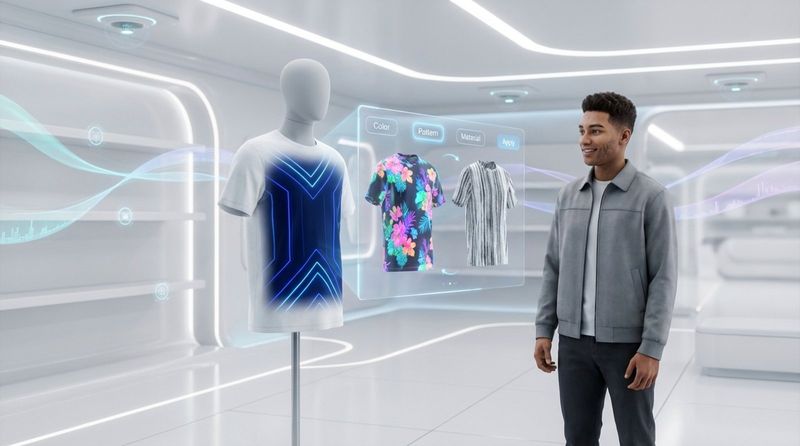
The future of mall signage involves smarter integration. AI tools, such as the Look AI Wizard, are already helping teams generate content faster. Moving forward, we will see more integration with IoT sensors that trigger content based on real-world triggers, like weather changes or crowd density.
Predictions for the Evolution of Mall Environments
Malls will continue to blend physical and digital experiences. The "phygital" mall will use signage to create endless aisle experiences and personalized interactions. Digital signage will remain central to this evolution, helping operators create spaces that are efficient, engaging, and responsive to the needs of modern shoppers.
Ultimately, the goal is to create an environment where people enjoy spending time. By using digital signage to display calming visuals or art alongside promotions, malls can create a balanced atmosphere that reduces stress and encourages visitors to return.