Table of Content
How can cinemas turn long, frustrating ticket and concession lines into an engaging start to the movie experience? Cinema queue screens with digital signage replace static posters with dynamic, scheduled content like trailers, live showtimes, and digital menu boards. By giving guests something entertaining to watch and clear directions on where to go, you can reduce perceived wait times, speed up ordering, and increase concession sales.
What Are Cinema Queue Screens With Digital Signage?
Cinema queue screens are digital displays placed in high-traffic waiting areas, like ticket lines, concession stands, and hallway entrances. Powered by a cloud-based digital signage software, these screens let your staff manage and update content across the entire theater from one simple dashboard, turning empty wall space into a powerful communication tool.
Unlike printed posters that take time to swap out, digital screens let you adapt instantly. You can change messages on the fly to highlight a sudden popcorn rush, announce a sold-out show, or keep the crowd entertained while they wait.
Core Features of Cinema Queue Screens
Modern queue displays do much more than show static images. High-definition screens make video trailers and animated promos pop from across the lobby. Add in interactive elements like touchscreens or QR codes, and your guests can explore movie trivia or menu combos right from their phones.
These setups also use scheduling to show the right content at the right time. For example, screens over the concession stand can feature family meal deals during weekend matinees, then automatically switch to premium snack combos for the late-night crowd.
How Digital Signage Technology Powers Queue Management
Your screens rely on two main parts: the hardware (displays and media players) and the software (a Content Management System, or CMS). The CMS is your command center. It allows you to build a playlist, set schedules, and publish to screens remotely in minutes.
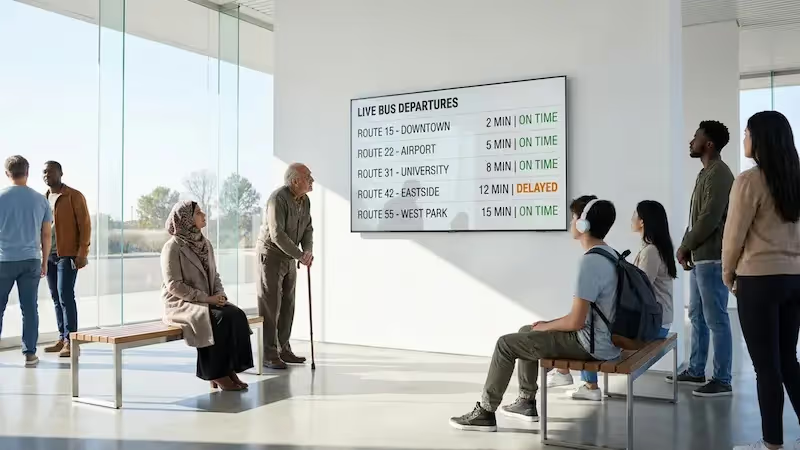
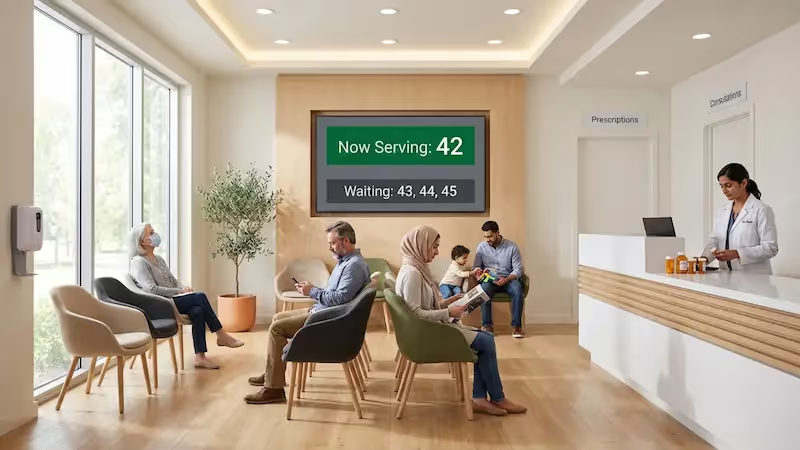
This central control makes line management much easier. Instead of shouting updates, you can use digital displays to point guests to the shortest line, estimate wait times, or share live updates on seat availability before they even reach the counter.
Difference Between Traditional and Digital Queue Displays
Printed signs and cardboard standees are slow. Changing them means printing new materials, shipping them, and having staff physically replace them. By the time a poster is up, the promotion might already be over.
Digital queue screens eliminate that friction. They let you run multiple messages on a loop, switch between ads and entertainment, and push real-time updates across your entire lobby without breaking a sweat. It saves staff time and opens up new ways to boost revenue.
How Do Cinema Queue Screens With Digital Signage Improve the Moviegoer Experience?
The movie experience starts long before the opening credits. It starts in the lobby. Digital signage makes the wait feel like part of the event, cutting down on frustration and setting a great mood before the lights go down.
Reducing Perceived Waiting Times with Engaging Content
A long line feels twice as long when you have nothing to do. Digital signage fills that gap with trailers, behind-the-scenes clips, and local event highlights. By keeping eyes on the screen instead of the clock, the wait feels faster and much more enjoyable.

Providing Real-Time Updates for Showtimes and Seat Availability
Nobody wants to wait 15 minutes only to find out their movie is sold out. Digital queue screens solve this by showing real-time showtimes and seat availability. Clear, instant updates build trust and help guests make quick backup plans-like picking a different film-without tying up your staff with questions.
Interactive Features: Trailers, Games, and Q&A
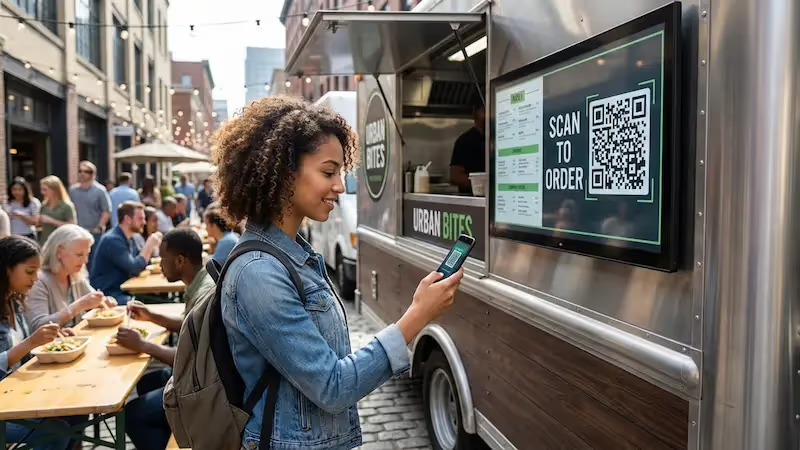
Adding interactive scenarios takes engagement a step further. Touchscreen kiosks let guests browse summaries, check upcoming releases, or play movie-themed trivia while they stand in line. Even standard screens can use on-screen QR codes to let visitors vote in quick polls from their phones, building excitement together.
Wayfinding Assistance and Clear Directions
Finding the right theater in a massive multiplex can be confusing. Queue screens can act as digital wayfinding signs, pointing the way to specific screening rooms, restrooms, and exits. Clear on-screen maps and arrows keep foot traffic moving smoothly, especially during busy opening weekends.
What Benefits Do Digital Queue Screens Offer to Cinemas?
Happy guests are great, but digital queue screens also need to make business sense. They are designed to streamline your operations and drive higher ticket and snack sales.
Streamlining Ticketing and Concessions Efficiency
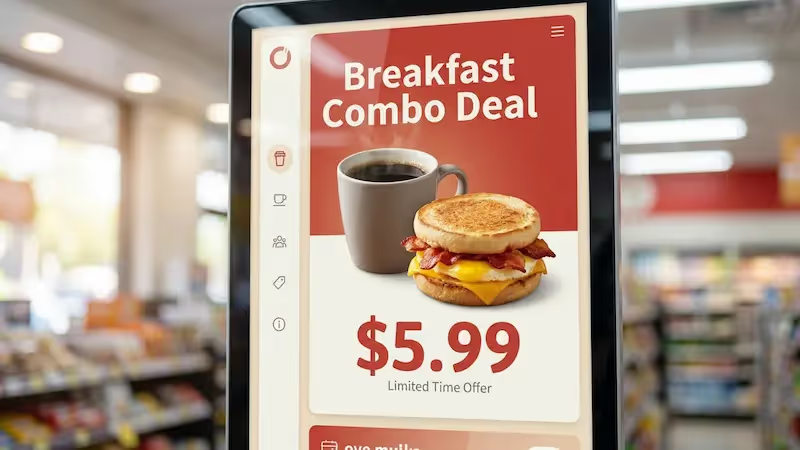
Screens over your registers reduce bottlenecks. They can direct guests to open lanes, guide them to self-service kiosks, or display clear digital menu boards. When prices and combos are easy to read, people decide what they want faster, which speeds up the whole line.

Increasing Revenue Through Targeted Promotions
A captive audience in line is the perfect opportunity to upsell. You can highlight high-margin items, push limited-time combos, or promote your loyalty program. Since content updates take just a few clicks, you can instantly pivot to promote cold drinks if the lobby gets warm, or push leftover merchandise at the end of a film's run.
Dynamic Scheduling and Last-minute Movie Updates
Schedules shift. Whether it is a technical delay or a sudden room change, digital signage software lets you push out updates instantly. Smart scheduling tools also mean you can set your promotional campaigns to automatically start and stop based on the day or time, taking the manual work off your team's plate.
Improving Brand Image with Modern Technology
A modern lobby tells guests you care about their experience. Bright, organized digital queue screens look professional and high-tech, helping your cinema stand out from the competition. It is a simple visual upgrade that encourages repeat visits.
Key Technical Considerations for Implementing Cinema Queue Digital Signage
A successful setup requires more than just hanging a TV on the wall. To ensure reliable playback and easy remote management, you need a solid mix of reliable hardware and user-friendly software.
Choosing the Right Hardware: Screens, Kiosks, and Media Players
Commercial-grade screens are ideal because they are built to run 24/7 without burning out. You will also need a media player to connect the screen to your software. Some venues use existing smart TVs, while others prefer dedicated, plug-and-play HDMI devices that ensure smooth playback.
Content Management Software and Integration with Theater Systems
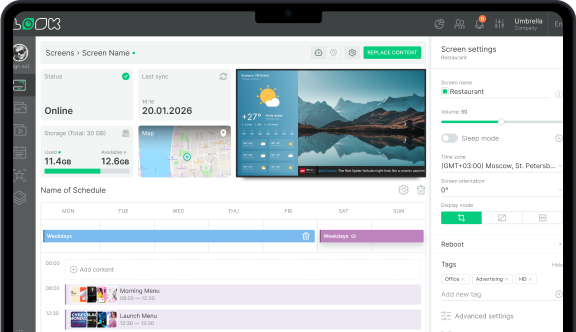
Your content management software is the brain of the operation. Look Digital Signage is a strong fit for cinemas that need an approachable, supportive solution to manage everything from one place. Using Look CMS, your team can quickly pull together engaging visuals using Ready-made Templates, create custom multi-zone Screen Layouts for split-screen movie schedules, and utilize Smart Scheduling to automatically run different ads for matinees versus late-night shows. By tying these tools together, your staff saves hours on manual updates.
Network and Security Best Practices
A stable Wi-Fi or Ethernet connection keeps your screens updated. But what happens if the internet drops on a busy Saturday night? Look for software that includes offline playback, which caches your playlists locally so your screens keep running their scheduled loops even if the connection goes down. Keep your network secure with strong firewalls and proper encryption.
Accessibility and Multilingual Support
Cinemas welcome diverse crowds, so your messaging should be accessible to everyone. High-contrast designs and large, readable fonts help visitors with visual impairments. You can also build playlists that rotate through multiple languages or use interactive touch panels that let guests select their preferred language before ordering.
Challenges and Limitations of Digital Signage for Cinema Queues
Like any technology upgrade, rolling out a digital signage network takes planning. Knowing the common hurdles ahead of time helps you maximize your ROI without unnecessary stress.
Initial Investment and Ongoing Maintenance Costs
Buying commercial displays, media players, and software subscriptions requires an upfront budget. While digital menu boards and promotional screens often pay for themselves through increased concession sales, it is smart to plan for ongoing maintenance and software costs to avoid surprises.
Content Creation and Management Demands
A blank screen-or one showing last month's popcorn deal-is a wasted opportunity. Keeping content fresh takes effort. Fortunately, modern software often includes free templates and built-in content creators, making it simple for non-technical staff to update promos in minutes without needing a graphic designer.
Technical Downtime and Backup Solutions
Hardware failures or network drops can happen. As already mentioned in the network section, utilizing offline playback ensures your screens never go dark during an internet outage. Keeping a spare media player on hand and using software that offers remote device monitoring will help you spot and fix issues before the weekend rush hits.
Best Practices for Maximizing the Impact of Cinema Queue Screens
Getting the most out of your digital signage means putting the right message in the right place at the right time. Here are a few ways to keep your setup effective.
Optimal Placement in Lobby and Waiting Areas
Mount screens where guests naturally pause. Place menu boards directly above the concession registers, and put upcoming trailers near the ticketing line. Always check for glare from lobby lights and ensure screens are high enough to be seen from the back of the line.
Content Strategy: Balancing Information and Entertainment
A good playlist mixes helpful details with entertainment. If you only show ads, guests will tune out.
A balanced loop might look like this:
- Movie trailers and behind-the-scenes clips
- Clear info like open registers and showtimes
- Concession combo deals
- Movie trivia or short quizzes
Keep your layouts clean, use large text, and make sure the core message is easy to read in a glance.
Regular Content Updates and Maintenance Plans
Digital signage is a set and forget tool only when you use smart scheduling. Otherwise, you need to regularly clear out old promotions. Create a quick checklist for your staff to review screen content weekly. Check your dashboard to verify proof-of-play and ensure all devices are online and healthy.
How Can Cinemas Measure the Effectiveness of Queue Screens With Digital Signage?
To prove ROI, you need to track how your digital signage impacts the business. Grounding your strategy in data helps you fine-tune your content for better results.
Analyzing Queue Flow and Wait Time Reduction
Monitor your wait times before and after installing the screens. If lines move faster and concession orders speed up during peak hours, your digital menu boards and wayfinding screens are doing their job.
Tracking Engagement and Interactivity Metrics
If you use QR codes or touch kiosks, track the data. How many people scanned the code for a coupon? How many played the trivia game? High engagement numbers prove your content is catching attention.
Evaluating Promotional and Advertising ROI
Compare your point-of-sale data against your screen schedules. If you start running a specific candy and drink combo on your lobby screens at 7 PM, and sales for that combo spike at 7:15 PM, you have clear proof that your targeted promotions work.
Using Customer Feedback to Guide Improvements
Data tells part of the story, but customer feedback fills in the blanks. Ask your guests if the wait felt shorter or if the digital menus were easy to read. Their insights will tell you exactly what to tweak for next weekend's shows.
What Future Trends Will Influence Cinema Queue Screens With Digital Signage?
Digital signage technology is always evolving. For cinemas, the future is all about tighter integrations and more personalized experiences that connect the lobby screen to the phone in your guest's pocket.
Integration with Mobile Apps and Loyalty Programs
Expect to see tighter connections between queue screens and cinema loyalty apps. Guests might soon scan a QR code on the signage to instantly join a virtual queue, order snacks from their phone, and claim loyalty points without ever stepping up to a register.
AI-Powered Personalization and Predictive Scheduling
Data-driven setups may soon adjust content automatically based on real-time factors like lobby traffic or weather. If a sudden rainstorm drives a massive crowd indoors, the screens could instantly shift to promote hot drinks and fast-moving concession items to help manage the rush.
Social Media Integration and Real-Time Polls
Cinemas are finding ways to turn waiting lines into community events. By displaying live social media feeds or real-time polling results about upcoming blockbusters, screens encourage guests to interact and post about their visit, extending your marketing reach naturally.
Augmented Reality and Immersive Queue Experiences
Augmented reality (AR) has the potential to turn a boring line into a mini-attraction. In the future, scanning a digital screen might trigger movie characters to appear on a guest's phone, creating an immersive, memorable moment before they even hand over their ticket.