
Table of Content
Are you trying to build a household name over time, or reach customers the moment they are ready to buy? Choosing between broadcast advertising and Digital Out-of-Home (DOOH) isn't about picking a "winner". Broadcast builds prestige in the living room, while DOOH drives action in the real world. For modern businesses, the right choice depends on whether you need broad storytelling or data-driven context.
Broadcast reaches a relaxed audience at home, while DOOH catches people on the move, fitting into their daily commute or shopping trips. Understanding this difference is the first step to ensuring your marketing budget delivers a return on investment (ROI).

Broadcast Advertising vs. DOOH Ads: Defining the Approaches
What Is Broadcast Advertising?
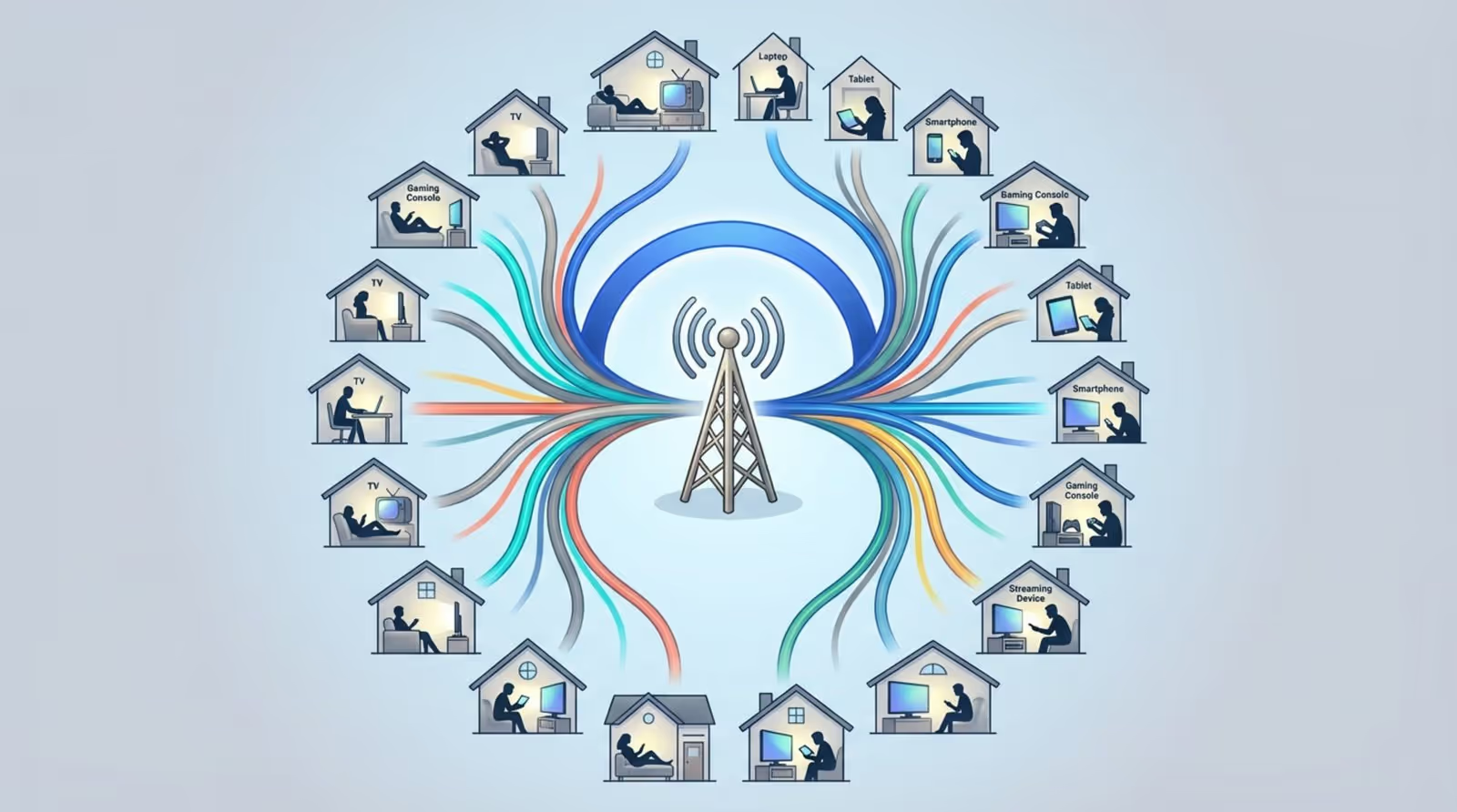
Broadcast advertising is the traditional heavyweight of marketing. It involves video and audio content sent over airwaves or cable to a wide, general audience. For decades, this has been the primary way for brands to enter public consciousness, sending messages directly into living rooms via TV and radio.
Today, this includes "connected" formats like smart TV and digital radio, but the core concept remains: one message sent to many people to build brand strength. It relies on "appointment viewing," where ads interrupt news, sports, or entertainment.
What Are DOOH Ads?
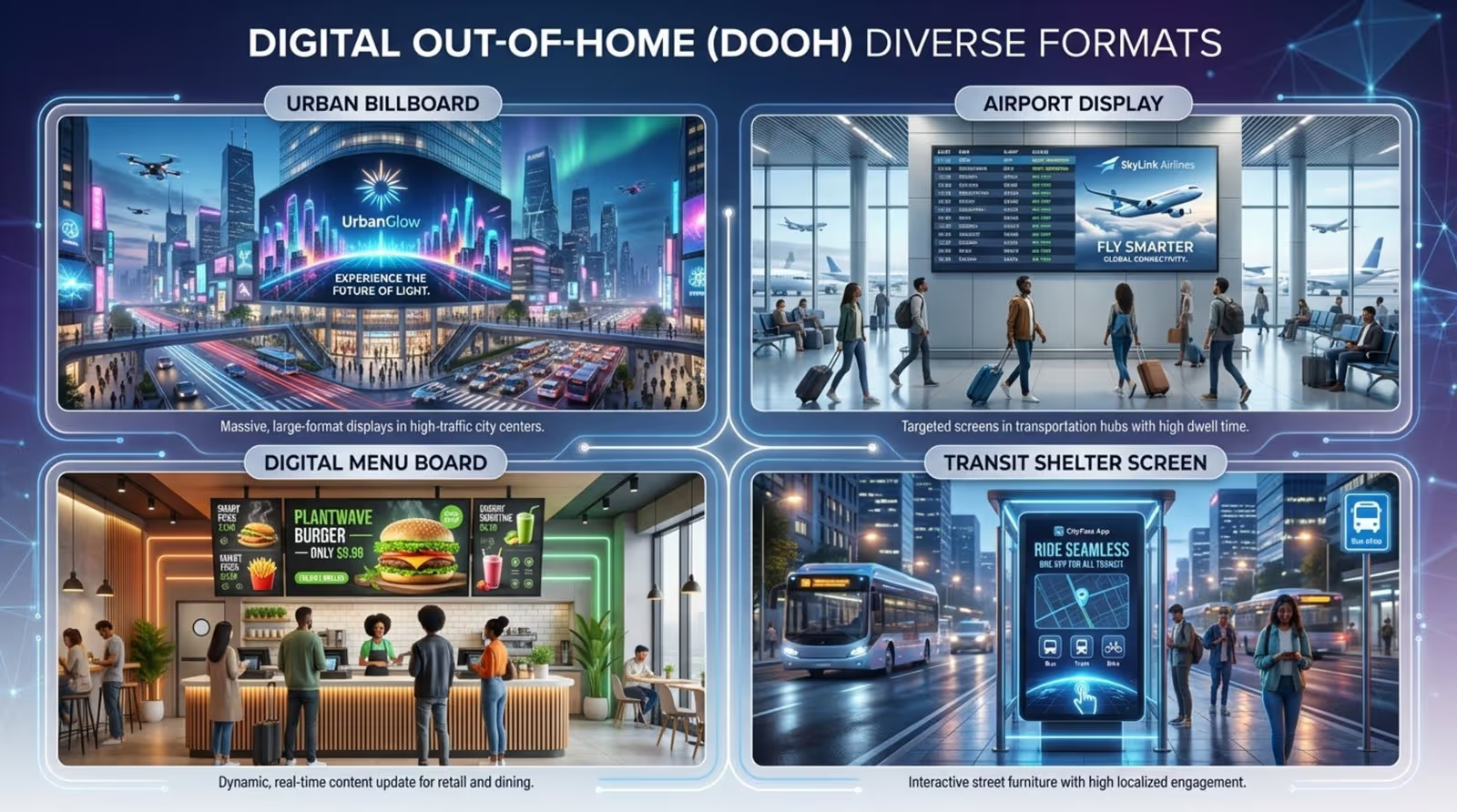
Digital Out-of-Home (DOOH) advertising is the smarter, digital evolution of outdoor signage. It includes digital screens in public spaces-from massive displays in city centers to digital menu boards in restaurants, screens in elevators, and displays in ride-share vehicles. Unlike static printed posters, DOOH uses high-quality screens that support motion, video, and real-time updates.
DOOH stands out because it is unskippable. You cannot block it or close the window. It lives in the physical world, reaching people during key moments of their day-commuting, shopping, or waiting. It connects these physical spaces with digital precision using scheduling tools and data.
How Broadcast Advertising Works
Main Formats: TV, Radio, and Traditional Channels
Television and radio remain the pillars of broadcast. TV is the standard for visual storytelling, using 15 to 60-second spots to combine sound and motion. From local news to major sporting events, it is designed for maximum sensory impact.
Radio, often called the "theater of the mind," uses audio to reach people in cars or at work. This category now extends to satellite radio and linear streaming channels that mimic the classic broadcast flow.
Benefits of Broadcast Advertising
The primary strength of broadcast is scale. A single spot during a major event can reach millions, creating a shared cultural moment. This reach builds authority; seeing a brand on national TV often makes it appear more established and reliable.
Broadcast also excels at emotional connection. Longer slots allow for character development and storytelling that humanize a brand. If your product requires a detailed lifestyle demonstration, the high production value of TV provides a clear advantage.
Challenges and Limitations
Broadcast has significant barriers. The most obvious is cost. Production, editing, and airtime fees can make national campaigns prohibitive for small and mid-market teams. Additionally, audience fragmentation due to streaming services has made it harder to reach younger viewers.
Measuring impact is also difficult. While you can get estimates, it is hard to know exactly who paid attention. There is no direct "click" to track, making it challenging to link a specific ad slot to a specific sale.
How DOOH (Digital Out-of-Home) Ads Operate
Popular DOOH Formats and Locations
DOOH is highly flexible and fits into various environments. While digital billboards are the most visible examples, DOOH also thrives in:
- Street furniture: Bus shelters, kiosks, and urban panels.
- Transit: Airports, train stations, and ride-share screens.
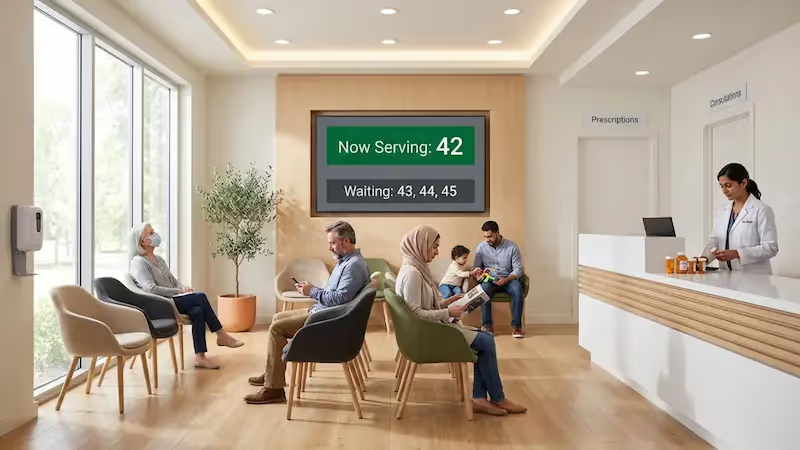
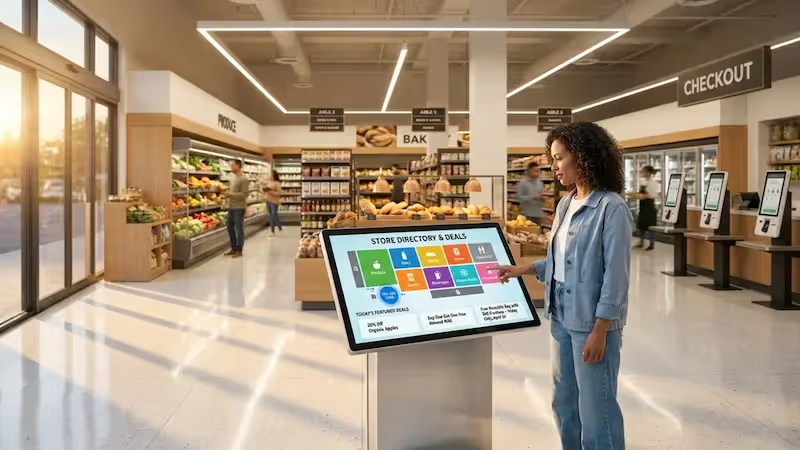
- Place-based media: Screens in office lobbies, gyms, medical waiting rooms, and retail stores.
These locations offer high "dwell time." A screen in a waiting room or at a gas pump captures attention for minutes, not seconds, often right before a purchase decision.
Benefits of DOOH Ads
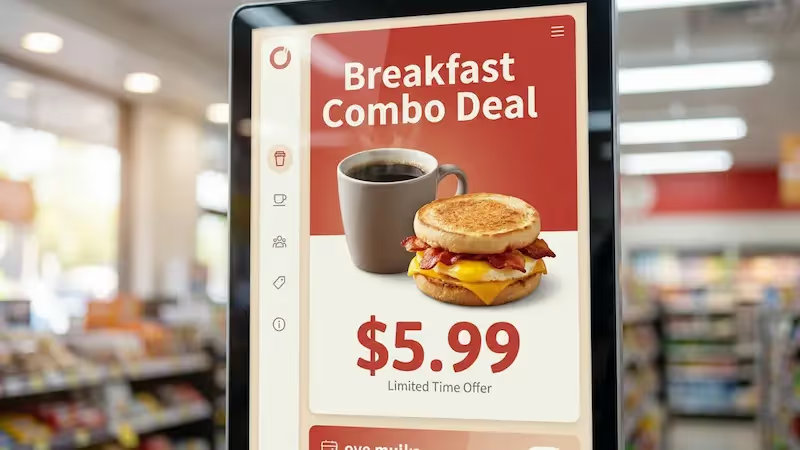
The biggest advantage of DOOH is visibility. In an era of ad-blockers, DOOH remains part of the environment. It is also context-aware; content can change based on the time of day, weather, or local events. A coffee brand can schedule ads to appear only during the morning rush, while a restaurant can switch to lunch specials automatically at 11:00 AM.
To manage these networks effectively, you need reliable software. Look Digital Signage is a strong fit for operators who need to schedule ads and track performance across multiple locations. With features like Proof-of-Play to verify content delivery and Playback Analytics to demonstrate value to advertisers, Look DS helps you turn screens into a measurable revenue channel.
Programmatic DOOH and Automation
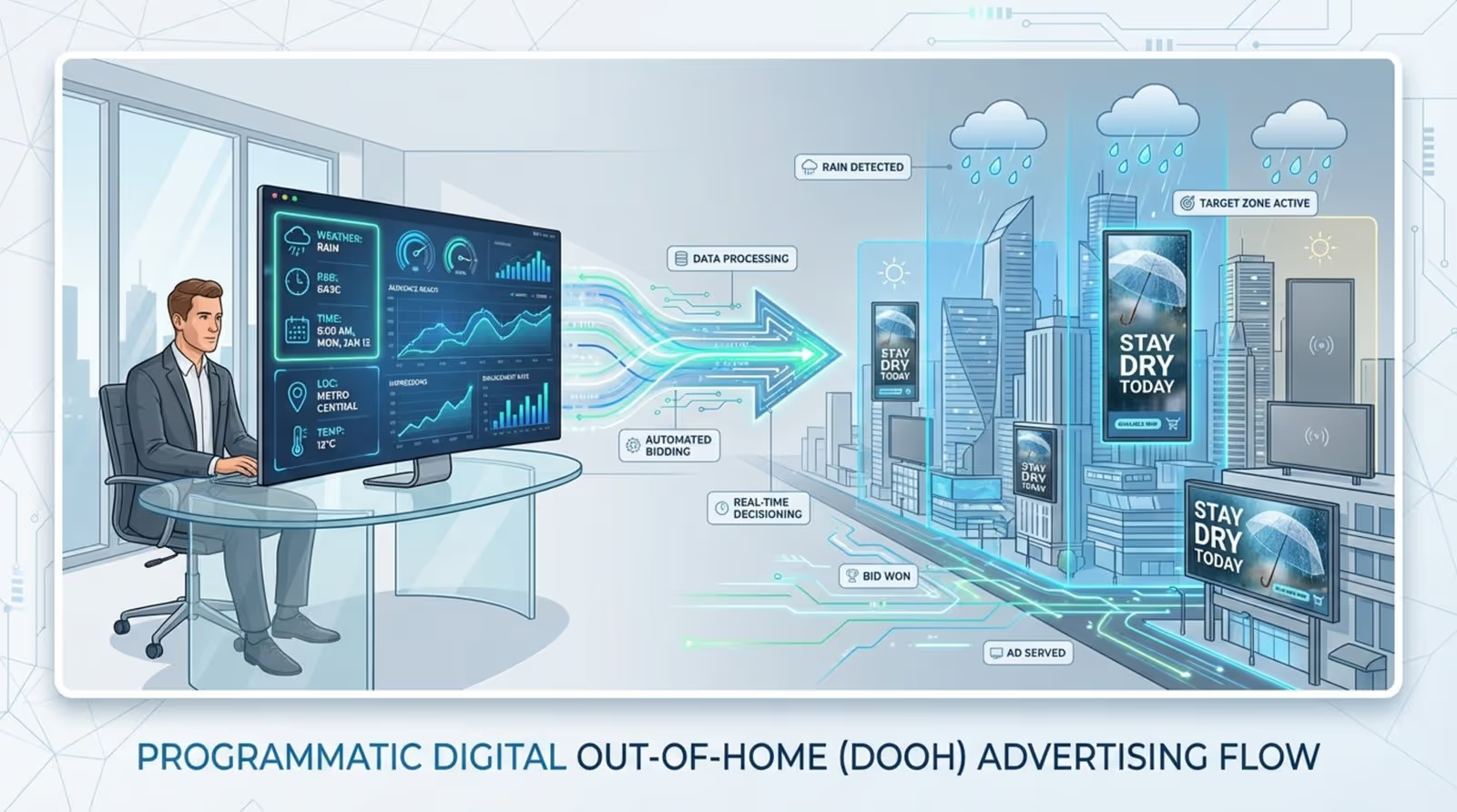
DOOH has moved toward programmatic buying, allowing advertisers to buy screen time automatically based on data rules rather than long-term contracts. This allows for highly specific campaigns. For example, a brand might bid for screen time only when the temperature drops below a certain point, reducing wasted spend and keeping the message relevant.
Comparing Broadcast Advertising and DOOH Ads
Targeting and Audience Segmentation
Broadcast targets broad demographics based on the show or time slot. It works for general awareness but lacks precision. DOOH uses location and timing to reach specific audiences. You can target screens in financial districts to reach business professionals or screens near universities to reach students.
Creative Opportunities and Message Adaptation
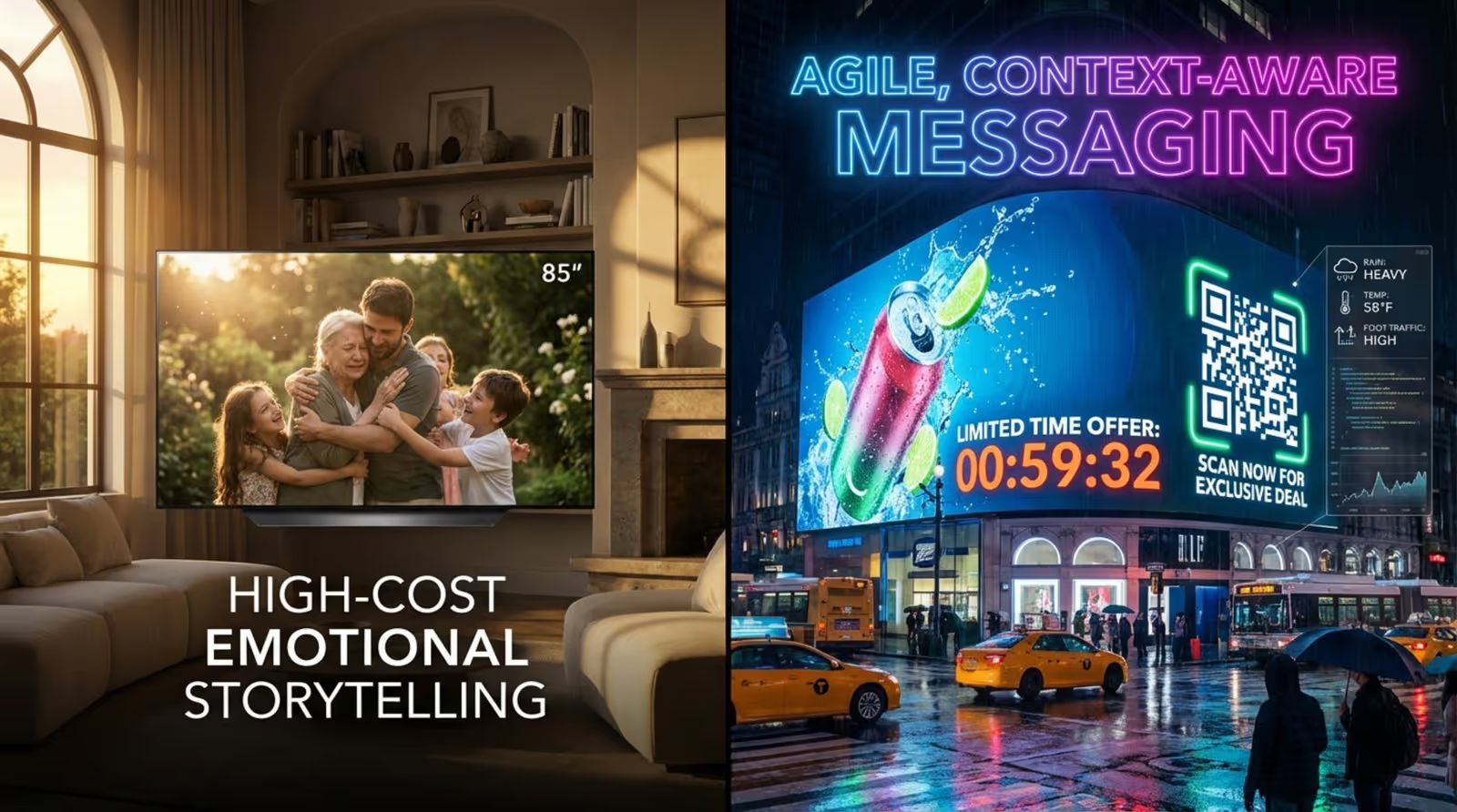
Broadcast suits long-form storytelling. You have time to build a narrative. DOOH requires short, punchy clarity. Because viewing times can be short, visuals must be bold. However, DOOH offers superior agility. You can update content across thousands of screens in minutes using a cloud-based dashboard, whereas changing a TV spot is a slow, complex process.
Cost Structure and Return on Investment
Broadcast requires a heavy upfront investment. DOOH scales from one screen to thousands. With modern software, even local businesses can run professional DOOH campaigns on a modest budget. Generally, broadcast drives long-term brand equity, while DOOH is often better at driving immediate action, such as foot traffic to a nearby store.

Measurement and Analytics
This is a key differentiator. DOOH platforms like Look Digital Signage offer Playback Analytics and Proof-of-Play reports. This data confirms exactly when and where your content played, providing the transparency needed to calculate ROI accurately. Broadcast relies heavily on sampling and estimates, which can feel vague by comparison.
Brand Safety and User Experience
Both channels offer safer environments than the open web. However, broadcast interrupts the user's entertainment. DOOH often adds value to the environment-providing information or distraction in waiting areas-making it less intrusive and more likely to be viewed positively.
Effectiveness: What Do the Numbers Say?
Statistics on Engagement and Recall
Research suggests high recall rates for DOOH. Bright, dynamic screens in physical spaces stand out. While broadcast still wins on raw reach numbers for a single prime-time slot, DOOH often delivers higher engagement per impression because the audience is alert and out in the world.
Performance Benchmarks for Different Industries
For Consumer Packaged Goods (CPG), broadcast keeps brands top-of-mind. However, for retail, automotive, and entertainment, DOOH often drives better immediate results because screens are located near the point of purchase. Many successful brands use a mix: broadcast for the "big splash" and DOOH to sustain visibility near stores.
Trends Shaping the Future of Broadcast and DOOH Advertising
Evolving Consumer Behaviors
By 2026, the lines between online and offline are blurred. People are spending more time out of the home, but their attention is fragmented. DOOH captures attention in shared spaces where people look up from their phones. Meanwhile, broadcast is adapting by using QR codes to bridge the gap between the TV screen and the mobile device.
Emergence of Omnichannel Campaigns
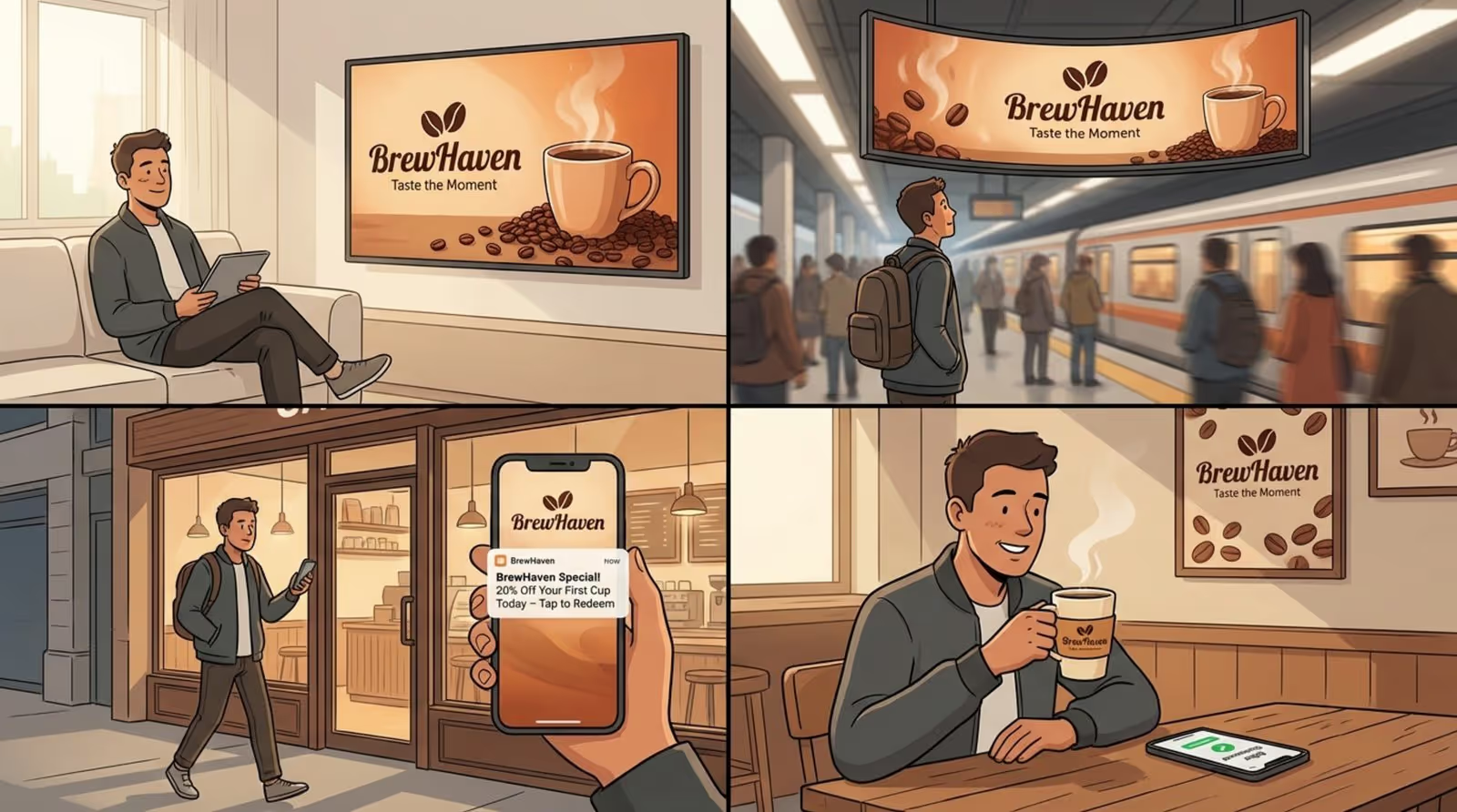
The trend is moving toward connected campaigns. A consumer might see a TV ad at breakfast, then encounter a digital billboard for the same brand on their commute. This repetition across different contexts builds trust and increases the likelihood of a purchase.
Adoption of Technology in DOOH
Artificial Intelligence is making DOOH smarter. Tools can now optimize content layouts automatically. Look Digital Signage helps teams stay ahead here with features like the Look AI Wizard, which assists in creating fresh visual content quickly, ensuring your screens never look stale.
Making the Right Choice: Factors to Keep in Mind
Brand Goals and Marketing Objectives
If your goal is rapid, national awareness, broadcast remains a powerful tool. If you need to drive foot traffic to specific locations or target a niche audience in a specific city, DOOH is the smarter choice. Match the channel to the outcome you need: broad fame or targeted action.
Budget and Resource Allocation
Consider your production capabilities. High-quality TV spots are expensive to produce. DOOH content can be created more affordably while still looking professional. Using Look CMS and its Ready-made Templates, you can design and publish professional-grade playlists without needing a dedicated design agency, saving significant time and money.
Audience Demographics and Consumer Journey
Where does your audience spend their time? Younger demographics are often moving through urban centers and transit hubs, making them prime targets for DOOH. Older demographics may still have strong habits around linear TV and radio.
Geography and Message Relevance
If your offer is local, broadcast is often wasteful. DOOH allows for hyper-local targeting. You can run ads only on screens within a five-mile radius of your store, ensuring every dollar spent reaches a potential customer.
Practical Examples: Broadcast and DOOH Campaigns in Action
Successful Broadcast Advertising Campaigns
Major holiday campaigns often rely on broadcast to create a mood. These ads focus less on specific products and more on emotional storytelling, reaching millions of homes simultaneously to become part of the seasonal conversation.
Innovative DOOH Advertising Case Studies
Innovative brands use data to make DOOH impactful. For example, an airline might display live flight prices to sunny destinations on digital billboards whenever it rains in a specific city. This data-led approach makes the ad feel helpful rather than intrusive.
Which Should You Choose: Broadcast Advertising or DOOH Ads?
The decision isn't about picking one over the other; it is about redefining "Prime Time." In the past, Prime Time was 8:00 PM on the sofa. Today, Prime Time is whenever your customer is open to your message-whether that is Sunday night TV (Broadcast) or Tuesday morning at a coffee shop (DOOH).
For many businesses, DOOH offers a more flexible, data-backed entry point. If you decide to explore the power of digital screens, Look Digital Signage can help you manage your network with ease. With Smart Scheduling to ensure your ads run at the perfect time and Remote Management to control screens from anywhere, Look DS gives you the tools to run professional campaigns without complex setup.