Table of Content
Real estate digital signage is a modern communication tool that uses high-resolution screens to show property listings, live market data, and interactive content for buyers. By replacing printed posters with digital displays, it cuts day-to-day costs and increases client interest. These screens turn office windows and lobbies into round-the-clock marketing spaces that collect leads even when the office is closed, connecting your physical office with the online habits of today’s home shoppers.
In a fast-moving market, being able to quickly adjust and show information clearly is key. As we move through 2026, digital signage has shifted from a “nice-to-have” gadget to a basic tool for any agency that wants to stay competitive. It supports a style of storytelling that paper flyers cannot match, inviting people on the street to start exploring properties before they ever talk to an agent.

What Is Real Estate Digital Signage?
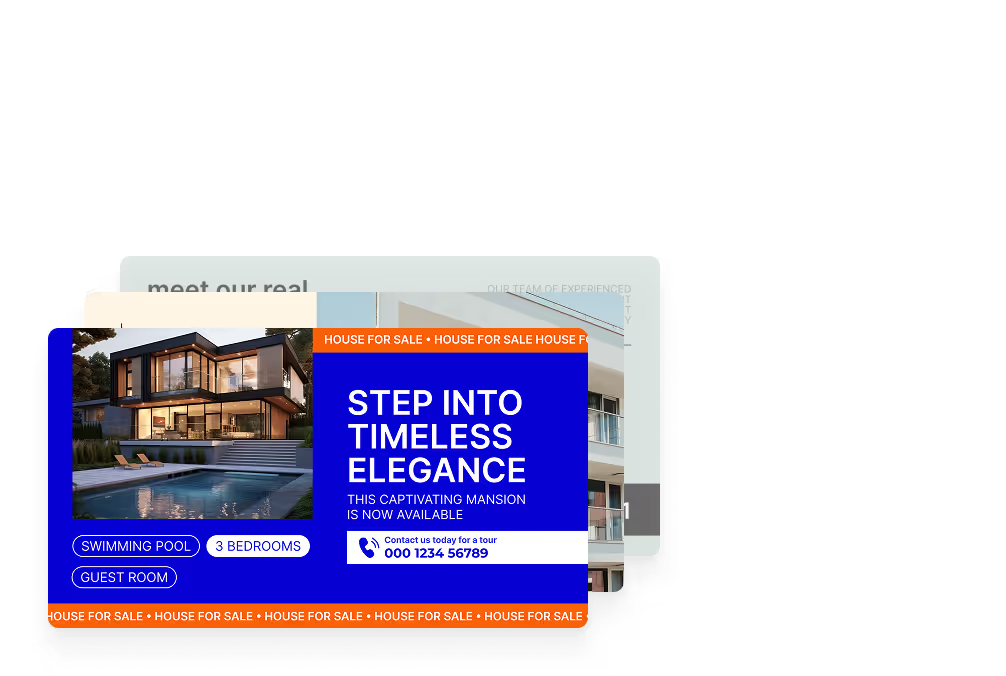
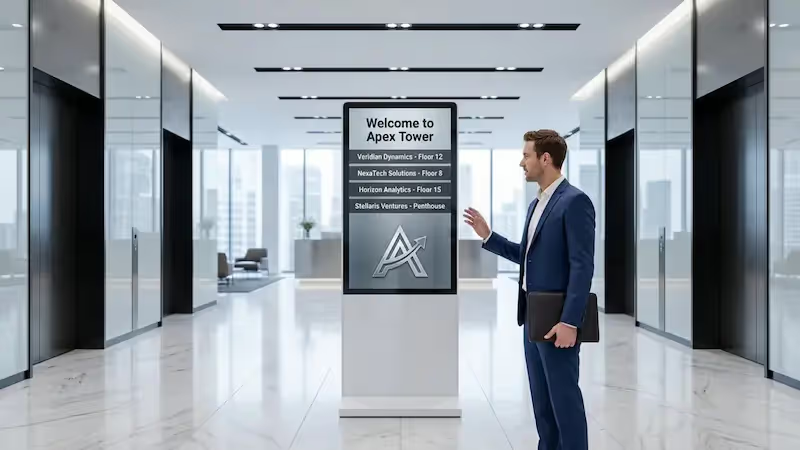
Real estate digital signage is the planned use of electronic screens-anything from small tablets to huge video walls-to show property content. Traditional signs are fixed and must be changed by hand. Digital signage is always updatable and active. It acts as a “silent salesperson” for the agency, working all day to teach, inform, and influence. Whether it is a window screen on a busy street or a welcome display in a tower lobby, the aim is to create a clean and welcoming look that matches the agency’s brand.
This technology goes far beyond simple slideshows. It creates an engaging space using video, motion graphics, scrolling text, and live information. For today’s real estate teams, it is a new level of visual marketing that highlights speed, accuracy, and design, helping clients form a strong first impression of both the property and the agency.
Key functions of digital signage in real estate
The main job of digital signage is to act as a live catalog and promotion tool. It lets agencies highlight new, featured, and price-reduced listings with more detail than paper can show. It also teaches buyers by sharing neighborhood data, school ratings, commute times, and local services, helping them imagine daily life in that area. Inside the office, screens can show agent profiles, success stories, and local event notices to build trust and familiarity.
Digital signage also supports instant action through calls to action (CTAs). With QR codes and touch forms, a person walking by can quickly move from browsing to becoming a solid lead. The screen turns from a simple display into an active part of the sales pipeline, collecting contact details and booking visits automatically.
Types of displays used by real estate professionals
Agencies use different kinds of screens to fit their goals. Bright window displays are very common, often over 2,500 nits, so they stay clear in direct sun and draw foot traffic day and night. Inside, LCDs and touchscreens in lobbies or sales suites let clients explore listings at their own speed.
Larger firms may install video walls or OLED panels with wide viewing angles so images stay sharp for people passing by from different directions. Smaller offices or single-agent desks might rely on tablet-style screens for greeting visitors or sharing digital brochures. Each display is chosen based on where it will sit, how bright the space is, and how much interaction is expected from viewers.

How Does Digital Signage Work in Real Estate?
Digital signage relies on three main parts: hardware, software, and content. The hardware includes the display and a media player that sends video and images to the screen. The software is usually a cloud-based Content Management System (CMS) that lets staff upload, arrange, and control what shows on each display from any internet-connected computer. This removes the need to walk around with USB sticks and allows instant updates across many offices.
The system is built to be stable and simple. Once the media player is hooked up to the screen and internet, it connects to the CMS and downloads the latest content. If the internet drops for a while, the player keeps showing saved files. This dependable setup lets agents focus on clients and deals instead of fixing tech problems.
Content management and delivery systems
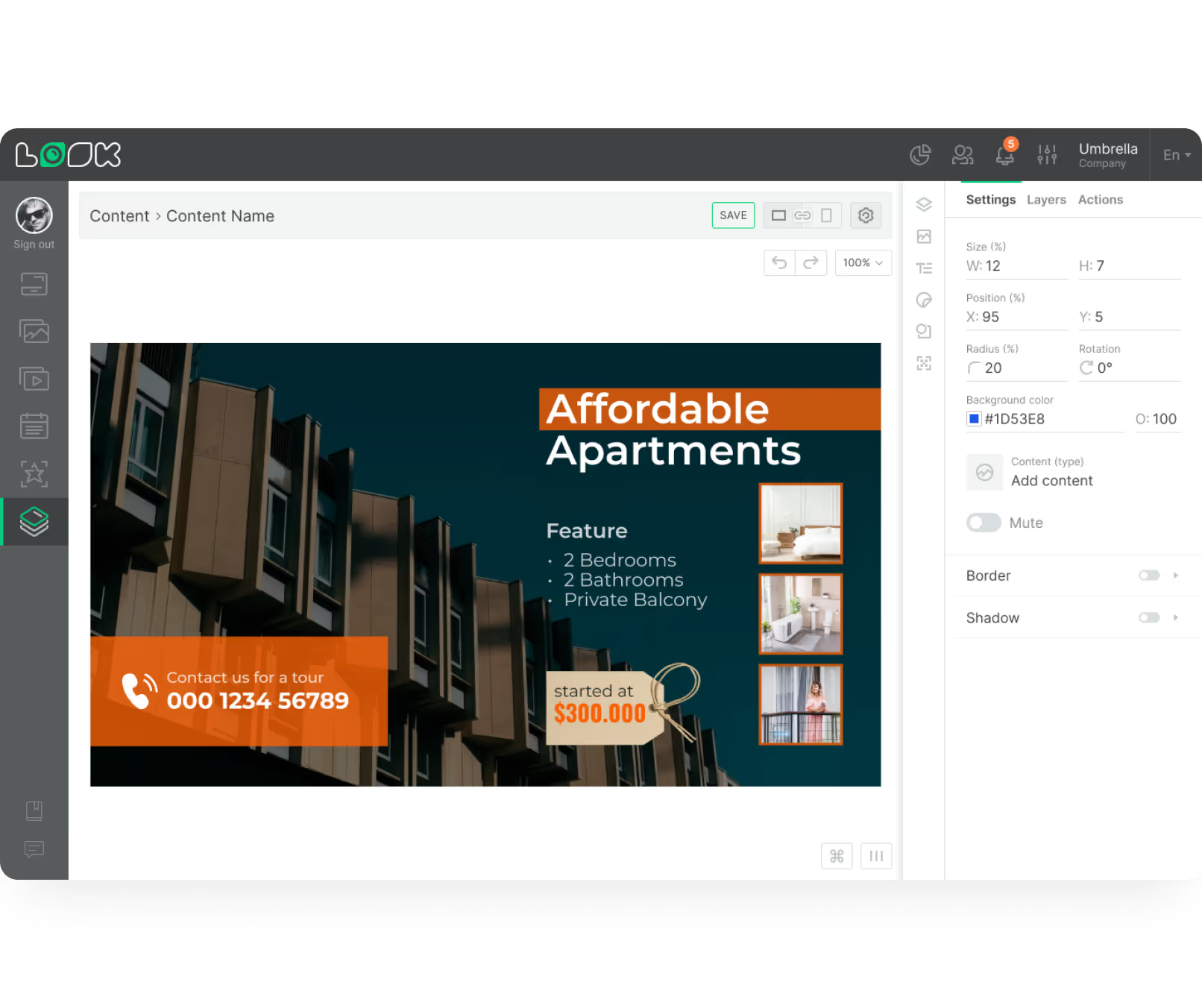
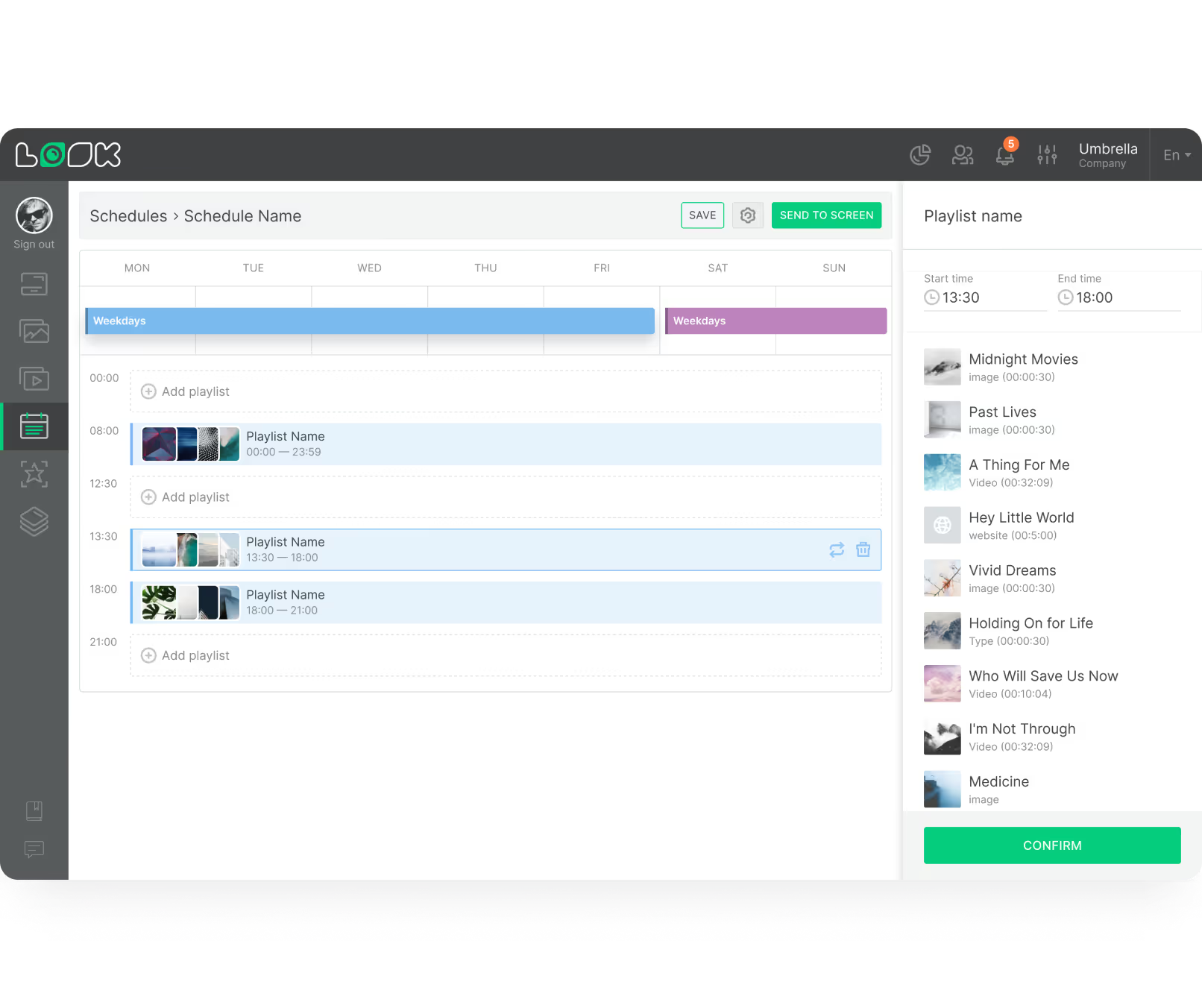
Real estate CMS platforms are made to be easy to use, often with drag-and-drop tools and simple menus. Staff can build playlists and schedules to show the right content at the best time. For example, an office might run luxury tours in the evening when higher-income clients are out, and show school info and family homes in the morning near school drop-off times.
New content usually goes out over Wi-Fi or wired internet. A marketing manager at head office can push a “Just Sold” or “Price Drop” slide to every branch in seconds. Central control keeps branding consistent and allows fast reactions to market news like rate changes or new incentives, which can appear on screens almost instantly.
Integration with property management tools and MLS
A major strength of modern digital signage is its link to MLS systems and CRM tools. Instead of loading each new listing by hand, the software can pull listing feeds directly from the MLS. When a price changes or a home goes under contract, that update appears on office screens right away.
CRM integration adds smart follow-up. When someone uses a touchscreen or scans a QR code, their details can flow straight into the CRM. This can trigger automatic emails, text messages, or alerts to the right agent, turning a simple screen interaction into a clear sales path. Up-to-date data also lowers the chance of showing wrong prices or outdated listings.
Hardware and software requirements
To set up a strong digital signage system, agencies should use commercial displays instead of consumer TVs. Professional screens are built for 24/7 operation, have better cooling, and resist glare. Media players need enough power for 4K video and interactive layouts without freezing or stuttering. Brands like CrownTV or Look DS offer ready-made players that are simple to install, even without in-house IT teams.
On the software side, agencies need a cloud platform that can grow over time. Helpful features include user roles (so marketing controls visuals while legal checks copy) and a built-in template library. Templates keep everything on-brand without needing a full-time designer; agents can drop in photos and text and get polished results fast.
Benefits of Real Estate Digital Signage
Switching to digital signage gives agencies a strong advantage. One of the first things people notice is the visual impact. Studies show that a large share of homeowners prefer agents who use video to market property. Motion, vivid colors, and large images make people stop and look in a way that paper rarely does, which often leads to more walk-ins and more leads.
Digital signage also smooths out the marketing process. It replaces the slow, costly cycle of designing, printing, shipping, and hanging posters. Staff can then put more time into meeting clients and closing deals while the screens handle repetitive updates.
Improves property showcasing with high-quality visuals
Digital screens make listings look more premium. Sharp images, drone clips, and 360° tours offer a fuller sense of layout and space. This helps buyers understand how rooms connect and what the property really feels like, which is especially important for high-end homes and new builds.
With animated slideshows, agents can show many views on one display-living room, kitchen, outdoor areas, plus local highlights. Buyers can better judge if a home fits their needs before booking a visit, so in-person showings are more focused and productive.
Increases engagement and captures leads
Interactive signage turns watching into doing. In sales centers, touchscreens let visitors filter properties by location, price, or size, giving them more control. This keeps them in the office longer and builds trust in the agency’s process.
QR codes and mobile forms help collect leads any time of day. A person who spots a great listing at 9 PM can scan a code, get the full details on their phone, and book a tour. This constant lead capture means the agency does not miss chances just because the door is locked.

Delivers real-time updates on listings and events
When markets move quickly, timely data matters. Digital signage lets developers and brokers update prices, status, or promotions across every screen in moments. This cuts down on questions about sold or expired listings and helps avoid issues that come from wrong information.
It also works well for promoting events. Screens can show dates and countdowns for open houses, workshops for first-time buyers, or charity events. This keeps locals informed and creates interest and urgency.
Enables targeted advertising and personalized content
Digital signage makes it easy to match content to the audience in each location. A screen in a luxury mall can focus on high-end homes and investment deals, while a suburban office might highlight family houses, backyard space, and school info.
Content can even be customized for set meetings. A lobby screen can greet “Welcome, Alex and Maria” next to homes that match their saved search. Small touches like this make clients feel special and reinforce the agency’s service standards.
Simplifies centralized content management
For agencies with many offices, keeping marketing aligned can be hard. Digital signage allows one central team to manage content for all sites from one dashboard. They can control branding, approve layouts, and push key listings to prime spots on every screen.
At the same time, local teams can get limited access to add neighborhood alerts, local events, or agent spotlights. This mix of central control and local flavor keeps content both consistent and relevant.
Cuts costs on traditional advertising and printing
While buying screens and software is a bigger upfront cost than printing flyers, the long-term savings are large. High-quality print runs, shipping, and re-printing all add up. Digital signage removes most of these ongoing expenses. No more tossing stacks of flyers when the property sells in two days.
Agencies can also earn money from their displays. By selling ad slots to mortgage brokers, movers, home stagers, or local shops, they can bring in extra revenue and offset the cost of the screens and software.
Improves sustainability by reducing paper waste
Many buyers, especially younger ones, care about sustainability. Moving from paper-heavy marketing to digital screens cuts paper use and reduces waste from printing. This supports a greener image for the agency.
Modern LED displays are energy efficient as well. Features like auto-dimming and scheduled on/off times keep power use low. With less paper and smarter energy use, firms can show real steps toward more eco-friendly operations.
Opportunities Created by Digital Signage in Real Estate
Moving to digital displays opens many new possibilities beyond simple ads. Agencies can turn their offices into local information centers by sharing market trends, local news, and helpful neighborhood tips. This builds long-term relationships, even with people who are not ready to buy or sell right away.
Digital tools also expand how an agency tells a property’s story. Drone shots can show how close a home is to beaches, parks, or transit. 3D tours can show homes that are still under construction. These options help buyers connect emotionally with a property before it even exists in full.
Market trends and digital transformation
Digital signage plays a key role in the larger digital shift in real estate. It offers a simple way to show charts, prices, and forecasts on big screens so clients can quickly understand where the market stands.
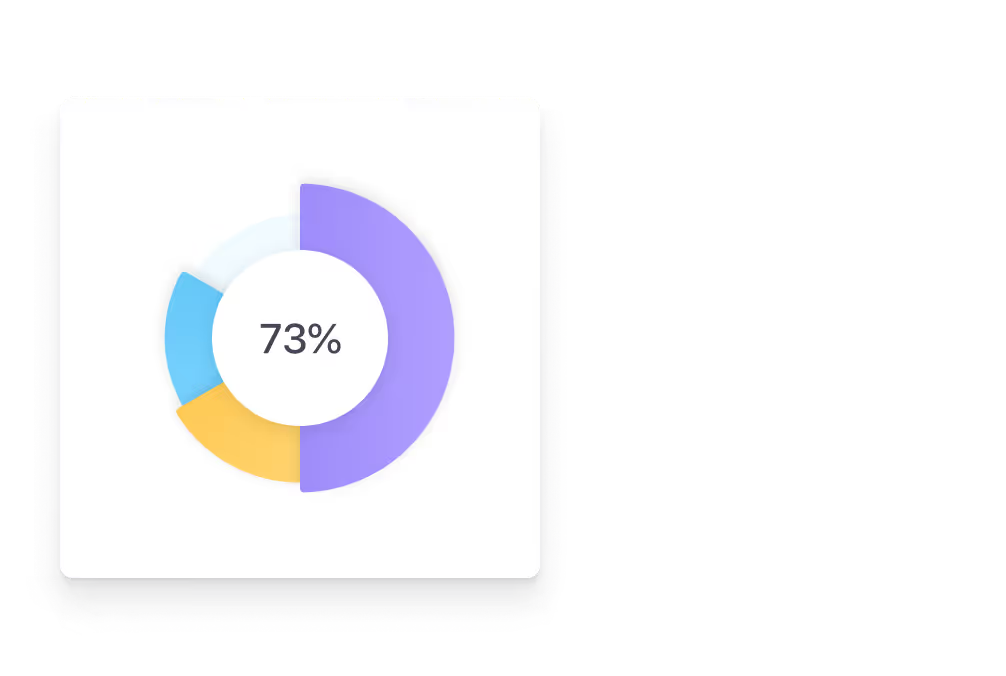
Infographics and graphs on screens help agents present their market knowledge clearly. A seller seeing demand charts for their exact neighborhood is more likely to act, especially if data shows high demand for their type of property.
Social media and mobile integration
Connecting social feeds to digital signs is a strong way to display activity and trust. Screens can show Instagram or Facebook posts, client photos, testimonials, and “Just Sold” updates in real time. Viewers can scan a QR code to follow the agency online, linking offline and online marketing.
Mobile links, usually through QR codes, let people save information on the spot. They can store brochures, watch videos, or share listings with family later, keeping the conversation going even after they leave the window.

Interactive displays for virtual tours and 3D walkthroughs
Virtual tours are now common in property marketing, and digital signage is an ideal way to show them in public spaces. On touchscreens, users can move through a home, zoom in on finishes, or change the viewing angle. This is especially helpful for buyers from other cities or countries.
For off-plan projects, big screens showing 3D walkthroughs help buyers imagine finished units. Being able to “walk” through future homes can increase confidence and speed up pre-sales.
Showcasing neighborhood and local amenities
A property is only part of the purchase; the area around it matters just as much. Screens can show maps, local attractions, parks, shops, gyms, and school ratings. This answers many common questions before a buyer even speaks to an agent.
Agencies can build interactive maps that show walking times to transit, shops, or schools. Sharing this detail shows buyers that the agency knows the area well, not just the building for sale.
Promoting open houses and special events
Digital displays can bring more people to open houses than yard signs alone. Screens can show strong photos, dates, times, and countdown timers. During the event, content can be updated to show “Open Now” or “Offers Received” messages.
Agencies can also promote local events like fairs, charity drives, or clean-up days. This helps position the office as an active part of the community and keeps the brand visible among neighbors.
Wayfinding and property location guidance
In large buildings or multi-phase developments, digital signage helps visitors find their way. Interactive maps can guide them to sales suites, model units, or meeting rooms, which makes visits smoother and more professional.
Outdoor kiosks can show maps of different phases, visitor parking, or on-site amenities. Clear directions reduce stress for guests and improve the overall experience.
After-hours and 24/7 information access
Digital signage keeps working long after staff go home. Window screens attract evening and weekend walkers, who can scan codes or use touch if enabled to get more details.
People who browse windows at night are often serious researchers. Giving them simple ways to ask for more information or book a visit helps capture leads that might otherwise go to a more digital-ready competitor.
Choosing and Implementing Digital Signage Solutions
Setting up digital signage needs planning to get good returns. Buying a screen and hanging it on any free wall is not enough. Agencies need to think about location, foot traffic, viewing distance, and content style. A well-run project includes site checks for visibility, a stable network setup, and staff training so the CMS is used well.
Picking the right vendor matters too. Providers such as Atdec or CrownTV can supply screens, mounts, media players, and ongoing support. Working with specialists reduces mistakes like poor placement, glare issues, or unreliable hardware.
Evaluating hardware and display options
When choosing displays, the two key factors are brightness and durability. For windows, screens under 2,000-2,500 nits usually look faded in daylight. Indoors, focus on color accuracy and 4K resolution so property photos look sharp and true-to-life. Smart displays with built-in players can reduce cables and extra devices.
Mounts also matter. Floor-to-ceiling cable systems in windows or slim wall mounts in lobbies must be secure and correctly placed. Good mounting puts screens at eye level, keeps them stable, and helps them blend with the office decor.
Selecting scalable software platforms
Software should be able to grow with your office count and screen network. Cloud-based, subscription-style platforms make it easy to start with one screen and expand later. A central dashboard should show the status of all displays and support strong security to stop unwanted changes.
Choose platforms with built-in apps for weather, news, traffic, social feeds, and more. These widgets keep screens interesting even for people who are just passing by.
Best practices for content scheduling and updates
Good scheduling means matching messages to viewer habits. Content should shift by time of day and day of week. For example:
- Morning: new listings and market updates
- Lunchtime: short videos and quick highlights
- Evenings: luxury listings and open house reminders
Listings should be refreshed on a regular cycle. A featured home left on-screen for weeks becomes invisible to locals. Automated expiry dates inside the CMS help remove sold properties or past events without manual work.
Optimizing visuals for readability and impact
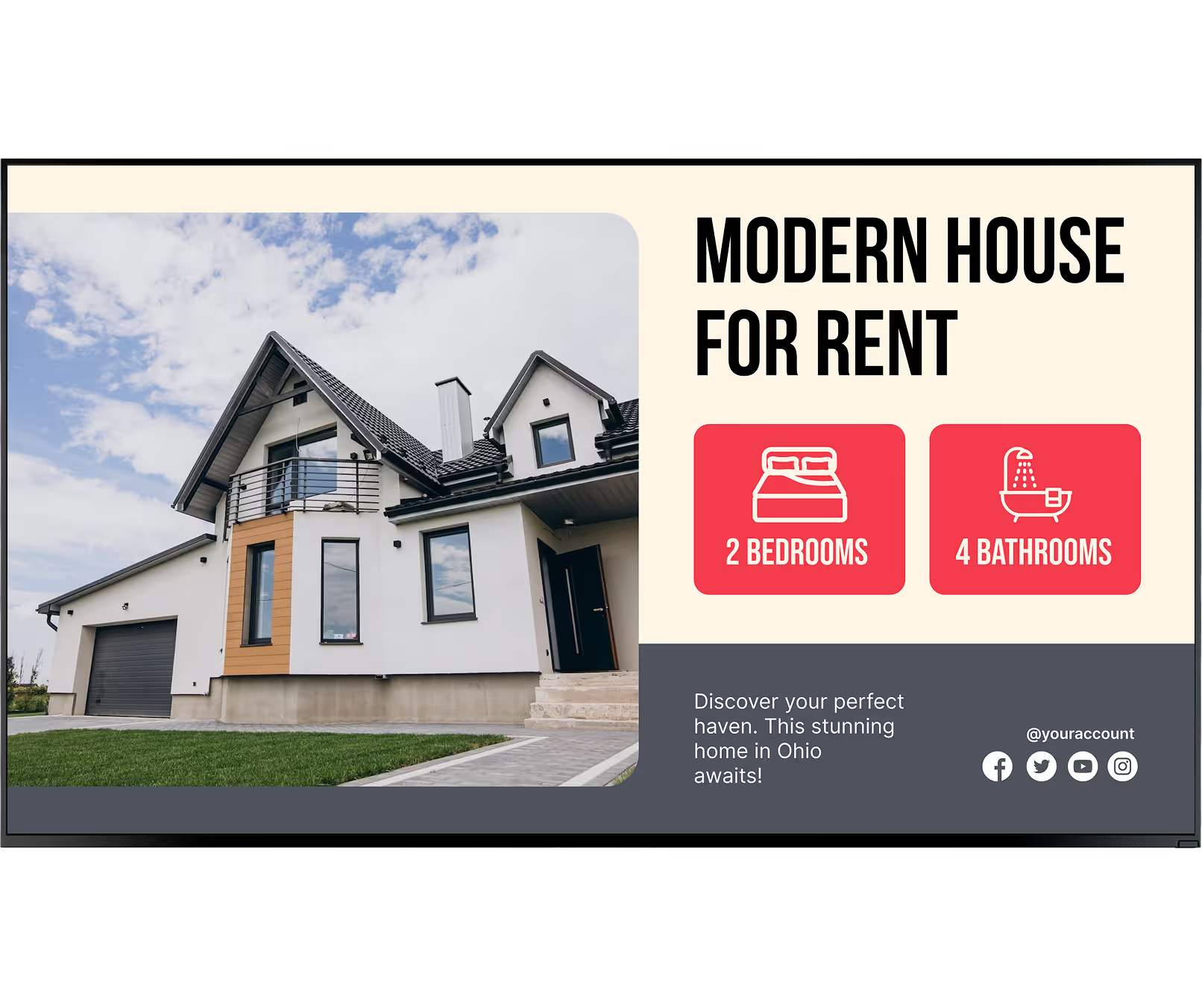
Clear reading at a glance is the goal. Each slide should follow a simple order: strong headline or property name, price and top features, then contact details or QR code. Use large, clean fonts and strong contrast between text and background.
Avoid squeezing too much copy into one frame. Let big, high-quality photos do most of the work, and use short bullet points instead of long paragraphs. The screens should catch interest and move people to take the next step, not tell every detail.
Data Collection and Analytics with Digital Signage
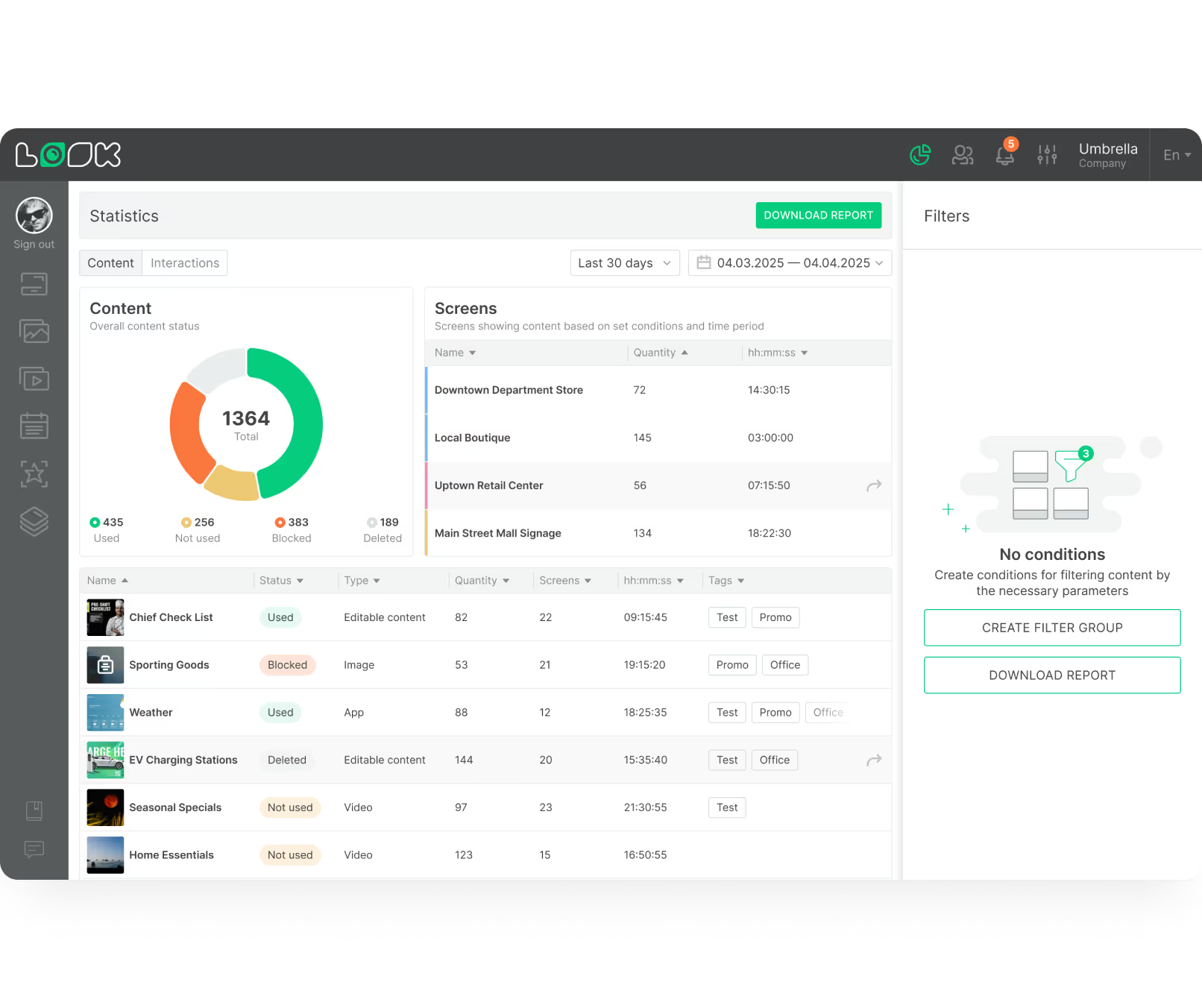
Another major benefit of digital signage is measurable data. Unlike posters, digital screens can report how often people interact with them, what they view, and for how long. This helps agencies fine-tune campaigns and prove results.
Some systems use anonymous sensors or log every touch and click. With this information, teams can stop guessing and base decisions on real behavior, such as which listings draw more interest.
Measuring client engagement and lead generation
Lead data can be tracked through QR scans, short URLs, and forms started at the screen. By using different links for each display or branch, managers can compare which locations and layouts work best.
On touchscreens, reports often show dwell time (how long people interact) and the path they follow through menus. If many users tap “Neighborhood Info” and skip “Financing Tools,” the layout can be adjusted to highlight what people care about most.
Using performance analytics to refine marketing
Analytics make it easy to test different versions of content. An agency might run two variations of a listing: one focused on lifestyle, the other on returns for investors. Comparing results shows which angle gets more interest.
Over months, patterns appear. If video tours of lofts near the city center always outperform static slides for suburban homes, the agency might shift budget and production efforts in that direction. This ongoing tuning helps keep the network effective as buyer tastes shift.
Building a Consistent Real Estate Brand with Digital Signage
Brand recognition is a major factor in real estate success. Digital signage helps create a steady, polished brand presence at every office. Using the same colors, fonts, and message style across all screens helps clients recognize the agency anywhere.
A well-presented digital display signals that the agency is modern, efficient, and serious about marketing. Sellers often look at this as proof that their home will be shown in the best possible way.
Brand messaging across multiple locations
With central control, the marketing team can push core messages like “Your Local Experts” or “Luxury Specialists” to all offices at once. This stops branches from using outdated logos or off-brand materials and supports network-wide campaigns like seasonal promotions.
User roles help keep quality in check. Local offices can add their listings and local updates, while head office locks in templates and main visuals. This keeps the look unified while allowing for regional differences.
Running dynamic marketing campaigns
Digital signage lets agencies react fast. If a new rival opens nearby or rates move overnight, they can update messages the same day. No waiting for print runs or shipping.
Content can also change based on weather or events. On cold days, highlight homes with fireplaces and cozy interiors. When it is warm and sunny, focus on gardens, pools, and patios. Small changes like this make messages feel more timely and relevant.
Leveraging testimonials and reviews
Client reviews are powerful, and screens are an ideal way to show them. Rotating quotes with client photos or short testimonial videos can turn waiting time in lobbies into quiet proof of the agency’s track record.
By connecting to Google, Yelp, or other review platforms, agencies can show a curated stream of recent ratings. This open approach builds trust and reassures new clients that others have had positive experiences.

Future Trends and Innovations in Real Estate Digital Signage
Real estate digital signage is starting to use Artificial Intelligence (AI) and the Internet of Things (IoT) more deeply. Over time, screens will adjust content more intelligently based on who is nearby or what is happening in the space. In smart sales centers, displays may even link to demo units, changing lighting, blinds, or music at the tap of a screen.
Display technology is also shifting, with transparent OLEDs, flexible LEDs, and curved screens opening new design ideas. Shopfront glass could stay clear by day and become a bright screen at night. Columns and curved walls could host wrapped displays, turning empty surfaces into active marketing space.
AI-driven property recommendations
AI will help screens present more relevant listings in real time. Using anonymous signals about visitors-such as time of day, general age group, or device type-content could adjust to show properties that fit likely interests, like condos for young professionals or downsizing options for older viewers.
Interactive screens will also use AI to act like virtual assistants. Shoppers might type or speak, “Show two-bedroom condos under $600,000 near transit,” and get a curated list instantly, complete with photos and video tours.
Integration with smart home technologies
As smart home features become more common, digital signage will be a key part of demonstrating them. In a showroom, one screen might control a model home’s lights, thermostat, or blinds, so buyers can see these systems in action.
This makes tech features more real and easier to understand and can help buyers see why those upgrades add value.
Emerging display formats and interactive features
Augmented Reality (AR) will add new layers to signage. A passerby could point their phone at a window screen and see a 3D model of a house appear, then walk around it, view floor plans, or switch between design finishes.
Transparent glass displays let offices keep an open look while floating digital images on the window. As these options become more affordable, they will change how agencies use their storefronts and interiors to stand out.
Common Questions about Real Estate Digital Signage
Many agents have questions about cost, complexity, and fit for their business size. Concerns often include whether staff will need special skills and if smaller teams can justify the investment. Over recent years, though, prices have dropped and tools have become much easier to use.
Another common topic is the difference between using a regular TV and a commercial display. While a standard TV may seem cheaper at first, business-grade screens offer better brightness, longer life, longer warranties, and features built specifically for continuous use.
Is digital signage suitable for small agencies?
Yes. Smaller agencies can benefit a lot from digital signage because it helps them look as professional as much larger brands. Cloud software is usually billed per screen, so a single-window setup can be affordable even for a small office.
It also saves time. With automated listing updates and easy templates, staff spend less effort on printing and posting and can focus on calls, showings, and negotiations.
What content performs best for property showings?
Short videos perform extremely well. Clips that last 15-30 seconds and show the key interior and exterior highlights tend to grab attention quickly. Drone footage that shows surroundings-parks, water, skyline, or nearby services-also has strong impact.
Content types that usually work well include:
- Quick video tours (with or without sound)
- “Just Sold” and “Under Contract” updates
- Client testimonials
- Local weather or brief market updates mixed in with listings
These draw the eye and keep people watching long enough to see the main property promotions.
How does digital signage compare to traditional displays?
Printed posters are static, slow to update, and limited by window space. Adding more listings often makes the window look messy. Digital screens can rotate hundreds of listings in the same area without clutter. Updates can happen in minutes, without re-printing.
Digital screens are also brighter and more noticeable. Movement and changing content make people look again each time they walk past, instead of tuning it out. Over time, this higher engagement and lower printing cost makes digital signage a better fit for modern buyers who already spend much of their time with screens.
Looking ahead, real estate agents are moving from simply sharing facts to shaping full experiences. Digital signage is a central tool in that shift, helping them present homes not just as properties, but as the setting for future lifestyles. By adopting these systems, agencies update their offices and also rethink how property marketing works in a digital-first age.