
Table of Content
How can you keep your hotel safe, clean, and running smoothly for every guest? Hotel facility management is the answer. It covers everything from fixing pipes to updating digital screens, ensuring your property stays efficient and welcoming.
Think of facility management as the engine of your hotel. Guests see the clean lobby and comfortable room, but your team works behind the scenes to make it happen. They keep the lights on, the water running, and the building safe. Without this work, even the best hotel can lose its appeal quickly.
What is hotel facility management?
Core functions of hotel facility management
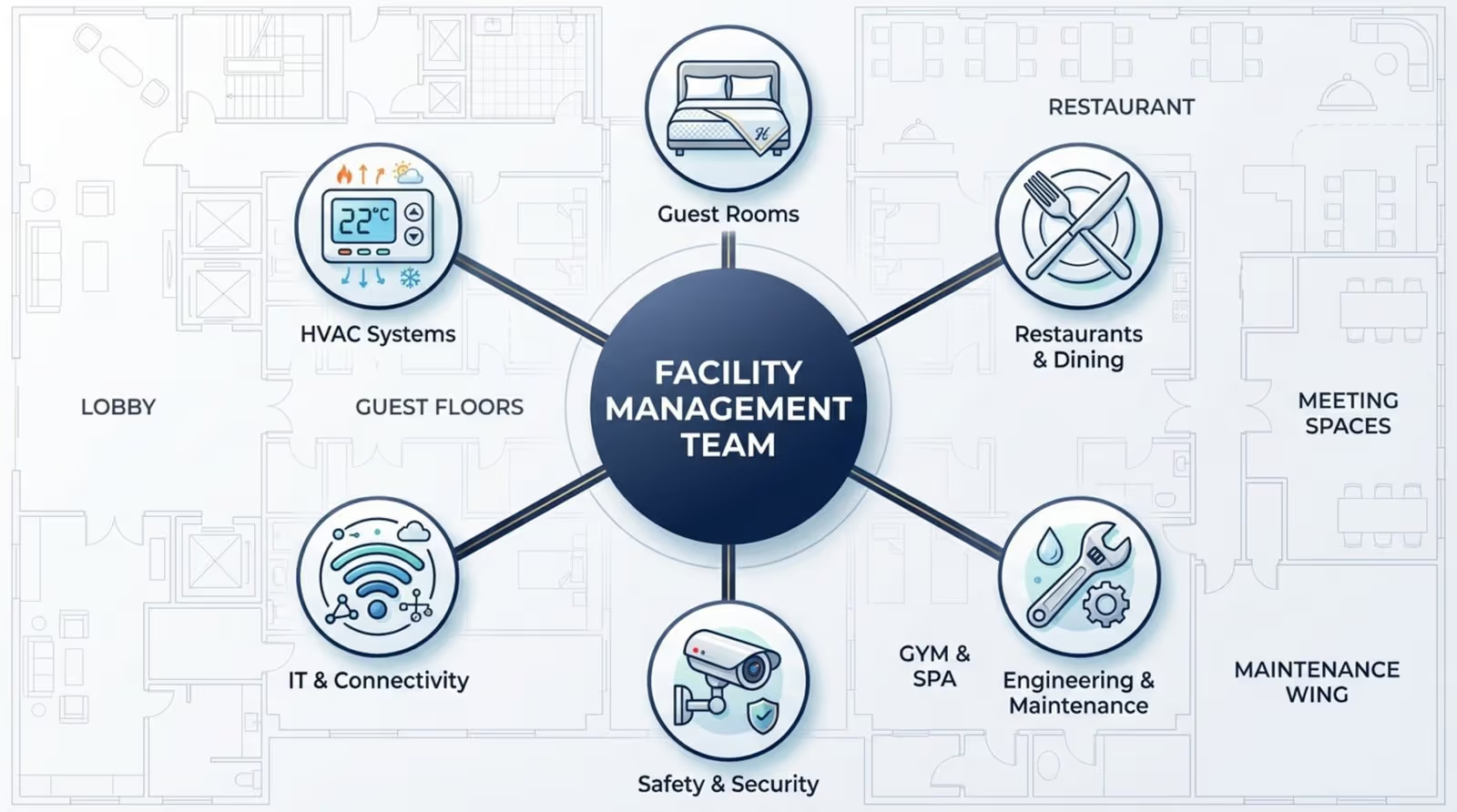
This role is about more than just fixing a leaky tap. It is the careful management of every physical part of your hotel. This includes the building structure, heating and cooling (HVAC), and utilities like water and electricity. It requires both technical skills and good planning.
It also covers the spaces where your guests and staff spend their time. This means planning renovations, managing conference rooms, and following safety rules. From checking smoke detectors to fixing kitchen ovens, the goal is to keep every part of your property ready for use.
What are the goals of hotel facility management?
The main goal is to run your hotel efficiently while keeping guests happy. A good team fixes issues before they become complaints. By servicing elevators, boilers, and Wi-Fi servers on a schedule, you extend their life and save money on big repairs later.
Safety is another top priority. This includes testing fire alarms, keeping exits clear, and running safety checks. When guests feel safe and cared for, they leave good reviews and come back again.
Why hotel facility management matters in hospitality
Impact on guest satisfaction and experience
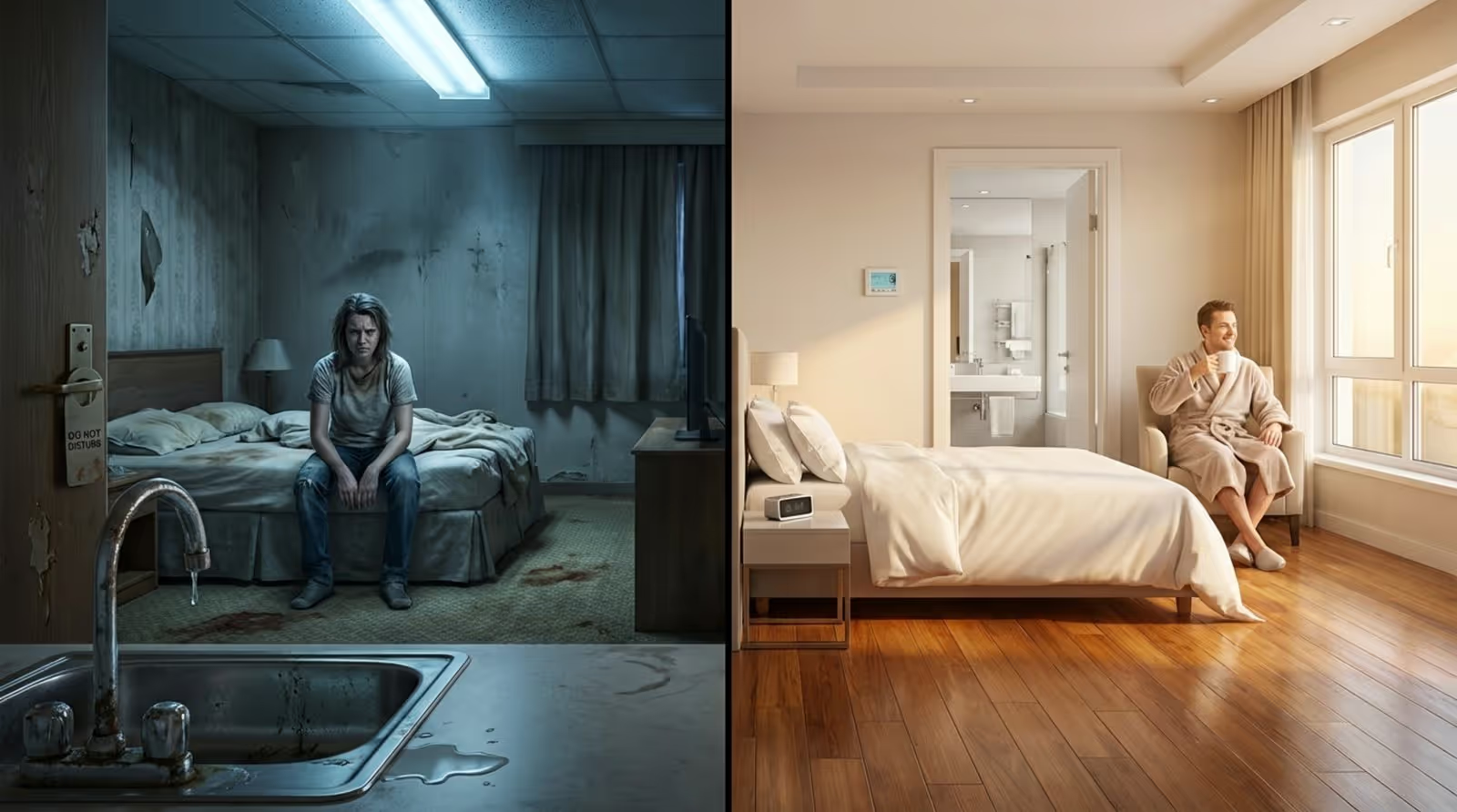
First impressions matter, but a working room defines the stay. Guests expect a comfortable temperature, hot water, and working lights. If a tap is broken or a light flickers, they notice immediately. Good facility management prevents these small annoyances.
It also covers the things guests do not see but definitely feel. Quiet air conditioning and fast Wi-Fi are essential. When you keep these systems running smoothly, guests can relax and enjoy their stay without stress.
Role in maintaining brand standards
Whether you run one hotel or a chain, consistency builds trust. Guests want the same quality every time they visit. Facility management ensures your physical space matches your brand. This includes lighting, furniture condition, and overall cleanliness.
Standards also protect your image. A well-maintained property shows that you care about details. This builds loyalty and protects you from bad online reviews.
Effects on hotel profitability and long-term value
Good maintenance saves you profit. If a plumbing issue closes ten rooms, you lose revenue every night those rooms sit empty. With a preventive plan, you can avoid these costly failures.
Regular upkeep also keeps your property valuable. A hotel is a big investment. Servicing systems like lifts and plumbing slows down wear and tear. This cuts energy costs and keeps the building attractive to future investors.
Main components of hotel facility management
Housekeeping and cleanliness management
Housekeeping is often your largest team. They handle hygiene in rooms, lobbies, and staff areas. Fast and efficient cleaning helps you sell more rooms and keeps guests satisfied.
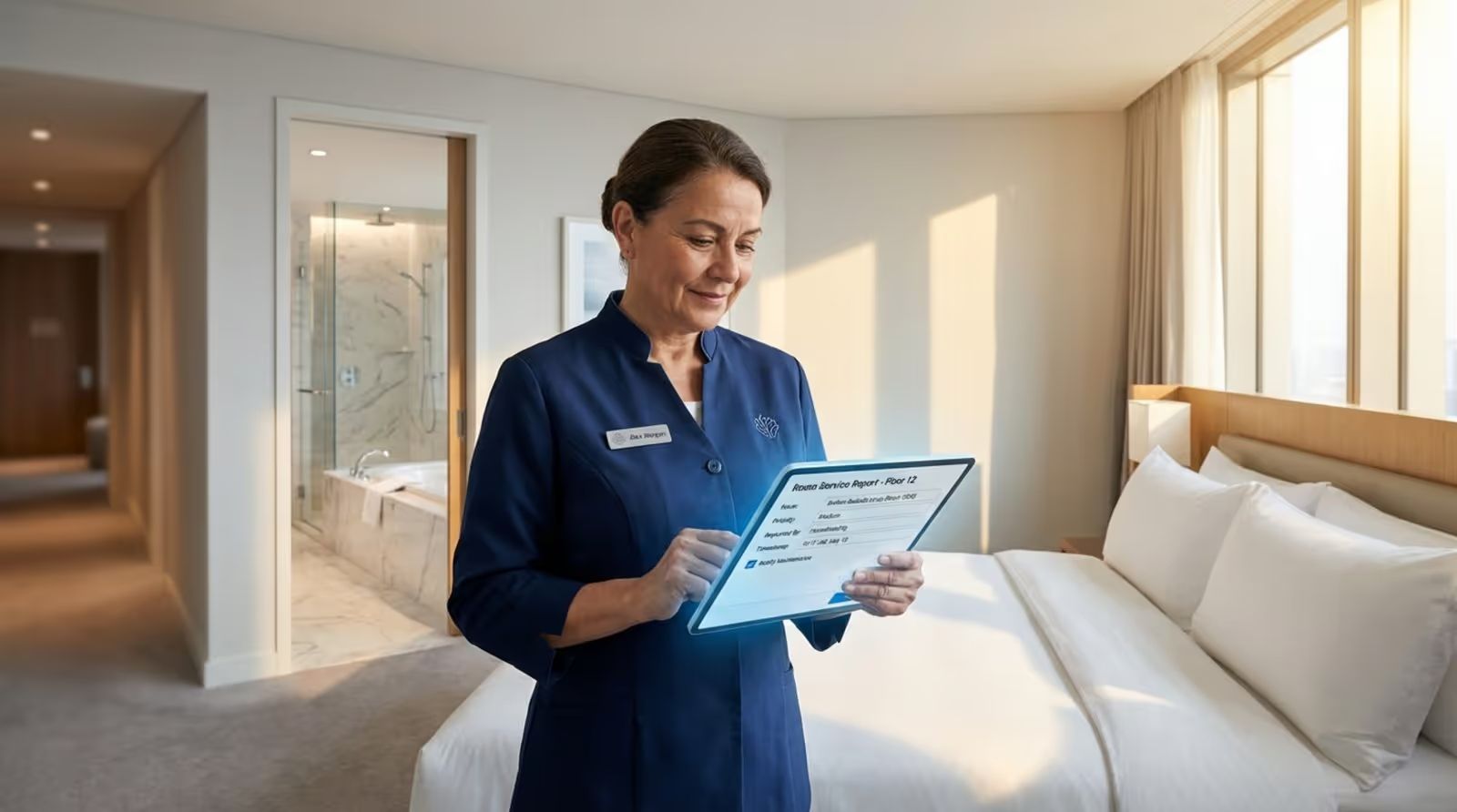
This also involves managing inventory like linens and soap. Many teams use software to plan schedules and report issues instantly. If a cleaner sees a broken lamp, they can report it right away so it gets fixed before the next guest arrives.
Engineering, property, and asset maintenance
Your engineering team keeps the "core" systems working. They manage HVAC, wiring, and plumbing. Their job is to keep the hotel lit, warm, and functional. Tasks range from changing air filters to fixing laundry machines.
Asset maintenance means tracking your equipment. By recording service dates and repairs, engineers know when to fix or replace an item. This helps you avoid waiting until something breaks completely, which is usually more expensive.
Safety and security operations
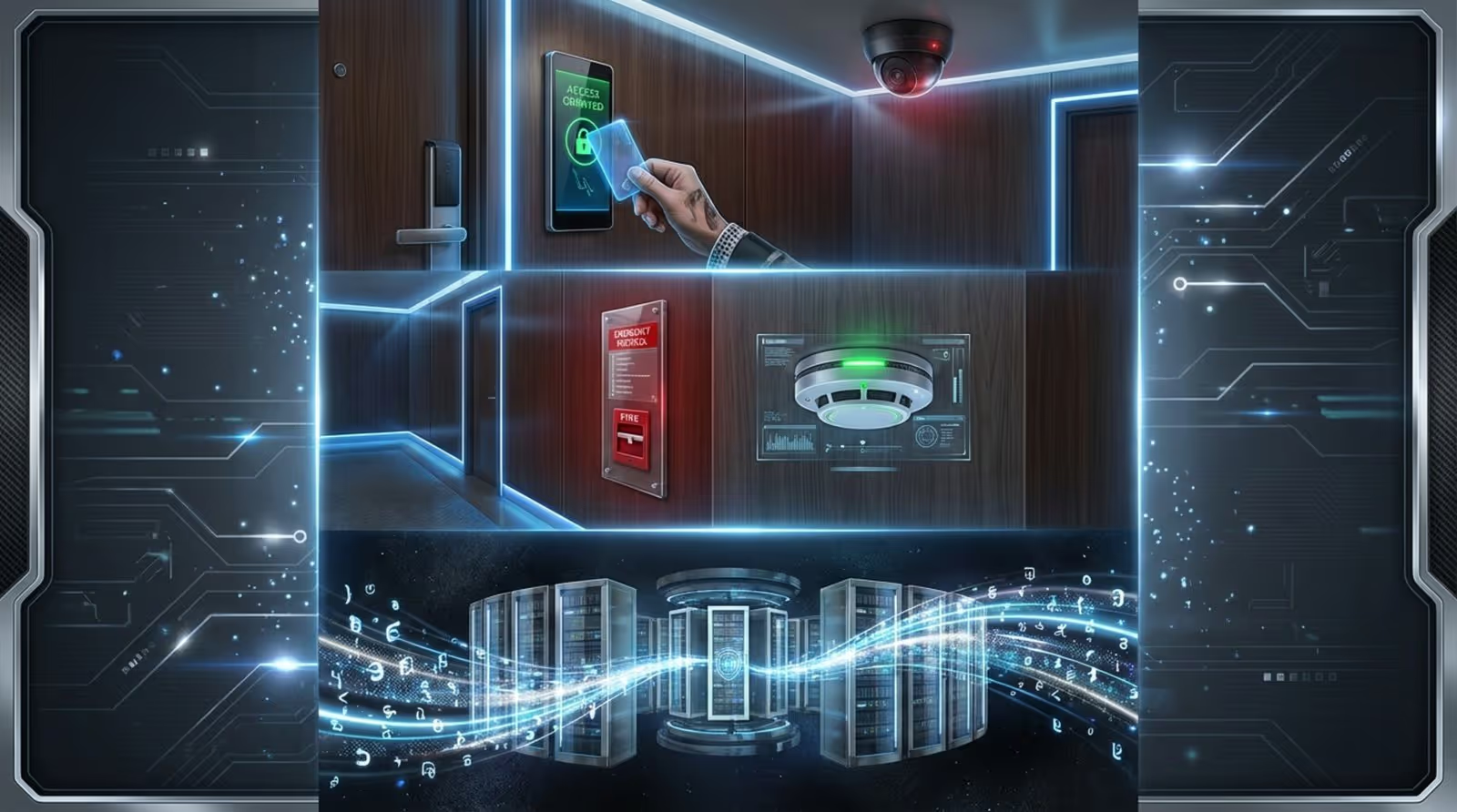
Your hotel must be a safe place. Safety management includes cameras, key cards, and fire systems. It also means training staff on how to handle emergencies.
Security also covers digital risks. Guests worry about data privacy. You must keep your IT systems as secure as your physical doors. Strong security builds trust with your guests.
Space and asset management
Hotels have many spaces, like lobbies, gyms, and restaurants. Space management ensures these areas are used well. You might change a meeting room layout or organize the gym for safety.
Asset management focuses on furniture and equipment. From sofas to treadmills, everything needs care. Good management keeps items clean and repaired so your hotel always looks fresh.
IT infrastructure and technology systems
Tech is as important as electricity. Guests expect fast internet, digital check-ins, and modern TV systems. Facility management looks after the servers and networks that run these services.
Communication screens are also vital for a modern hotel. This is where Look Digital Signage can help. It allows you to manage screens across your entire property from one cloud-based dashboard. Instead of manually updating USB sticks, you can use the Look CMS to publish welcome messages, event schedules, or wayfinding maps in minutes. Features like Smart Scheduling let you automate breakfast menus in the morning and happy hour promos in the evening, while Playback Analytics proves that your content ran as planned. It is a reliable way to keep guests informed without adding work for your staff.

Food and beverage facilities oversight
Your restaurants and bars depend on working equipment. This covers ovens, fridges, and dishwashers. Because food areas have strict health rules, you must keep grease traps clear and temperatures correct.
Specialists are often needed for coffee machines and beer taps. Smooth management here ensures safe and happy dining experiences, which helps your revenue.
Front desk and guest services
The front desk is the voice of your guests. When someone complains about a cold room, the front desk must tell maintenance immediately.
Good systems track these requests until they are done. The front desk also manages luggage and parking services. They connect guest needs directly to your facility team.
How to structure facility management roles and teams
Hiring and training facility staff
Hire people with technical skills and a helpful attitude. For maintenance, certifications can be a plus. Since hotels run 24/7, staff need to be ready to handle pressure.
Training is essential. Teach your team about new tools, safety rules, and your brand standards. Regular training helps them work professionally. Hotels that invest in their staff usually provide better service.
Staff development and performance accountability
Give your team clear goals. Appoint leaders, like a Chief Engineer, to oversee work. Use performance reviews to track progress.
Digital logs help with accountability. When staff record their tasks, you have a clear history of work. This helps keep projects on time and shows you who is doing well.
Communication across departments
Departments must talk to each other. If a guest reports a leak, maintenance needs to know instantly. Delays cause frustration.
Use digital tools to share information. Staff can report issues and check status updates on their phones. This keeps everyone on the same page and solves problems faster.
Maintenance strategies for hotels
Preventive and scheduled maintenance
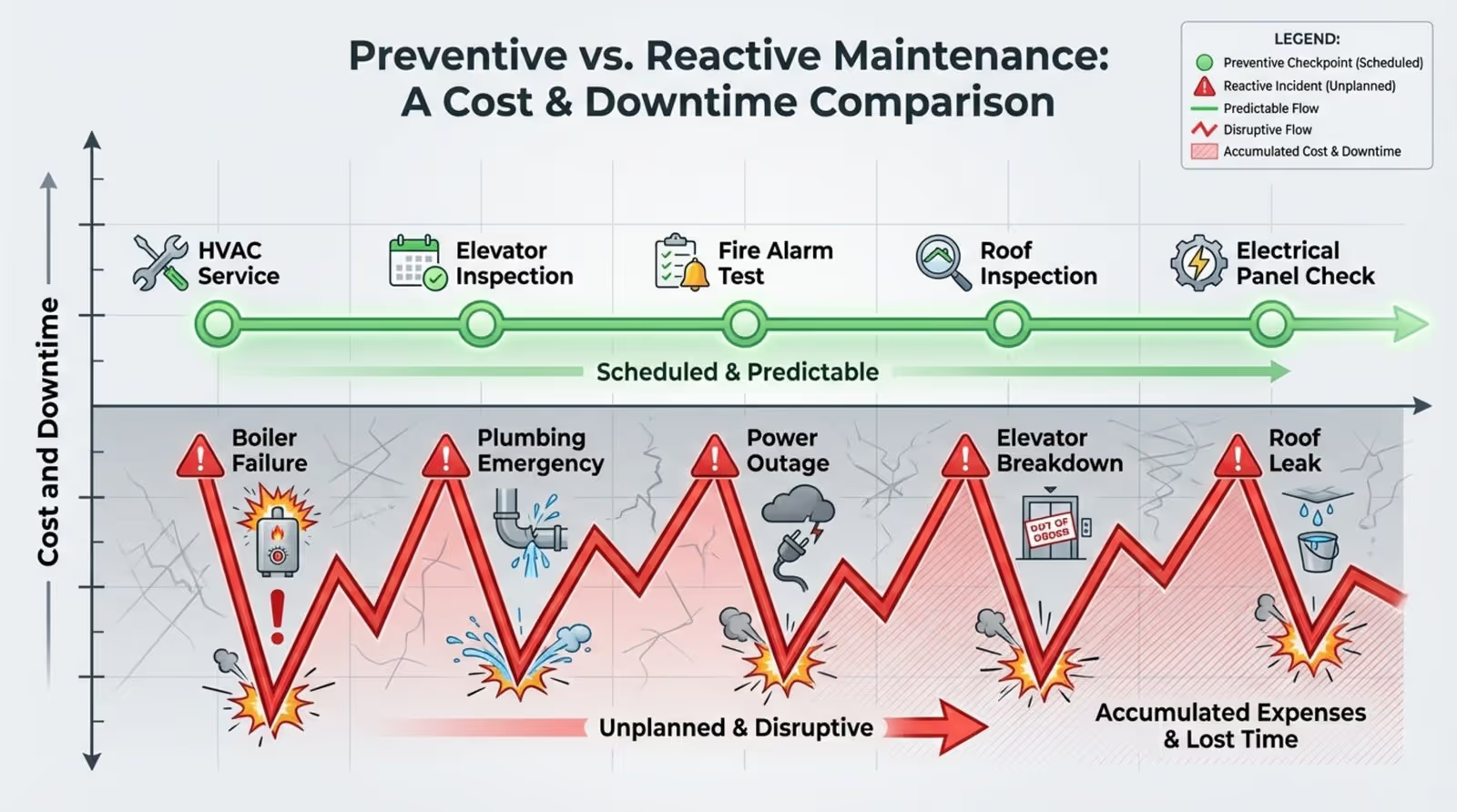
The best strategy is to stop problems before they start. Preventive maintenance means checking equipment regularly. Tasks include changing filters and testing alarms. This helps you spot issues early.
Scheduled maintenance also helps you plan your budget. You can plan for service costs instead of being surprised by a broken boiler. Prevention keeps your hotel running smoothly.
Using maintenance management software (CMMS and CAFM IMS)
Modern hotels use software to manage facilities. These systems store all your data in one place. You can schedule checks, track parts, and manage work orders easily.
This reduces mistakes. The system can remind you when a freezer needs service. It also gives you reports so you can see where you are spending the most money.
Outsourcing versus in-house maintenance
You can use your own team or hire outside help. In-house staff are great for daily fixes like clogged drains. For complex systems like elevators, it is often better to hire a specialist.
Outsourcing gives you access to experts and tools. It can be cheaper for jobs that do not happen often. A mix of both helps you keep quality high without spending too much on payroll.
Responding to unexpected repairs and emergencies
Emergencies happen, like burst pipes or power cuts. Your team needs a plan. Keep a list of 24-hour contractors and train staff on what to do.
Fast action keeps guests happy. If you fix a problem quickly, guests often appreciate the good service. Keep spare parts on site to speed up repairs.
Sustainable practices in hotel facility management
Energy efficiency and resource conservation
Saving energy is good for the planet and your budget. You can install LED lights and smart thermostats. Some hotels even use solar panels.
Your building helps too. Good insulation and windows stop energy loss. These steps lower your utility bills and appeal to eco-friendly guests.

Water management and waste reduction
Hotels use a lot of water. You can cut this down with low-flow showers and toilets. Fixing leaks quickly saves thousands of gallons.
Reduce waste by recycling and using less plastic. Replace small plastic bottles with refillable dispensers. This protects the environment and lowers your disposal costs.
Green certifications and compliance
Certifications like LEED show you care about the environment. To get them, you must follow strict rules on energy and water. Your facility team manages these checks.
You must also follow local laws. This includes safe waste disposal and air quality rules. Staying compliant avoids fines and builds a responsible reputation.
Technology’s role in improving hotel facility management
Benefits of integrated facility management software
Technology connects your teams. Integrated platforms link housekeeping, maintenance, and the front desk. This keeps information moving and reduces errors.
These tools give you a clear view of your hotel. You can track repairs, renovations, and energy use in real time. This helps you make better decisions.
Streamlining maintenance and asset tracking
Use tech to track every item in your hotel. Codes on equipment can show service history on a phone. This helps staff fix things faster.
Tracking also helps you plan for the future. You can see when a machine costs too much to fix and needs replacing. This keeps your equipment reliable.
Enhancing team coordination and workflows
Mobile apps have replaced paper forms. Staff can update tasks and share photos instantly. This is very useful for large hotels.
Digital checklists ensure every job is done right. Whether checking a pool or a room, the software makes sure no step is missed.

Data analytics and performance reporting
Modern tools collect data. Dashboards show you how fast your team responds to issues. You can use this info to improve your operations.
Data also helps with money. By watching repair costs, you can build better budgets. Using data removes guesswork and makes your hotel more profitable.
Key performance indicators for hotel facility management
Maintenance request response time
Speed is key. This metric tracks how fast your team responds to a report. A fast response usually means happier guests.
Set targets for different issues. A safety risk needs immediate action, while a minor repair can wait a day. Tracking this keeps your team focused on what matters most.
Guest complaint resolution rate
Solving the problem is what counts. This metric shows how many complaints are fully fixed. It reflects your team's skill and tools.
A high rate means your staff can fix issues permanently. If problems keep coming back, you may need better equipment or training. Focus on this to ensure lasting quality.
Best practices to improve guest experience through facility management
Aligning operations with guest expectations
Guests want modern comfort. Your facility needs to match this. You might need to add mobile keys or update gym gear.
Pay attention to the senses. A hotel should be quiet, smell good, and look clean. These small details make your hotel feel high-quality.
Implementing quality assurance programs
Check your work regularly. Use checklists to inspect rooms and public areas. You can also use "mystery guests" to get an honest view. This helps you find small issues before guests do.
Record your results to see patterns. If a problem repeats, you can train your staff to fix it. This shows you are serious about quality.
Continuous improvement and feedback integration
Always look for ways to improve. Listen to guest feedback and reviews. Use this info to change how you work.
If guests say the lobby is cold, adjust the heating. By acting on feedback, you keep your hotel comfortable and competitive.
Frequently asked questions about hotel facility management
What is the difference between hotel maintenance and facility management?
Maintenance focuses on repairs, like fixing pipes or wires. Facility management is bigger. It covers maintenance, but also housekeeping, safety, IT, and planning. It manages the whole building and the guest experience.
How does facility management software integrate with hotel systems?
It connects with tools like your Property Management System (PMS). When a guest checks out, the PMS tells facility software to clean the room. Once cleaned, the system marks it ready for the next guest. This saves time and reduces manual work.
What are the advantages of investing in modern facility management tools?
Modern tools save time by automating schedules. They give you data to make better choices. They also help your team work together better, leading to fewer breakdowns and lower costs.
Maximizing value: Final recommendations for effective hotel facility management
To get the most from your hotel, view facility management as an investment, not a cost. A well-kept property attracts guests and builds loyalty. Stay flexible and keep up with trends like eco-friendly stays to remain competitive.
Your people are your best asset. Train your staff well and give them the right tools. When you combine a skilled team with smart technology, like Look Digital Signage for communication and data-driven maintenance tools, you create a safe, efficient, and profitable hotel that guests love.