
Table of Content
How can hotels and restaurants move beyond generic ads to build real guest loyalty? The key is blending smart digital tools with authentic storytelling. By focusing on mobile-first experiences, data-backed insights, and consistent on-premise messaging, you can turn a one-time booking into a long-term relationship.
In the modern hospitality landscape, the focus has shifted from broad, generic outreach to highly targeted, value-driven messages. Whether you run a boutique bed-and-breakfast or a large resort, your goal is to reach guests where they spend their time-on their devices-and offer a narrative that makes your property the obvious choice. Success requires understanding the intangible product you are selling: the comfort of a stay, the flavor of a meal, and the memory of an experience.
What is hospitality marketing?
Hospitality marketing focuses on selling experiences rather than physical goods. Unlike a retail store where customers leave with a product, your guests leave with a memory. This approach spans everything from search engine optimization (SEO) and social media to the ambiance of your lobby and the attitude of your staff. It is about making a promise of comfort or excitement and delivering on that promise consistently.
Because your "product" is consumed as it is created, reputation and perceived value are critical. Marketing here isn't just about securing a booking; it is about managing expectations from the first online search to the final checkout. This requires careful attention to every digital and physical touchpoint to ensure the online promise matches the on-site reality.
What makes hospitality marketing different?
The defining challenge in hospitality is "perishability." An unsold room tonight cannot be sold tomorrow; that revenue is lost forever. This reality forces revenue teams to rely on dynamic pricing and real-time marketing adjustments. You must be agile, adapting tactics based on seasonality, local events, and demand patterns to maximize occupancy.
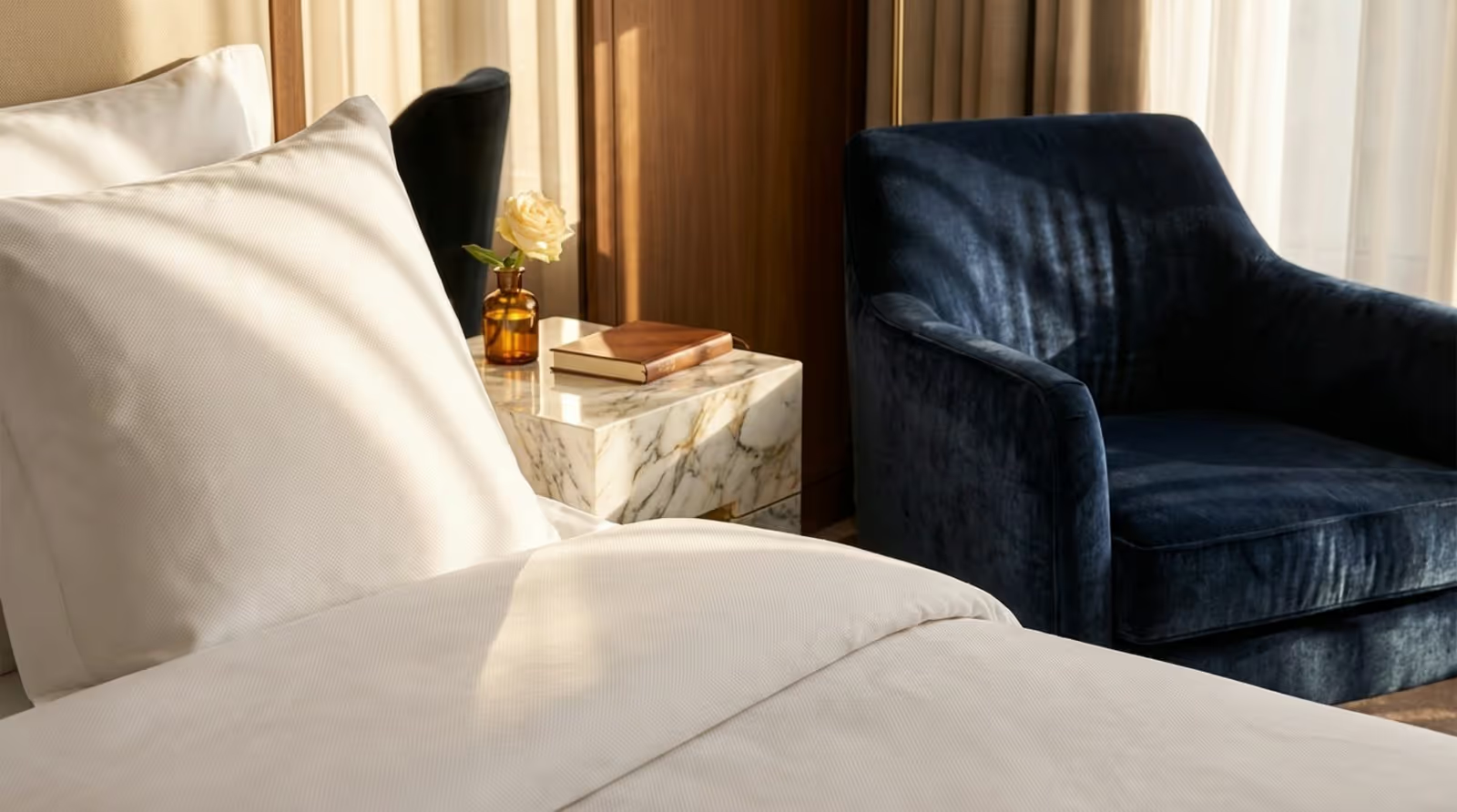
Hospitality is also deeply personal. You are selling a "home away from home" or a celebration. This demands high emotional intelligence in your messaging. While other industries might highlight technical specs, hospitality marketing highlights the sensory experience-the feel of the linens or the view from the balcony. Staff members are also a core part of this marketing mix, as they deliver the service that defines the brand.
What are the main objectives?
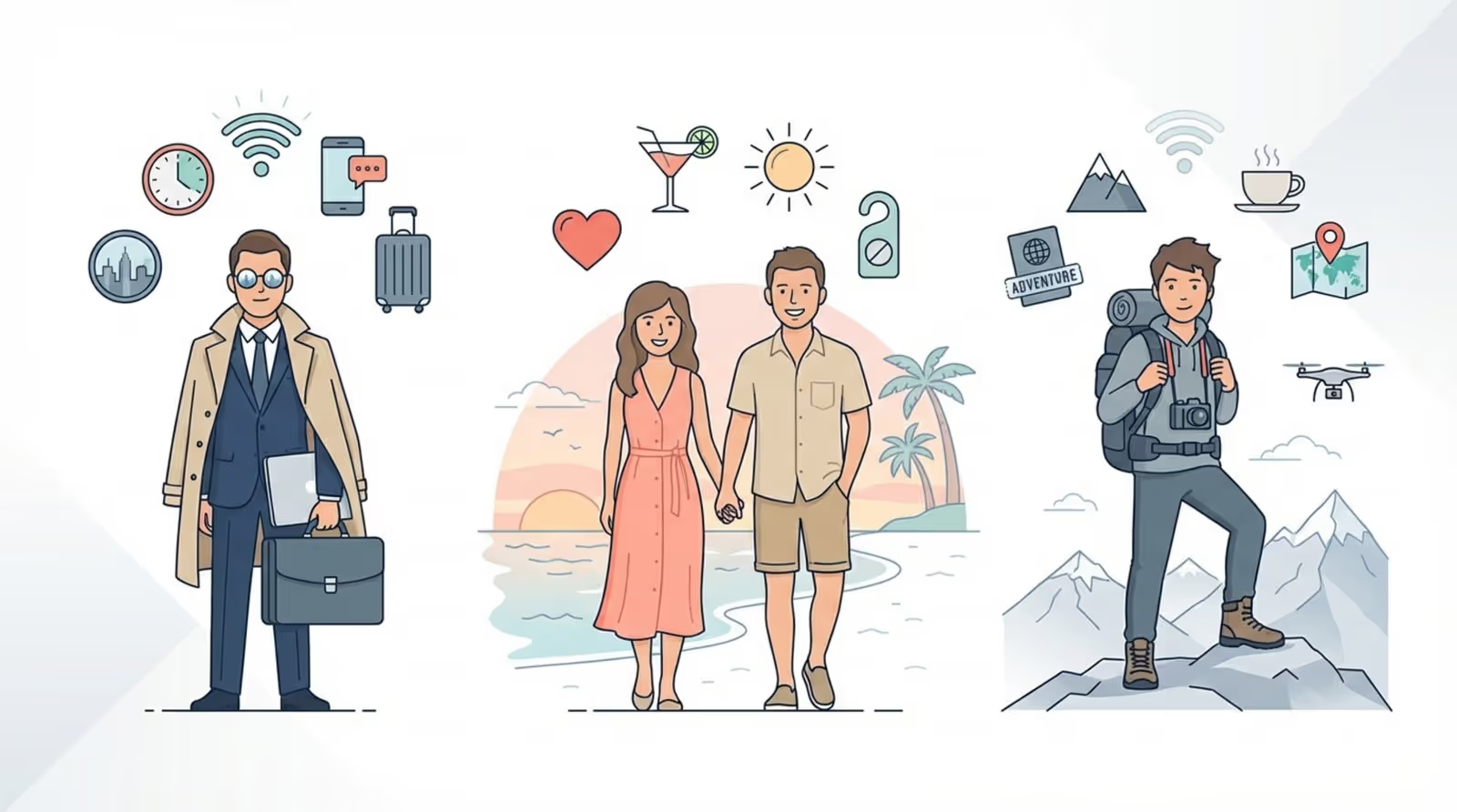
While acquiring new guests is the primary goal, sustainable growth comes from building brand identity. You need to create a clear "brand promise" that resonates with a specific audience, whether that’s budget-conscious backpackers or luxury business travelers. Standing out from competitors is essential for long-term survival.
Increasing the Lifetime Value (LTV) of each guest is equally important. It is far more cost-effective to retain a past guest than to acquire a new one. Driving direct bookings to reduce third-party commission fees and building loyalty through personalized follow-ups remain central to a healthy marketing strategy.
Why hospitality marketing matters for hotels and restaurants
Travelers today have thousands of options at their fingertips. Marketing provides the structure to tell your story and cut through the noise. For hotels and restaurants, it differentiates "we exist" from "we are the perfect choice for you." Without a strategic approach, even exceptional properties can remain invisible to their ideal guests.
Online Travel Agencies (OTAs) dominate search results but charge significant commissions. Effective marketing helps independent properties and chains regain control of the guest relationship. It allows you to showcase your unique style and local character-details that often get lost in a standardized OTA listing.
Boosting revenue and loyalty
Marketing drives revenue by creating desire and urgency. Strategic promotions, such as "early bird" rates or "last-minute" getaways, fill inventory during slower periods. Furthermore, tailored marketing can increase revenue through add-ons like spa treatments or room upgrades. When an offer feels relevant to a guest's needs, conversion rates improve.
Loyalty is built through consistent, helpful communication. Staying in touch via newsletters or personalized offers keeps your brand top-of-mind. When guests are ready to book their next trip, they are more likely to return directly to a brand they trust rather than starting a new search.
Impact on occupancy
Occupancy rates are a direct indicator of marketing success. Effective campaigns smooth the "path to purchase," ensuring a steady flow of inquiries. By analyzing search trends, you can time your campaigns effectively-for example, promoting winter ski packages in late summer when travelers begin planning.
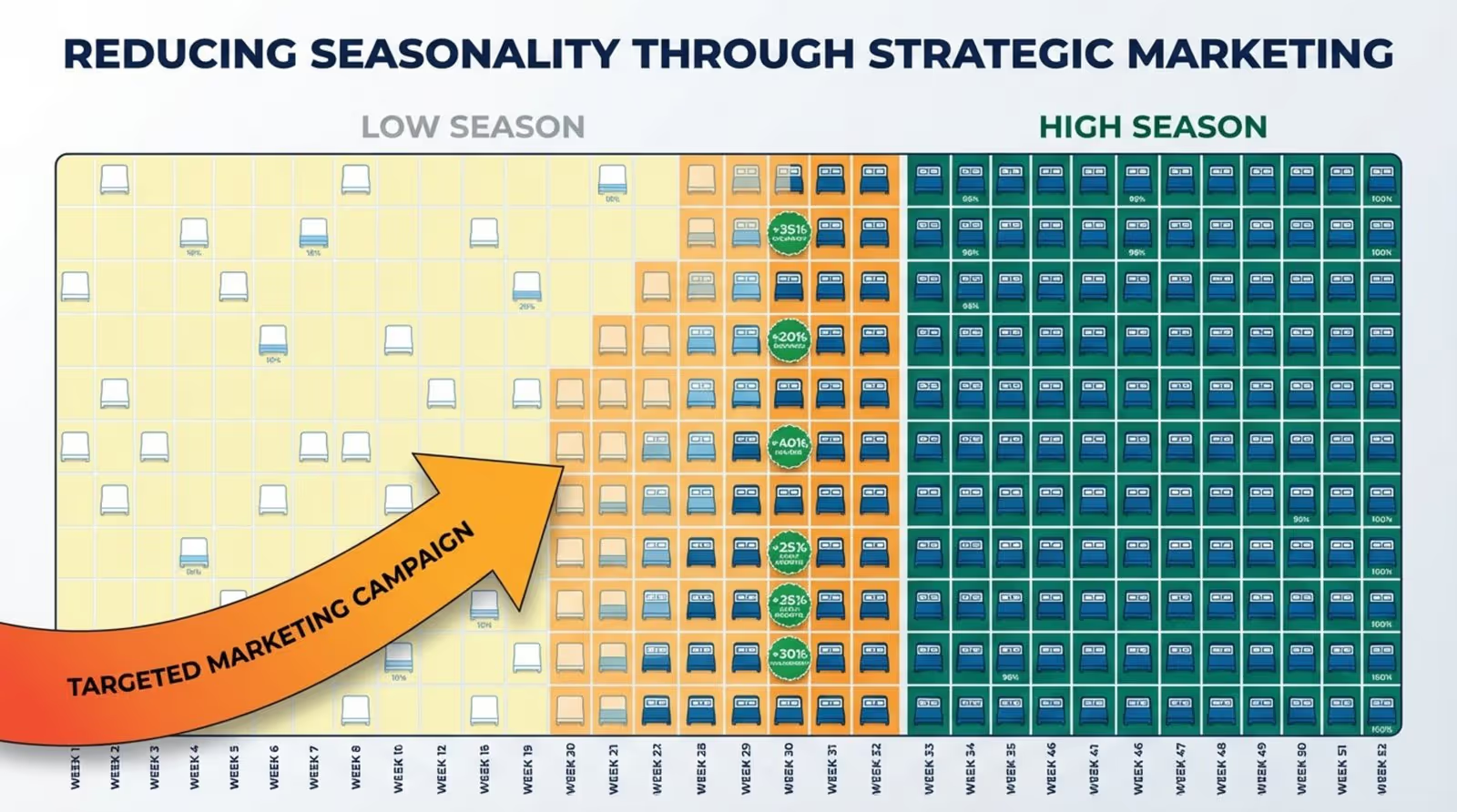
Marketing also mitigates the effects of seasonality. By targeting different segments-such as business travelers midweek and leisure guests on weekends-you can maintain stable occupancy. clear photography, transparent pricing, and strong calls-to-action (CTAs) on your website directly support higher conversion rates.
Key elements of successful hospitality marketing campaigns
Effective campaigns are systems, not just single ads. They start with a clear understanding of your property's unique value and end with a guest feeling appreciated. Success requires balancing data-driven targeting with creative storytelling. The following elements are the foundation of any strong strategy.
Understanding your audience
You cannot be everything to everyone. A hotel designed for honeymooners requires a different tone than one built for digital nomads. Start by creating Guest Personas-profiles of your ideal customers that detail their goals, pain points, and preferred channels. Do they prioritize aesthetic appeal, or are they focused on efficiency and connectivity?
Test your marketing materials against these personas. If you target eco-conscious travelers, your content should highlight sustainable practices and plastic-free initiatives. precise targeting yields a better return on investment (ROI) than broad, unfocused efforts.
Defining your Unique Value Proposition (UVP)
Your UVP answers the question: "Why here?" In a crowded market, you must clearly articulate what sets you apart. This could be your historical significance, unique culinary offerings, or exceptional service standards. Your UVP should be easy to understand and difficult for competitors to replicate.
This value proposition must appear consistently across all channels. If your UVP promises tranquility, your visuals should reflect calm and privacy. delivering on this promise strengthens your reputation and builds trust.
Creating engaging visual content and brand storytelling
Visuals are the language of hospitality. Guests often browse images before reading a single word. High-quality photography and video are baseline requirements, but true engagement comes from storytelling. Instead of empty rooms, show the experience of living in them-breakfast in bed or a sunset view.
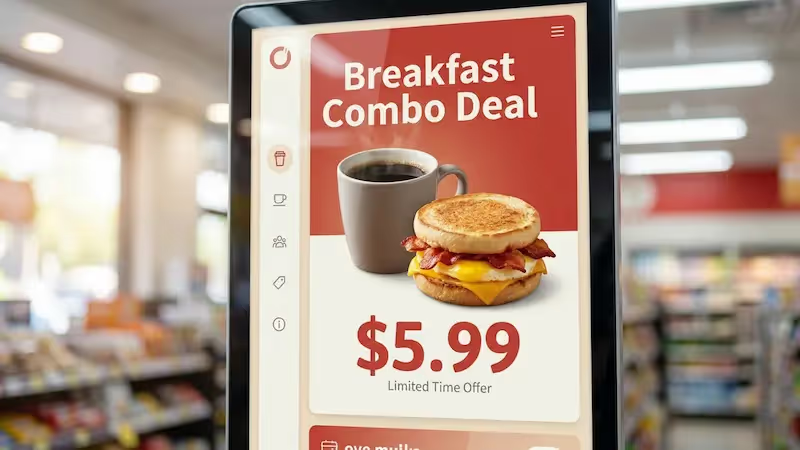
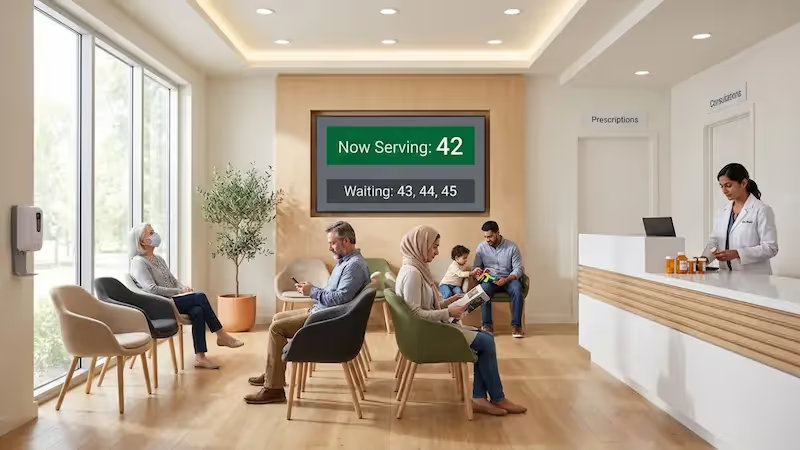
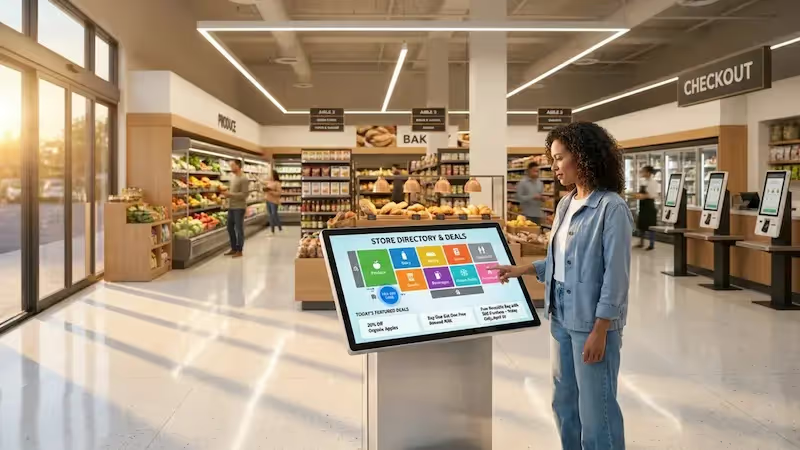
This storytelling must extend beyond your website to your physical property. Consistency is key. Tools like Look Digital Signage can help you bring these digital narratives into your lobby, restaurant, and hallways. Using the Look CMS, you can easily schedule and manage high-quality visuals across your screen network from one dashboard. With ready-made templates, your team can quickly publish branded welcome messages or promote daily specials, ensuring the on-site experience matches the online allure.

Top strategies to introduce in hospitality marketing
The digital landscape changes fast. To stay competitive, use a mix of proven tactics and modern technology. Focus on executing a few strategies well rather than attempting everything at once.
Optimizing for mobile
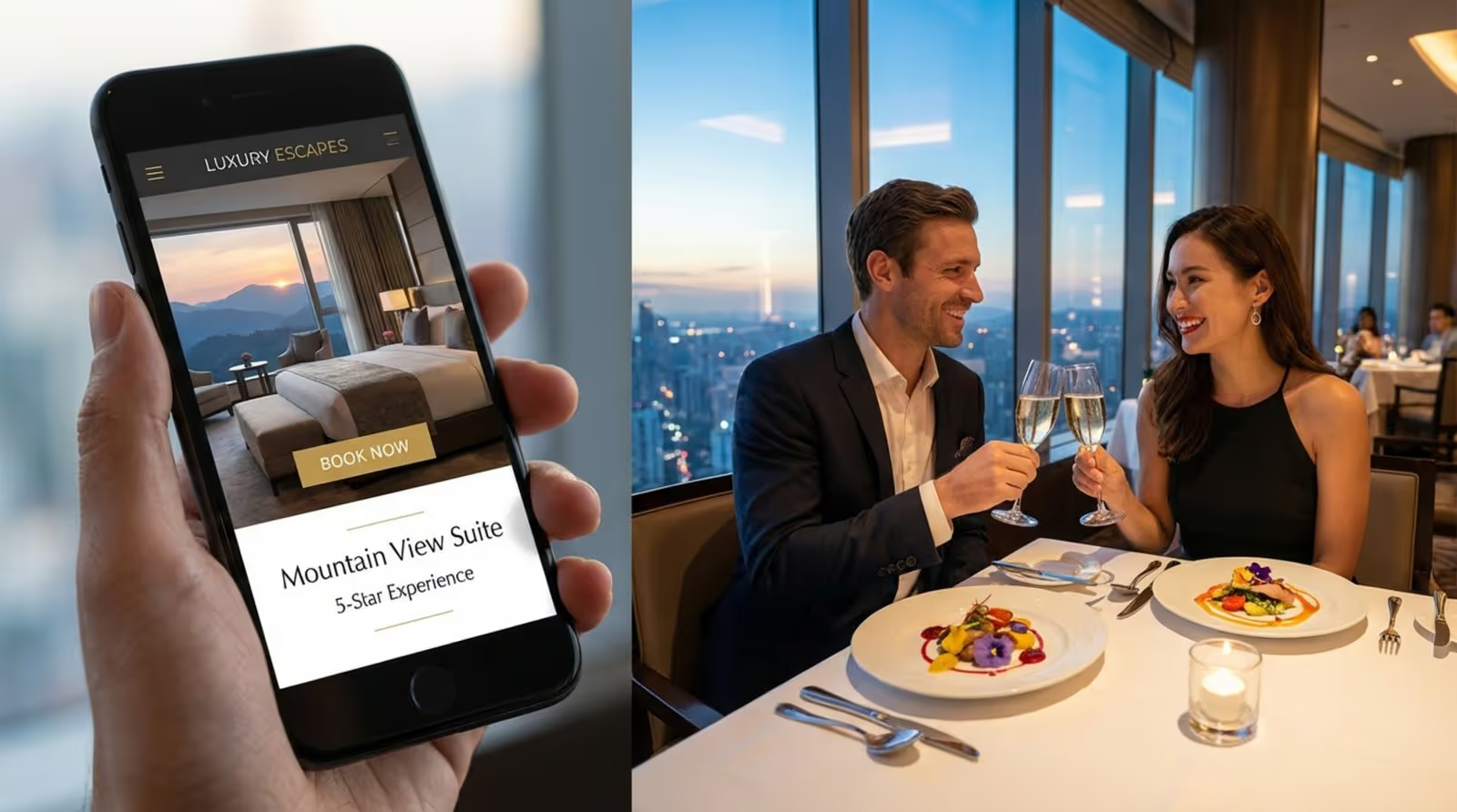
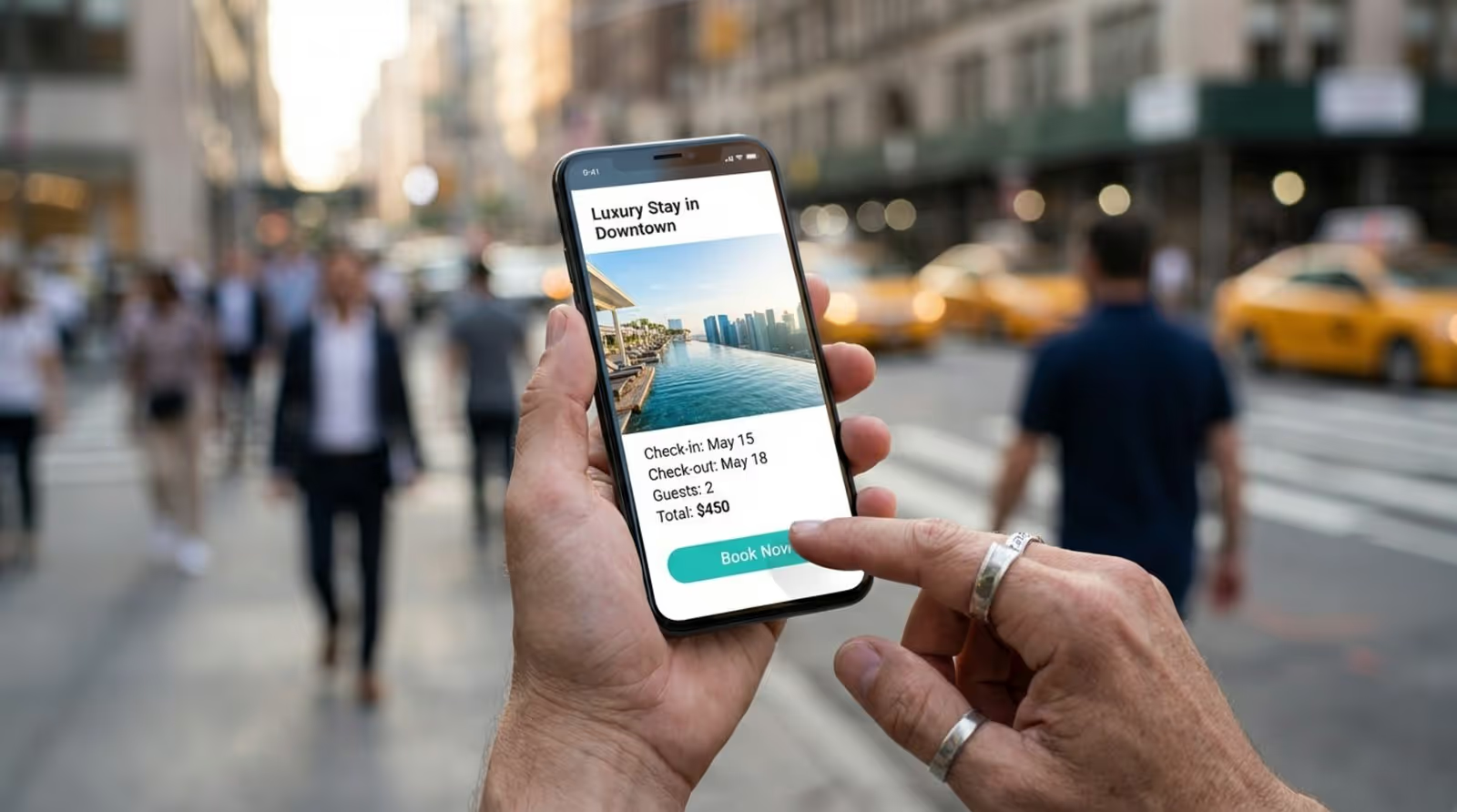
Most travel research and bookings now happen on mobile devices. A slow or confusing mobile site is a revenue leak. optimization means large, tappable buttons, fast-loading images, and a streamlined booking engine. Guests should be able to secure a reservation in under a minute.
User experience (UX) should mirror the quality of your property. Clear navigation, high-quality media, and prominent "Book Now" buttons reduce friction. Integrating social proof, such as reviews or guest photos, builds confidence at the critical moment of decision.
Improving local and destination SEO
To capture traffic from searches like "hotel near [Landmark]," you need strong local SEO. Maintain an updated Google Business Profile with accurate hours and recent photos. Create content that highlights your proximity to key attractions to assist travelers in the planning phase.
Position your brand as a local authority. Blog posts about hidden gems or local events can attract organic traffic from travelers who may not yet know your property. helpful content leads visitors to explore your booking options.
Creating customized packages
Curated packages offer more value than generic discounts. Instead of a flat rate cut, offer an experience-based bundle, such as a "Romantic Escape" or "Business Productivity Pack." These offers protect your price integrity while increasing perceived value.
Packages also provide opportunities for local partnerships. Bundling stay with theater tickets or a dining voucher simplifies planning for the guest and enhances their overall experience.
Leveraging social media and video
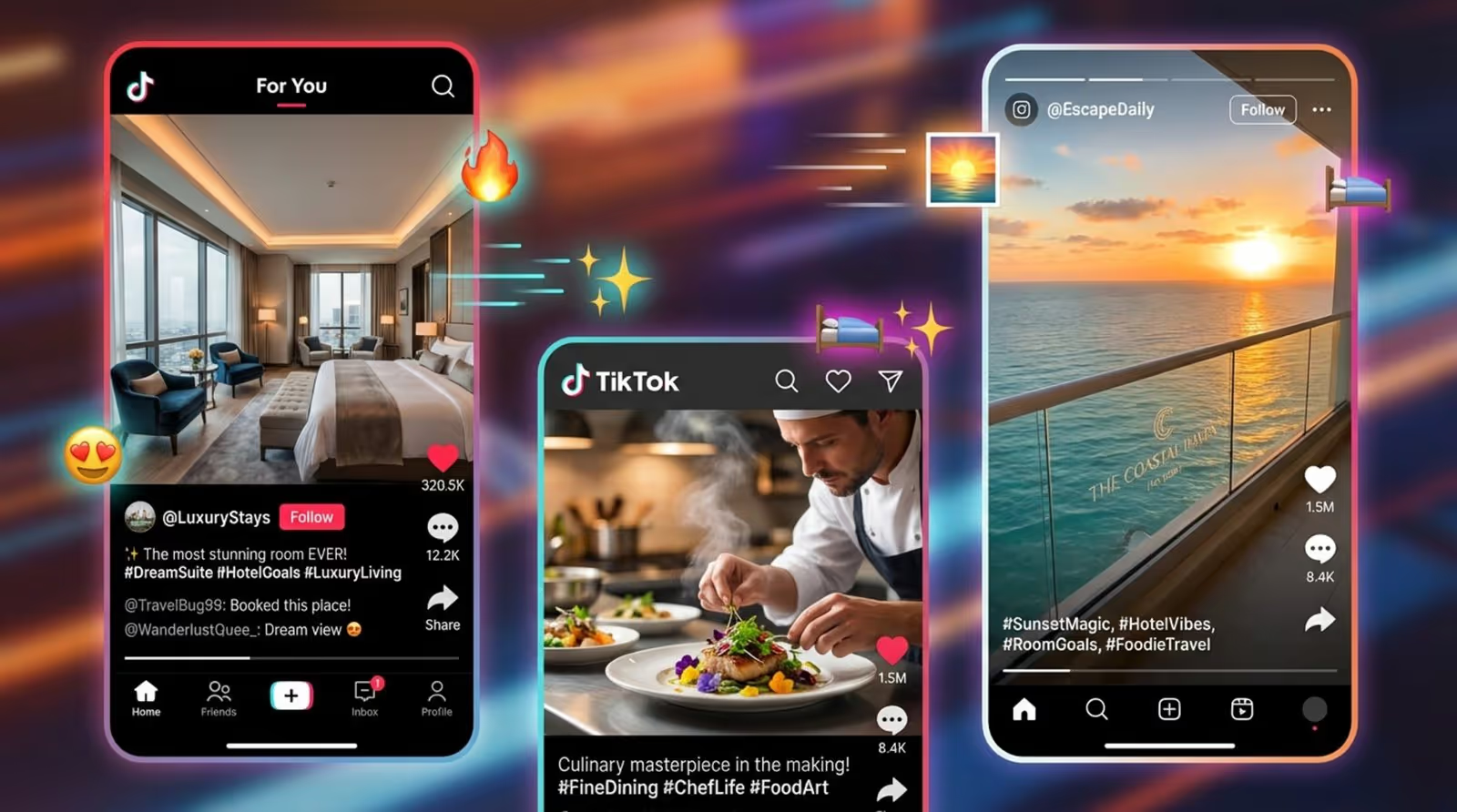
Social platforms are modern travel brochures. Short-form video on Instagram or TikTok is particularly effective for showcasing your property's vibe. Authentic, "behind-the-scenes" content often outperforms highly polished ads.
Engagement is crucial. Respond to comments and share user-generated content to humanize your brand. Social listening allows you to monitor feedback and identify trends early.
Influencer and collaborative marketing
Focus on micro-influencers with highly engaged, relevant audiences rather than celebrities with massive but broad followings. A partnership with a travel blogger who aligns with your niche-such as eco-travel or family vacations-can drive targeted traffic.
Collaborate with complementary brands for mutual benefit. A joint event or giveaway with a local artisan or premium brand can expand your reach and add credibility.
Personalizing communications
Generic mass emails are less effective in the age of AI. Use data to personalize the guest experience. If a guest frequently orders a specific drink, having it ready in their room creates a lasting impression. tailoring post-stay offers based on behavior-like spa deals for wellness enthusiasts-increases conversion rates.
Segment your email lists to ensure relevance. Families should not receive business-focused promotions, and vice versa. Relevant offers demonstrate that you understand and value your guests.
Email marketing for retention
Email remains a high-ROI channel. Automated "drip campaigns" can nurture leads from inquiry to booking. Abandoned booking emails with a small incentive can recover lost revenue.
Keep your brand top-of-mind with valuable content between stays. Newsletters featuring local updates or recipes maintain a connection without being intrusive, ensuring you are the first choice for their next trip.
Paid advertising and metasearch
Paid ads on Google and social media amplify your reach. Target users based on location and travel intent. Presence on metasearch engines like Google Hotels and TripAdvisor is essential for visibility during price comparisons.
Continuously test headlines and visuals to optimize performance. Retargeting campaigns are highly effective for re-engaging visitors who viewed your site but did not book.
Virtual tours and immersive tech
Virtual tours build trust by allowing guests to explore your facilities remotely. This is especially valuable for event planners or guests booking high-value stays. Transparency reduces hesitation.
Immersive social content, such as interactive maps or AR filters, increases engagement and signals that your brand is modern and forward-thinking.
How data and technology improve hospitality marketing
Data eliminates guesswork. Tools like Property Management Systems (PMS) and CRMs provide actionable insights. Technology should not replace the human touch; it should handle routine tasks so your staff can focus on the guest.
AI and automation
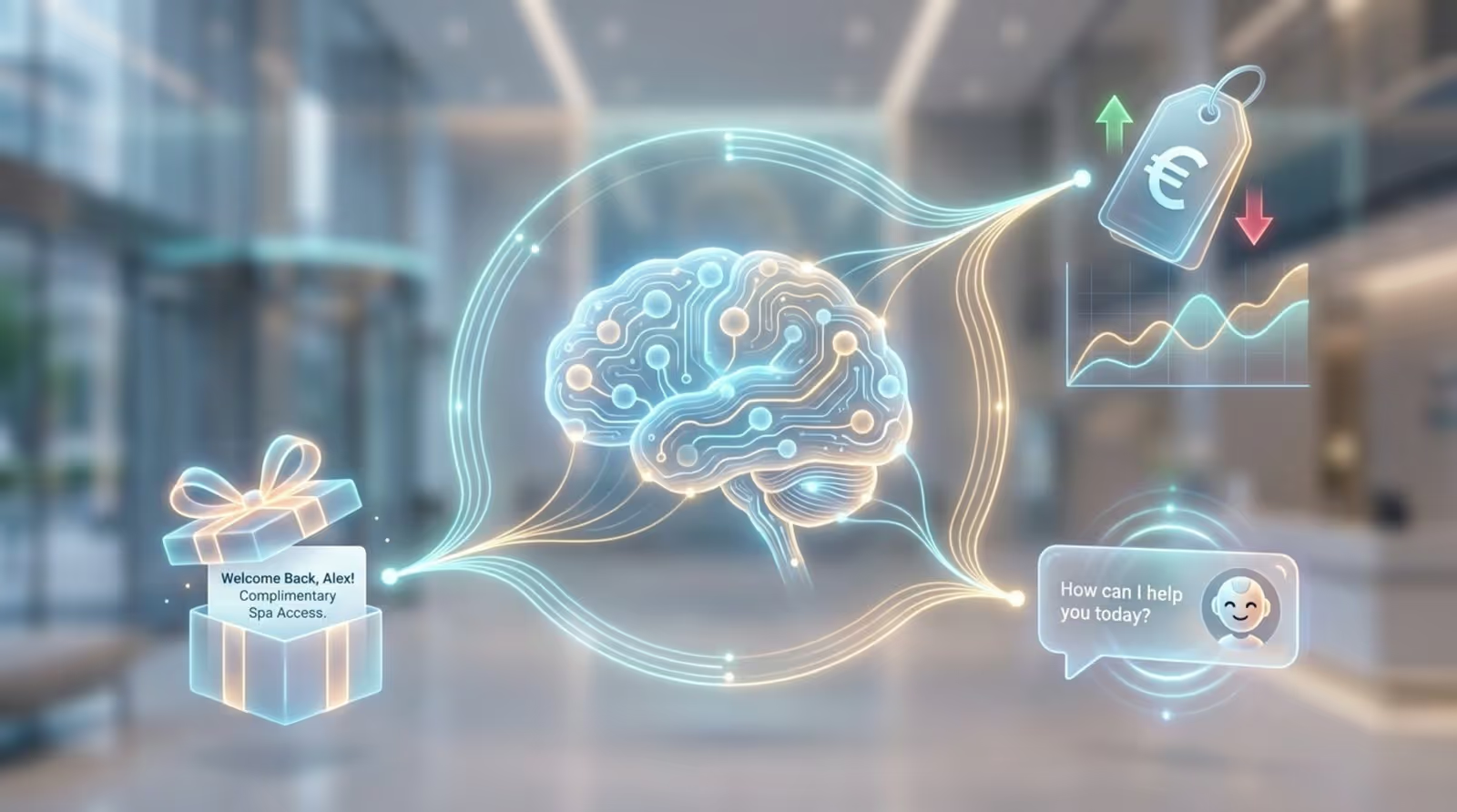
AI enables precise targeting and dynamic pricing, adjusting rates automatically based on demand. Chatbots can handle routine inquiries 24/7, speeding up the booking process.
Automation ensures consistent follow-up. Pre-arrival emails and post-stay surveys can be automated, ensuring every guest receives attention without overwhelming your team.
Guest insights and analytics
Analytics reveal where your guests come from and how they behave online. If traffic from a specific region spikes, you can adjust your ad spend accordingly. Behavioral data helps you optimize your website; if users drop off at a specific page, it may need clearer information or better pricing.
For on-premise marketing, measuring engagement is just as important. If you use screens to promote amenities, features like playback analytics in Look CMS can verify that your promotional content actually played as scheduled. This data-informed approach ensures your internal marketing is as rigorous as your digital campaigns.
Improving the booking engine
Your booking engine must be frictionless. Offer multiple payment options and display all fees upfront to avoid cart abandonment. A "best rate guarantee" reinforces the value of booking direct.
Analyze your conversion funnel to identify drop-off points. Small adjustments to the interface or process can significantly improve conversion rates.
Managing reputation and guest reviews
Reputation is currency. Active management involves monitoring feedback and responding professionally. In a transparent digital world, how you handle a mistake often matters more than the mistake itself.
collecting and responding to reviews
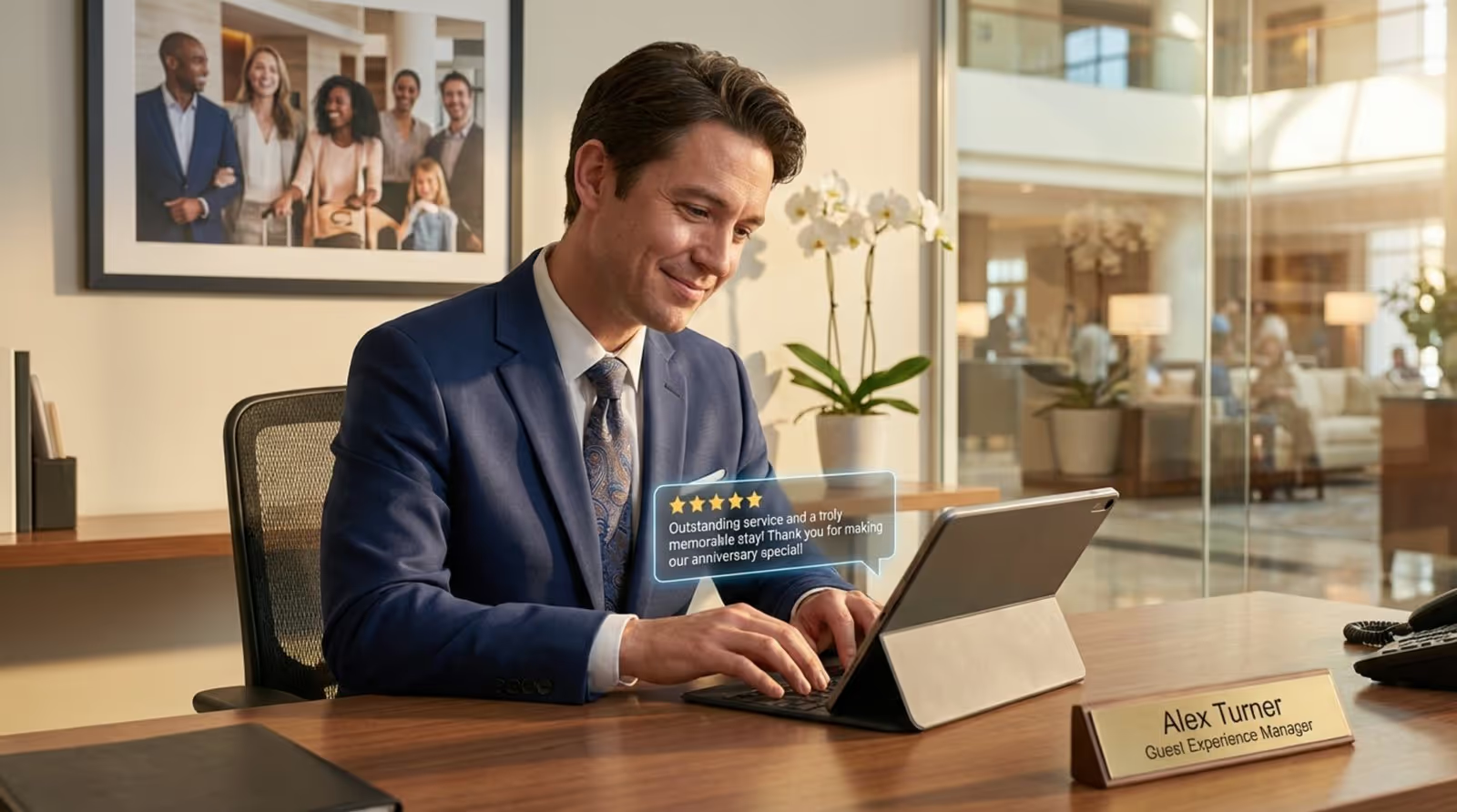
Encourage reviews by making the process simple via QR codes or follow-up emails. consolidate feedback from all platforms into one dashboard. Respond quickly and personally, addressing specific comments rather than using generic templates.
Constructive responses to negative reviews demonstrate your commitment to service. For positive reviews, a thoughtful reply reinforces the relationship.
Leveraging social proof
Amplify positive feedback by showcasing it on your website and social channels. "Guest Stories" and testimonials build trust more effectively than self-promotion. Encourage User-Generated Content (UGC) by creating photo-worthy spaces and using branded hashtags.
Encouraging direct bookings
While OTAs are useful for discovery, direct bookings maximize revenue. Your strategy should incentivize guests to book directly with you by offering superior value and experience.
Loyalty and repeat visits
Modern loyalty programs focus on immediate gratification. offering instant perks like free Wi-Fi or a welcome drink for direct bookers is effective. Use your CRM to identify and reward repeat guests with exclusive offers.
Perks and rate parity
Navigate rate parity rules by offering "fenced" rates to private groups like newsletter subscribers. Alternatively, offer value-add incentives that OTAs cannot match, such as flexible check-in or free parking, to tip the scale in favor of a direct booking.
Working with local businesses
Collaboration strengthens your position in the local ecosystem. Joint marketing with local tour operators and artisans enriches the guest experience and expands your reach.
Destination packages
Partner with local businesses to create comprehensive packages, such as a "Foodie Tour" or "Adventure Weekend." These offerings turn your property into a gateway to the destination and provide unique content for your marketing.
On-site events featuring local partners, like pop-up dinners or workshops, attract both guests and locals, generating additional revenue and buzz.
Cross-promotions
Hosting FAM trips for travel agents and influencers remains a powerful tactic. Cross-promote with partners by exchanging marketing materials or digital shout-outs, leveraging each other's audiences.
Measuring ROI and updating strategy
Marketing requires constant measurement. specific metrics provide the visibility needed to adjust tactics and allocate budget effectively. View the guest journey holistically to understand true ROI.
Key metrics
- RevPAR (Revenue Per Available Room)
- ADR (Average Daily Rate)
- Occupancy Rate
- CAC (Customer Acquisition Cost)
- LTV (Lifetime Value)
Monitor website metrics like Conversion Rate and Direct Booking Ratio. Track "Assisted Conversions" to understand the role of upper-funnel channels like social media.
Continuous improvement
Avoid "set and forget" strategies. Regularly test new creative and messaging. Rely on data rather than intuition to make decisions. Diversify your channels to reduce risk and adapt to platform changes.
Essential takeaways
The most successful hospitality brands combine efficient technology with genuine human connection. While tools like AI and digital signage streamline operations, the personal touch builds loyalty. Marketing is not just about filling rooms; it is about starting a relationship.
Sustainability and social responsibility are increasingly important to travelers. Highlight your values and community involvement to attract guests who align with your mission. Finally, ensure your operations deliver on your marketing promises. When the experience matches the expectation, you create a cycle of loyalty and growth.