Table of Content
Digital signage has changed public transportation, turning old static, often confusing notices into a lively, real-time information system. It’s more than a nice-looking screen; it’s a smart tool that improves the travel experience, boosts day-to-day operations, and brings in extra income. From busy subway stations to quiet airport terminals, digital displays help make trips smoother, safer, and more engaging for millions of people every day. The wide use of these screens shows how effective they are at sharing key information quickly and clearly, making public transport run more smoothly than ever.
In today’s fast-paced world, travelers depend on accurate, up-to-date information. Digital signage meets this need by giving instant access to schedules, possible delays, and important alerts. This is not just about comfort; it cuts stress and helps create a smooth trip from start to finish. The ability to send and update messages across a whole network at once makes digital signage a must-have for any modern transportation hub.

Key Uses of Digital Signage in Transportation Hubs
Transit Schedules and Arrival/Departure Information
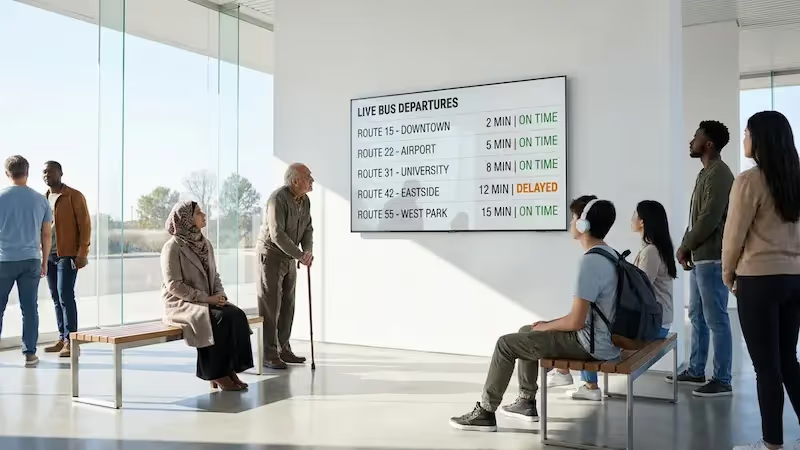
One of the most common and useful ways to use digital signage in public transport is to show live transit schedules and arrival/departure times. Without them, stations would be chaos. These screens act like the control panels of any station or terminal, giving passengers quick updates on when their bus, train, or flight is due. They show scheduled times, delays, cancellations, and changes to platforms or gates, and they can do this in seconds.
Besides the main boards, smaller screens placed in smart locations can show extra details, like the exact arrival time of the next vehicle or the correct boarding area. This helps people move through stations more easily, lowers stress, and makes waiting feel shorter. Digital screens can display far more information than old printed boards, making them a strong tool for real-time mass communication.
Wayfinding for Complex Stations and Hubs
Finding your way through large stations and hubs can feel overwhelming, especially if you’re new to the place. Digital signage works like a quiet guide, giving clear and simple directions. From general maps at key points to interactive kiosks, these displays help travelers reach gates, platforms, ticket counters, restrooms, and even nearby attractions without confusion.
Interactive screens go one step further. They let users zoom in on maps, search for exact locations, or get step-by-step directions. Large video walls can highlight important wayfinding details, such as how to get to security checks or passport control, helping people move more smoothly through crowded areas. This improves the passenger experience and cuts down on how often staff need to stop and answer “Where do I go?”

Safety Messages and Emergency Notifications
Safety always comes first in public transport. Digital signage gives a fast and effective way to share safety messages and emergency alerts. During events that demand quick action-like fires, earthquakes, or other emergencies-a wide network of screens can instantly change into alert boards showing key instructions and warnings.
Because this technology is flexible, content can switch in seconds so the right message reaches everyone with strong visual impact. This matters a lot in high-security places like airports, where clear messages about security rules can shape queues, explain what to do, and prevent delays. Travelers know what is expected of them, which keeps the process moving and safer for all.
Advertising and Revenue Generation
Digital signage is also a strong way to earn money through advertising in public transport networks. People waiting in lounges, on platforms, and even inside vehicles form a steady audience that advertisers value. Moving, colorful screens attract more attention than printed posters, giving brands a powerful way to show their products and services.
Transport hubs can sell ad space on these screens to local shops, big brands, and even promote their own services like parking, car rentals, or travel insurance. This kind of “digital out-of-home” advertising lets businesses reach a broad and varied crowd, bringing in passive income for transport operators. Creative options are wide: video ads, interactives, and even AR/VR content can turn boring waiting times into moments of interest and engagement.
Best Examples of Digital Signage Use in Public Transportation Worldwide
Washington Metro Rail System: Real-Time Alerts and Wayfinding
The Washington Metro Rail System is a strong example of how to use digital signage well. Screens keep riders up to date on current and upcoming changes to service. Sharing this information early helps passengers plan better routes, avoid problems, and stay less frustrated during disruptions.
These displays are used not only for service alerts but also for clear wayfinding. In a large and complex network like the Metro, good directions are key. Screens show which way to go for the right platforms and exits, helping both daily commuters and visitors move through stations with less stress.
ProRail Netherlands: GPS-Enabled Digital Signage
ProRail in the Netherlands uses GPS together with digital signage in a smart way. This system shows live information about how many seats are free in each train car and where to board. Travelers can see where to stand on the platform to reach a less crowded carriage, saving time and improving comfort.
Sensors inside the trains measure how full each car is, so the data is accurate and useful. This helps passengers choose where to board. The GPS-driven screens can also support ads based on the train’s exact location, serving local offers and messages that match where the train is, adding both usefulness and revenue potential.
Vancouver TransLink Network: Live Updates and Passenger Information
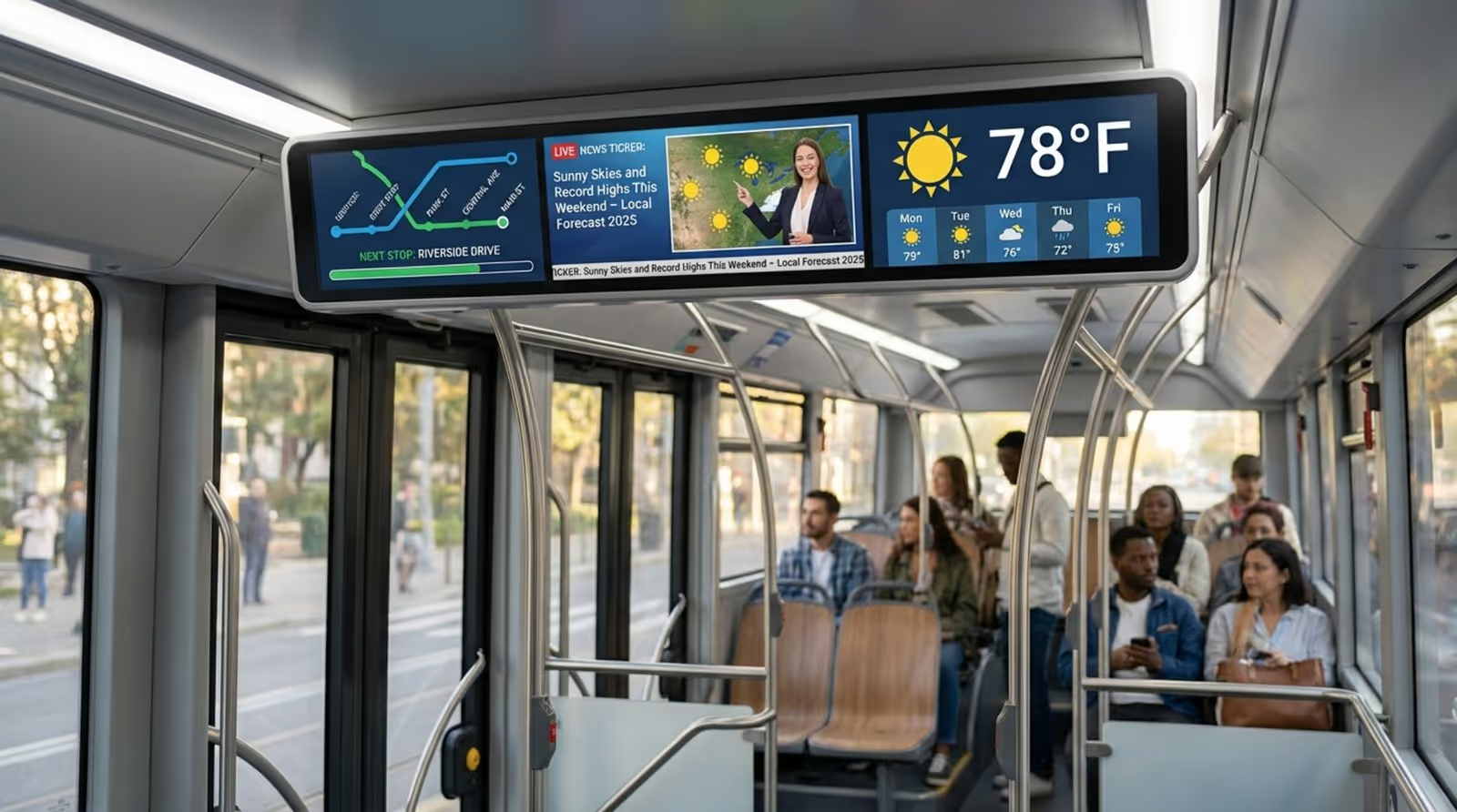
Vancouver’s TransLink Network shows how digital signage can do more than show timetables. Their screens mix travel updates with news, weather, and even light entertainment for people waiting for their ride. This approach turns waiting into a more pleasant experience instead of dead time.
Quality video content gives people something to watch whether they are on a train or standing on a platform. By sharing different kinds of information that people care about, TransLink keeps riders informed and makes the travel setting more enjoyable, highlighting how digital signage can both inform and entertain.
JCDecaux Displays at Waterloo Station, UK: Advertising and Entertainment
Waterloo Station in the UK, one of the country’s busiest hubs, has large JCDecaux digital displays that show how powerful digital signage can be for ads and entertainment. These big, eye-catching screens are placed in high-traffic areas and promote many brands and media campaigns, catching the eyes of thousands of travelers each day.
These displays show how effective digital out-of-home advertising can be, giving advertisers a lively way to reach huge crowds. Beyond ads, the screens often play visually impressive content that adds color and energy to the station, turning it into a more lively, interesting place that both informs and entertains.
Philadelphia Suburban Station: Digital Wayfinding Solutions
Philadelphia’s Suburban Station uses digital signage as a key part of its wayfinding system. At important junctions inside the station, personalized wayfinding screens help riders move through the complex layout more easily. Clear, simple directions on these displays cut confusion and smooth passenger movement.
Interactive kiosks add even more value. They do more than show maps: they offer free Wi-Fi, phone charging points, and a range of information services. Because of this, the kiosks become useful stations for travelers, improving their whole journey and showing how digital signage can offer extra services beyond basic travel data.
Airport Terminals: Baggage Carousel and Security Updates
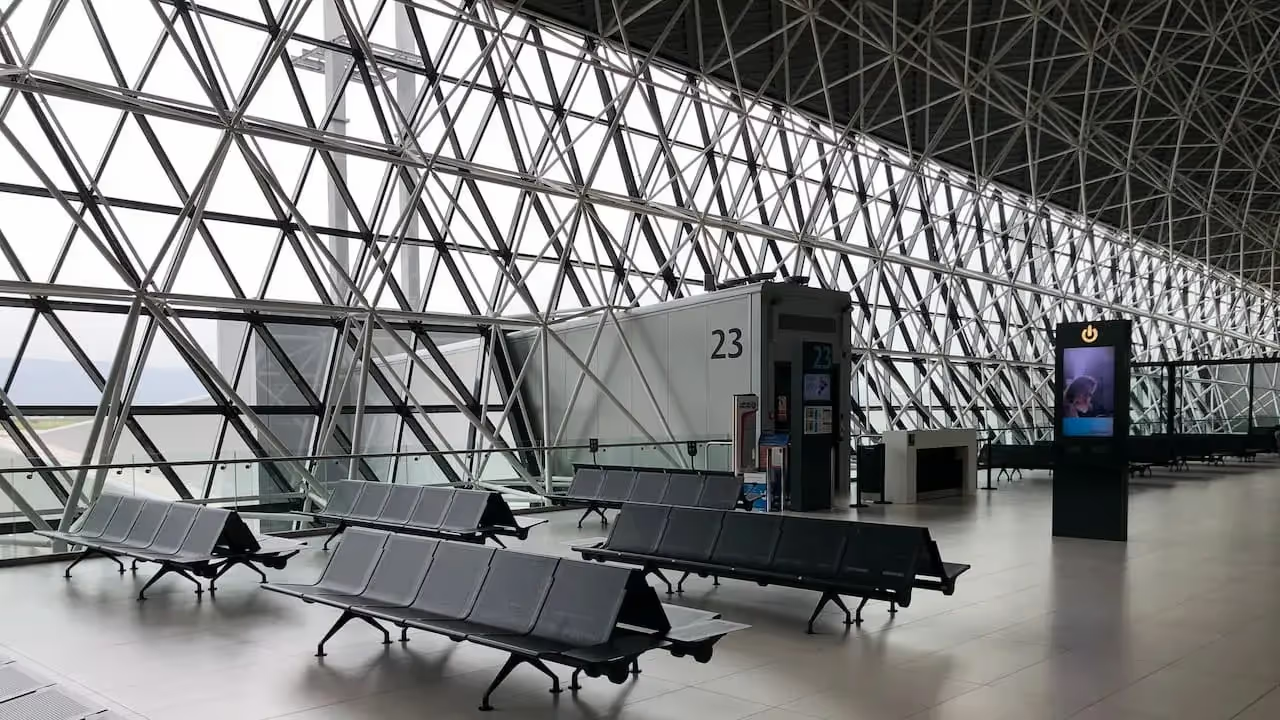
Airport terminals, with steady flows of international and domestic passengers, are perfect places for advanced digital signage. At baggage carousels, screens are key for showing which belt serves which flight and giving real-time updates on baggage delivery. People waiting here are sure to see the screens, so they work well for both flight details and advertising.
Digital signage also plays a big part in managing security checks. Screens placed before and inside security areas explain what to do, what items to remove, and may show estimated wait times. This early information shapes more orderly lines, better-informed travelers, and smoother screening, which improves both safety and the overall flying experience.
The growth of digital signage in public transport is still picking up speed. Looking ahead, these screens will likely become even more connected and smarter, making travel easier at every step. Imagine every bus stop, train platform, and airport gate having smart displays that share information and also predict what you might need-offering personal travel tips, weather and climate info for your destination, or links to local services through augmented reality. They can also support better access for everyone, with content and layout that adjust to different needs, so messages stay clear for all kinds of users. As this technology keeps developing, it will change how we interact with transport systems, making each journey more connected, efficient, and enjoyable. In this future, digital signage doesn’t just show information; it helps shape and improve everyday public travel.