Table of Content
Digital signage for gas stations is no longer a distant idea; it is a proven marketing tool that helps these growing convenience hubs communicate clearly with customers, improve their experience, and open new revenue streams. In a market where competition is tough and customer expectations keep rising, digital screens offer a flexible way to stand out. By turning the fueling process into an engaging, informative, and profitable moment, digital signage presents gas stations as modern, reliable, customer-focused locations, building loyalty and boosting revenue.
What is digital signage for gas stations?
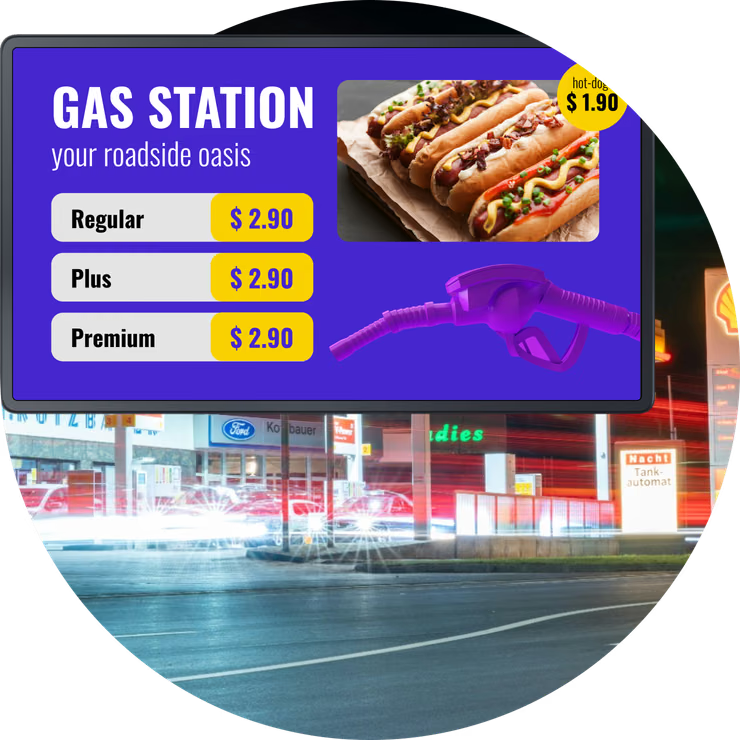
Digital signage for gas stations replaces old static signs with bright digital screens and, in some cases, interactive features. Instead of changing gas prices by hand, staff can update them in real time with a few clicks. Instead of customers staring at a wall while they fuel, they can watch useful or entertaining content. This is the core idea of digital signage at gas stations: a modern display system that draws attention and delivers messages in a clear and impactful way.
These systems can be installed both outside and inside. You might see large LED billboards bringing in drivers from the road, smaller screens built into fuel pumps, or displays placed in key spots inside the convenience store. They show messages in a visually appealing way, turning short customer visits into real engagement opportunities. The goal is to use technology to create a more connected, responsive experience for everyone who stops at your station.
How does digital signage differ from traditional signage at gas stations?
The difference between digital signage and traditional signage at gas stations is like the difference between a printed billboard and a live TV channel. Traditional signs-printed posters or boards updated by hand-have clear limits. They take time and effort to change, suffer from weather damage, and show only one message until someone replaces them. This makes them slow to react to price changes, new offers, or urgent updates, which can lead to errors and missed chances.

Digital signage is flexible and fast. It allows real-time changes to fuel prices, promotions, and key messages from one central system, cutting down on human error and manual work. While a printed sign might show a single long-term offer, a digital screen can cycle through several promotions, time-limited deals, a weather or traffic update, and even entertainment. This flexibility means gas stations can adjust messages instantly for different audiences, times of day, or conditions, making communication far more relevant and effective. Digital screens are also built to last, often weatherproof and very bright, so they stay visible and reliable in ways traditional signs cannot match.
What are the main components of a digital signage system?
A strong digital signage system is made up of several connected parts that work together to show dynamic content.
- Display hardware: These are the screens themselves. Outdoor displays might be high-brightness, weatherproof LED signs for fuel prices and billboards. Indoors, gas stations often use LCD screens for promotions or interactive touchscreens at pumps or in-store.
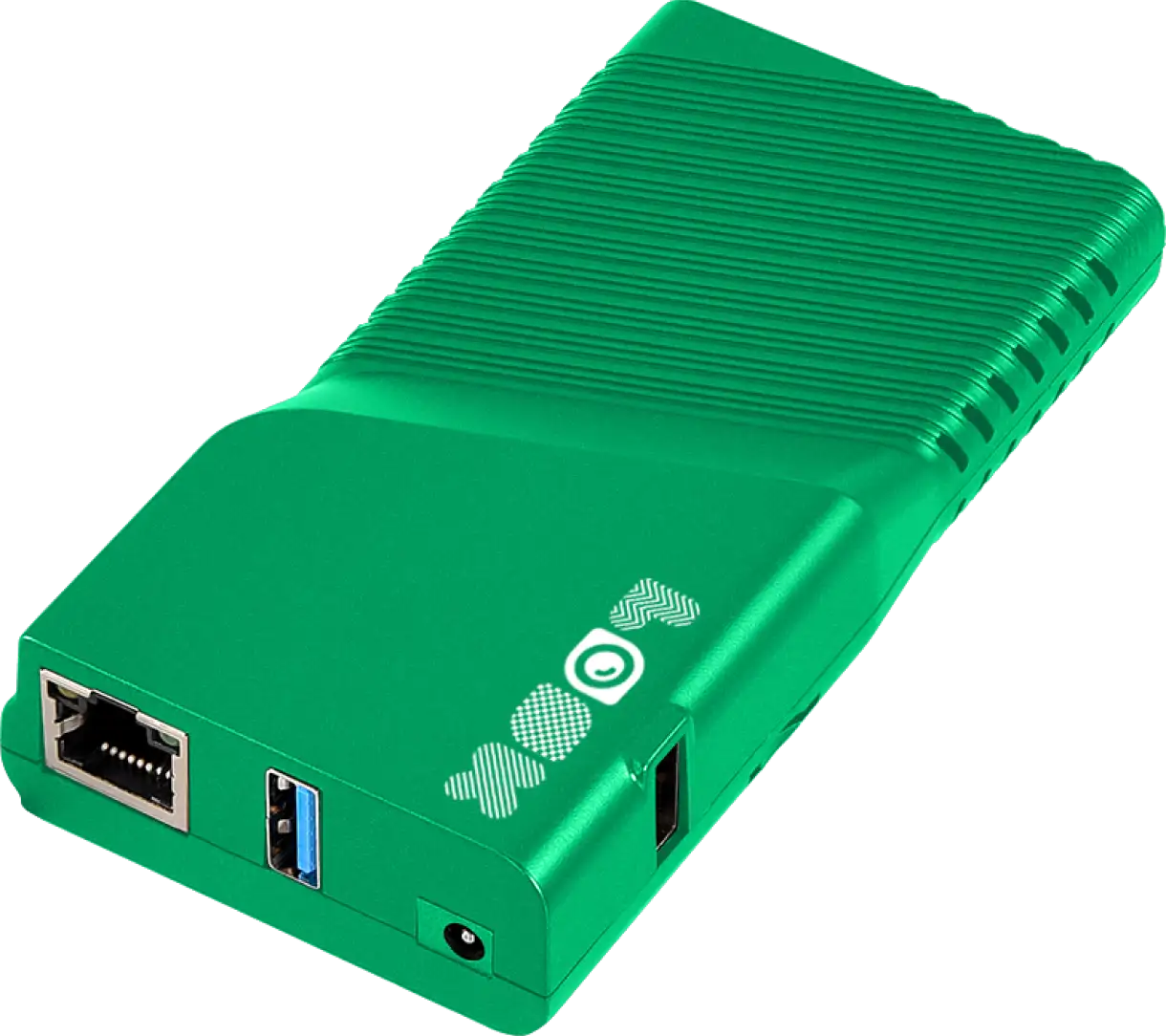
- Media player: This small device (or built-in computer) connects to the screen and plays the content. It receives files and commands from the central software.
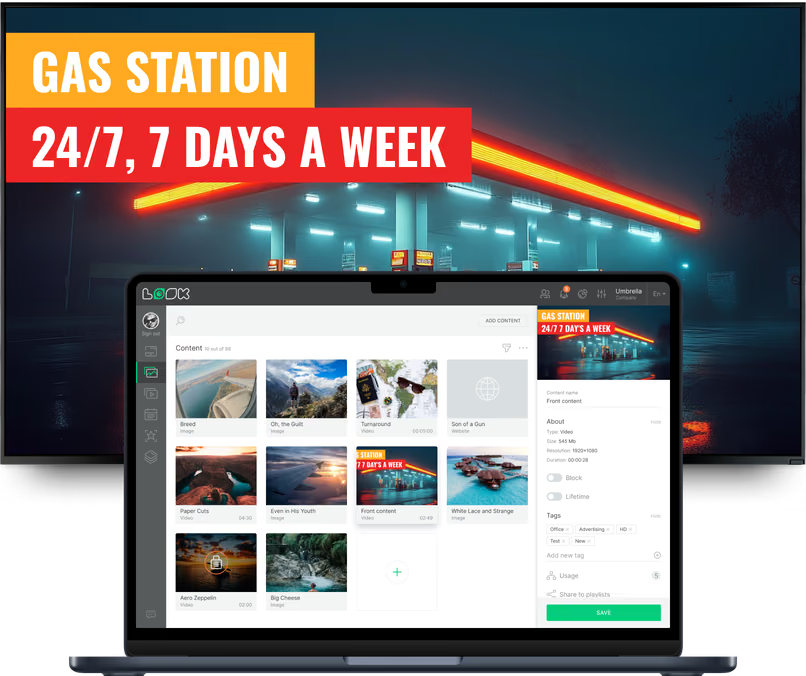
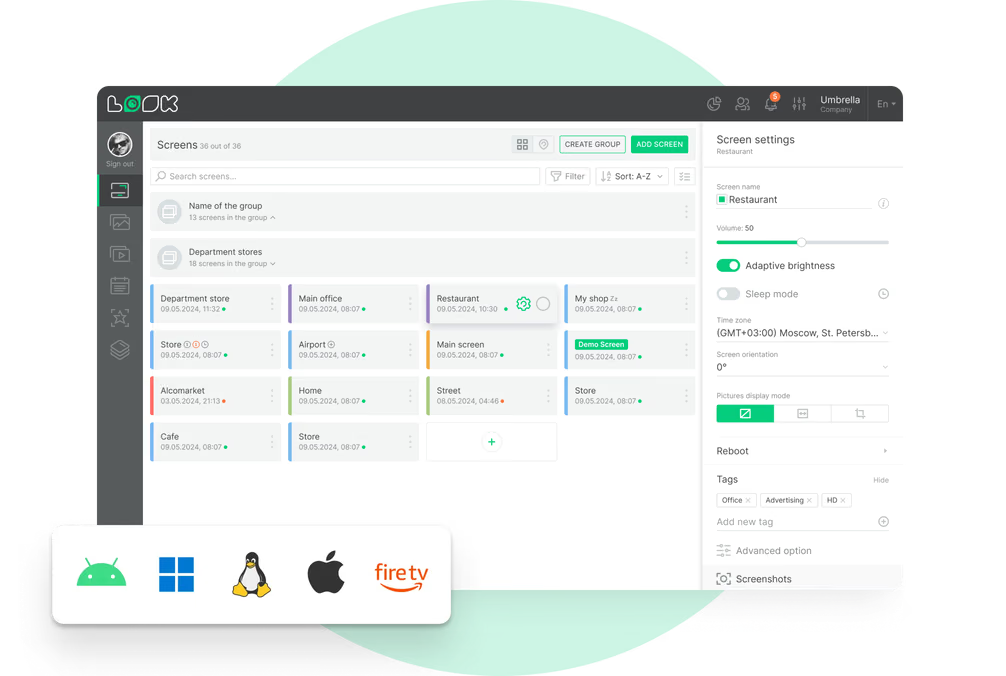
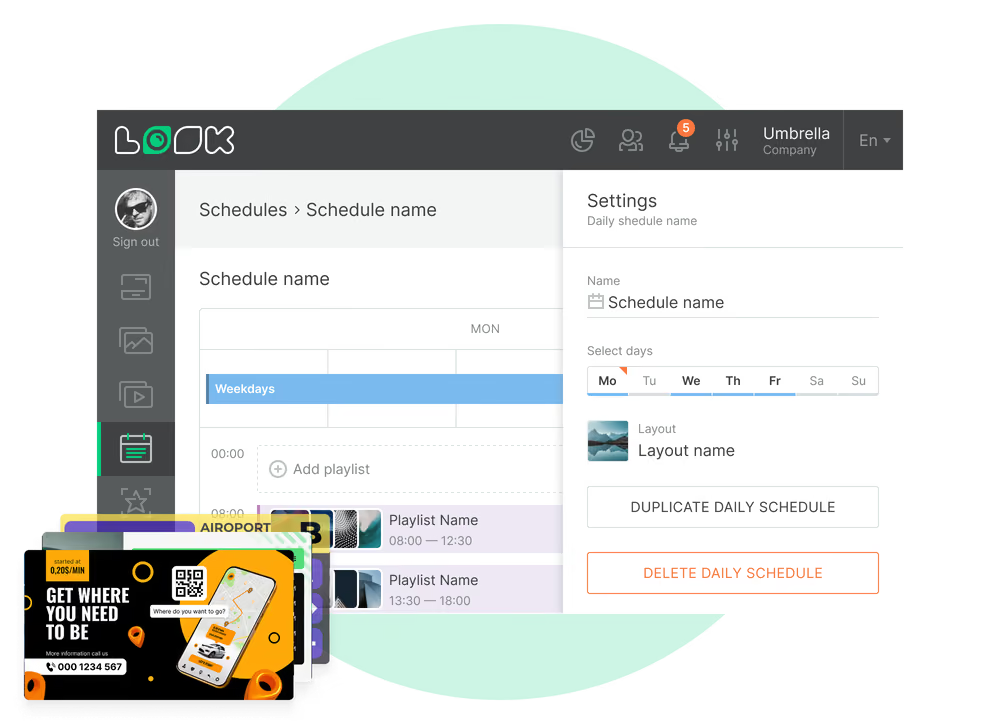
- Digital signage software: Often cloud-based, this is the control center. It allows remote content management, scheduling, layout design, playlist creation, and monitoring of many screens from one place, through an easy-to-use interface.
- Network connection: A stable Wi-Fi or wired (LAN) connection is needed so screens can receive updates, sync with each other, and be managed remotely in real time.
Types of digital signage solutions used at gas stations
Modern gas stations use many kinds of digital signage, each placed carefully to get the biggest impact and engagement. Together, these displays form a station-wide communication network that supports different customer touchpoints and business goals-from drawing in drivers at the roadside to boosting impulse buys inside the store.

Digital fuel price displays
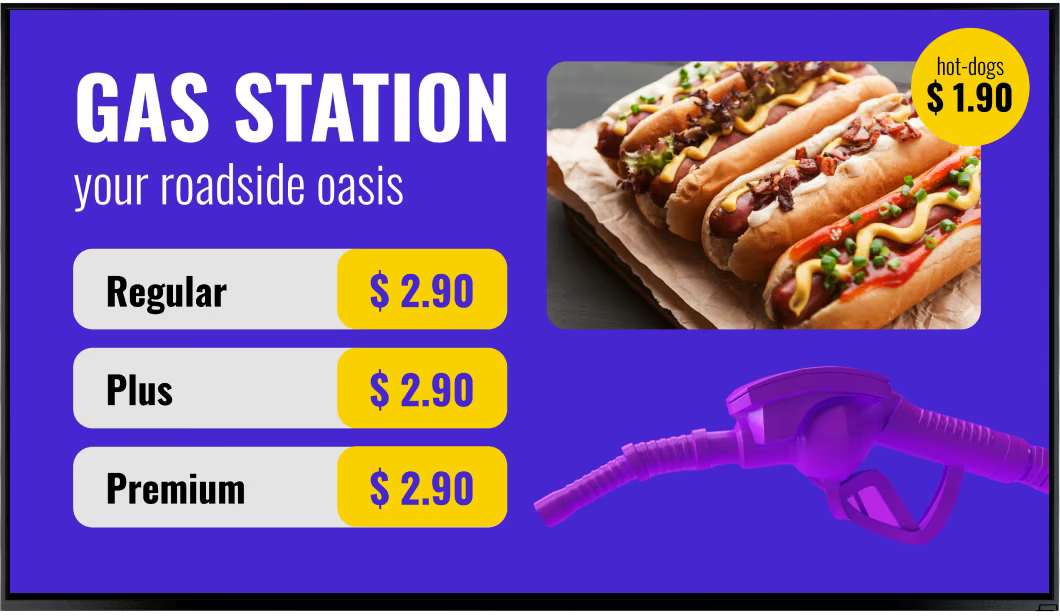
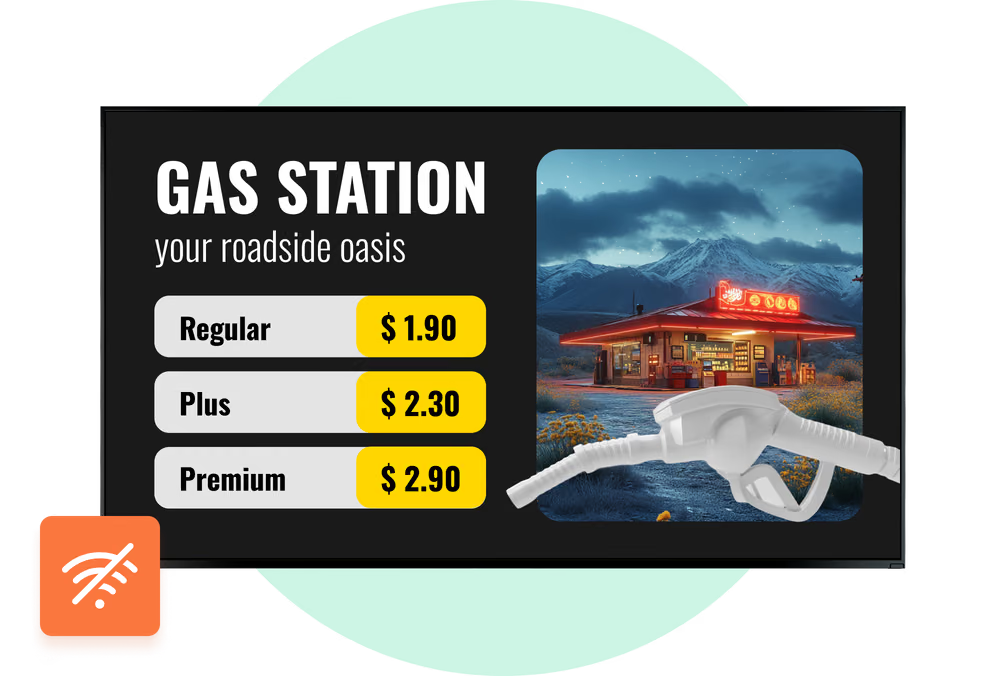
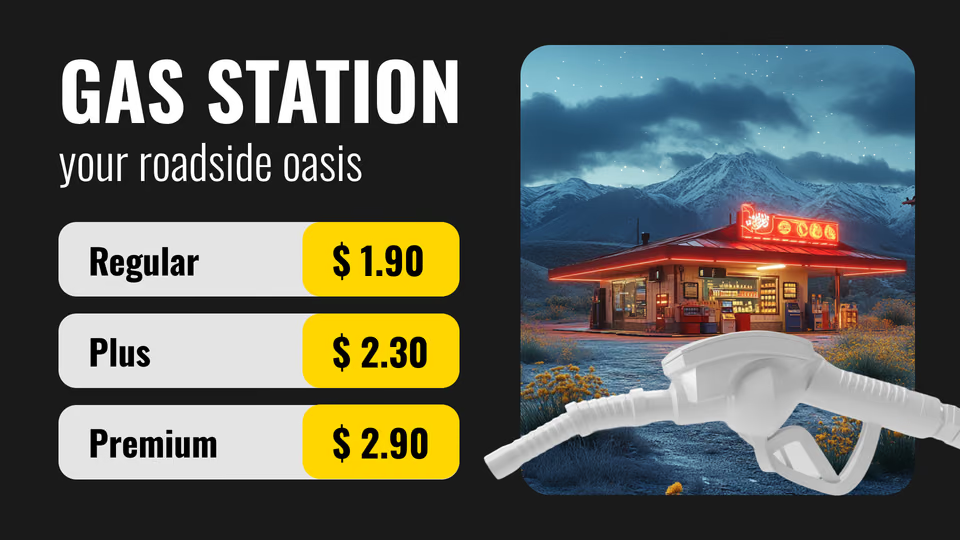
The most familiar digital signage at gas stations is the digital fuel price display. These bright LED pylon signs, usually at the site entrance, act as a beacon for passing drivers. Their main job is to show fuel prices clearly and instantly, which is a key factor in where many customers choose to stop. Staff can quickly change prices using easy digital signage software, staying accurate and responsive as market prices shift. This speed gives stations a strong advantage, allowing instant pricing updates without climbing a ladder or swapping numbers by hand. The strong brightness of LED displays, especially at night or in bad weather, makes prices easy to read from far away, helping draw in more customers.
At-pump video screens and interactive displays
The minutes customers spend refueling are a great time to communicate with them, and at-pump screens and interactive displays make use of this captive audience. Mounted on fuel dispensers, these screens show moving ads, promo videos, and live content. They can push in-store deals, highlight loyalty perks, or share safety tips, turning idle time into a sales opportunity. Interactive versions can go further, letting customers sign up for loyalty programs, check product stock, or even pre-order food before they step inside. Research from the National Association of Convenience Stores (NACS) shows that many fuel customers never go into the store unless something at the pump prompts them-proof of how strong these displays can be at driving foot traffic and extra revenue.
In-store promotional screens
Inside the store, customers often see several in-store promotional screens. These indoor displays are usually placed near checkout, in busy aisles, or by key product areas to push higher-margin items, promote services, and offer light entertainment. They can show daily specials, combo meals, new products, seasonal offers, and more, supported by eye-catching images and motion graphics. They can also show useful info such as weather, traffic updates, or social media feeds, making the visit more pleasant while gently steering shoppers toward more purchases. Remote management means content can shift during the day-for example, breakfast deals in the morning and snack or dinner offers later on.
Outdoor LED billboards
Larger gas stations or highway service centers often use outdoor LED billboards as big visual anchors. These large, bright signs catch the eye of drivers from long distances, greatly increasing station visibility and attracting drivers who might otherwise pass by. They can promote big-brand campaigns, highlight major promotions, or share urgent notices like fuel shortages or temporary closures. Their strong visibility, day and night, helps build a noticeable brand presence in busy locations. These billboards are built to resist weather and vandalism, giving consistent performance even in tough conditions.
Read also on the Look Blog: Best Waterproof Monitors for Digital Signage
Menu boards for food and beverage stations
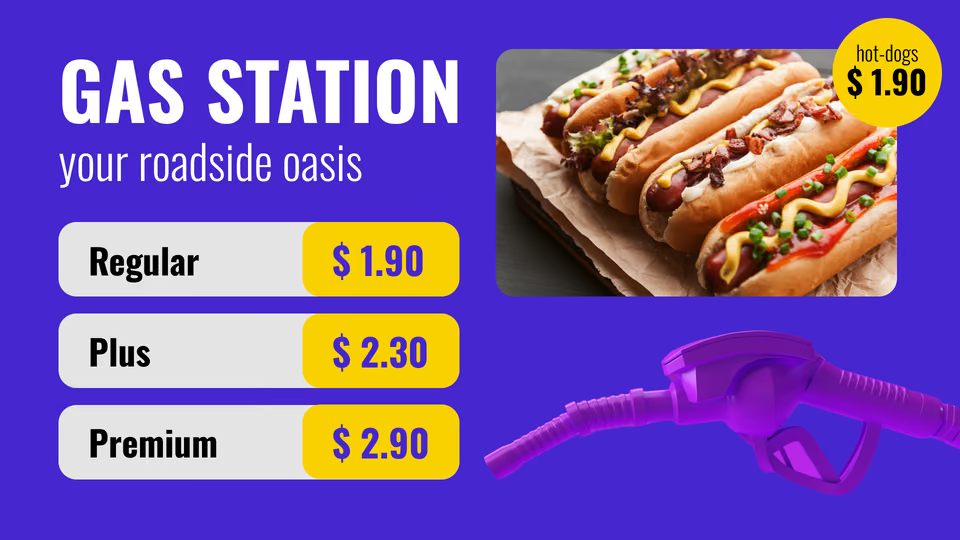
Many gas stations now offer full food and drink services, including quick-service restaurants, coffee counters, and delis. Digital menu boards are key tools in these areas. They show menus, prices, bundles, and limited-time offers in real time with sharp text and vivid images. Instant updates keep menus accurate and interesting, which helps drive impulse buys and improves order accuracy. Busy customers can scan the menu quickly without wandering through the store. With touchscreens, they can even place orders themselves, cutting waiting times and improving service flow. Menu boards can also show details like calories, sugar levels, and allergy information to support health-conscious guests.

Key benefits of digital signage for gas stations
Digital signage at gas stations is more than a passing trend. It brings a wide range of real benefits that affect sales, customer satisfaction, and daily operations. Together, these advantages help stations compete and grow in a tough market.
Increases in-store and fuel sales
Digital signage is well known for raising both in-store and fuel sales. By showing dynamic offers, clear calls to action, and loyalty program messages, stations can trigger impulse buys and higher basket sizes. At-pump screens might promote car washes, washer fluid, or snacks, while in-store displays can highlight coffee and breakfast combos, family meal deals, and limited-time discounts. Digital menu boards with appealing food images make choices easier, helping customers decide faster and buy more. Case studies show strong outcomes: some large fuel brands have seen fuel sales jump by around 12%, and independent stations have reported up to 20% more food sales after adding digital signage. Short-term, time-limited deals on screens also create a sense of urgency, which encourages shoppers to act now.

Improves customer engagement with dynamic content
Digital signage can turn a boring fuel stop into a more engaging visit. Unlike static signs, digital screens can show changing content: live fuel prices, weather, traffic updates, news clips, and promo videos. This mix keeps customers informed and occupied while they refuel or shop. When people get useful, timely information, they feel more connected to the station and are more likely to return. Interactive screens at the pump or inside deepen this connection by letting customers explore loyalty options, check stock, or pre-order items. This richer experience creates stronger loyalty and more repeat visits.
Enables real-time updates and remote management
Speed and flexibility are major advantages of digital signage for gas stations. A central platform can control many screens at one or many locations. Staff can update fuel prices within seconds, cutting mistakes and delays. Promotions, service messages, and urgent alerts can go live right away, reacting to market changes, weather, or emergencies. Central control reduces the time and cost involved in printing, shipping, and installing paper or vinyl signs, freeing staff to focus more on customers.
Reduces operational costs and pricing errors
Moving from traditional signs to digital signage can save money and reduce waste. Printing and physically swapping signs costs time and materials; digital screens cut much of that out. With digital fuel price signs, staff no longer need to change numbers outside multiple times a day. Prices can be changed from a central dashboard, greatly reducing pricing errors that can cause losses or confusion. Digital displays are built for long life and need less maintenance than traditional signs that can fade, tear, or break in harsh weather. Modern LEDs also use less energy, which helps lower electricity bills.
Enhances brand visibility and consistency
Digital signage helps build a strong, consistent brand image. Eye-catching displays make a gas station stand out from nearby competitors. Large LED pole signs and outdoor billboards draw attention and can make a brand memorable to drivers. Digital signage also supports consistent use of logos, colors, fonts, and visuals on every screen, from price boards to menu boards. This consistent look builds recognition and supports a modern image, which can build trust and long-term loyalty.
Supports compliance with regulatory standards
Digital signage is also very useful for safety and compliance messages. Gas stations can instantly show important regulatory notices, safety instructions, and emergency information on multiple screens at once. This keeps both staff and customers aware of rules and alerts. In situations like storms, road closures, or other emergencies, screens can quickly switch to warning messages and show what people should do. Logged play data and timestamps also make it easier to prove that certain messages were shown, helping with audits and reducing compliance risks.
How digital signage creates new revenue opportunities
Digital signage is not only about lowering costs or improving existing tasks. It can also serve as a new source of income, turning screens into money-making ad space and sales tools that go beyond basic promotions.
Monetizing screen space through third-party advertising
One clear way digital signage brings in new revenue is by selling ad space to other businesses. Gas stations see a lot of daily traffic, making their screens attractive to both local and national advertisers. Station owners can sell slots on in-store screens, pump-top displays, and outdoor billboards to brands promoting drinks, snacks, car care products, or nearby services like restaurants and hotels. Because of the regular flow of visitors, advertisers often see strong value in this channel. To keep viewers interested, it’s wise to mix outside ads with useful and entertaining in-house content, so screens never feel like pure ad clutter.
Promoting in-store products and upsell services
Digital signage acts like a steady, silent salesperson that is always on. At the pump, screens can promote store items, car washes, or loyalty schemes, encouraging customers to come inside or add services. Inside, displays can highlight special offers, bundles, seasonal items, and new products that people might not notice on shelves alone. For stations with extra services-like hot food counters, ice cream, or showers-digital signs can promote these options and related products (for example, special prices on towels and shampoo for shower users). When linked with inventory data, screens can automatically push items that are slow to sell or close to expiry. This helps reduce waste and lift margins.
Offering targeted local or community promotions
Digital signage also lets gas stations play a bigger role in their local area. Stations can team up with nearby businesses to show local offers, or feature community events and fundraisers, sometimes for a small fee. This builds goodwill while generating extra income. Displays can show content tied to local events, school fundraisers, sports games, or tourist spots, making the station feel like a community information point. Messages that speak directly to local conditions-such as weather, traffic, or neighborhood news-help build a stronger link with regular customers and support repeat visits.
Improving the customer experience with digital signage
Gas stations are turning into full convenience centers rather than simple fuel stops. Customer experience is central to this shift, and digital signage plays a big part in making visits more pleasant, informed, and efficient.
Displaying useful information beyond fuel prices
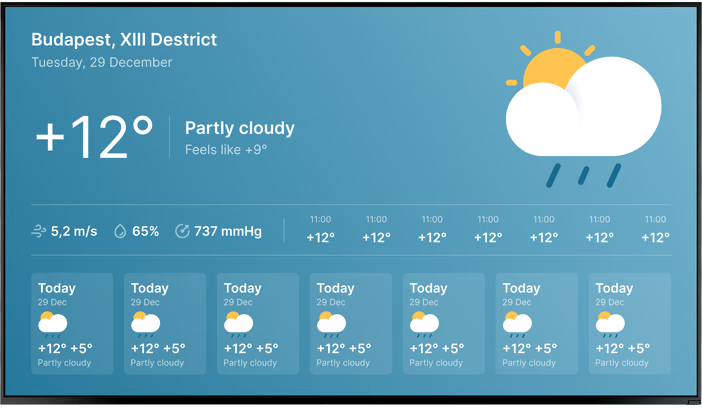
Accurate fuel prices are a key use of digital signage, but screens can do much more. Displays at the pump or in-store can show real-time weather, road and traffic updates, and any local disruptions that might affect travel. They can point drivers to nearby attractions, repair shops, or service centers, turning the station into a helpful stop on a longer journey. For people waiting in line or eating at a small seating area, screens can show news highlights, sports scores, or social media feeds. This steady stream of timely, useful information improves the visit and reinforces the idea that the station is modern and customer-focused.
Enhancing convenience with queue management and wayfinding
Digital signage can make visits smoother by cutting down confusion and waiting time. In stations with quick-service restaurants or delis, digital menu boards can show up-to-date menus and, when combined with touchscreens, allow customers to place orders before entering or while fueling. This reduces queues at the counter and helps staff work more efficiently. Interactive kiosks at the entrance can help customers sign up for loyalty programs, look up services, or find key areas such as restrooms, EV chargers, or specific product sections in a larger service center. Clear visual guidance and self-service tools take pressure off staff and make it easier for customers to get what they need quickly.
Delivering safety messages and emergency alerts
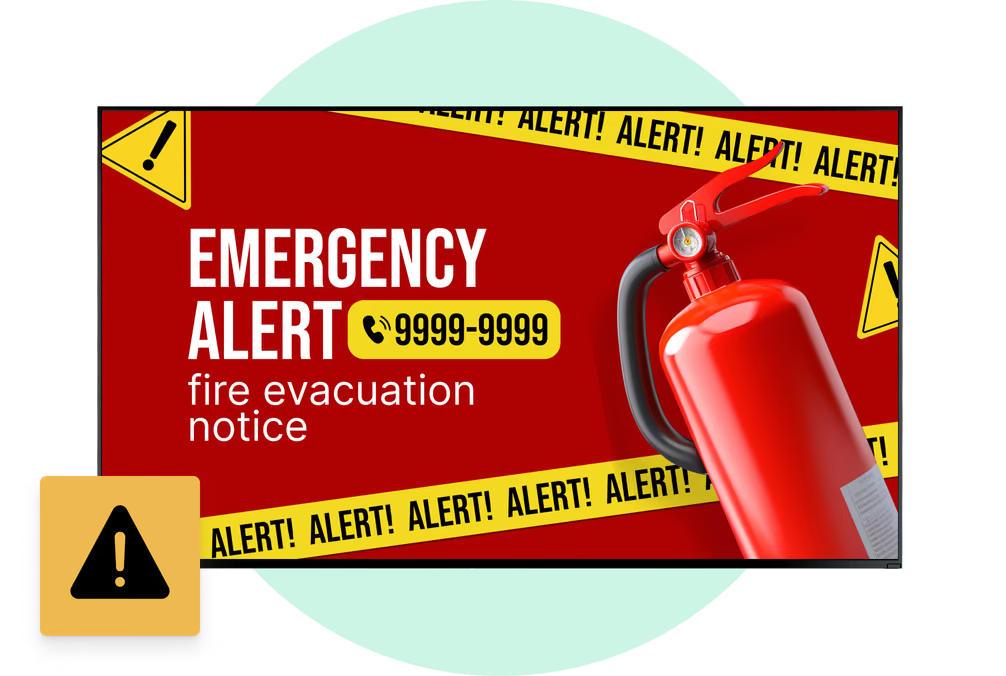
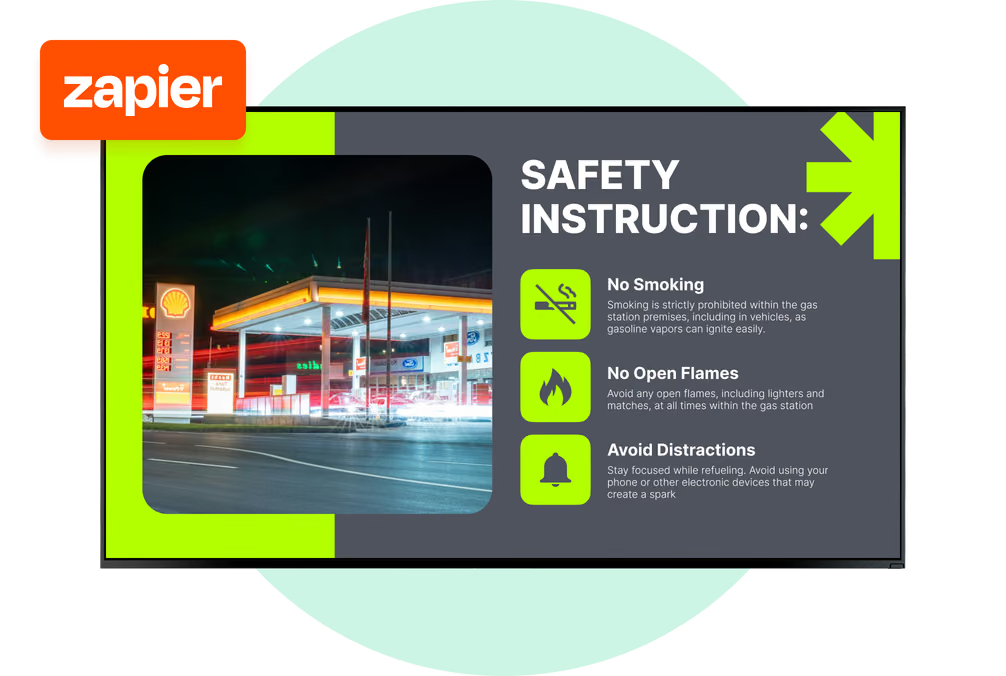
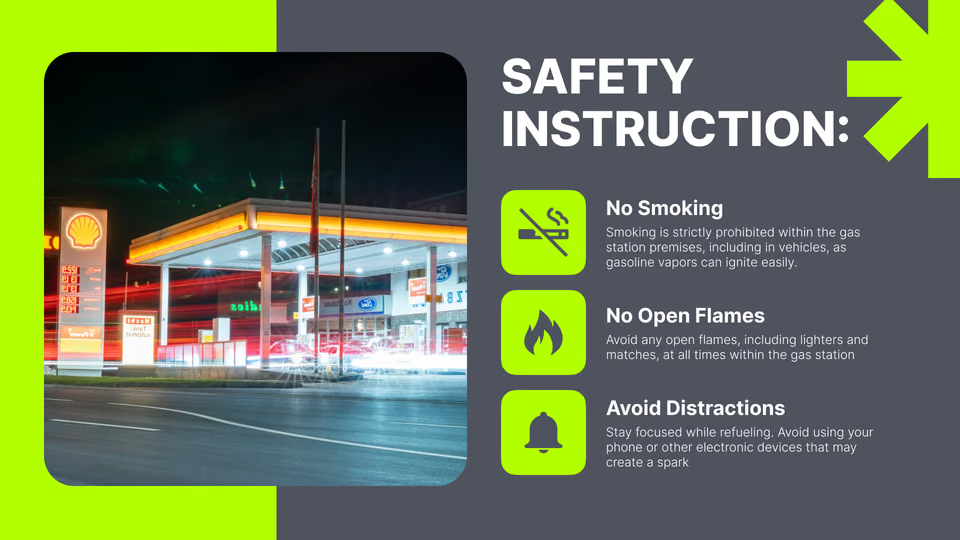
Digital signage is also an important safety tool. During events like severe weather, Amber alerts, or sudden road closures, screens can instantly shift to warning messages across all active displays. This quick communication helps protect both staff and customers. Screens can also show station-specific safety messages such as pump outages, maintenance work, or basic safety rules (e.g., no smoking near pumps, how to use emergency shutoff switches). This mix of engagement and safety-focused messaging helps build trust and shows a clear commitment to customer well-being.
Features to look for in gas station digital signage systems
Choosing the right digital signage system for a gas station is key for long-term success. The best systems are flexible, reliable, and simple for staff to operate, while meeting the special demands of outdoor and high-traffic environments.
Remote content scheduling and management
A strong digital signage platform needs powerful remote control and scheduling tools. Managers should be able to run all screens across one or many locations from a single console. Fuel prices, promotions, and service messages should be editable and schedulable from anywhere with an internet connection. Good scheduling tools allow content to change based on time of day, day of week, holidays, or seasons-for example, coffee deals in the morning, snack offers in the afternoon, and dinner promotions at night. This cuts down on manual changes and helps keep content up to date and aligned with customer needs.

Customizable templates and localized content
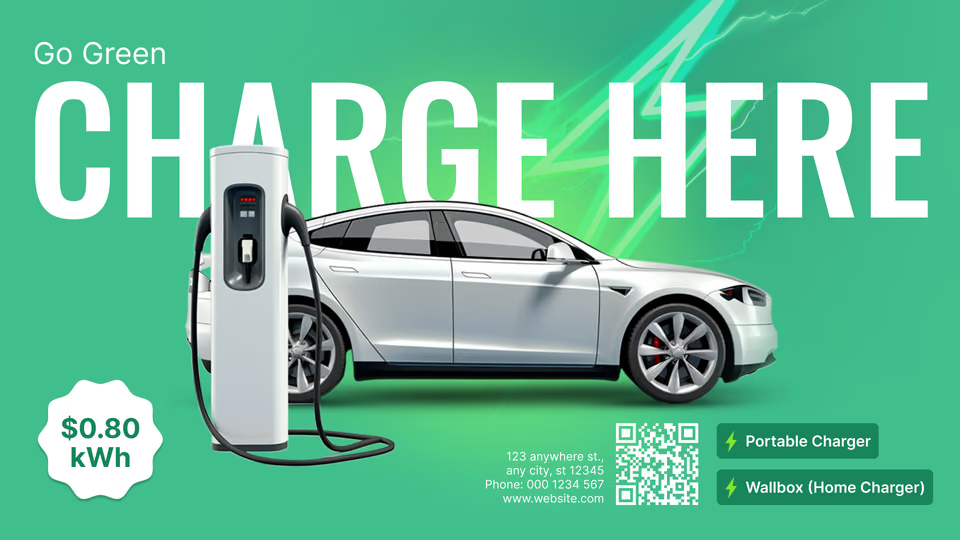
A useful signage system should offer easy-to-edit templates that still protect brand consistency. Users should be able to drop in high-quality images, videos, and text quickly without graphic design skills. It should also support local variations in content-like promoting a community event at one site but not another, or showing different language versions where needed. The ability to add animations, QR codes, or live feeds (such as weather or news) helps keep content engaging and relevant to each location.
Integration with POS and loyalty programs
Integration with existing systems-especially POS and loyalty platforms-is a key feature. When signage ties into the POS, price changes happen once and appear everywhere, cutting down mismatches between screen prices and receipts. Real-time links with loyalty systems make personalized offers possible, such as discounts for members or reminders to use points. Connected systems turn digital signage into part of a wider sales and service setup instead of an isolated tool.

Weatherproof and vandal-resistant displays
Many gas station displays sit in tough outdoor conditions, so hardware must be built to cope. Look for screens that can handle bright sun, rain, snow, dust, and temperature swings. Important features include:
- High brightness and anti-glare glass for sunlight visibility
- Waterproof and dustproof enclosures
- Strong housing and secure mounts to resist tampering or damage
- Proper ventilation and cooling to prevent overheating
Using industrial-grade hardware might cost more at first, but it reduces breakdowns and replacement costs over time.
Analytics and performance tracking tools
A good digital signage system should provide clear analytics so operators can measure results. Useful metrics include how often content plays, interaction rates on touchscreens, and sales performance linked to certain campaigns. With this data, station owners can see which messages work best, what needs changing, and when screens are most effective. Regular review of analytics supports ongoing improvements in content and scheduling, helping to keep the system aligned with changing customer behavior.
Steps to deploy digital signage in a gas station
Rolling out digital signage at a gas station is a multi-step project. It calls for planning, correct hardware and software setup, content development, and ongoing management to reach both business and customer experience goals.
Assessing the ideal placement and screen types
The first step is to review the station layout to decide where screens should go and what kinds of displays to use. Key locations include:
- Entrance and roadside: Large LED fuel price signs and billboards to draw drivers in.
- Pumps: Pump-top or built-in screens for fuel-related updates and cross-selling.
- Store interior: Screens near the entrance, checkout, beverage area, and food counters for promotions and menu boards.
Think about viewing angles, lighting, typical customer paths, and what message fits each area. For outdoor spots, choose bright, weatherproof, vandal-resistant screens. Indoors, use durable commercial displays that can run many hours a day.
Installing hardware and software
After planning placement and choosing screens, the next step is installation. This includes:
- Mounting displays safely and securely
- Providing power and network connections
- Setting up media players or built-in players for each screen
Outdoor units may also need special enclosures and cooling systems. On the software side, you’ll create an account on the digital signage platform, link each screen or player, and group devices by location or function. Once connected via Wi-Fi or LAN, the central dashboard should recognize each device so you can send content and manage settings.
Customizing and scheduling content
With the system up and running, attention shifts to content. Using the platform’s templates, create layouts that match your branding and objectives. Typical content might include:
- Fuel price and service updates
- In-store promotions and bundles
- Menu items and limited-time offers

- Weather, news, and traffic information
Use the scheduler to assign different content to different times. For example, run breakfast offers early, snack and drink promotions during the afternoon, and meal or coffee deals later. Content can also be tied to certain conditions like temperature (e.g., cold drink promotions on hot days). This time-based and situation-based planning makes messages more relevant and effective.

Training staff and ongoing system management
Staff need basic training so the system stays effective over time. Training should cover:
- How to change prices and simple messages
- How to launch or stop campaigns
- What to do in common error situations
Ongoing work includes checking performance reports, updating campaigns, and doing basic hardware checks (cleaning screens, checking for damage). Many platforms offer remote diagnostics so problems can be fixed without visiting each device. Regular reviews help keep content relevant and screens running well.
Making the most of digital signage: Practical recommendations
Installing screens is only the starting point. To get full value from digital signage, gas station operators should actively manage their content and use data to guide changes.
Best practices for content strategy and scheduling
Because gas station visits are often short, content must be quick and easy to absorb. Good practices include:
- Use clear headlines and large fonts.
- Rely on strong visuals, especially for food and limited-time offers.
- Include simple calls to action such as “Add a car wash today” or “Grab a coffee inside.”
- Rotate different types of content-promotions, loyalty reminders, helpful info like weather or traffic.
A common approach is to keep a higher share of helpful or entertaining content and a smaller share of direct sales messages to avoid overwhelming viewers. Time-based scheduling keeps content lined up with customer needs at different parts of the day.
Leveraging analytics to refine messaging
Most digital signage platforms provide data; using it is key for ongoing improvement. Regularly check which promotions perform well, which screens get the most interaction, and what times see higher engagement. For example, if a breakfast combo offer doesn’t lead to more sales, you might change the message, visuals, or timing. Data-driven adjustments turn guesswork into clear, targeted changes, raising the impact of each campaign.
Regularly evaluating system performance and customer feedback
Alongside analytics, regular checks of hardware performance and customer opinions are important. Confirm that every screen is on, bright, and error-free. Remote monitoring tools can alert you to offline devices or playback issues. Customer feedback-through staff conversations, feedback forms, or online reviews-can reveal whether people notice the screens, find them helpful, or feel overwhelmed. Use this feedback to adjust content mix, volume levels, or message style, improving both experience and results.
Future trends and innovations in gas station digital signage
Digital signage technology keeps moving forward, and gas stations will benefit from new tools that make communication more personal, interactive, and efficient.
AI-driven personalized content and targeted advertising
Artificial intelligence is set to play a bigger role in how content appears on gas station screens. AI systems can analyze patterns-such as time of day, purchase histories, or typical customer groups-to show more relevant offers. Examples include:
- Pump screens showing coffee deals to customers who often buy drinks.

- Ads that change based on weather, like hot beverages on cold days or cold drinks on hot days.
- Dynamic ad slots sold programmatically to brands targeting specific conditions or times.
This level of targeting can raise engagement and conversion rates because messages feel more relevant to the person seeing them.

Interactive touchscreens and self-service kiosks
Interactive screens and kiosks will become even more capable. Future systems may allow customers to:

- Build complex food orders and customize ingredients.

- Browse product details, including reviews or usage tips.
- Sign up for loyalty programs quickly, possibly with biometric ID for faster login.
- Pay for fuel and in-store items directly at the screen using digital wallets.
Voice control may also appear more often, improving access for people who have trouble using touchscreens or prefer to speak their requests. These tools support faster service and give customers more control over their experience.
Sustainability and energy-efficient display technologies
As more businesses focus on the environment, digital signage technology is moving toward lower power use and greener materials. New LED screens use less energy than older models. Brightness control systems can dim screens automatically at night or in low-traffic periods to save power. Materials that last longer and are easier to recycle help reduce waste. For gas stations, these changes support both cost savings and a more eco-friendly image, which many customers value.
Common questions about digital signage in gas stations
Gas station owners and managers often have similar questions about digital signage. Clear answers can help them decide how and when to invest.
How does digital signage improve profitability for gas stations?
Digital signage improves profitability in several ways:
- Higher sales: Strong promotions and upsell messages lead to more in-store and fuel purchases.
- New ad income: Selling screen time to third-party advertisers brings in extra revenue.
- Lower costs: Fewer printed signs and less manual labor mean reduced ongoing expenses.
- Customer loyalty: Better experiences and more useful information support repeat business.
When these effects combine, the station’s overall financial performance improves.
Is it difficult to maintain or update digital signage content?
Most modern digital signage platforms are built to be simple to use. For example, Look digital signage is cloud-based and run through a web browser. Staff can add images or videos, adjust text, and set schedules from any device with internet access. Updates to prices, offers, or alerts can go live with just a few clicks. While the initial setup may require help from a technology provider or installer, day-to-day changes are typically straightforward and do not demand advanced technical skills.
What is the typical return on investment?
The return on investment (ROI) for gas station digital signage is often strong. Although screens and installation cost more than printed signs at the start, the payoff usually comes within about 12-18 months for many operators. This payback comes from higher sales, ad revenue from third parties, and savings on printing and labor. Over time, improved brand image and smoother operations also support ongoing profits.
Can digital signage be integrated with existing business systems?
Yes. Many digital signage solutions are built to connect with existing business tools. They can link to POS systems to mirror current prices, to inventory systems to promote items that need to sell faster, and to loyalty databases to show member-specific offers. Vendors often provide APIs or built-in connectors to make these links easier. When combined, these systems keep information consistent, reduce manual work, and create a smoother experience for customers and staff.
What factors influence the cost of digital signage solutions?
Several points affect the total cost of a digital signage rollout at a gas station:
FactorImpact on CostNumber of screensMore screens mean higher hardware and installation costs.Screen size and typeLarge outdoor LED billboards and sunlight-readable displays cost more than small indoor LCD screens.InteractivityTouchscreens and kiosks are usually more expensive than standard displays.Software featuresAdvanced analytics, AI, and integrations may increase subscription fees.Installation complexityOutdoor mounting, power work, and network setup can add to initial costs.Content servicesOutsourcing content design or management adds ongoing expenses.
Gas station owners should look beyond initial costs and weigh long-term savings and new revenue when judging the true value of a digital signage investment.