Table of Content
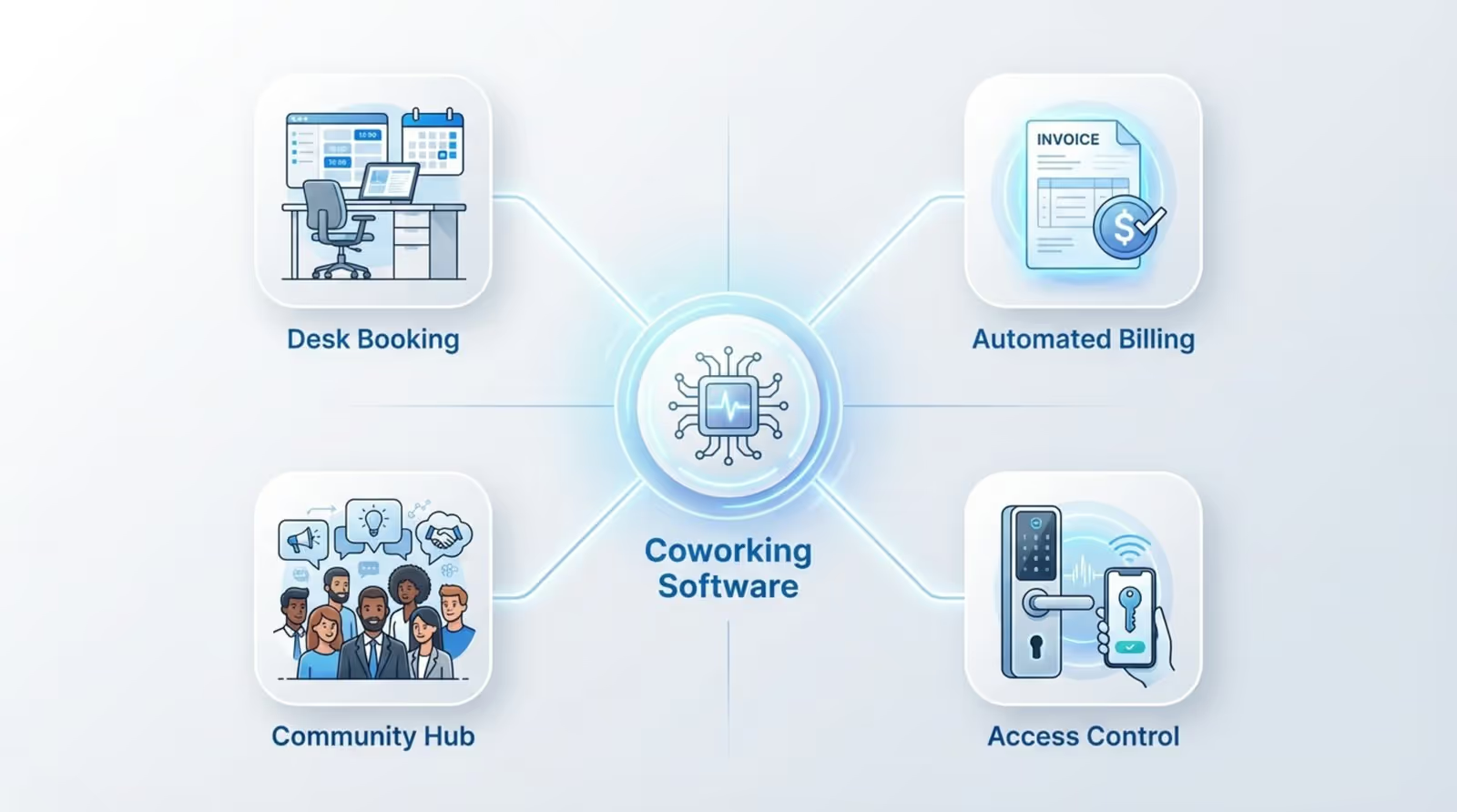
How can you run a busy coworking space without drowning in admin tasks? The best coworking software acts as an operating system for your building, automating desk bookings, billing, and access control while keeping your community connected. By consolidating these functions into one platform, you can reduce manual errors and focus on hospitality rather than paperwork.
As the flexible workspace market evolves, the demand for reliable management tools is growing. Whether you run a single boutique location or a global network, the right software allows you to scale smoothly. It connects your physical space with digital tools, giving members the freedom to manage their own bookings while providing you with the data needed to maintain profitability.
What Is Coworking Software for Shared Spaces?
Primary Functions and Benefits
Coworking software is more than just a calendar; it is a central hub for your business operations. It replaces spreadsheets and disjointed email chains by centralizing member profiles, payments, and resource usage. With all data in one dashboard, you get a clear overview of your business in minutes. This efficiency frees your team to focus on member experience instead of data entry.
For members, the software simplifies how they interact with your space. Instead of finding a community manager to book a room, they can handle it via an app or browser. This self-service model matches the expectations of modern professionals who want instant access. Automated billing ensures invoices are accurate and sent on time, improving cash flow and reducing administrative friction.

Who Uses Coworking Management Platforms?
While traditional coworking hubs are the primary users, these platforms support various shared space models. Business incubators, accelerators, and landlords running "spec suites" use these tools to handle short-term agreements and flexible memberships. Large enterprises also adopt coworking software to manage internal hot desks for hybrid teams, ensuring employees can find a workspace when they visit the office. Educational institutions similarly use these platforms to manage shared labs and meeting rooms.
Core Features to Look For
Automated Membership and Billing
A reliable billing engine is essential. Your software should support diverse membership types, from day passes to private offices, and automate invoicing and late fees. Integrations with payment gateways like Stripe allow for seamless processing, reducing financial errors. The system should also automatically bill for extra services, such as printing or snacks, ensuring you capture all revenue without manual tracking.
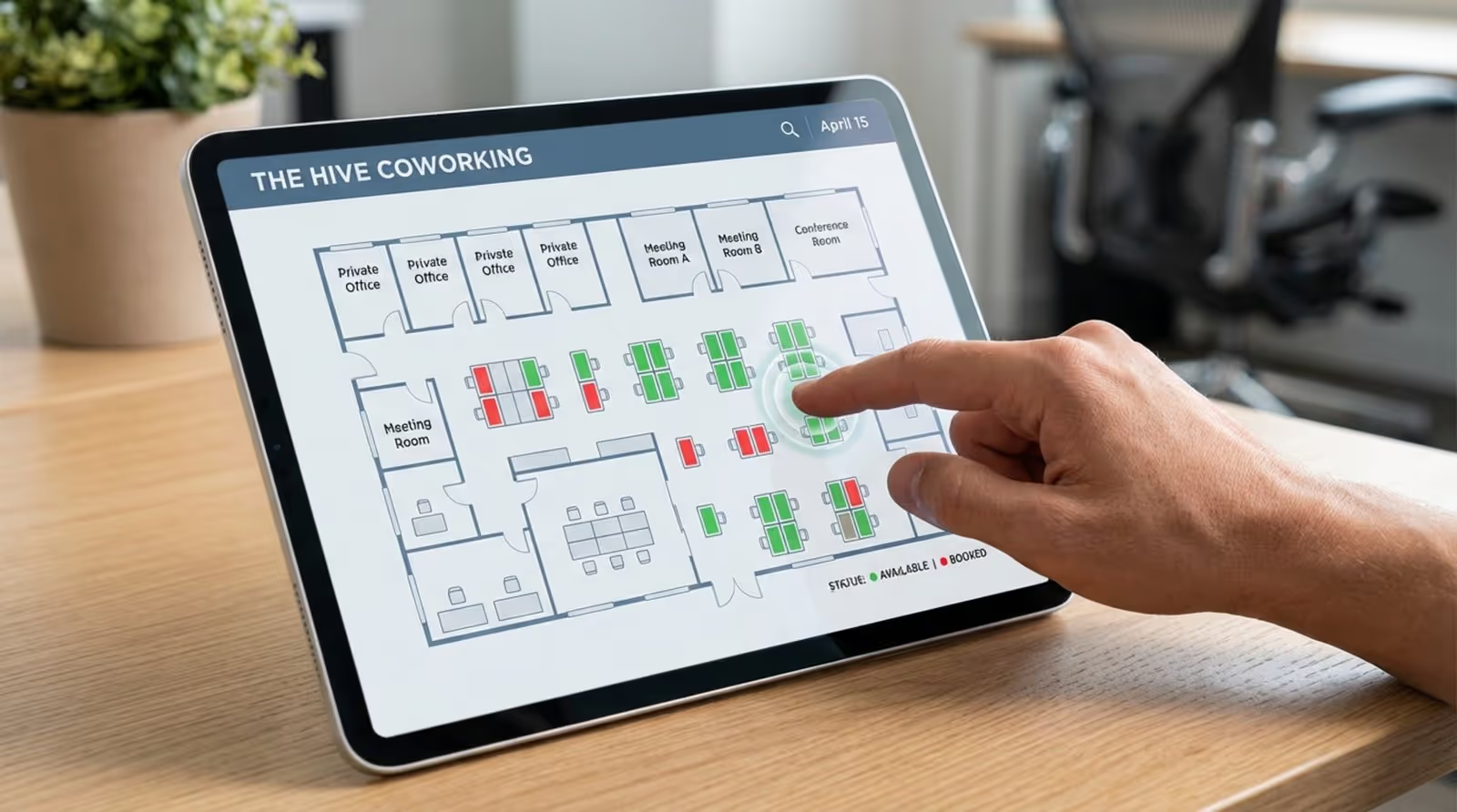
Desk and Meeting Room Booking
Resource conflicts can disrupt a community, so clear booking tools are vital. The best platforms offer real-time availability and interactive floor plans, letting members choose their preferred spot. Many systems use a "credit" model, deducting points for room usage and prompting payment when limits are reached. This encourages fair use of shared resources and opens up additional revenue streams.
Visual Communication and Signage Management
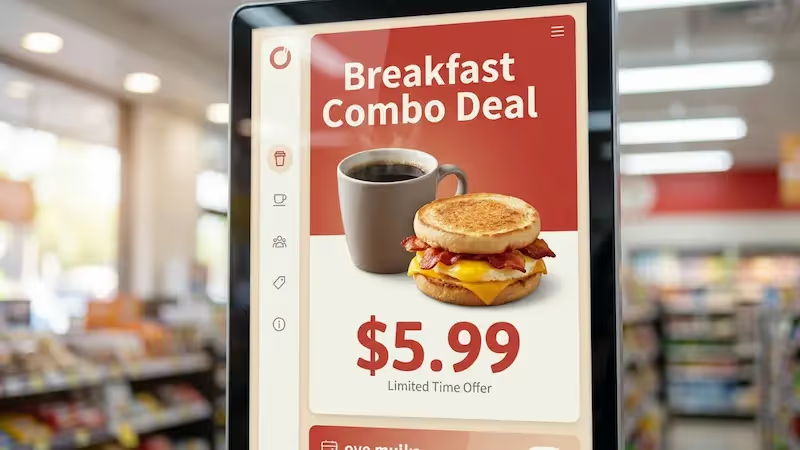
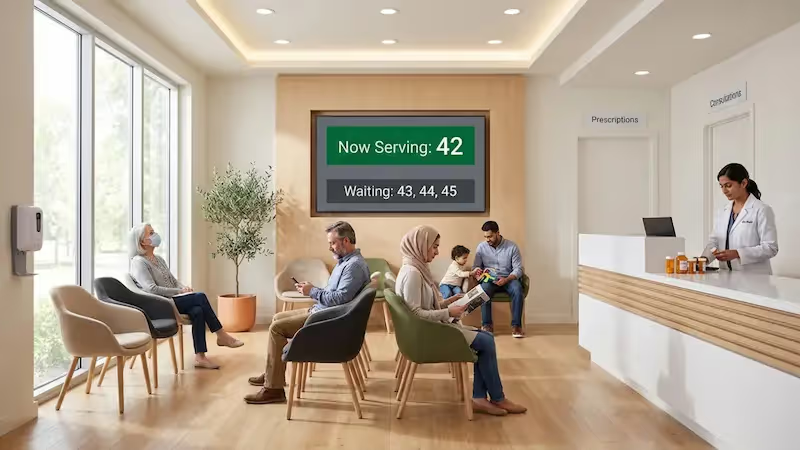
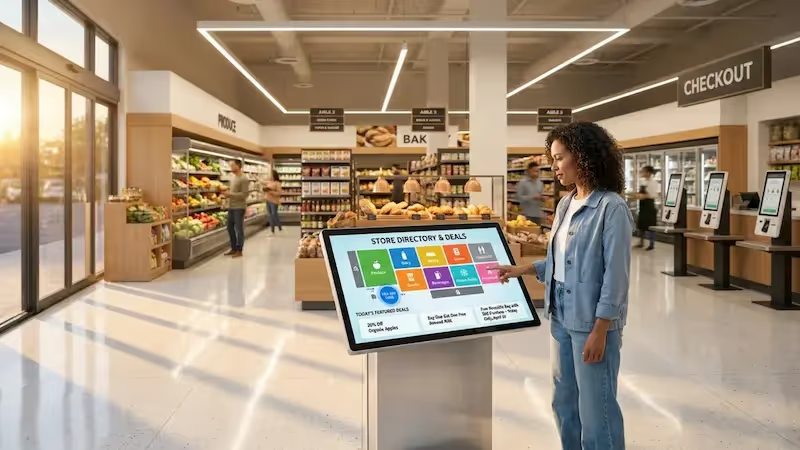
Managing the physical screens in your space-from lobby directories to meeting room tablets-is just as critical as managing desks. You need a way to update event schedules, welcome messages, and safety notices instantly across all locations. This is where dedicated digital signage software integrates with your broader operations to keep communication consistent and professional.
Access Control and Security
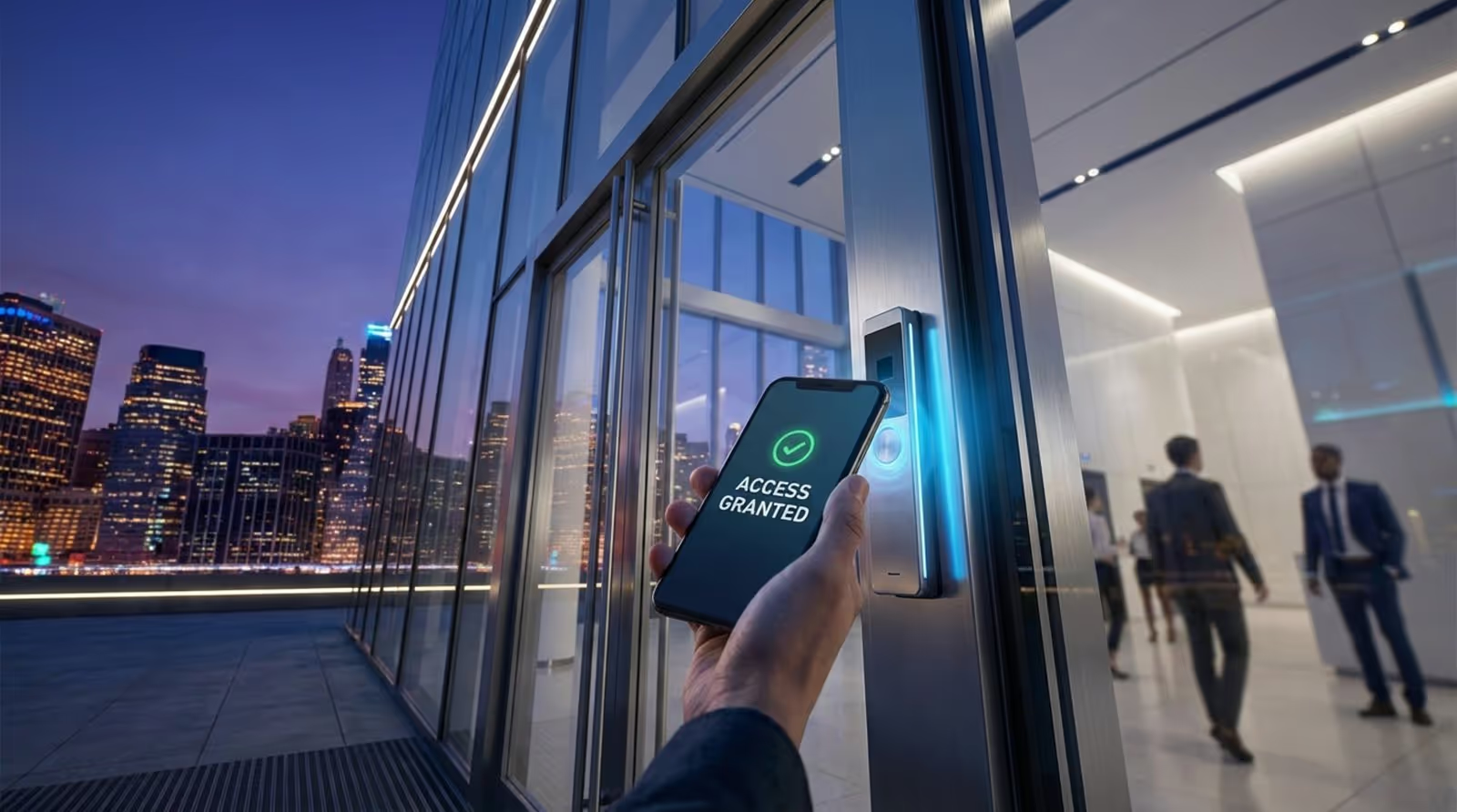
For 24/7 access, your software should integrate with hardware like Kisi, Salto, or HID. This connection allows the system to grant or revoke digital keys based on membership status instantly. It also provides valuable data on space utilization, helping you understand peak times and maintain security by logging entry activity.
Analytics and Reporting
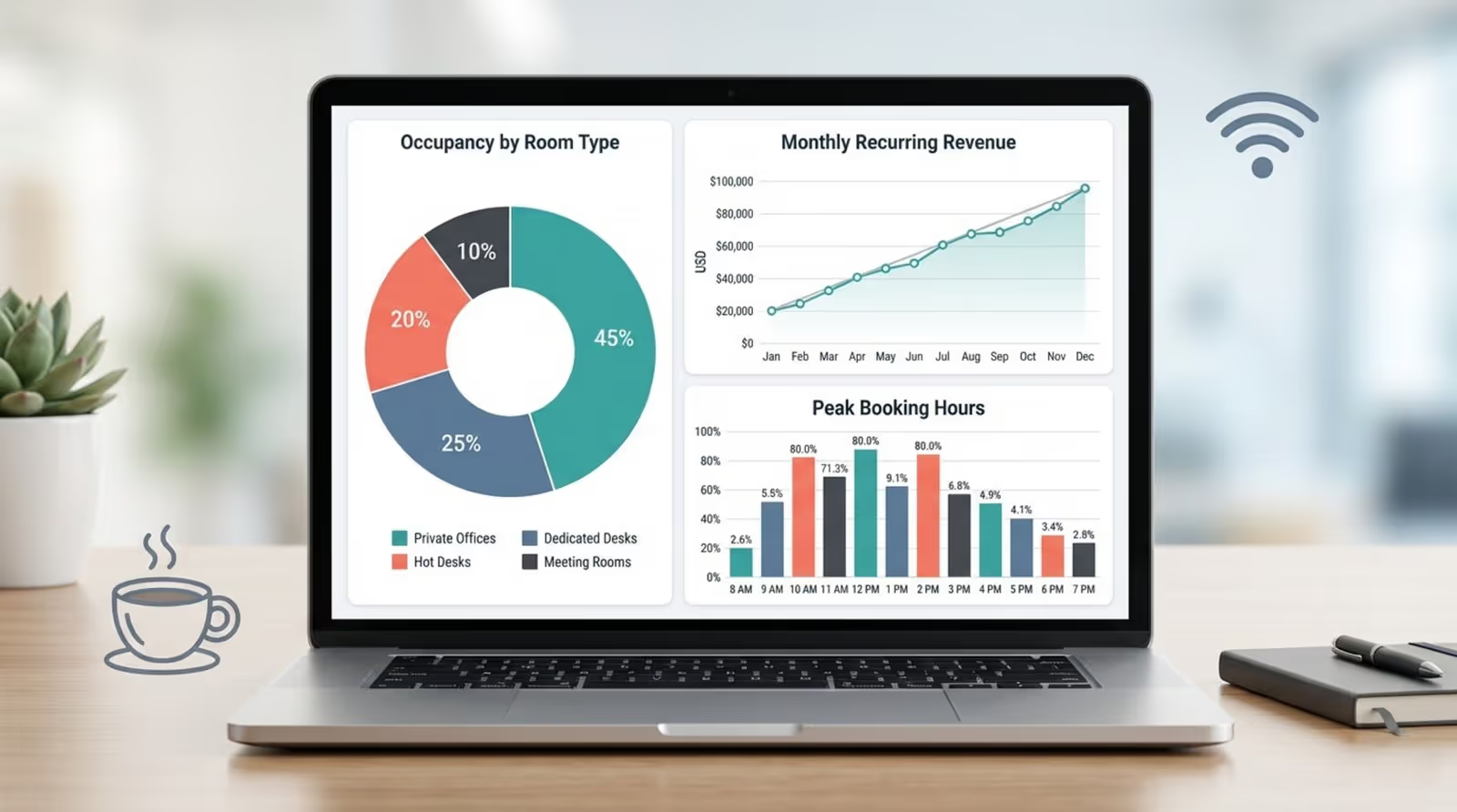
To run a profitable space, you need data-driven insights. Look for dashboards that track churn, average revenue per user (ARPU), and occupancy rates. These metrics help you spot trends early-such as a decline in hot desk usage-so you can adjust your strategy. Reporting on physical space usage can also inform layout changes, ensuring you maximize the value of every square foot.
Best Coworking Software Solutions for Shared Spaces
Look Digital Signage: Best for Visual Communication
While most platforms on this list handle billing and desks, Look Digital Signage (Look DS) is the ideal solution for managing the screens that keep your members informed and engaged. It is a cloud-based digital signage platform that allows you to manage content on any screen, from lobby video walls to digital menu boards in the café.
Look DS is a strong fit for coworking spaces that need to publish event schedules, member spotlights, and wayfinding info in minutes.
- Look CMS: Manage all your screens from one simple dashboard, no matter where they are located.
- Ready-made Templates: Create professional announcements for happy hours or workshops using free, editable templates.
- Smart Scheduling: Automate content to play at specific times, ensuring breakfast menus switch to event promos automatically.
- Screen Layouts: Split your screen to show a news ticker, weather widget, and building directory simultaneously.

You can start a free trial to see how quickly you can get your first playlist live.
Archie: Streamlined Operations
Archie is known for its modern design and user-friendly interface. It covers the entire member journey, from booking a tour to moving out, within a polished workflow. It is a strong choice for operators who want a high-end feel and powerful automation for billing and desk management without a steep learning curve.
Spacebring: Community Engagement
Spacebring focuses heavily on member interaction. Its mobile app allows users to book spaces, pay invoices, and chat with other members easily. It includes a benefits section for local discounts, helping to tie your space into the local community. It is ideal for operators who prioritize a connected, active member base.
Nexudus: Enterprise Flexibility
Nexudus is a feature-rich platform built for complex needs. It supports multi-currency billing, deep hardware integrations, and extensive white-labeling. While it may have a steeper learning curve, it offers granular control for large networks or operators with advanced customization requirements.

Optix: Mobile-First Experience
Optix prioritizes the mobile experience, making booking a desk as simple as ordering a ride-share. Its dashboard provides clear insights into key metrics without overwhelming the user. This "keep it simple" approach makes it reliable for operators who want a smooth user experience without unnecessary complexity.
OfficeRnD: Reliable Resource Management
OfficeRnD is a staple in the industry, known for stable billing and multi-location resource management. It integrates well with accounting tools like Xero and QuickBooks. Its detailed reporting on occupancy and revenue trends makes it a workhorse for growing networks that need operational stability.
Cobot: Essentials for Small Operators
Cobot offers a user-friendly entry point for independent spaces. It covers core needs like invoicing and room booking with a quick setup process. It supports add-ons and integrations, allowing the system to grow with your business, making it a practical choice for smaller spaces starting out.
Coworks: Relationship-Focused Platform
Coworks positions itself as an all-in-one tool with a CRM focus. It tracks leads from first contact to signed contract, helping community managers improve occupancy. By streamlining the sales pipeline, it helps teams spend less time on software and more time building relationships.
Proximity: Hardware and Access Focus
Proximity is distinct for its tight integration with access control hardware, making it excellent for unstaffed or 24/7 spaces. Its network feature allows members to book desks at other Proximity-powered locations, appealing to remote workers who travel frequently.
Yardi Kube: Financial Depth
Part of the Yardi real estate family, Yardi Kube excels in accounting and financial reporting. It is suited for operators who treat coworking as a major real estate asset and require strict financial controls. It also includes strong marketing tools to help fill vacancies.
How to Choose the Right Software
Define Your Needs and Growth Goals
Start by identifying your specific operational pain points. If you spend hours on invoices, prioritize automated billing. If meeting room clashes are frequent, look for visual booking tools. Consider your growth plans; if you intend to expand to multiple locations, ensure the platform supports multi-site management from day one.
Test Usability with Trials
Never rely solely on a sales pitch. Most vendors, including Look Digital Signage and the management platforms listed above, offer free trials or demos. Use these to test real-world scenarios: create a membership, book a room, or publish a playlist. If the software is confusing during a trial, it will likely frustrate your staff during daily operations.
Evaluate Integrations
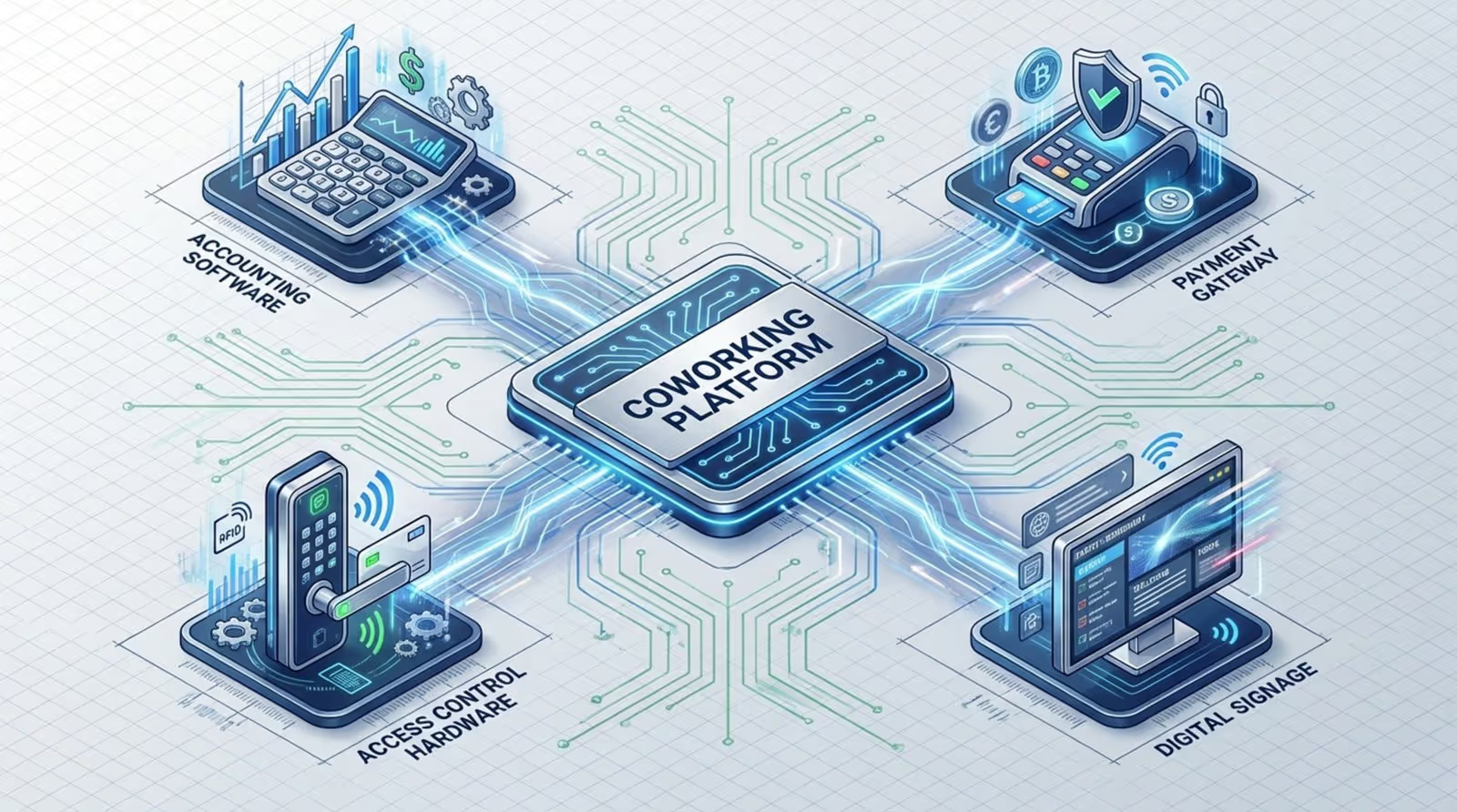
Your software needs to play well with others. Check for integrations with your existing accounting software, communication tools (like Slack), and access hardware. For visual communication, ensure your digital signage solution can easily display content that supports your community goals. A well-integrated tech stack reduces manual work and keeps data consistent across systems.
Managing Operations and Experience
Efficiency Through Automation
Automation is the key to scaling. By letting software handle low-value tasks like invoicing and access key generation, your staff can focus on high-impact activities like event planning and member support. Automated communication, such as welcome emails and payment reminders, keeps members informed without adding to your workload.
Building Community
While software manages the backend, it also supports real-world connections. Member directories and community feeds help professionals find collaborators within your space. Event management tools allow you to track which activities are most popular, helping you shape programming that resonates with your members.
Improving Utilization
Data from your management software helps you optimize your physical layout. Booking data might reveal "dead zones" or underused meeting rooms. Similarly, Look Digital Signage provides playback analytics to verify that your internal announcements and sponsor messages are being seen. Using this data allows you to make informed decisions that improve both member satisfaction and revenue.
Frequently Asked Questions
What does coworking software cost?
Pricing varies by size and features. Small locations might pay $100-$300 per month, while large networks can pay thousands. Models typically include per-member fees or flat monthly rates. Be aware of setup fees for onboarding and white-label branding.
Is the software secure?
Leading platforms prioritize security, using SSL encryption and PCI-compliant payment processors. Role-based access ensures staff only see the data they need. Always check for compliance with regulations like GDPR if you operate in relevant regions.
Can I manage multiple locations?
Yes. Scalable platforms like OfficeRnD and Yardi Kube-and digital signage solutions like Look DS-allow you to manage hundreds of locations from a central dashboard. This unified approach simplifies billing, reporting, and content management across regions.
Why is digital signage software important for coworking?
Digital signage software helps you communicate efficiently in a shared environment. It allows you to display meeting room schedules, Wi-Fi details, and event promos without printing paper signs. A solution like Look Digital Signage makes it easy to keep this content fresh and professional from anywhere.
Looking ahead, the best coworking software will increasingly leverage AI and IoT to create smarter, more responsive environments. We are already seeing systems that adjust lighting based on occupancy or predict churn risks. By adopting flexible, scalable tools today, you ensure your space remains efficient and attractive to members in a competitive market.