
Guida ai costi del digital signage: cosa devono sapere gli acquirenti nel 2026
July 21, 2026
January 13, 2025
da
Ilya Zorokhovich


🌍 Più di 120 paesi


Minuti
per modificare le promozioni, gli avvisi di emergenza e la messaggistica delle campagne su tutta la rete invece di aspettare che le squadre sostituiscano i poster stampati.
Fonte: Intro + sezioni\ "flessibilità dei contenuti in tempo reale\»
1 → 1000
gestisci un singolo display o migliaia di schermate contemporaneamente da una dashboard CMS cloud.
Fonte:\ "Come funziona la pubblicità DOOH? sezione «\»
7
ambienti applicativi denominati: vendita al dettaglio, trasporti, strade all'aperto, ospitalità, stadi, ascensori e specchi/servizi igienici intelligenti.
Fonte:\ "Applicazioni e casi d'uso per il digital signage DOOH\»
4
elenchiamo i pilastri delle tendenze future: interattività QR, automazione basata sui dati, avvisi sulle città intelligenti e migliori layout multizona ad alta definizione.
Fonte:\ "Quali sono le tendenze future nel digital signage DOOH? \»
Cos'è il digital signage DOOH?
Il digital signage per la pubblicità DOOH significa collocazione schermi digitali in spazi pubblici per mostrare campagne, promozioni e informazioni importanti. A differenza di un cartellone pubblicitario stampato, uno schermo digitale può mostrare video in movimento, animazioni e aggiornamenti in tempo reale.
Il più grande vantaggio è il controllo centralizzato.
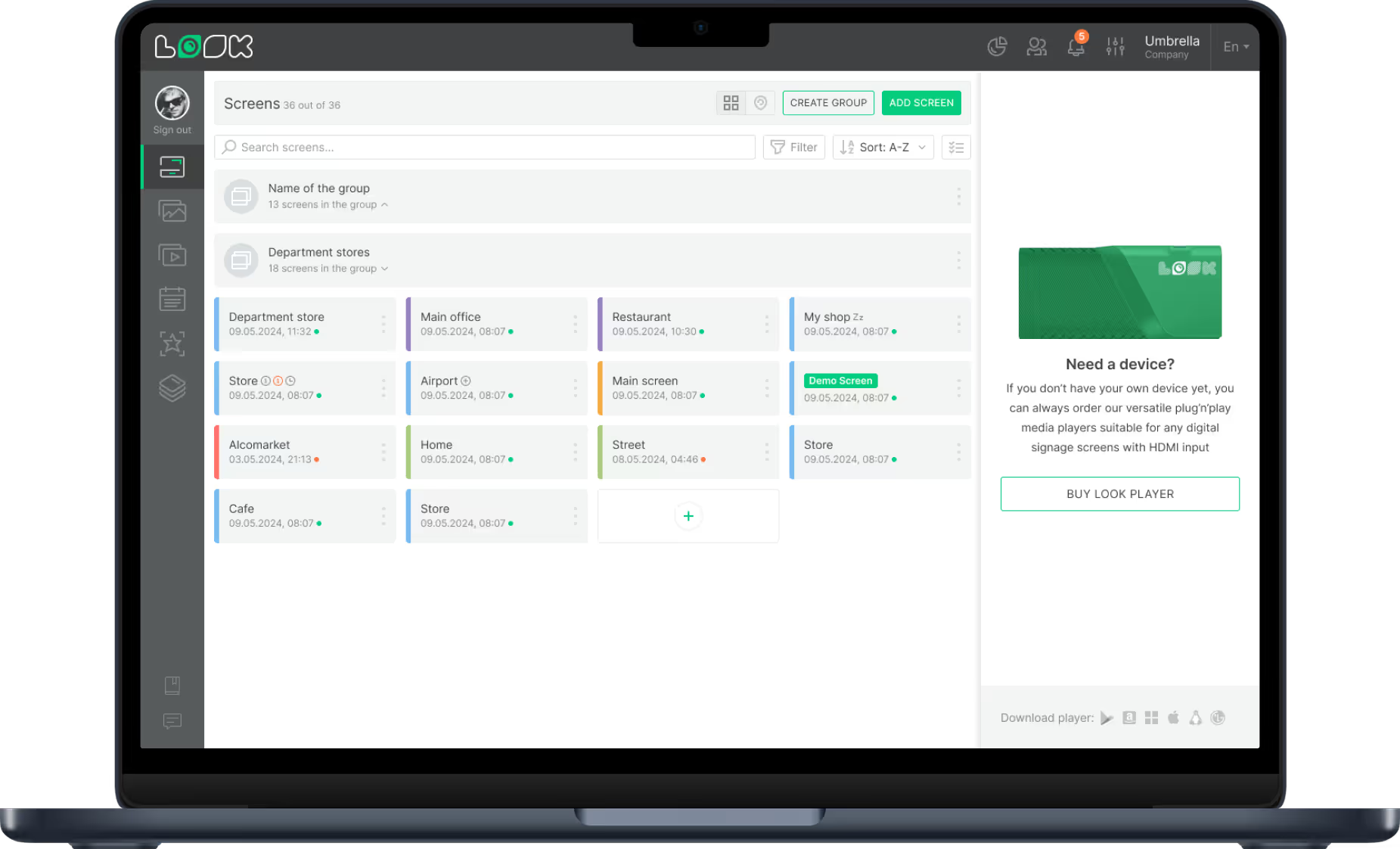
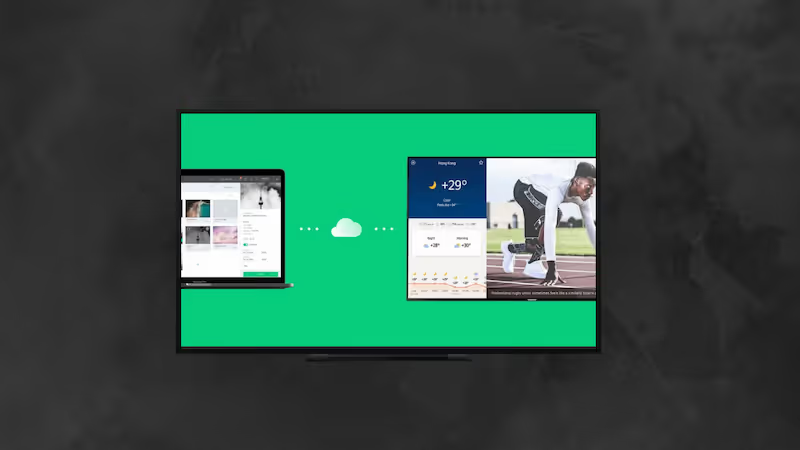
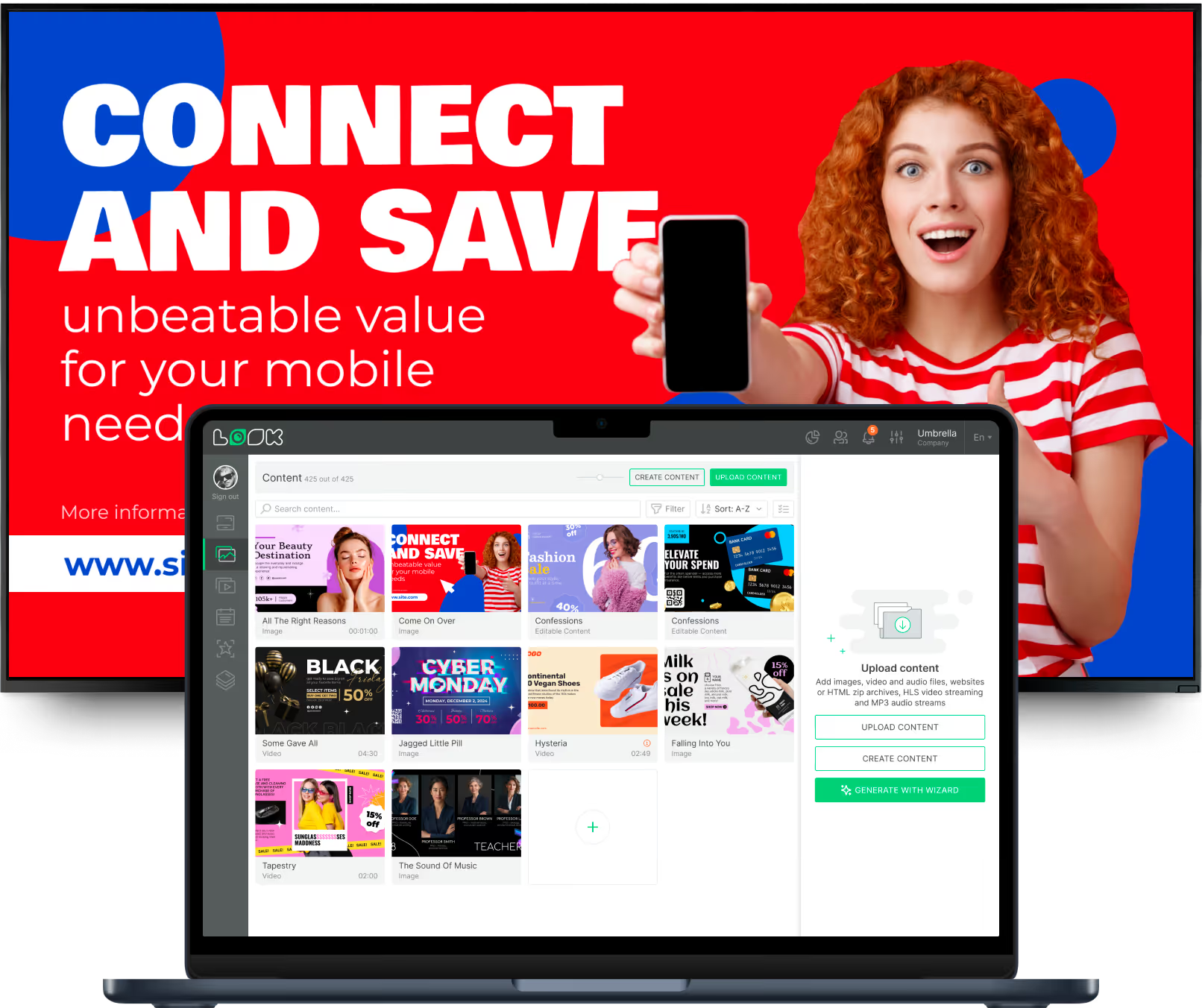
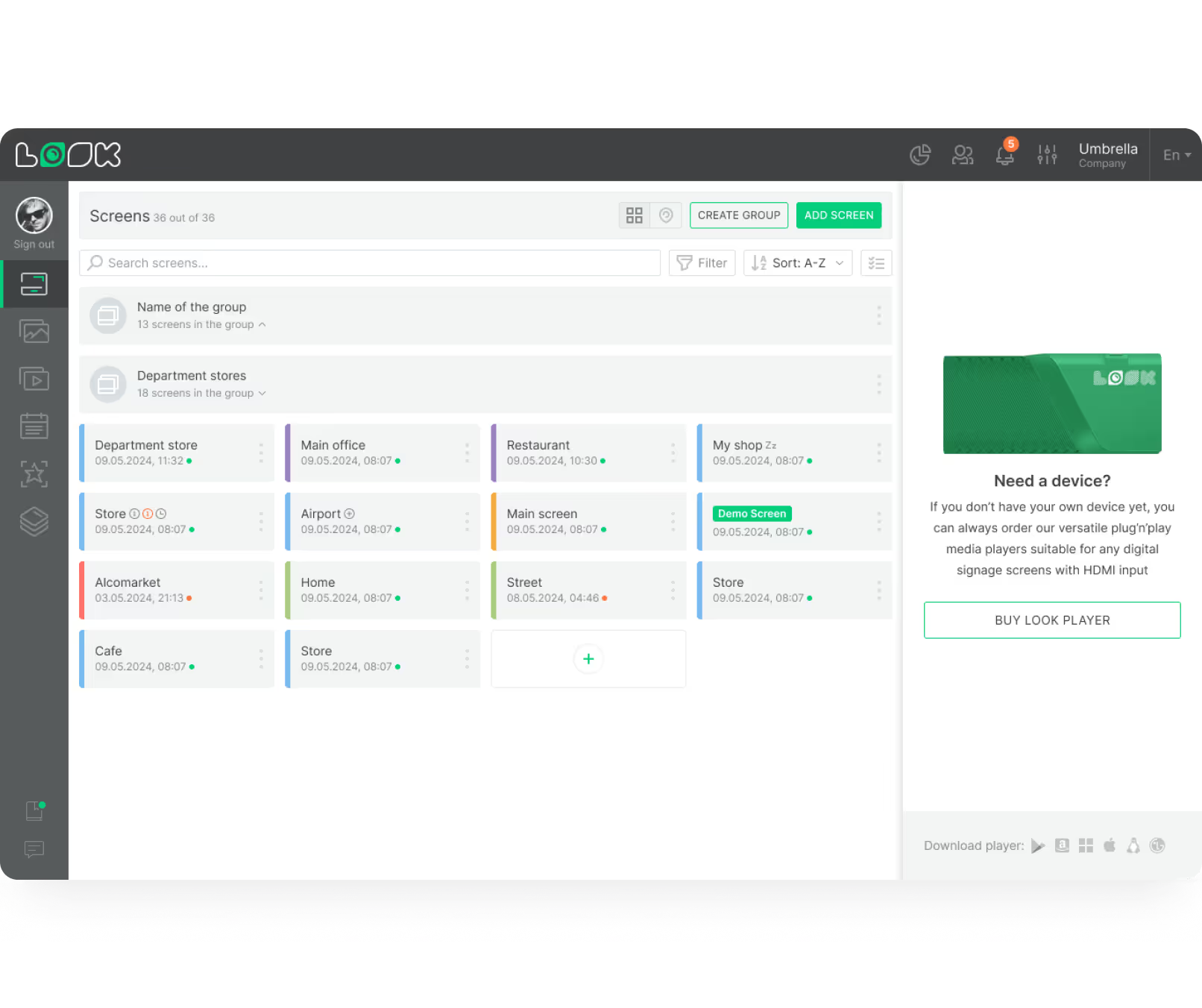
Si posiziona un display in un luogo pubblico, lo si collega a un lettore multimediale e cloud CMS, quindi carica file, crea playlist e pubblicale su una o migliaia di schermate senza visite in loco. Ciò offre alle aziende la flessibilità degli annunci online nel mondo reale.

I cartelloni pubblicitari e i poster stampati rimangono fissi
La sostituzione manuale richiede personale sul campo
Nessun video, animazione o trigger in tempo reale
Difficile dimostrare chiaramente le prestazioni e il ROI
Costi di stampa e spedizione ricorrenti

Aggiornamenti remoti dei contenuti in pochi minuti
Video, movimento e rotazione creativa dinamica
Messaggistica attivata in base a condizioni meteorologiche e diurne
Registri di riproduzione e dashboard con informazioni sull'audience
Scalabilità da uno schermo a migliaia

3 componenti principali
1
Un display digitale collocato in un luogo pubblico e collegato a un lettore multimediale che memorizza e riproduce i contenuti della campagna con una riproduzione stabile e affidabile.
2
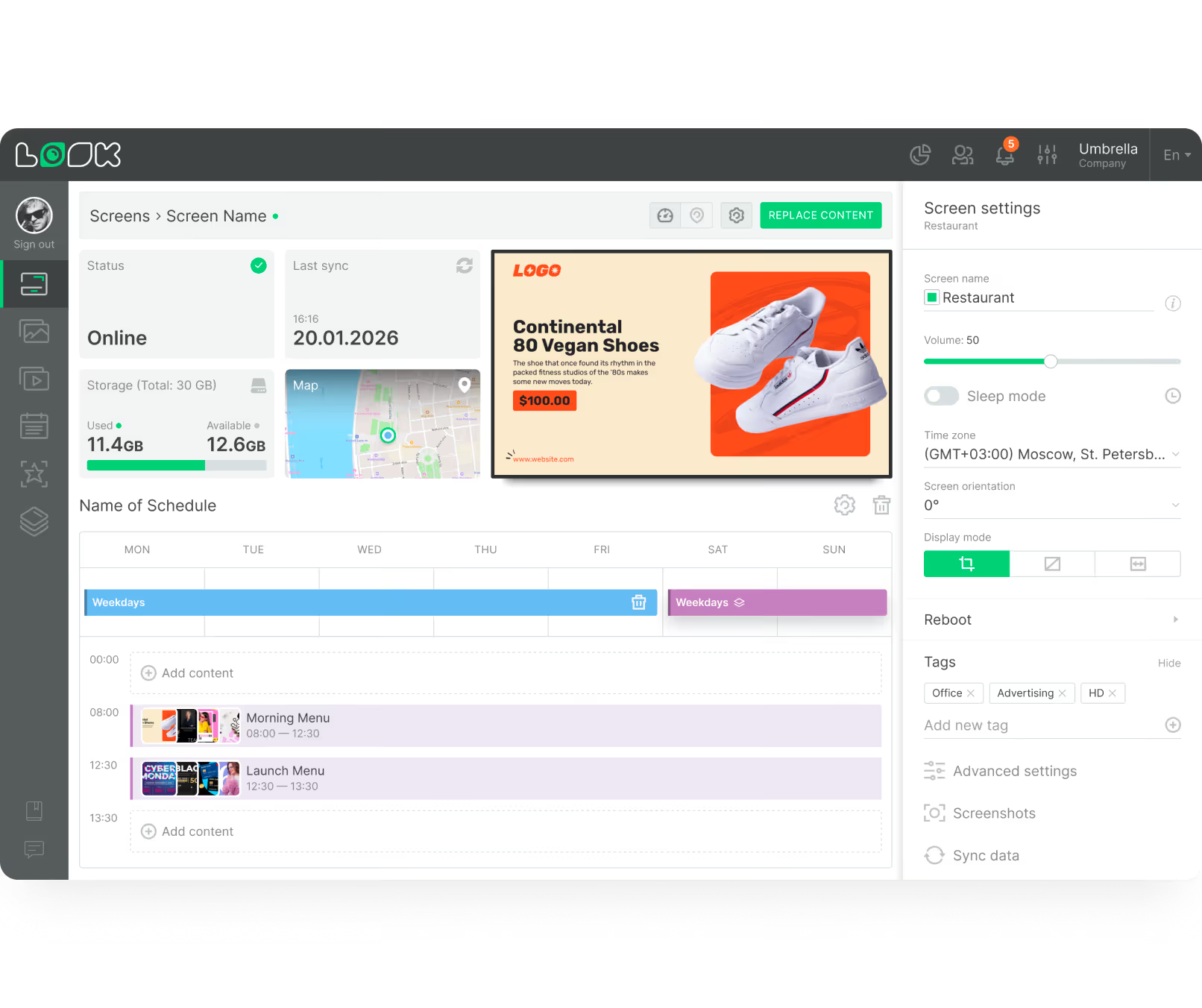
Una soluzione basata sul cloud Sistema di gestione dei contenuti dove i team caricano file, creano playlist e inviano aggiornamenti a una o migliaia di schermate in base all'orario diurno, alle condizioni meteorologiche e agli eventi locali.
3
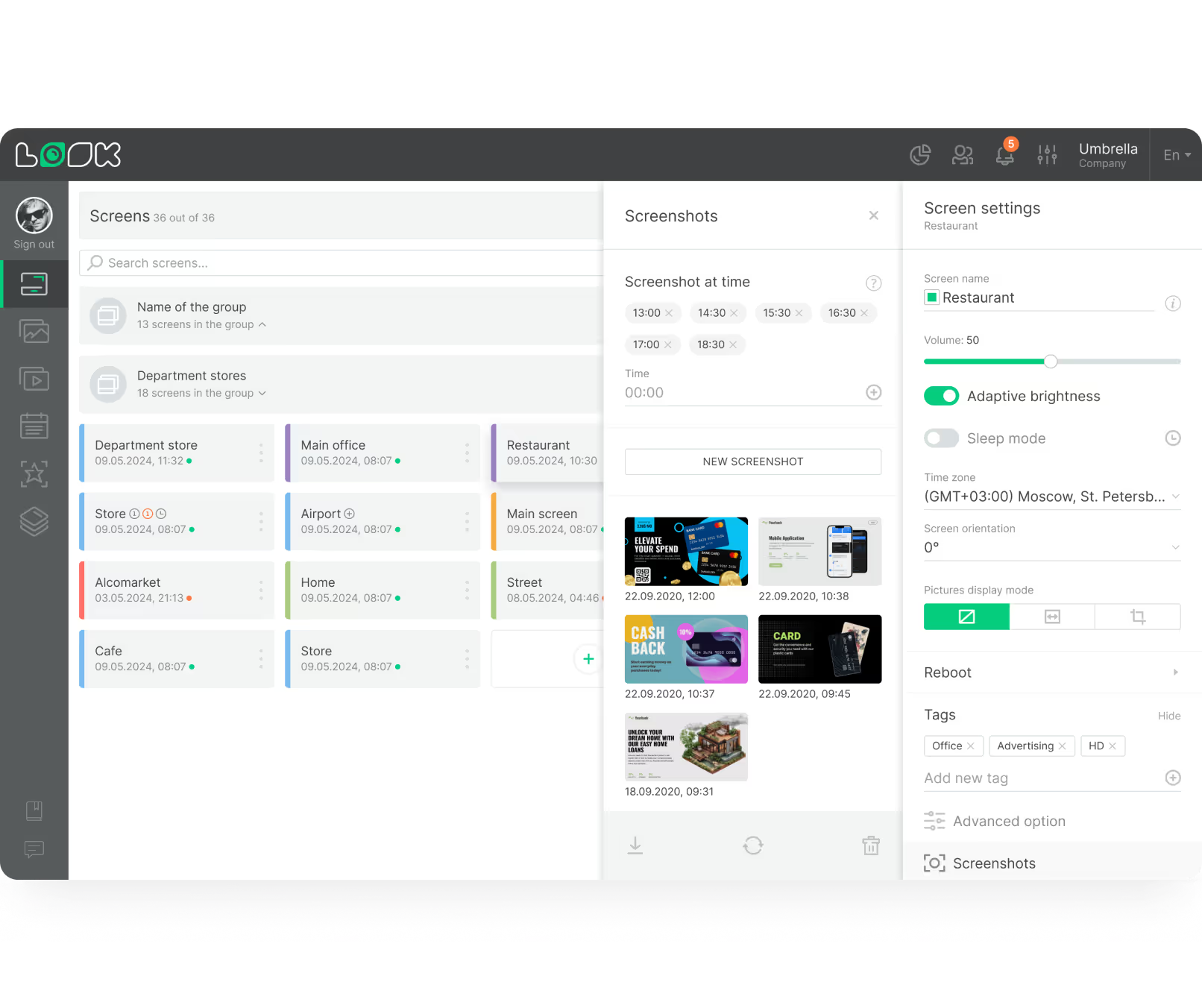
I registri proof-of-play, il monitoraggio dello stato dei dispositivi e i segnali di audience sicuri per la privacy verificano la consegna, riducono i tempi di inattività e aiutano a ottimizzare le campagne mentre sono ancora in corso.
Perché funziona











Segmenti di acquirenti
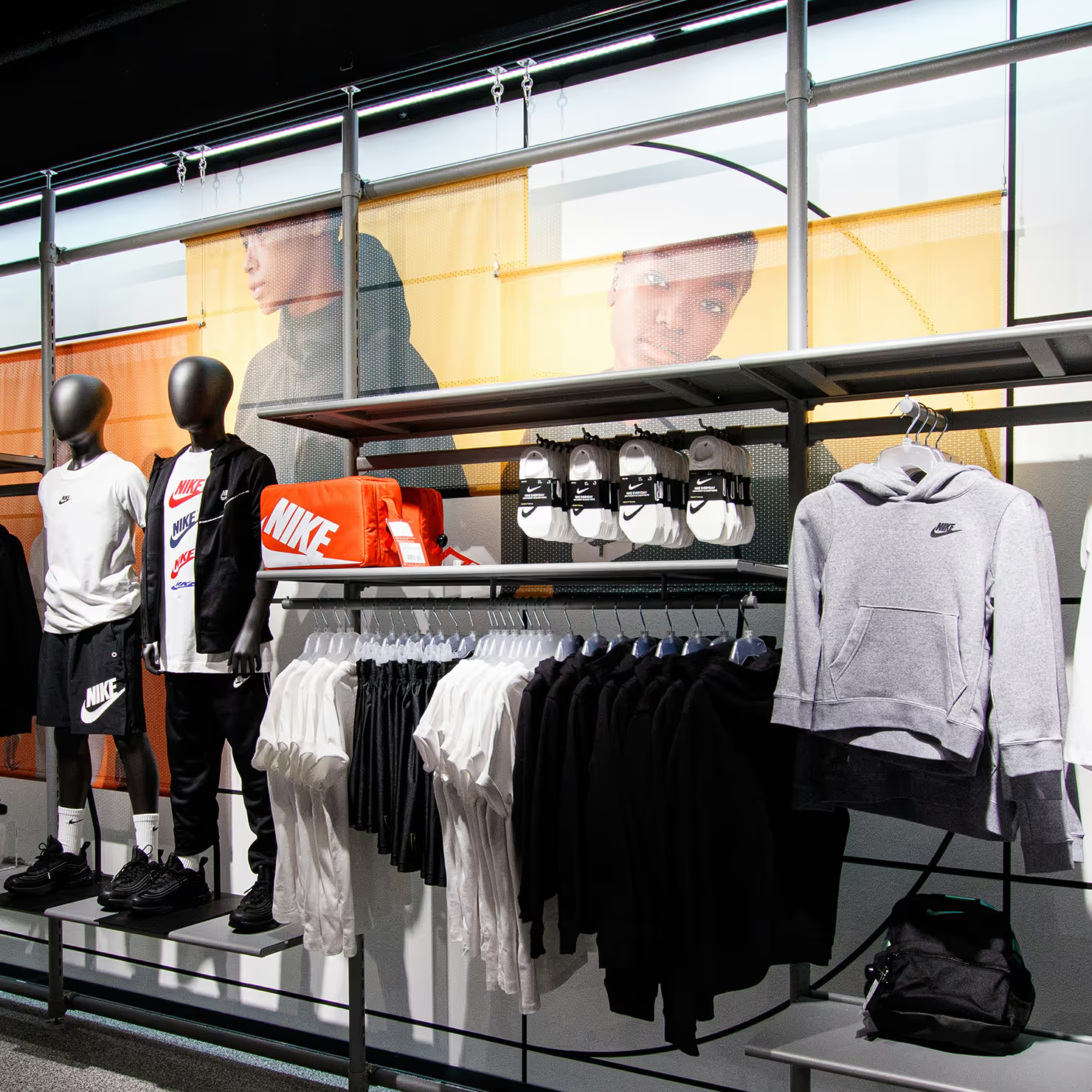
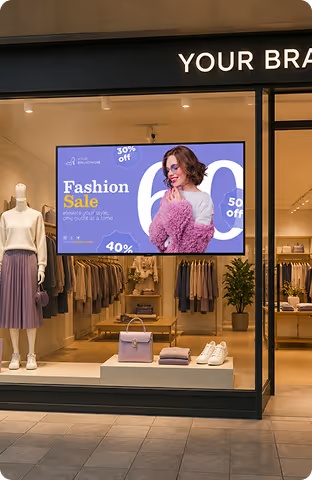
Team di vendita al dettaglio evidenzia promozioni, nuovi arrivi e mappe dei negozi. Le reti di centri commerciali possono inviare messaggi diversi agli acquirenti mattutini e serali per incrementare le vendite aggiuntive e collegare le campagne online ai negozi fisici.
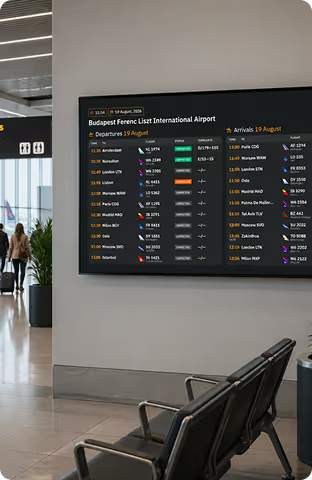
Aeroporti e stazioni ferroviarie combina partenze, indicazioni stradali e avvisi di sicurezza in tempo reale con le rotazioni degli annunci. I rapidi aggiornamenti dei contenuti mantengono accurate le informazioni sui viaggiatori preservando al contempo l'inventario delle campagne premium.
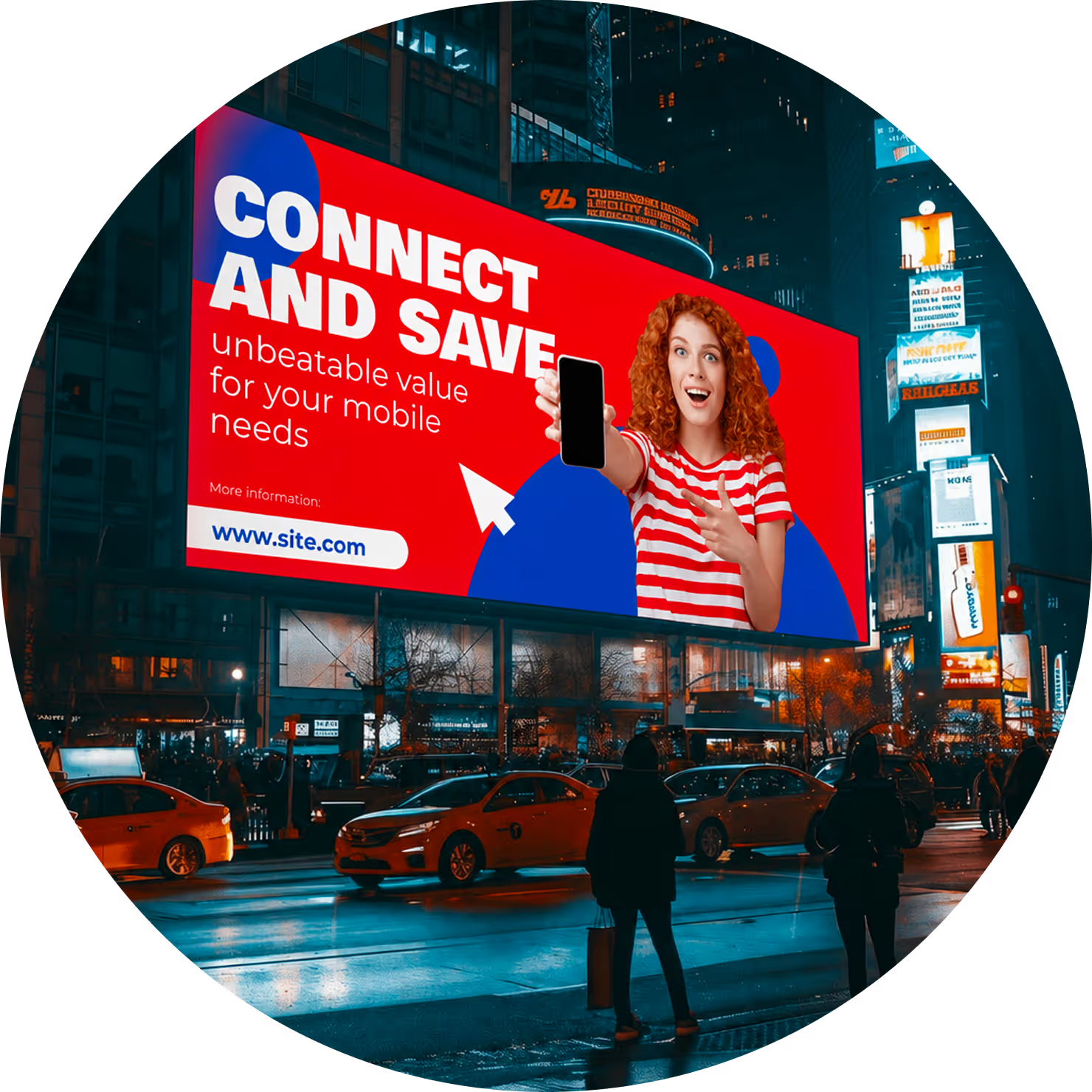
Grandi cartelloni pubblicitari a LED e pensiline digitali per autobus raggiungere pendolari e pedoni su larga scala. Questi posizionamenti sono adatti alla notorietà del marchio, al lancio di prodotti e agli annunci di pubblica utilità che richiedono una visibilità di massa.
Alberghi utilizza le schermate della lobby per gli orari di benvenuto ed eventi, mentre bar e ristoranti aggiornano le offerte speciali in tempo reale e rimuovono istantaneamente gli articoli esauriti per mantenere la messaggistica accurata.
Reti di stadi guidano grandi folle con schermi da atrio mentre i videowall offrono contenuti live. I loop degli sponsor e gli aggiornamenti sulla sicurezza possono essere programmati esattamente nel momento giusto per l'evento.
Gli schermi dell'ascensore e della lobby catturano l'attenzione durante le attività quotidiane. Mostrano elenchi, aggiornamenti aziendali e annunci mirati nelle aree ad alta frequentazione dove le persone sono già in attesa.
Scenari di posizionamento
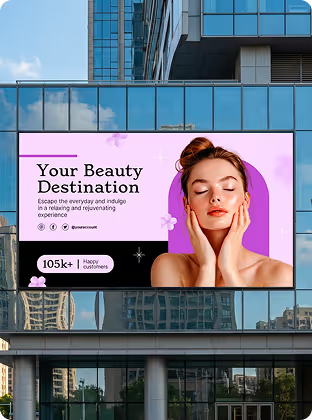
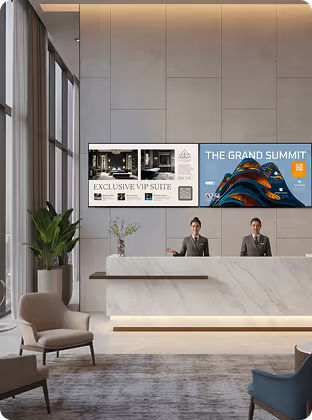
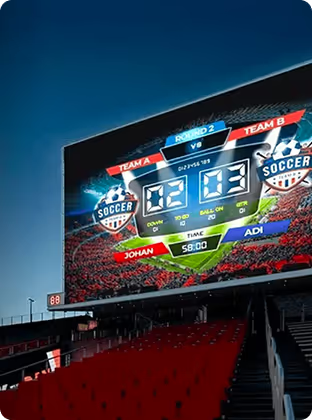
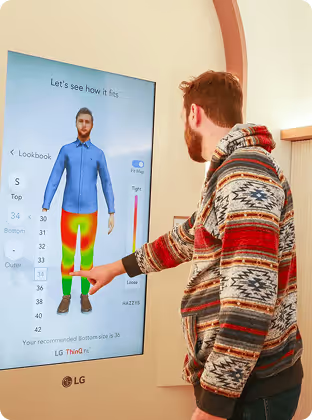
Configurazione
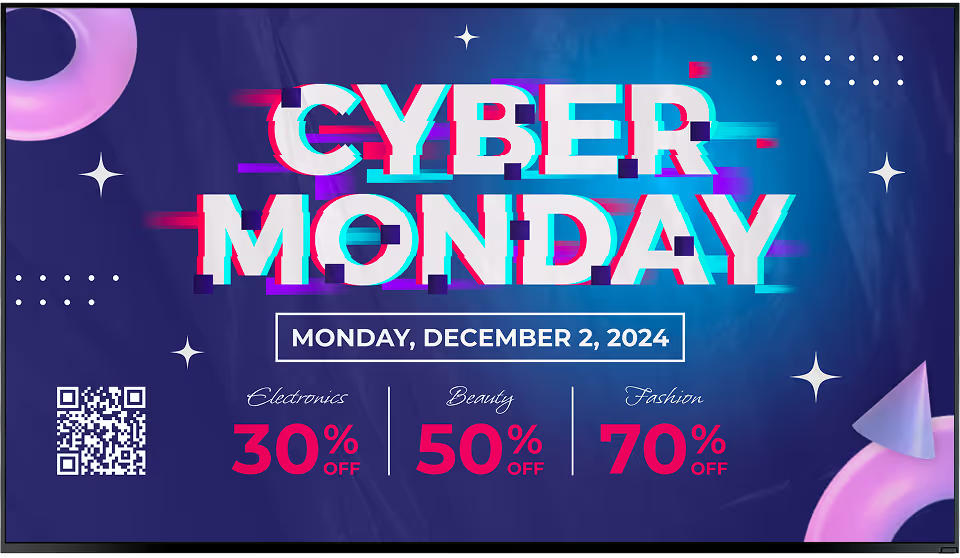
Installa l'app Look gratuita su display esistenti compatibili per avviarla rapidamente con una spesa hardware minima. È un percorso pratico per piloti e reti più piccole che necessitano di una configurazione rapida.




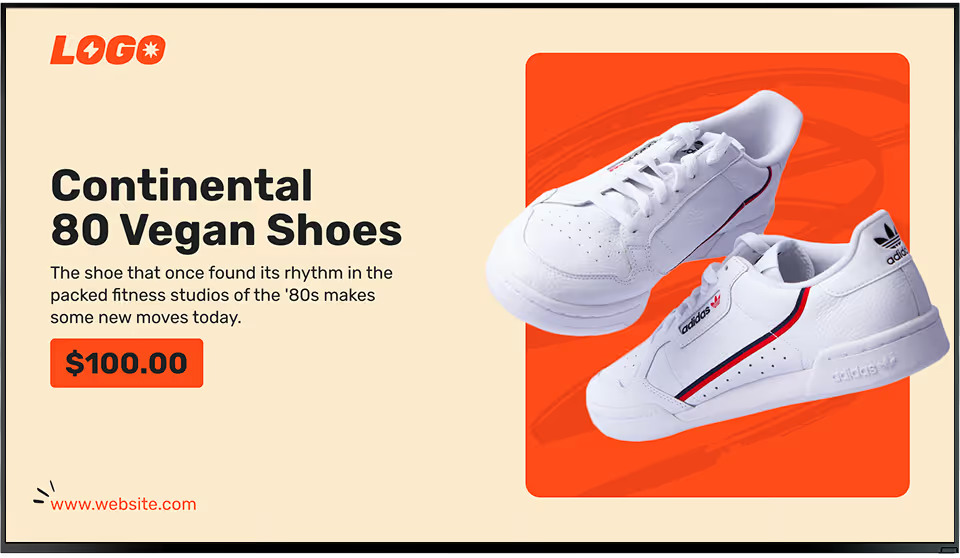
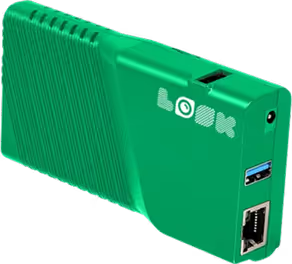
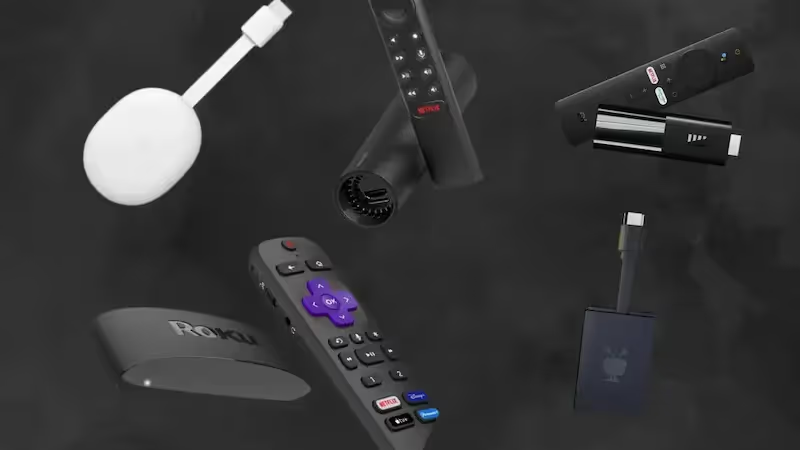
Usa un lettore HDMI dedicato per una riproduzione costante a lungo termine, risoluzione centralizzata dei problemi e prestazioni standardizzate su implementazioni più grandi e flotte di schermi misti.
Nota sull'hardware DOOH:
I posizionamenti all'aperto richiedono involucri impermeabili e antipolvere, sistemi di raffreddamento e pannelli ad alta luminosità per rimanere leggibili sotto il sole diretto e in condizioni meteorologiche mutevoli. Per i luoghi di transito e di vendita al dettaglio interni, date priorità all'affidabilità a lungo termine e alla diagnostica remota per ridurre al minimo le visite sul campo.
Come funziona




Caratteristiche










Best practice relative ai contenuti
01
Usa video brillanti, grafica animata e animazioni nitide per eliminare il rumore visivo. Mantieni i messaggi principali sufficientemente brevi per una rapida comprensione in spazi affollati e ad alto traffico.
02
Abbina i loop degli annunci al contesto della località, all'ora del giorno e al giorno della settimana. La pianificazione diurna migliora la pertinenza rispetto all'esecuzione della stessa rotazione generica ovunque.
03
Usa trigger dinamici per eventi meteorologici e locali in modo che la creatività si adatti in tempo reale. Un messaggio pertinente al contesto offre prestazioni migliori rispetto alle campagne statiche lasciate invariate per giorni.
04
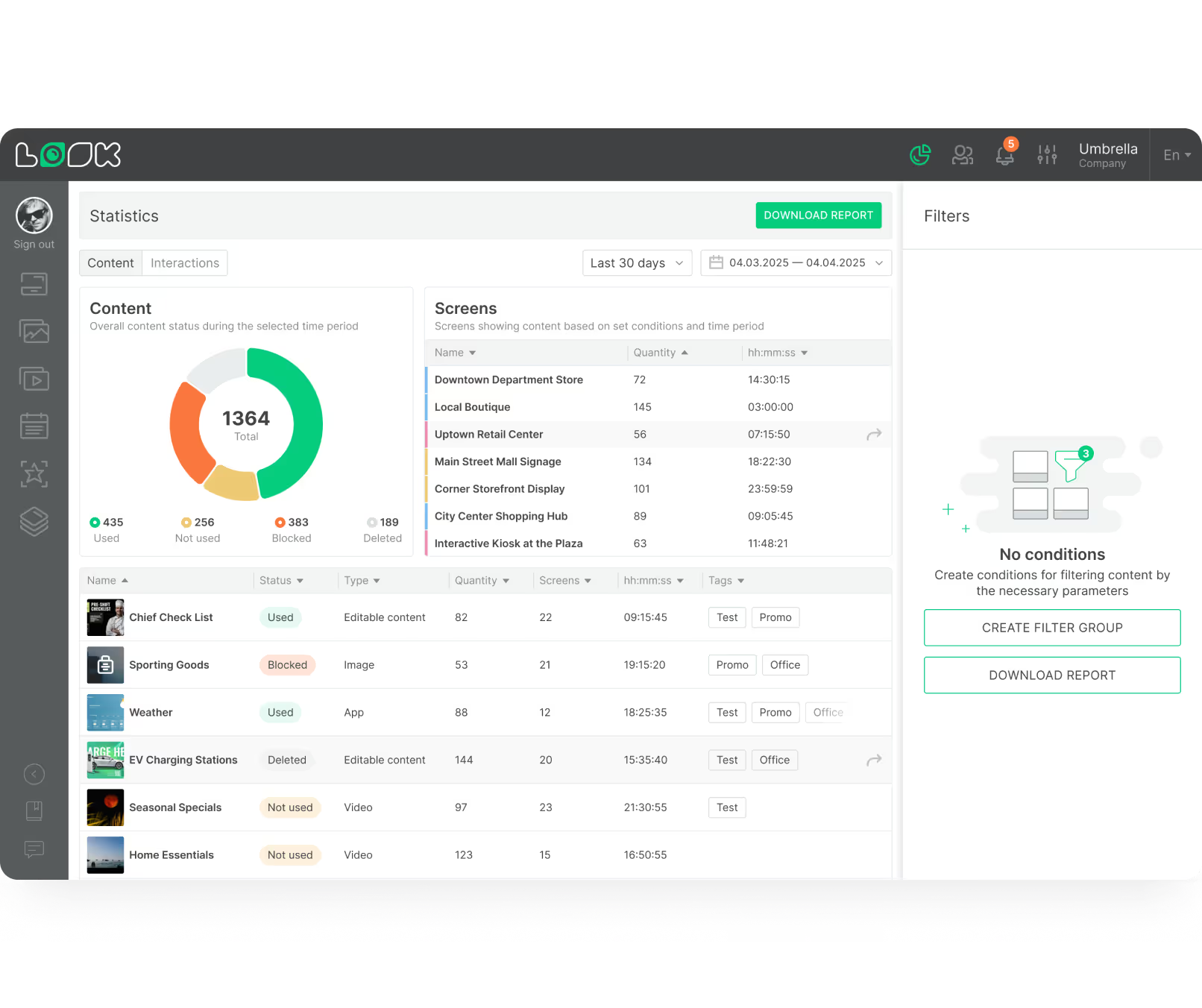
Tieni traccia continuamente dei registri delle prove di gioco e dei timestamp per garantire che gli annunci prenotati vengano visualizzati come pianificato in tutti i posizionamenti. I dati di verifica supportano anche la segnalazione di sponsor e stakeholder.
05
Esamina le tendenze del tempo di permanenza e del traffico pedonale insieme alle dashboard di riproduzione. Usa queste informazioni per perfezionare il mix di playlist, ridurre gli sprechi di spesa e migliorare il ROI nel tempo.
06
Dai priorità alla durabilità hardware e monitoraggio remoto sin dal primo giorno. Un'infrastruttura affidabile mantiene gli schermi funzionanti senza intoppi e consente ai team di concentrarsi sulla qualità delle campagne anziché sulla costante risoluzione dei problemi.
Errori comuni
Correzione: utilizza Smart Scheduling e le rotazioni basate sui trigger in modo che le campagne si aggiornino in base all'ora del giorno, alle condizioni meteorologiche e agli eventi locali senza rielaborazioni manuali.
Correzione: utilizza timestamp proof-of-play, dashboard di uptime e flussi di lavoro remoti per la risoluzione dei problemi per individuare tempestivamente i guasti e mantenere affidabili i report.

Correzione: installa hardware per display industriali con involucri impermeabili e antipolvere, sistemi di raffreddamento e pannelli ad alta luminosità adattati alle condizioni del sito.
Correzione: utilizza segnali anonimi e sicuri per la privacy con autorizzazioni basate sui ruoli e controlli di sicurezza in linea con i requisiti GDPR/CCPA.

Cosa dicono gli inserzionisti
In termini di utilizzo del sistema, le altre opzioni che ho trovato erano un po' ingombranti e Look non solo era conveniente ma anche molto facile da implementare e da utilizzare.


Look ha un buon prezzo, è un servizio software basato su cloud molto intuitivo, in cui puoi aggiornare i tuoi schermi ovunque ti trovi. Possiamo sicuramente consigliarlo ad altri!
La nostra esperienza con Look è stata eccellente. Abbiamo offerto ai clienti una nuova soluzione ricca di funzionalità, capace di soddisfare diverse esigenze di digital signage, a un costo mensile conveniente.






Aiutiamo i proprietari, i marchi e gli operatori dei media a implementare reti DOOH affidabili con gestione remota, proof-of-play e flussi di lavoro di pianificazione scalabili.
Modelli







Carta di credito non richiesta

100% delle funzionalità, nessuna limitazione di prova

Supporto umano rapido 24/7